Ref. R16-01
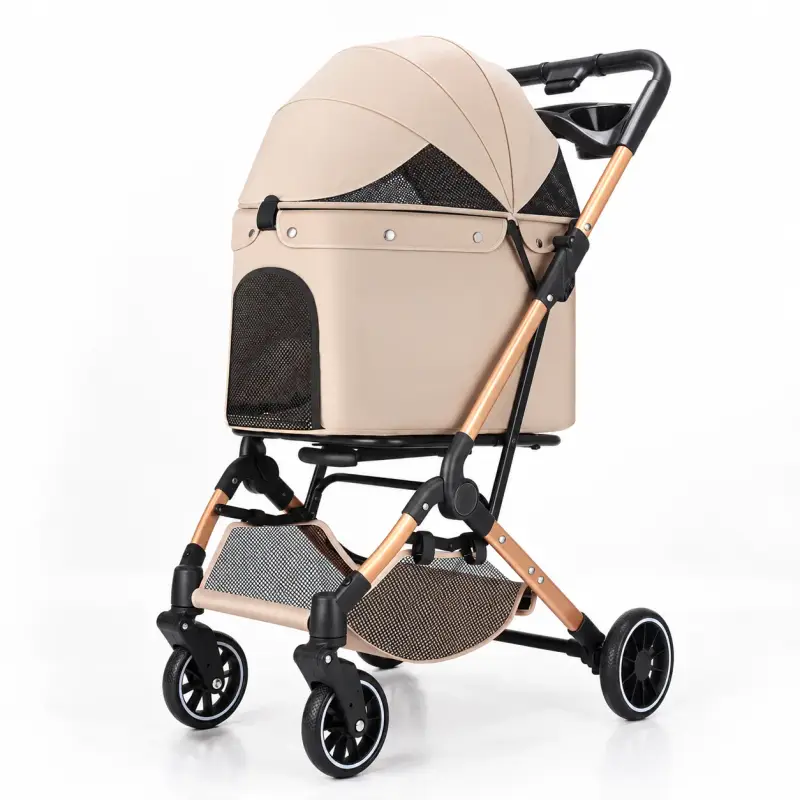
Enclosed-canopy pet stroller
Single-cabin pet stroller; compare cabin dimensions, entry, canopy positions, wheels, brakes and folded size.
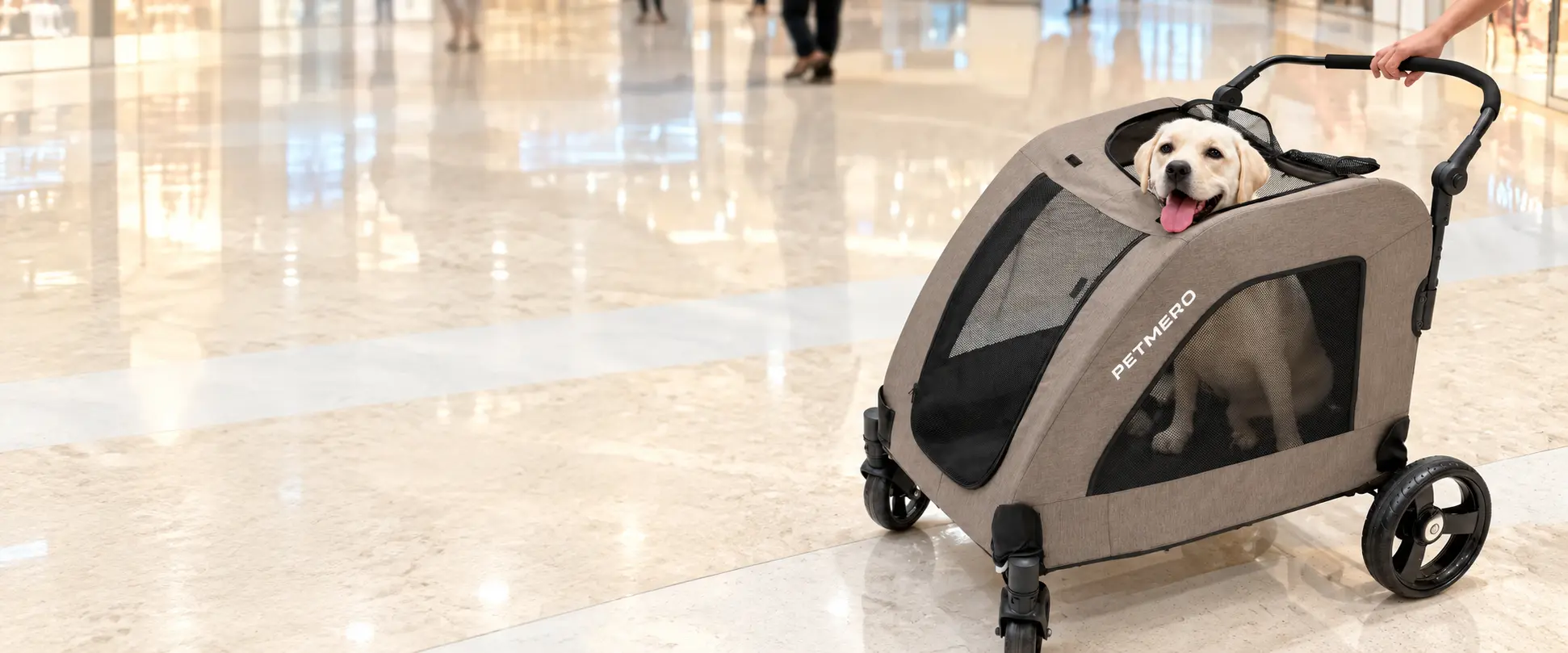
Explore pet strollers for dogs and cats for wholesale and private-label ranges. Compare usable cabin space, pet-size fit, frame and wheel configuration, brakes, folding and packed size before choosing colours, branding or packaging.
Compare 12 different pet-mobility formats rather than one stroller type: R16-03 has four wheel-mounting positions with a mesh canopy, R16-04 has two vertically arranged pet compartments, R16-10 a wider single cabin and R16-11 twin baskets. R16-02 is a pull-along wagon and R16-08 a wheeled carrier, not conventional push strollers. Choose a Ref. ID and confirm usable pet space, wheel and brake assembly, permitted use, folding or disassembly steps, load evidence and carton size for that exact model.
Single-cabin pet stroller; compare cabin dimensions, entry, canopy positions, wheels, brakes and folded size.
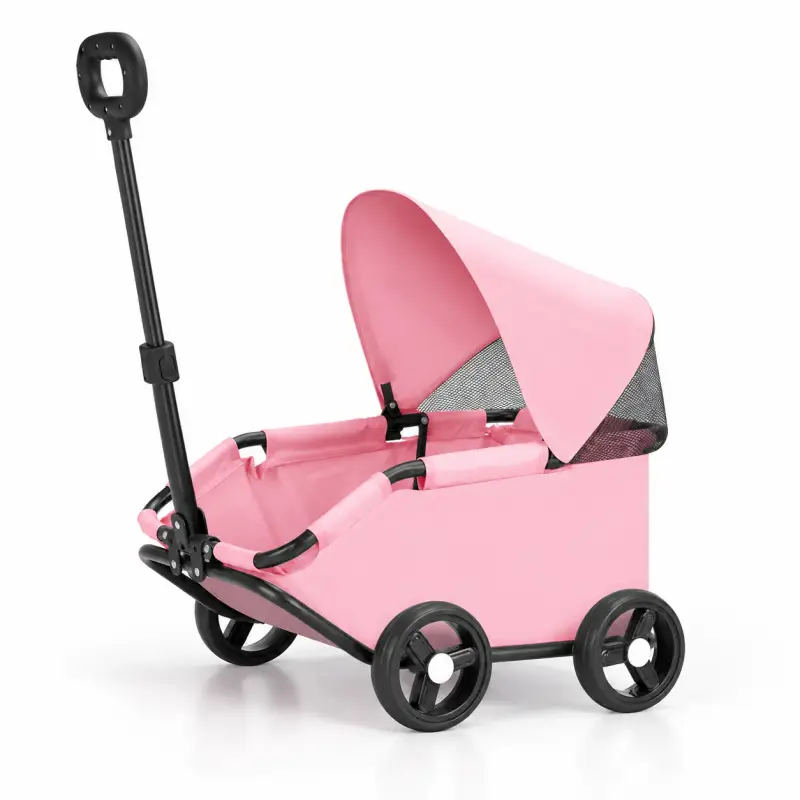
Pull-along pet wagon; compare usable floor area, side height, canopy, pull handle, wheels and packed size.
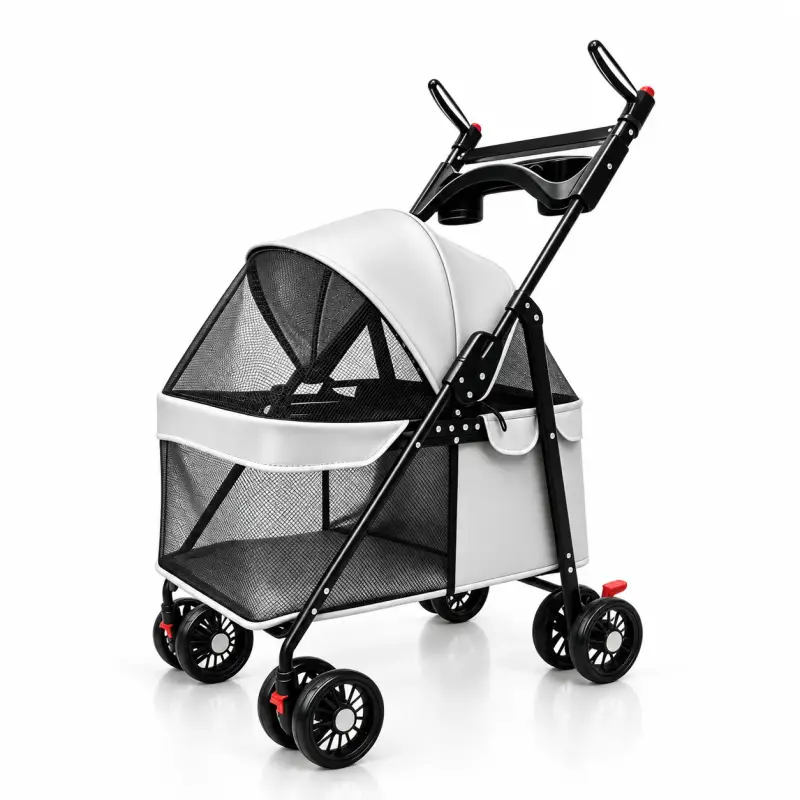
Four-wheel mesh-canopy stroller; compare the two front and two rear wheel positions, canopy opening, usable cabin, brakes and folding steps.
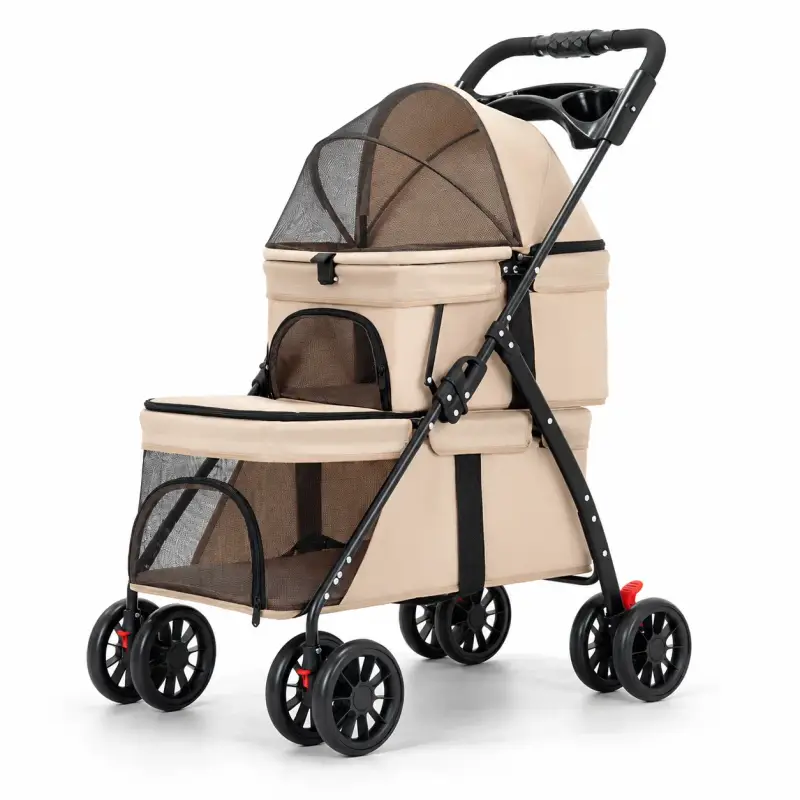
Two-compartment pet stroller; compare each cabin, combined load, access, frame width, wheels and fold.
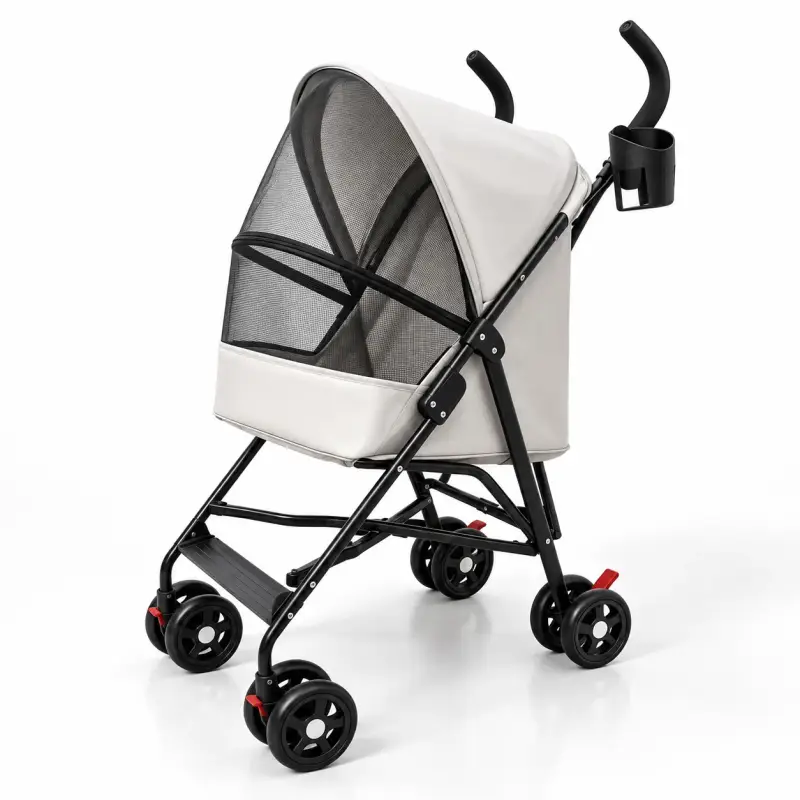
Compact pet stroller; compare cabin space, mesh canopy, entry, wheel layout, brake operation and storage size.
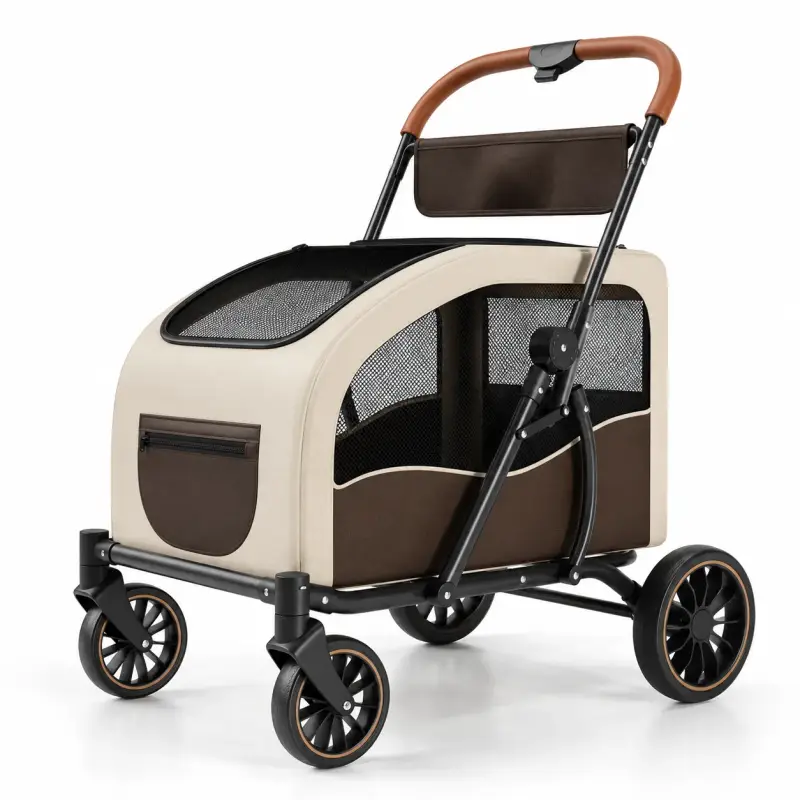
Box-cabin stroller; compare floor area, side height, opening, canopy, frame, wheel layout and folding sequence.
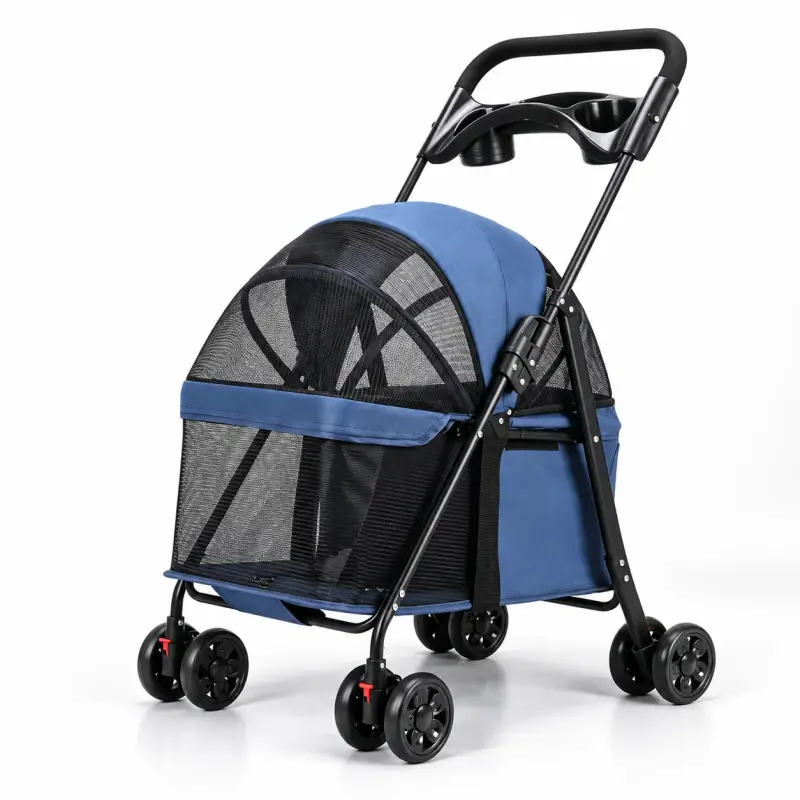
Mesh-front pet stroller; compare cabin dimensions, mesh placement, access, frame, wheels, brakes and cleaning.
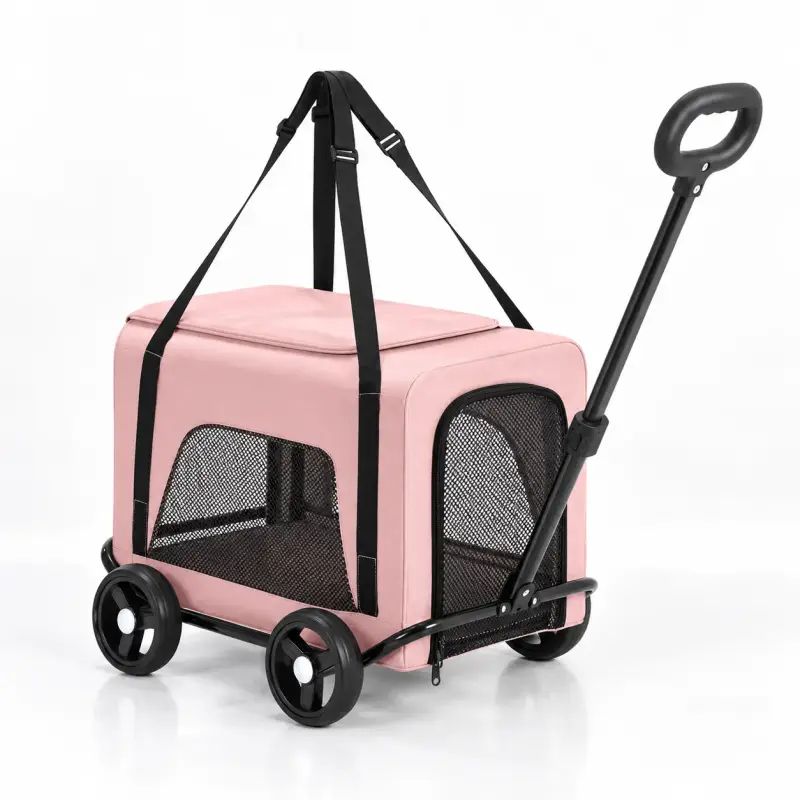
Wheeled carrier format; compare pet compartment, pull handle, wheel base, access and packed configuration.
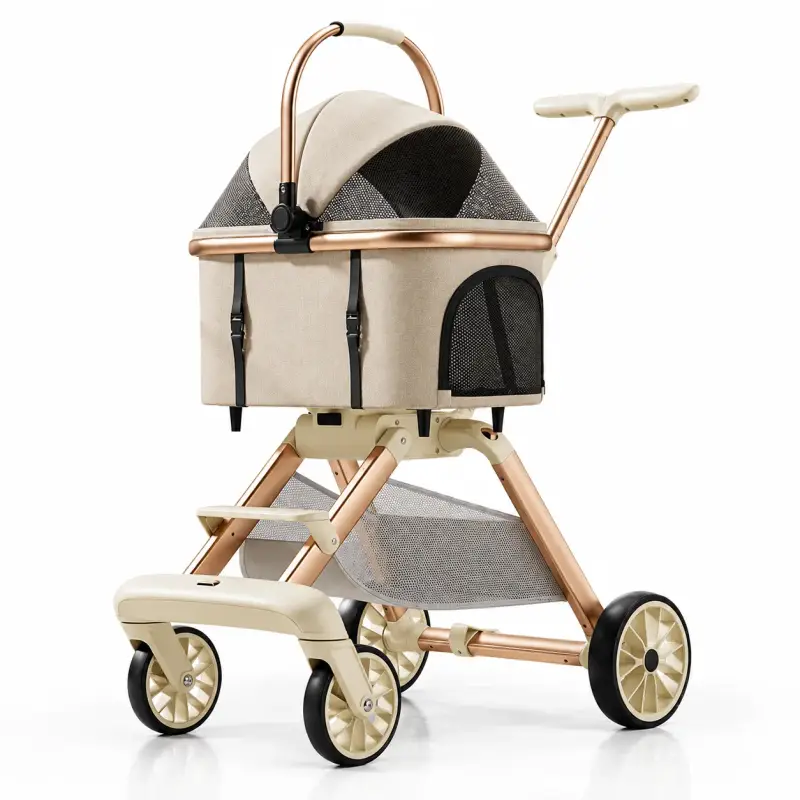
Basket-style pet stroller; compare cabin attachment, usable space, entry, handle, wheels and permitted carrying modes.
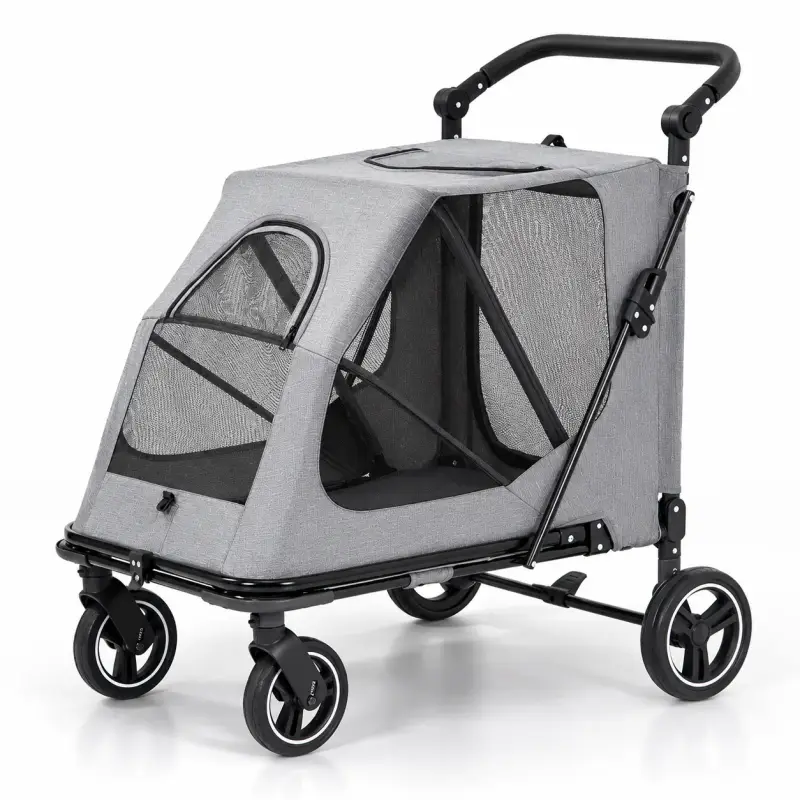
Wide-cabin stroller; compare usable floor area, entry, model-specific load, outside width, wheels and fold.
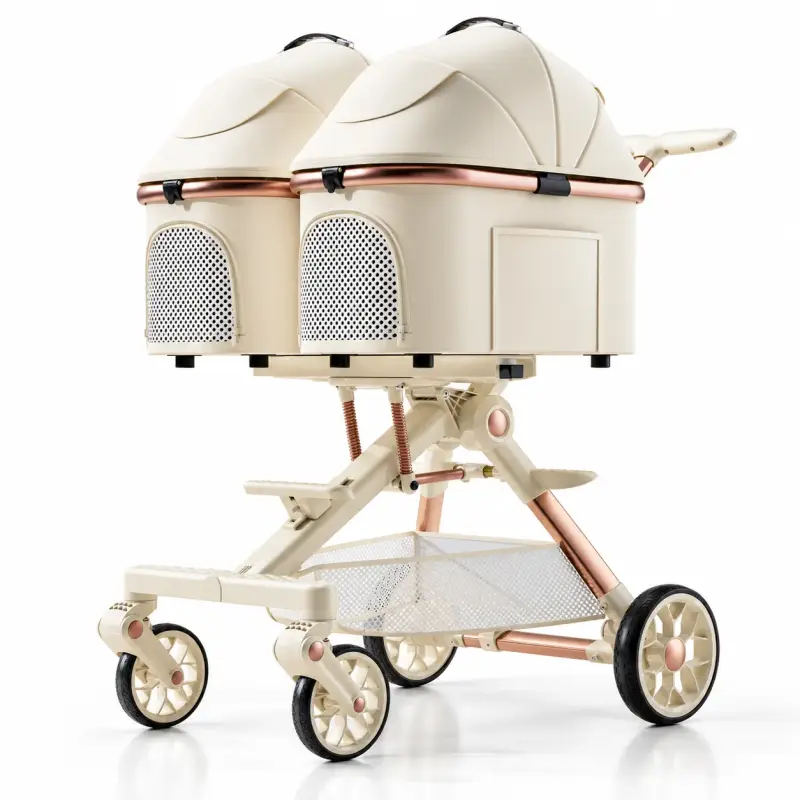
Twin-basket stroller; compare both cabins, access, combined load, frame width, wheel layout and folded size.
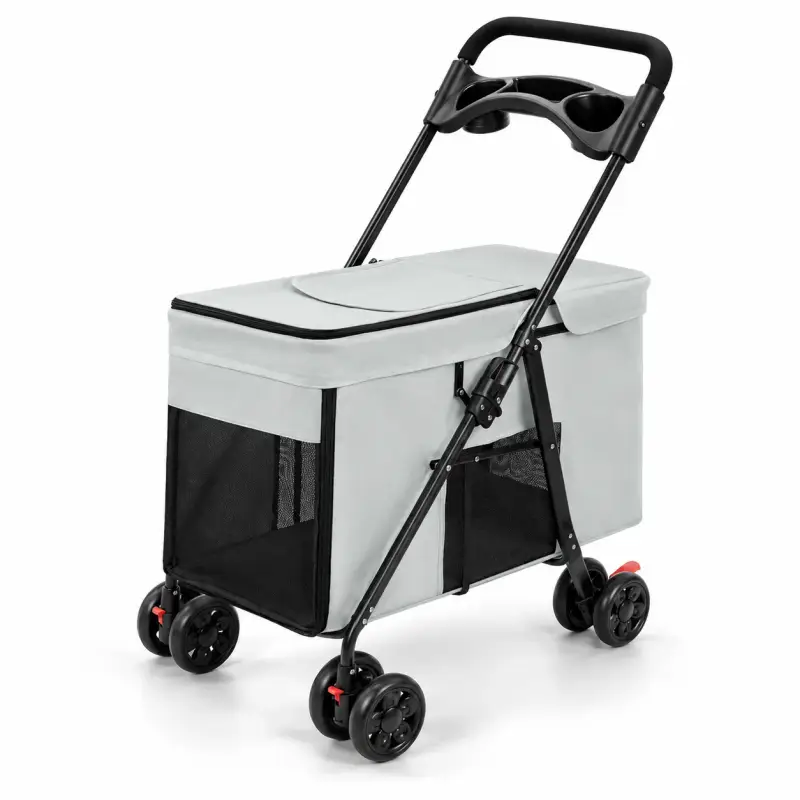
Enclosed box-cabin stroller; compare usable space, mesh-side layout, entry, frame, wheels, brakes and fold.
These 12 styles show part of the PETMERO pet stroller range. If you need another cabin layout, wheel format or storage configuration, send a Ref. ID, image or product link.
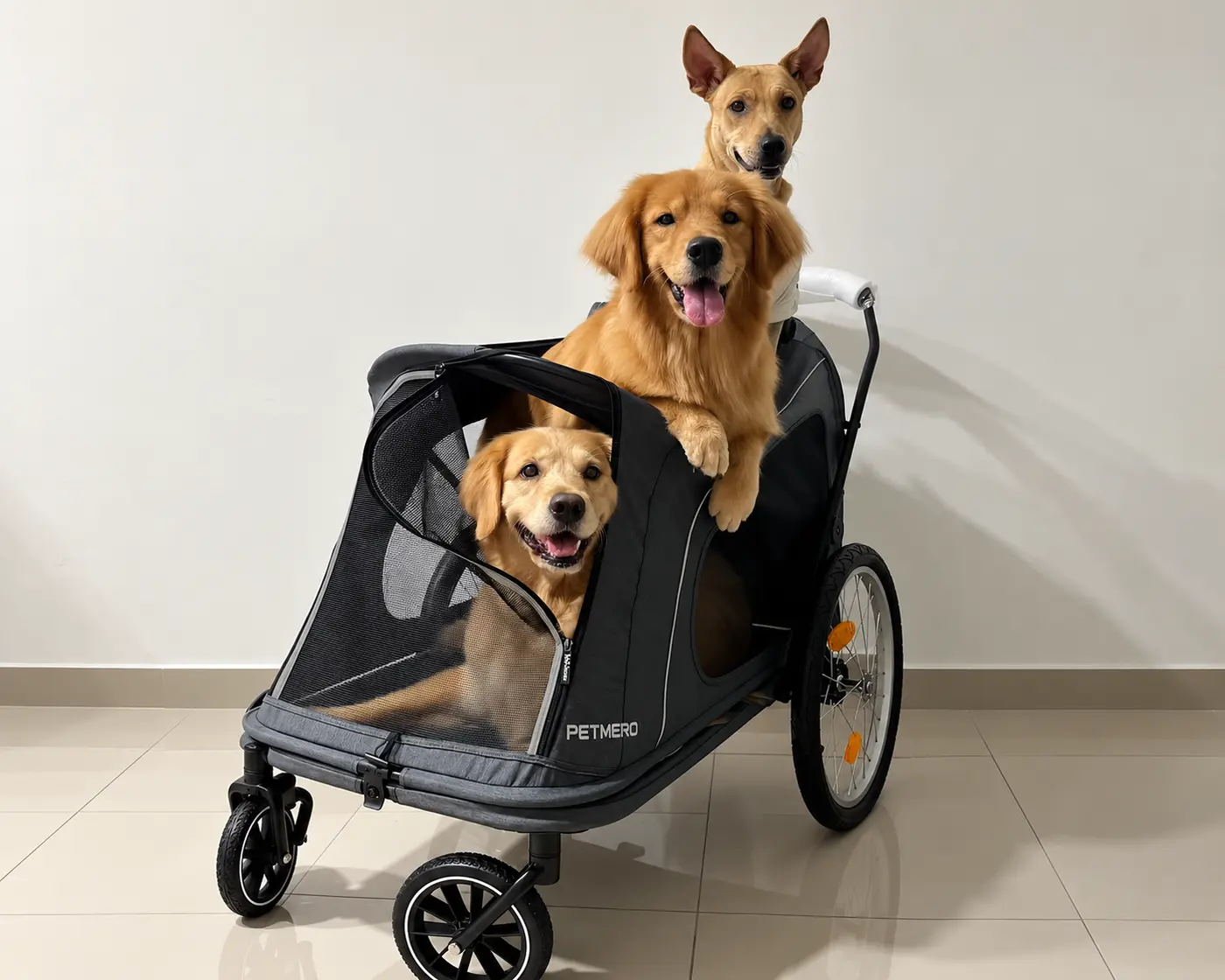
A stroller needs to fit the pet and the route, then store and ship efficiently. Review usable cabin dimensions, entry, model-specific load information, frame, wheels, brakes, handle and folded size together rather than judging the product from its outside appearance.
Prioritise usable cabin space and the true folded dimensions. A compact outside shape does not tell you how much room the pet has inside.
Use R16-03 to compare the four visible wheel positions, steering, brake operation, mesh canopy openings and usable cabin. Other models can use different wheel systems; confirm actual parts and intended use for each sample. A four-wheel arrangement alone does not establish all-terrain or jogging suitability.
Measure each usable space and the total outside width, then confirm the model-specific combined load information before planning a larger-pet or multi-pet range.
These use different handles, cabin geometry and carrying modes from a conventional push stroller. Compare the exact construction instead of grouping them under one fit system.
Compare pet fit, handling and storage together. Cabin space, wheels, brakes, folding and storage all change the version you are buying.
Balance usable pet space against open and folded dimensions.
Compare the complete wheel, brake and frame arrangement with the intended route.
Compare each usable pet area and the full frame width before looking at colour or styling.
Treat the handle, pet compartment and wheel base as a different mobility format from a push stroller.
Match floor area, height and entry to the intended pet, then confirm the model-specific load information.
Compare the complete mobility system for the intended route instead of judging it by wheel count alone.
Record folded dimensions and shipping-carton dimensions separately because they answer different questions.
Confirm frame construction, joints, locks, handle and the sequence used to open and fold the selected stroller.
Check the complete assembled sample and record any part that must be removed before folding.
Confirm wheel dimensions or material where specified, swivel or fixed arrangement, attachment and brake operation.
Match any terrain, jogging or suspension claim to evidence for the exact model.
Confirm usable cabin shape, entry, canopy positions, textile or shell materials, mesh layout and closures.
Review the finished cabin in each permitted canopy position rather than judging ventilation from one panel.
Confirm the supported base, removable liners, baskets, dividers and other included parts together with their care method.
Make sure the quote, sample, instructions and retail pack describe the same accessory set.
| Part of the specification | What to include |
|---|---|
| Usable cabin space | Floor length and width, usable height, side height and any liner, divider or padding that reduces the actual pet space. |
| Pet fit and model load | Match the intended dog or cat dimensions to the usable cabin and confirm the selected model's supported load information. Weight alone does not describe fit. |
| Entry, canopy and ventilation | Opening dimensions, entry height, canopy positions, mesh or other open-panel layout and closure method for the finished stroller. |
| Frame, handle and wheels | Overall frame size, handle height or adjustment, wheel layout, wheel diameter or material where specified, swivel arrangement and brake operation. |
| Open and folded dimensions | Record length, width and height in use and when folded, including any wheels, cabin or accessories that must be removed. |
| Carton and assembly | Shipping-carton dimensions and weight, assembly on arrival, included parts, units per carton and the instructions needed to restore the stroller for use. |
Start with the pet stroller's cabin, frame, fold mechanism and wheel or brake setup. Fabric branding and changes to the moving structure require different sample checks.
Identify the pet-cabin and frame style you need, then request assembled and folded measurements, wheel configuration and carton size for the chosen pet stroller.
For a pet stroller, review branding on the canopy, pet-cabin fabric or packaging without interfering with folding joints, mesh or moving parts. Approve artwork on the selected sample.
A pet stroller with a different cabin, frame, wheel or folding mechanism is a structural development project. Share the updated layout and measurements for model-specific sample review. For branding changes, drawings and sample sign-off, see the PETMERO custom pet-product process.
Review canopy or cabin materials, trim, logo or label placement and packaging for the selected stroller without covering mesh, closures or moving parts.
Define the approved liner, storage basket, divider, canopy or other included accessories so every quotation refers to the same complete set.
Changes to frame geometry, wheels, brakes, handle or folding system can affect the whole stroller. Confirm feasibility and review a revised sample before production.
For pet strollers, start with cabin dimensions, folding mechanism, frame and wheel layout, entry openings and restraint details. Share the intended market and a reference; changes to the supporting structure require model-specific sample review.
“We are interested in R16-04 double-compartment pet strollers. Could you review the usable size of each compartment, the folded dimensions, wheel options and private-label packaging?” Include your estimated order quantity and destination when available so we can discuss the selected model and quotation.
Compare pet stroller quotes against an agreed cabin, frame, wheel and folding specification, with packaging and delivery scope held consistent.
For the selected pet stroller, verify assembled and folded dimensions, pet-cabin access, wheel and brake operation, included parts and carton protection against the approved sample.
Measure the usable cabin, entry and complete outside dimensions, then open, fold and reopen the stroller using the supplied sequence while checking locks, brakes and attachments.
Review handle height, wheel and brake operation, canopy and mesh layout, base support and any model-specific load or intended-use information on the complete sample.
Approve final materials, included parts, care instructions, branding, assembly guide, folded dimensions and carton specification before production.
Pack wheels, brakes, handles, locks and cabin attachments so the approved operation is maintained through transport.
Identify any wheels, cabin parts or accessories removed for shipping and show how each part is installed or restored.
Use model-specific references for replacement wheels, liners, covers or other parts so repeat orders match the approved stroller version.
Answers about pet stroller cabins, folded dimensions, wheels, brake details, structural revisions and shipping cartons.
Start with the pet's body dimensions and the stroller's usable cabin, then confirm the selected model’s load information. Weight alone cannot tell you whether the floor area, height, entry and turning room are appropriate.
No. Wheel layout or sporty styling is not enough. Ask for the intended-use information and evidence for the specific model.
Request folded length, width and height, including whether wheels or the cabin must be removed. The shipping carton may have different dimensions.
Do not assume so. Confirm the permitted uses and the required attachment system. Vehicle protection claims need evidence for the exact configuration.
Potentially, but the answer depends on usable floor area, cabin height, entry, outside width and the model-specific supported load. Confirm those values for the exact stroller rather than relying on a large-cabin appearance.
Review usable cabin space, base support, canopy positions and the location of mesh or other open panels on the finished model. A single mesh panel or soft liner does not by itself establish overall airflow or comfort.
Yes, subject to the selected stroller and project feasibility. Colour, fabric and branding changes are usually simpler than changing wheels, brakes, frame geometry or the folding system, which may require a revised sample.
A Ref. ID, image or product link is enough to begin. Add intended pet size, number of pets, quantity, destination, cabin or folded-size priorities, branding and packaging details whenever they are available.