
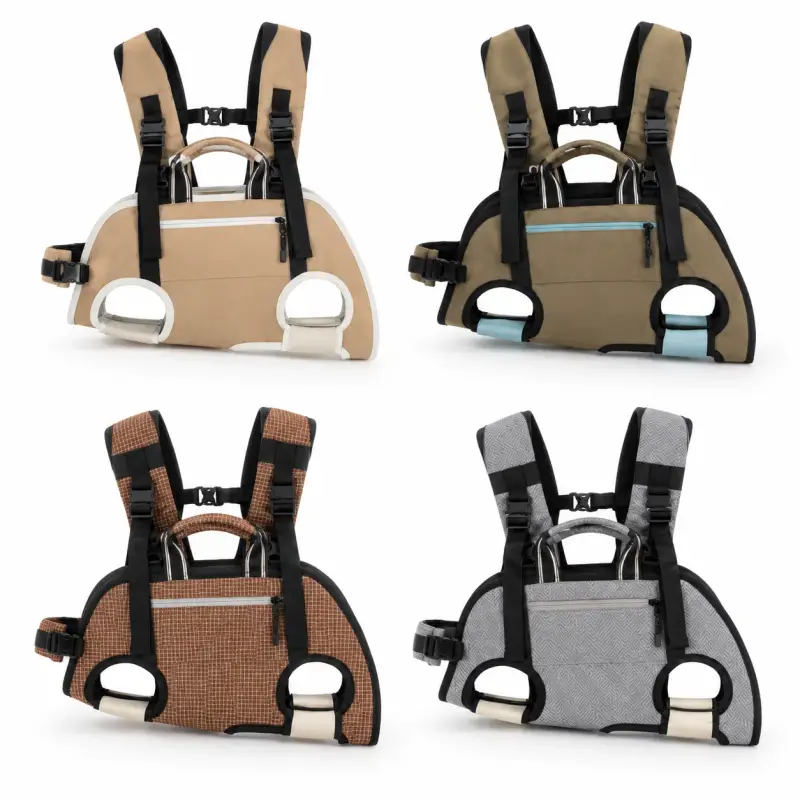
Ref. R18-01
Front pet carriers with leg openings
Front-carry format; compare body opening, leg openings, strap adjustment, support and closure.
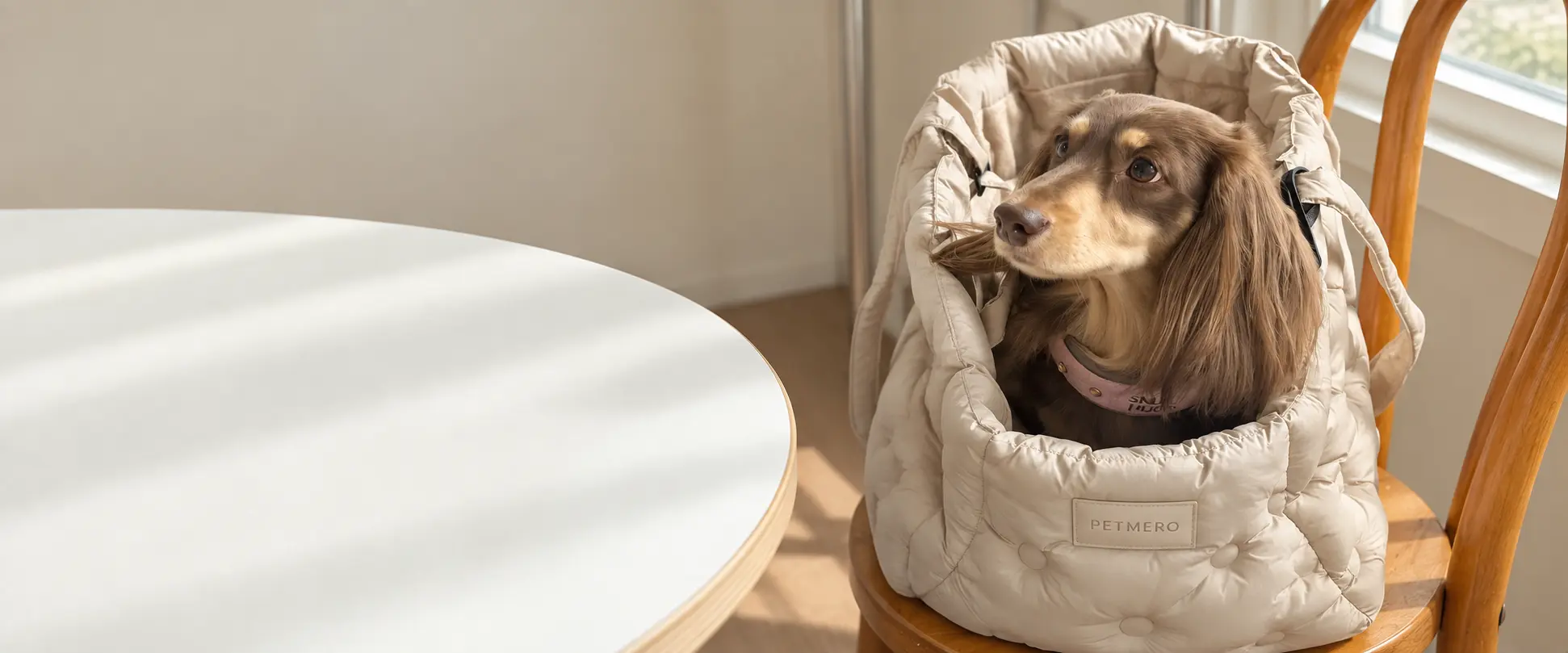
Explore pet carrier backpacks for dogs and cats for wholesale and private-label ranges. Compare usable pet space, base support, ventilation panels, access, wearer-side straps and packed size before choosing colours, logos or packaging.
For backpack-specific sourcing, start with R18-02, R18-09, R18-11 and R18-12. The other eight references show front, shoulder, sling, tote or expandable carry constructions for comparison; they are not eight more backpack models. Compare usable pet space, base support, ventilation, openings and wearer-side straps for the chosen format, then quote its Ref. ID when requesting samples or pricing.
Front-carry format; compare body opening, leg openings, strap adjustment, support and closure.
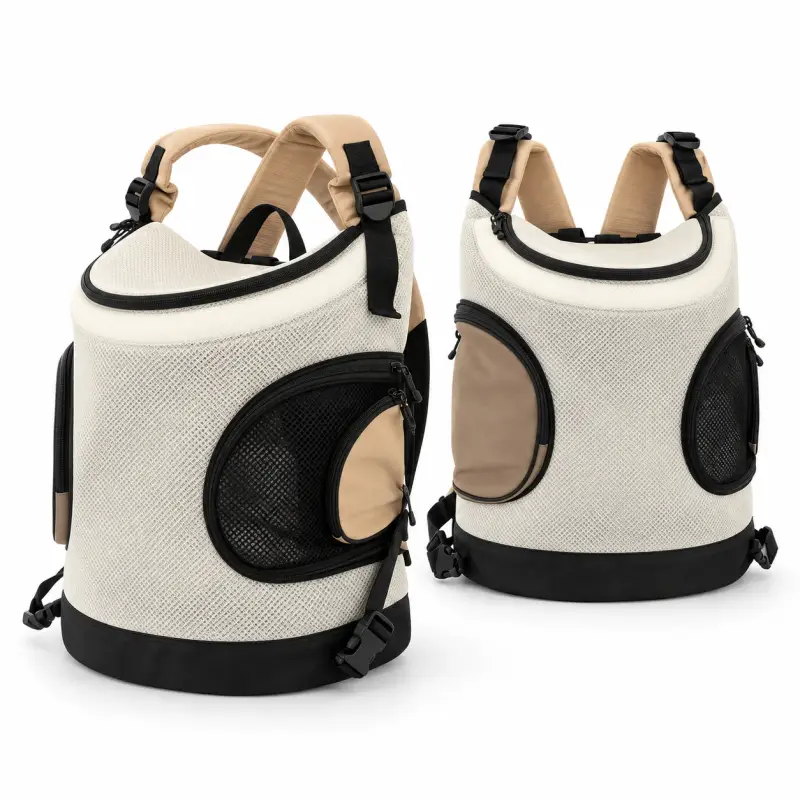
Wearable pet carrier backpack; compare usable compartment, mesh placement, base support, straps and access.
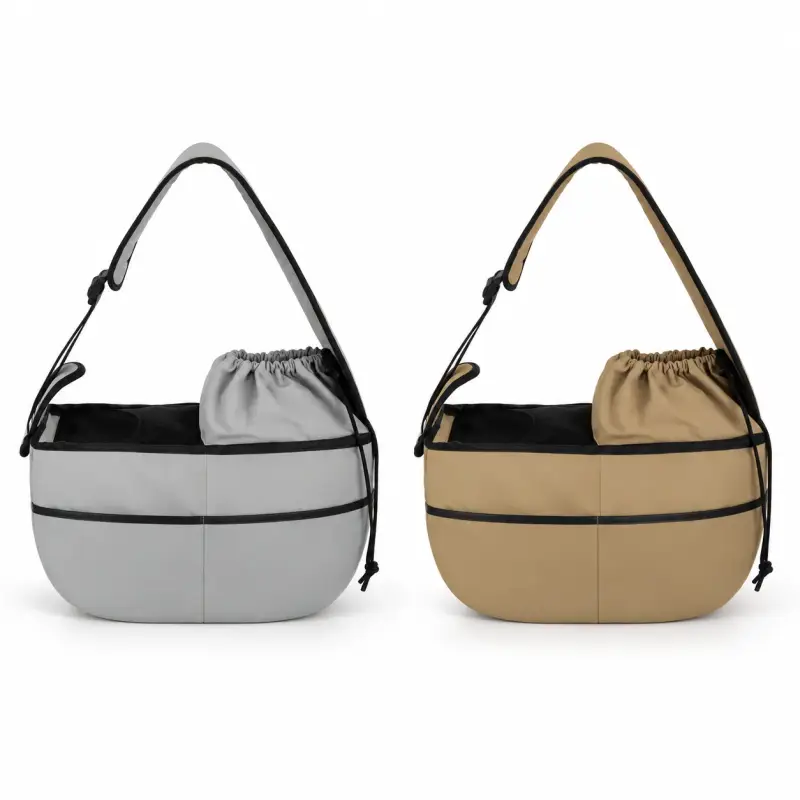
Shoulder-carry format; compare usable interior, base shape, opening size, strap length and body support.
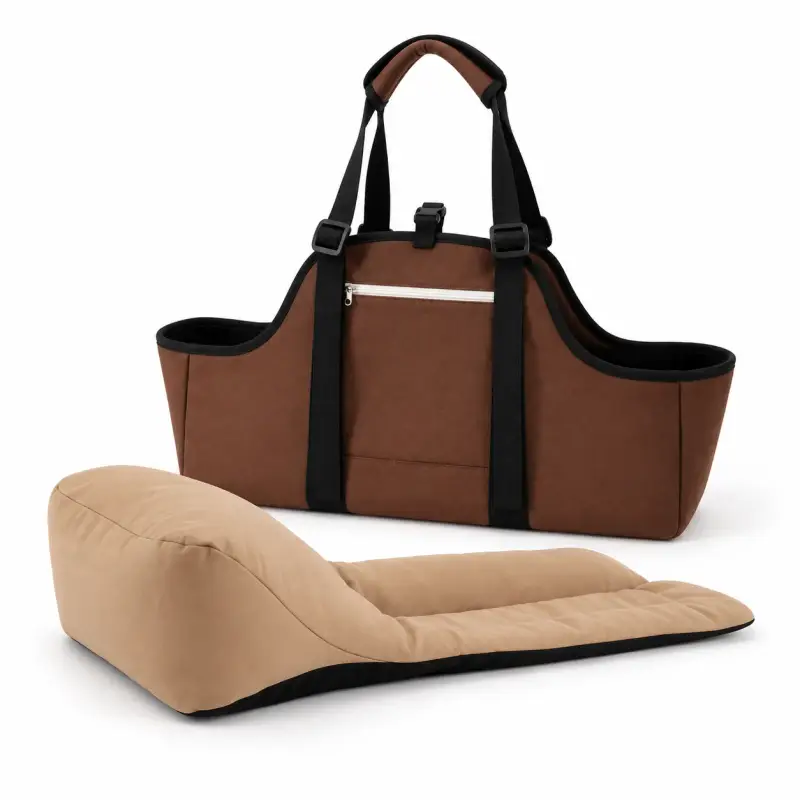
Tote-style carrier; compare inside space, cushion thickness, base support, handles, opening and closure.
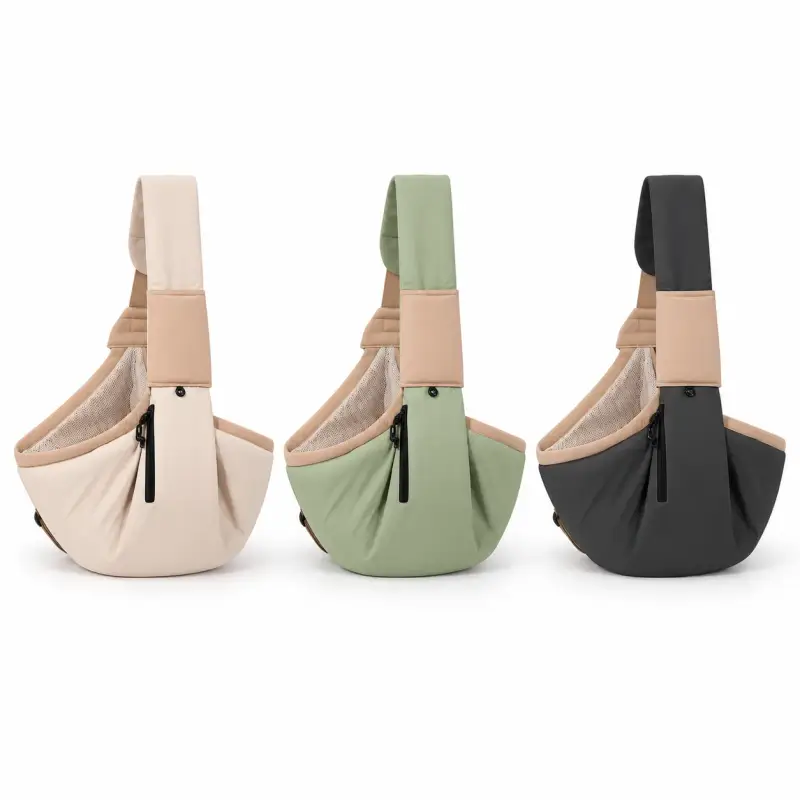
Sling-style carrier; compare opening, body support, shoulder strap, closure and the pet position in the approved size.
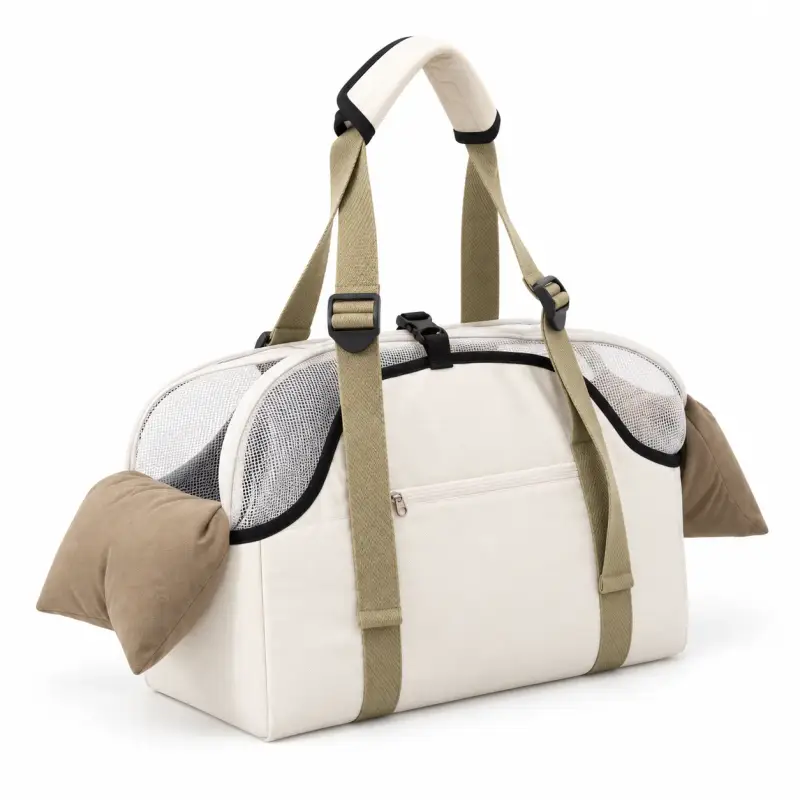
Soft carry bag; compare usable interior, base, opening, strap construction, closures and packed size.
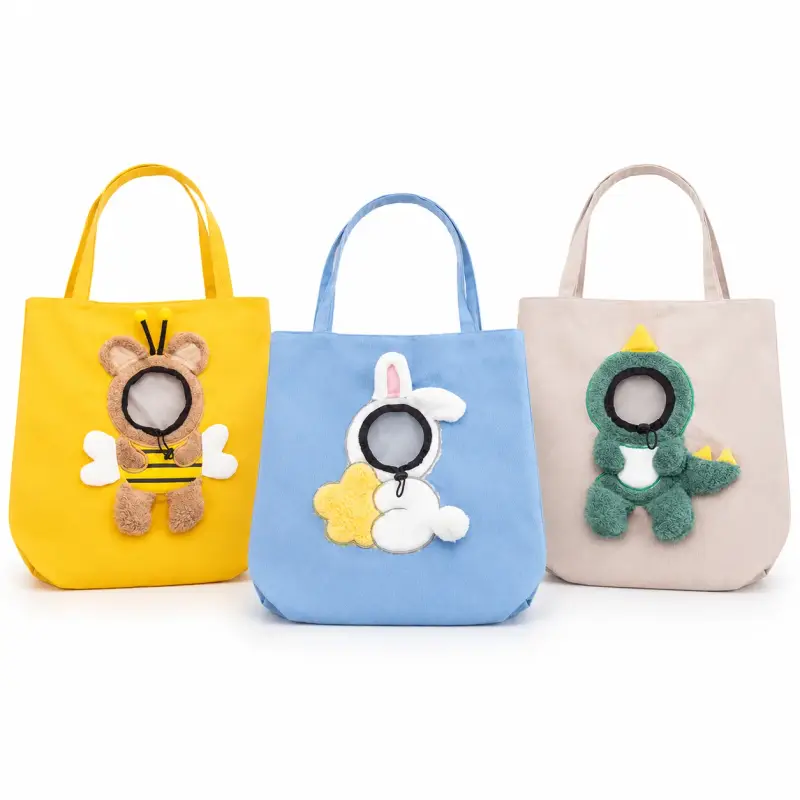
Open-top tote format; compare head opening, interior support, handles, closure details and pet-size range.
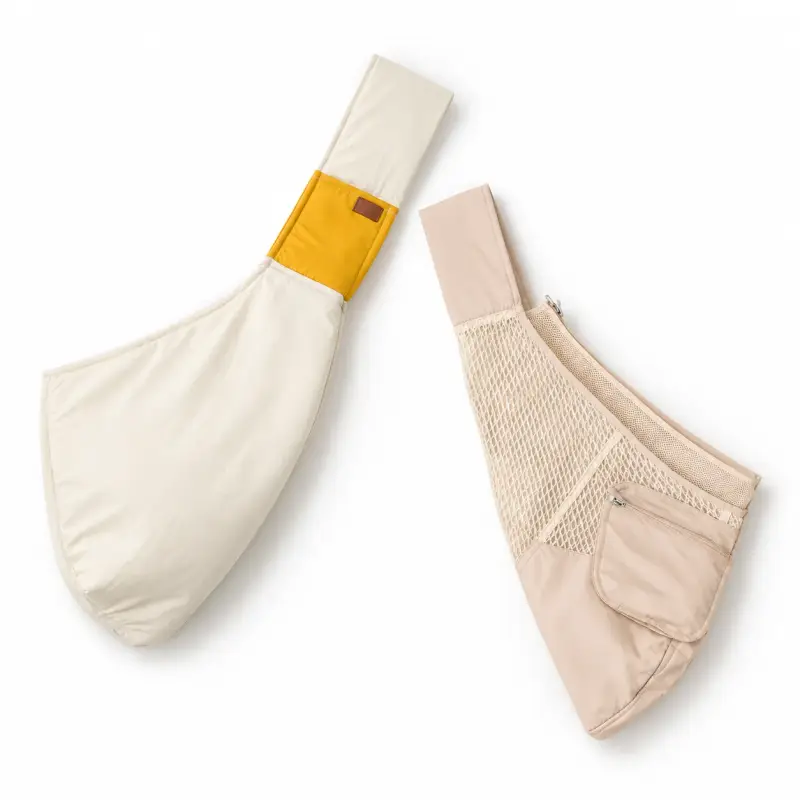
Shoulder sling format; compare body opening, pet support, strap length, closure and packing shape.
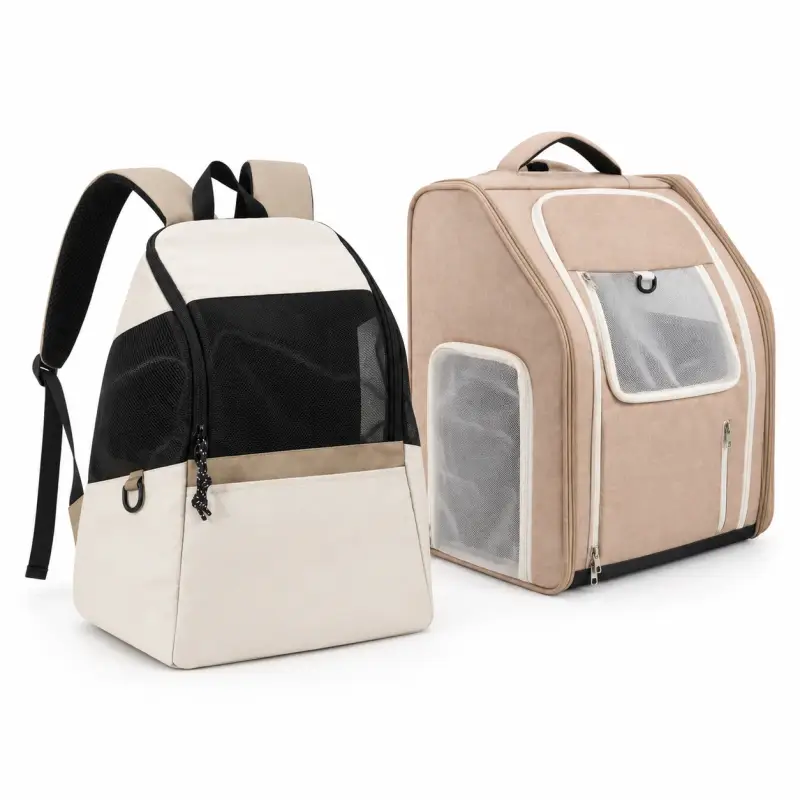
Structured backpack format; compare pet compartment, base, mesh panels, back panel, straps and openings.
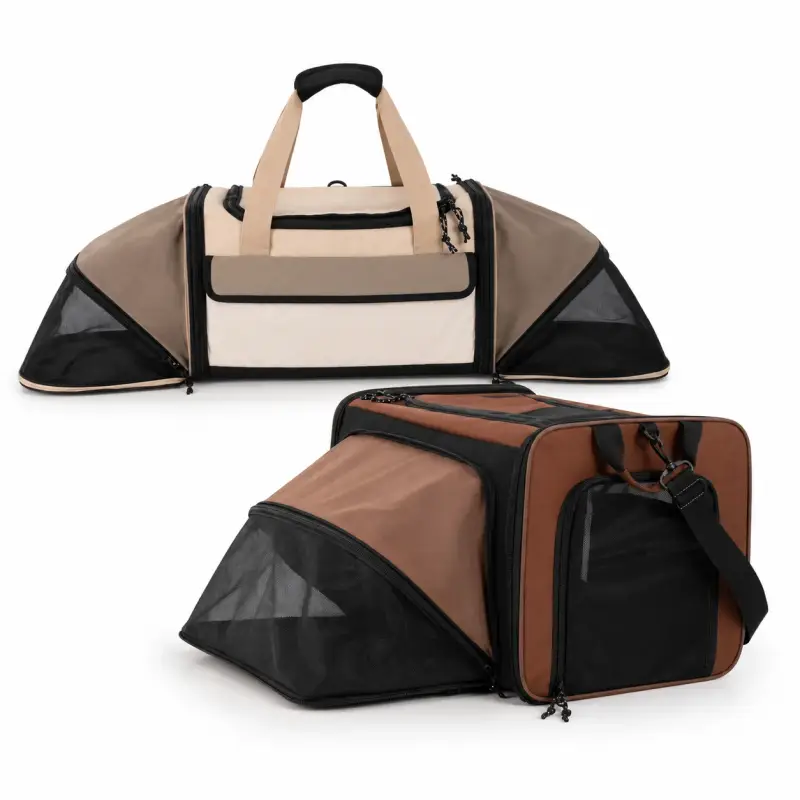
Expandable carry format; compare carrying size, expanded size, support, access, mesh panels and folding method.
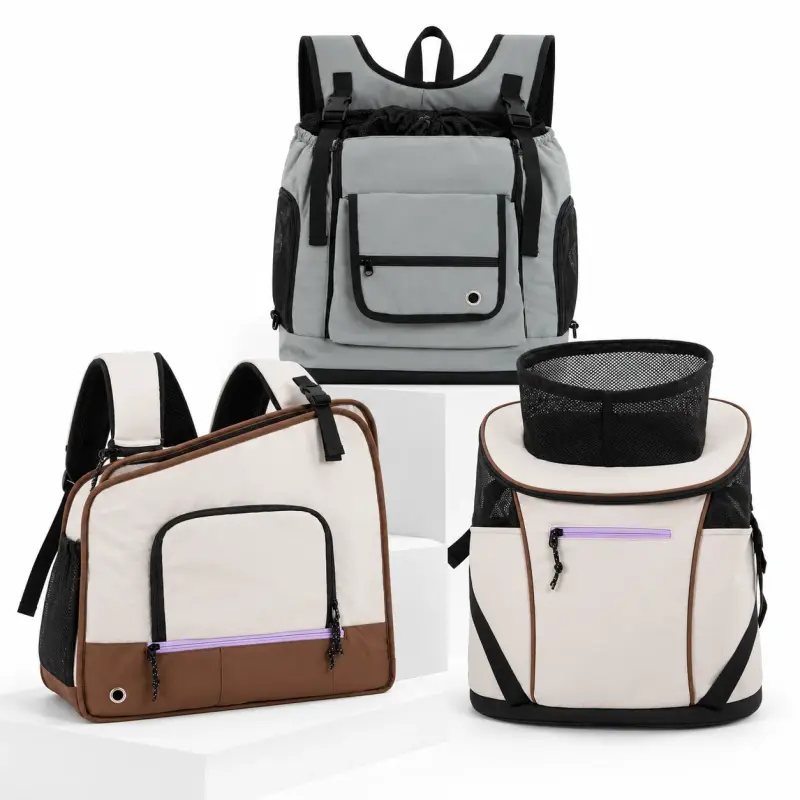
Structured backpack range; compare usable compartment, base, openings, straps, back support and packed size.
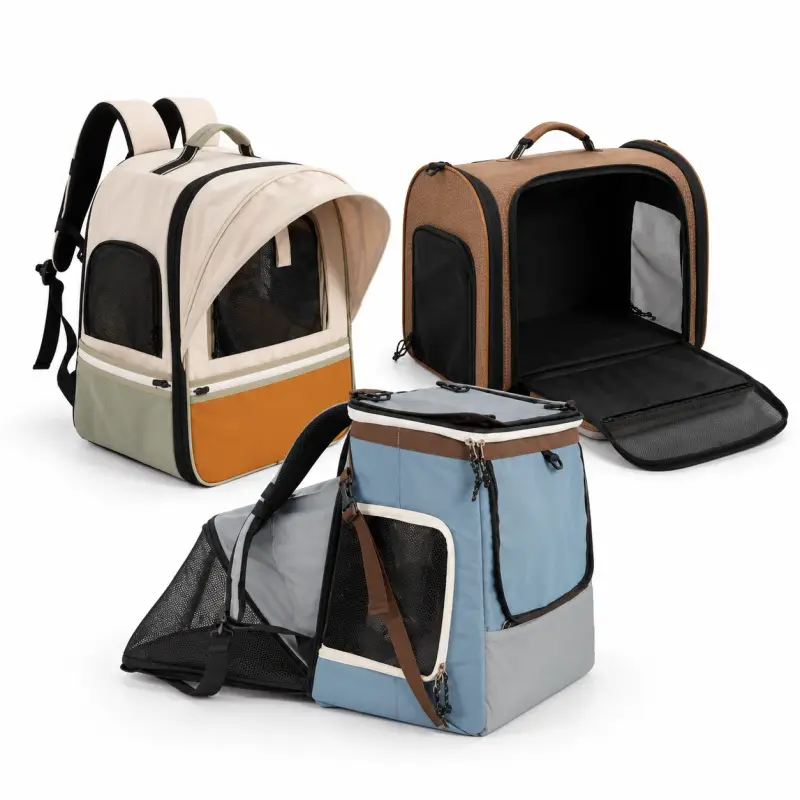
Expandable backpack format; compare carrying compartment, fold-out space, base support, straps, mesh and closures.
These 12 styles show a selection of PETMERO wearable pet carriers. If you need a different backpack, front-carry, sling or expandable construction, send a Ref. ID, image or product link.
For the pet, usable space, base support, access and ventilation matter. For the wearer, shoulder straps, back support, adjustment and the complete carried load matter. Review both sides on the assembled sample.
Compare usable interior dimensions, mesh-panel location, base support, openings and how the textile body holds its shape when loaded.
Review the supported body, base, window or mesh panels, openings and wearer-side structure as one assembled product.
Record carrying and expanded dimensions separately. Confirm when the fold-out section is intended to be used and how the base is supported in each mode.
These wearable carriers use a different carrying position from a backpack. Compare pet support, openings, strap arrangement and the approved size range for that exact construction.
Compare the pet compartment and the wearer-side system together. A backpack that fits the pet still needs the right base support, straps, back panel and carrying configuration.
Start with usable pet space, base support, mesh placement, openings and wearer-side straps.
Review the supported body, base, clear or mesh panels, access and back system as one assembled product.
Compare the carrying configuration and the expanded configuration separately.
Compare the pet support and strap system around the actual carrying position rather than treating it like a backpack.
Measure the actual space with the normal base, liner and inserts fitted.
Compare adjustment range, support and the complete loaded configuration.
Record carrying, expanded and packed configurations separately when they differ.
Confirm usable dimensions, base construction, liners or inserts and any internal padding that reduces available space.
Measure the approved sample with the normal base or liner installed.
Confirm mesh, clear panels, open areas, opening size and closure hardware for the selected design.
Use the finished panel layout to describe access and ventilation instead of relying on a generic breathable label.
Review strap width and adjustment, back-panel dimensions, padding or support, stitching and hardware together.
Check the complete carried configuration with the agreed load rather than judging comfort from appearance alone.
Confirm zippers, buckles, frames, inserts and other support parts and how they connect to the carrier body.
List what is included with the product and identify any part that must be removed for cleaning or packing.
Height, width and depth at the relevant narrow points with the normal base, liner or insert fitted.
Base dimensions, stiffness or removable support parts, plus the way the body holds its intended shape under the approved load.
Mesh, wire or other open-panel location, opening dimensions, closure type and the route used to place or remove the pet.
Shoulder-strap length and adjustment, back-panel dimensions and any chest or waist strap included with the selected design.
Which straps, handles or support parts are used while worn, plus any model-specific load information that can be supported.
Folded dimensions, removable inserts or panels, units per carton and the steps needed to restore the backpack for use.
Start with the pet compartment and carrying comfort, not just the outside shape. A logo or colour update differs from changing the straps, ventilation or load-supporting structure.
Select a backpack or sling format, then request the usable pet-space dimensions, ventilation layout, carrying-strap details and sample options for that structure.
For a pet backpack, review branding on fabric panels, straps or packaging without covering airflow openings or adjustment hardware. Approve the placement on the selected sample.
If developing a new pet backpack, mark changes to the pet compartment, strap attachment, base support and ventilation. Structural changes need review beyond a fabric or branding update. Our customization workflow helps distinguish those design changes from simple branding.
Coordinate body fabric or shell, mesh, edging, straps and hardware. Review the approved colour on each material instead of assuming every surface will match identically.
Choose a label, patch or printed area that does not interfere with mesh panels, openings, closures or strap adjustment.
Changes to pet space, base support, openings or the wearer-side strap system can affect the construction. Confirm feasibility and review the revised sample before production.
For a pet backpack, identify the pet size, usable compartment dimensions, ventilation arrangement, base support and shoulder-strap design. Share a reference and intended order quantity; carrying or travel suitability must be checked against the chosen construction.
“We are interested in R18-02 mesh-panel pet carrier backpacks. Could you review the usable inside dimensions, base support, shoulder straps and private-label packaging?” Share your estimated quantity and destination when available so we can discuss samples and a quotation for the selected style.
Compare pet backpack quotes using the same usable compartment size, base support, strap construction, ventilation layout, materials and packaging.
For the selected pet backpack, confirm usable pet space, ventilation, shoulder-strap attachments, base support and packed dimensions against the approved sample.
Review the complete backpack with its normal base, liner, inserts, straps and closures installed, then measure the usable pet compartment.
Check strap adjustment, back support, access, ventilation panels and carrying balance with the agreed load configuration. Review carrying and expanded modes separately where applicable.
Approve the final materials, included parts, care instructions, branding, packed dimensions and any model-specific carrying claim before production.
Pack bases, frames, clear panels and fold-out sections so the approved shape can be restored after transport.
If inserts, bases or support panels are removed for packing, identify each part and show how it returns to the correct position.
Separate supplied liners, straps, inserts and accessories from props used only in photography.
Common questions about pet backpack fit, ventilation, carrying support, sample changes and wholesale pack planning.
Start with the pet's body measurements and the backpack's usable compartment, not a weight label alone. Check the supported base, opening and the space available with the normal liner or insert fitted.
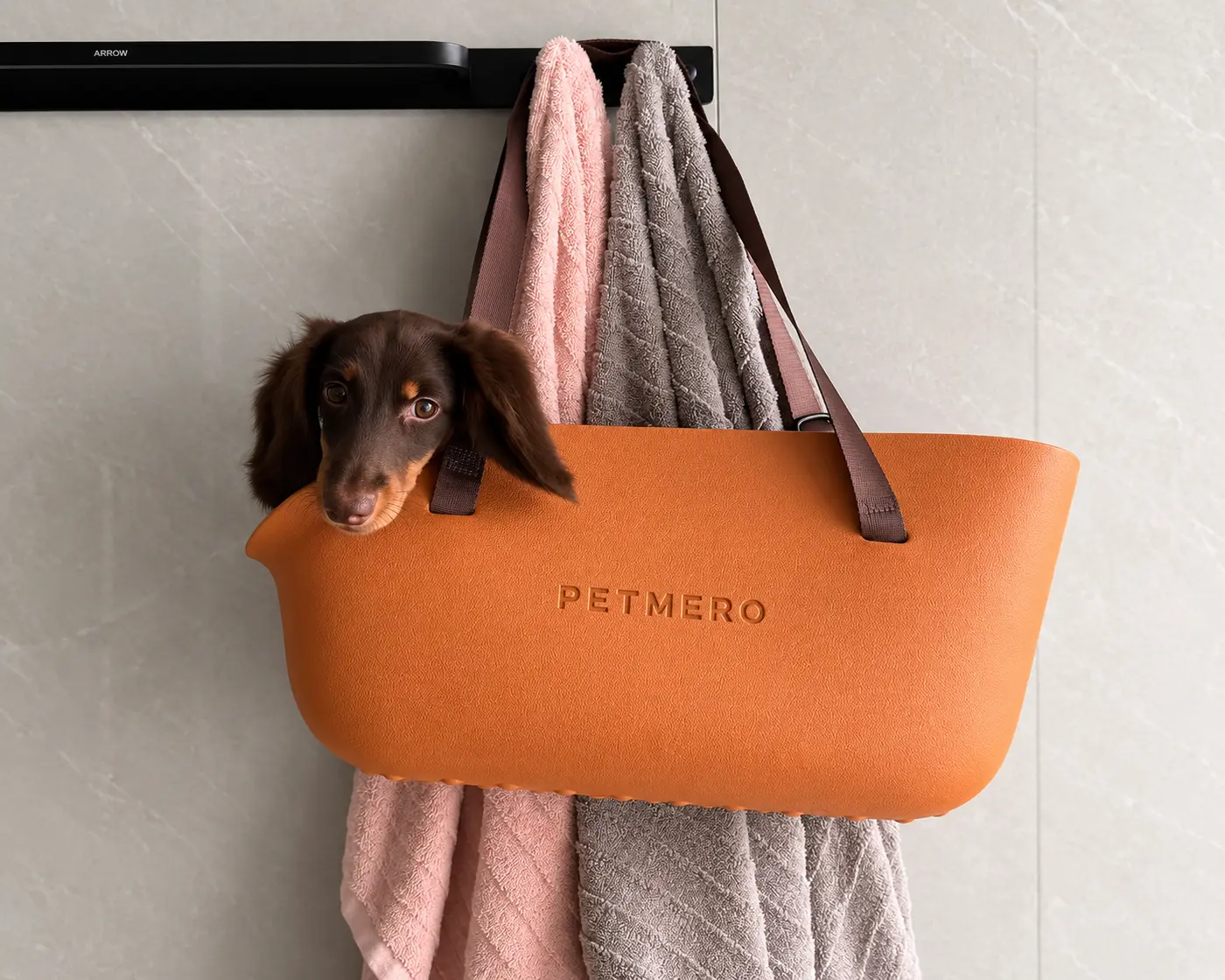
Possibly, but suitability depends on the pet’s dimensions, the compartment and intended use. The animal pictured is not a size specification.
Compare the location and construction of mesh, wire or other open panels across the finished backpack. A clear window or a single mesh panel does not by itself establish airflow or comfort.
Do not assume so. Carrying and expanded modes can have different intended uses. Confirm the permitted configuration, usable space and support for each mode on the selected model.
Yes, subject to the selected design and project feasibility. Colour and branding changes are usually simpler than changing the pet compartment, opening, base support or strap system, which may require a revised sample.
For air-travel projects, suitability must be checked for the selected backpack, pet, operating airline and itinerary. Compare the backpack's carrying configuration and outside dimensions with the airline's current rules rather than relying on a generic 'airline approved' label.
Review shoulder-strap length and adjustment, back-panel dimensions, padding or support, and any chest or waist strap included with the selected design. The complete loaded configuration matters more than the strap appearance alone.
Ask for a model-specific supported-weight claim and its test method, if available. Check the usable pet compartment, base support, shoulder-strap anchor points, zippers and buckles on the approved loaded sample. Pet weight alone does not establish carrying suitability, and a numerical load limit should not be published without supporting evidence for the exact model.
That phrase can describe two different products. The backpacks and front or shoulder carriers shown here are designed for a person to carry a pet. A dog-worn pack with side pockets or saddlebags is a separate outdoor accessory, not the same as a dog carrier backpack. Share a reference image or product brief to confirm the construction before requesting a quote.
If the brief calls for a hard-shell body, latched door, top opening or wheeled travel crate, compare the 12 references in our Pet Carriers range. For a backpack, sling or shoulder carrier, confirm usable pet space, wearer fit and load-supporting straps here. Airline acceptance must be checked for the exact model, pet, route and operating airline; neither category is automatically approved.
They place the pet and the load differently on the wearer. Compare pet support, openings, strap arrangement and the intended carrying position for each construction instead of treating them as the same fit system.
A Ref. ID, image or product link is enough to begin. Add the intended pet size range, quantity, destination, dimensions, branding or packaging requirements whenever those details are available.