Ref. R26-01
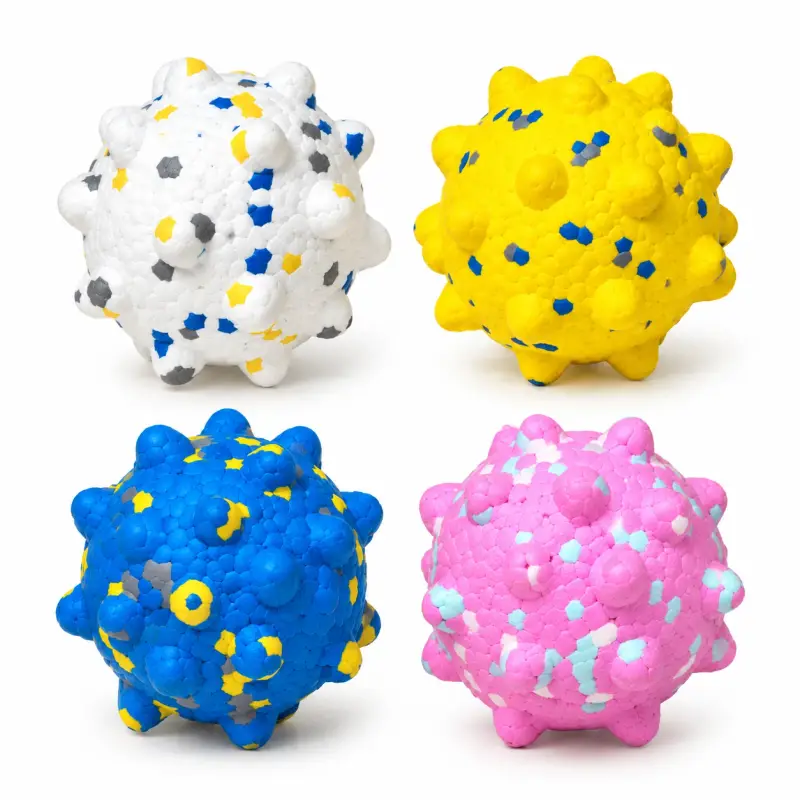
Speckled textured dog toy balls
Textured balls with a speckled finish.
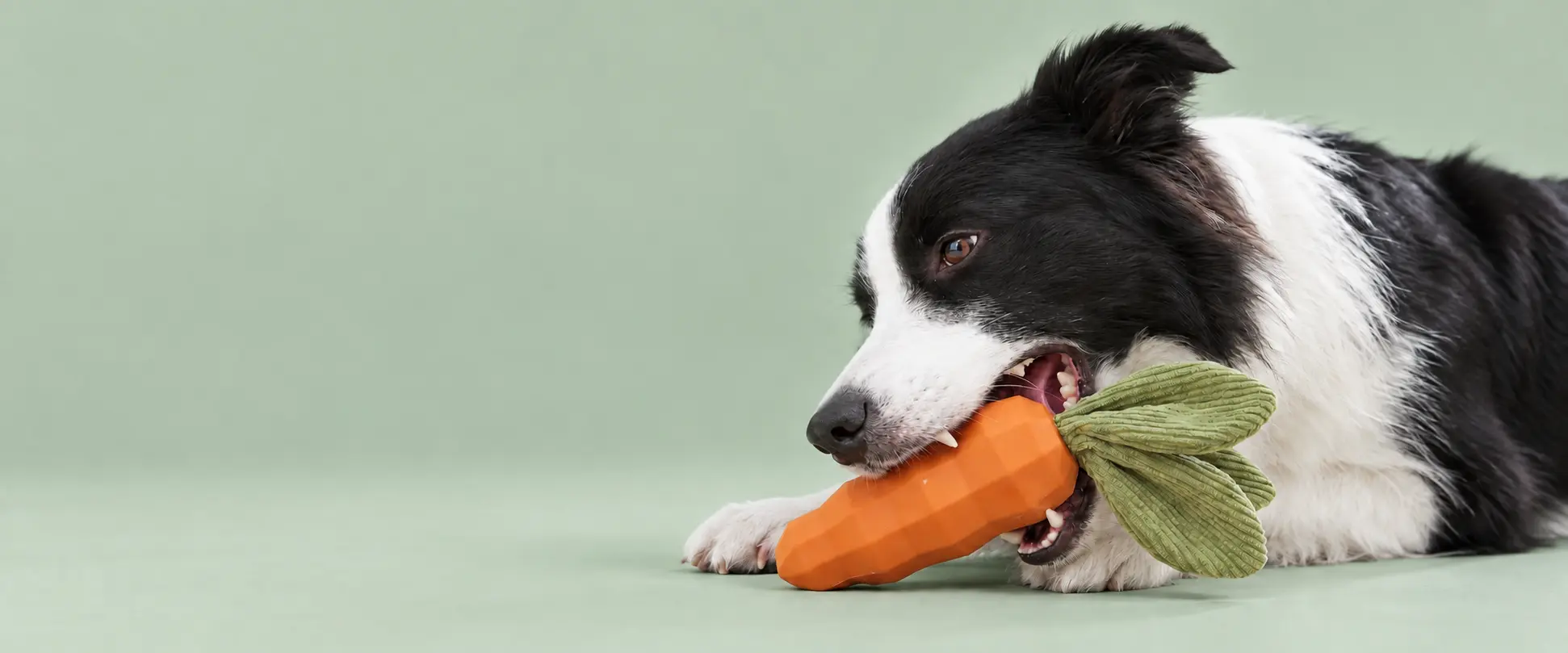
Compare textured shapes, rubber-style toys and other chew constructions by size, flexibility and intended use. Discuss the selected design for wholesale or private-label development.
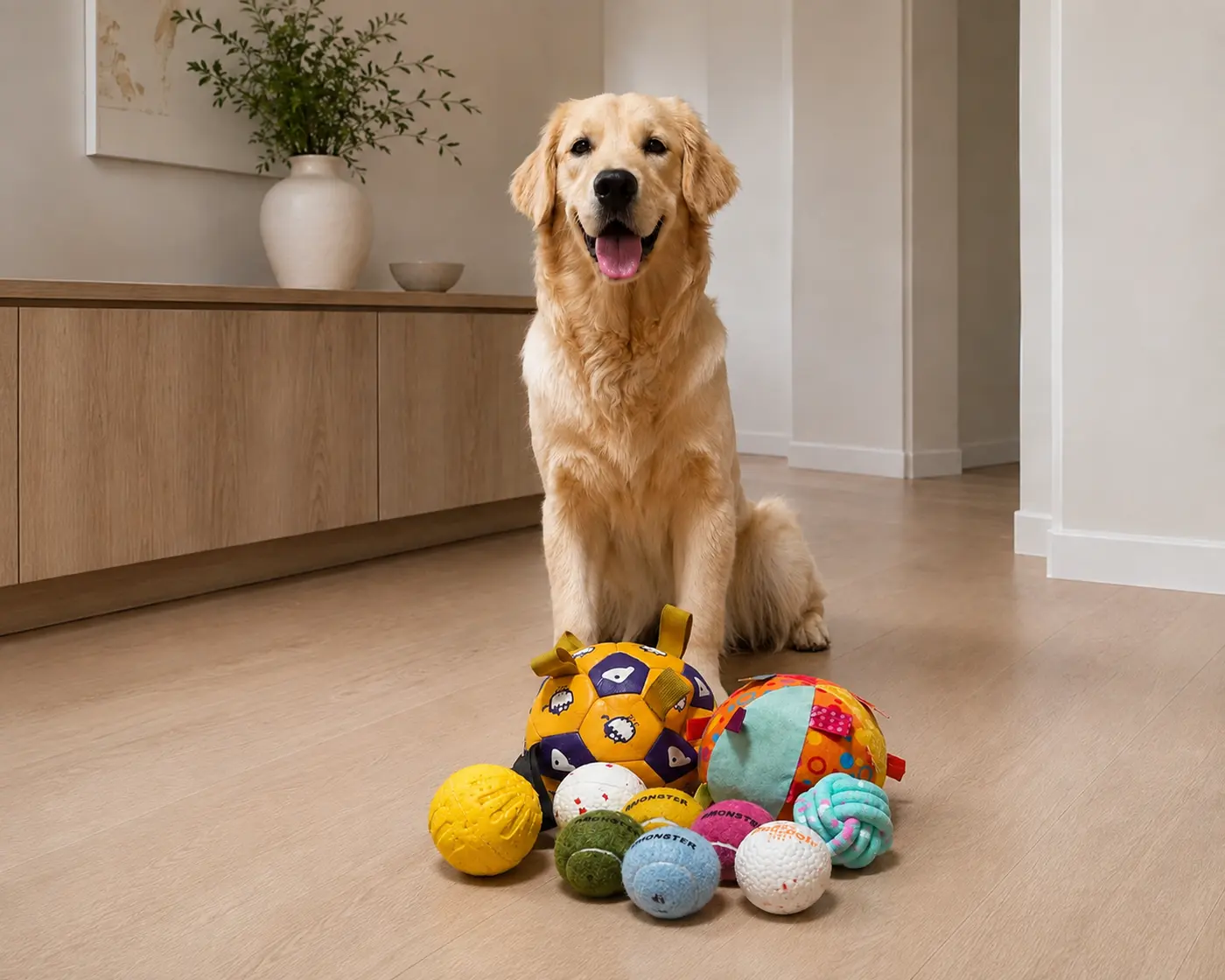
These 12 references differ in more than shape. R26-01 and R26-09 are ball styles; R26-03 and R26-05–08 show textured peanut and bone shapes; R26-11–12 are animal characters. R26-02 has rope-like details, R26-04 joins character figures to rings, and R26-10 is a mixed assortment. Compare dimensions, connections, actual materials and intended play for the selected reference. Photos do not prove chewing resistance or suitability for every dog.
Textured balls with a speckled finish.
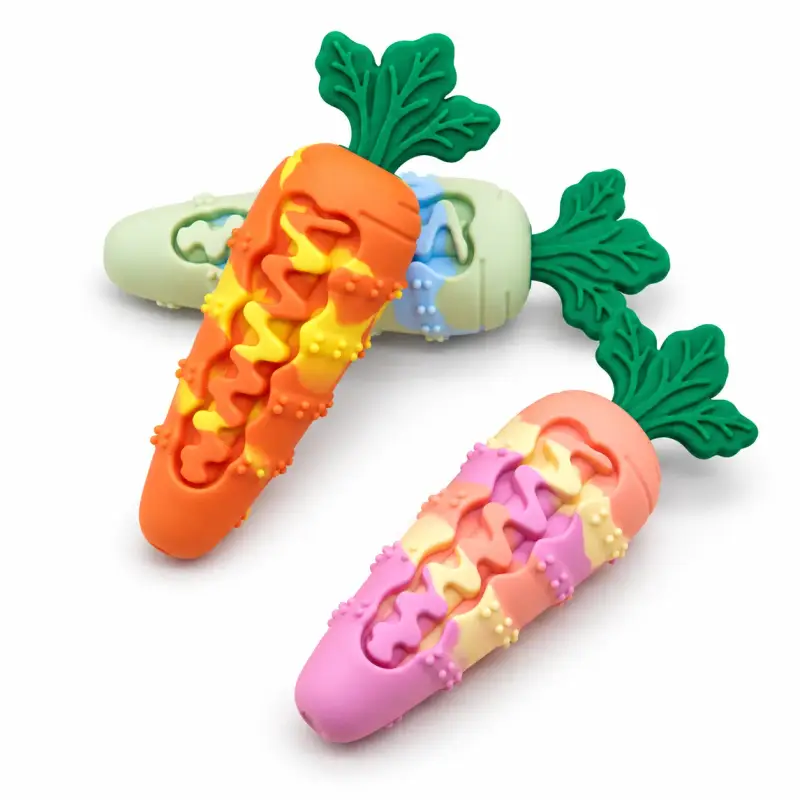
Carrot-shaped bodies with leafy tops and contrasting details.
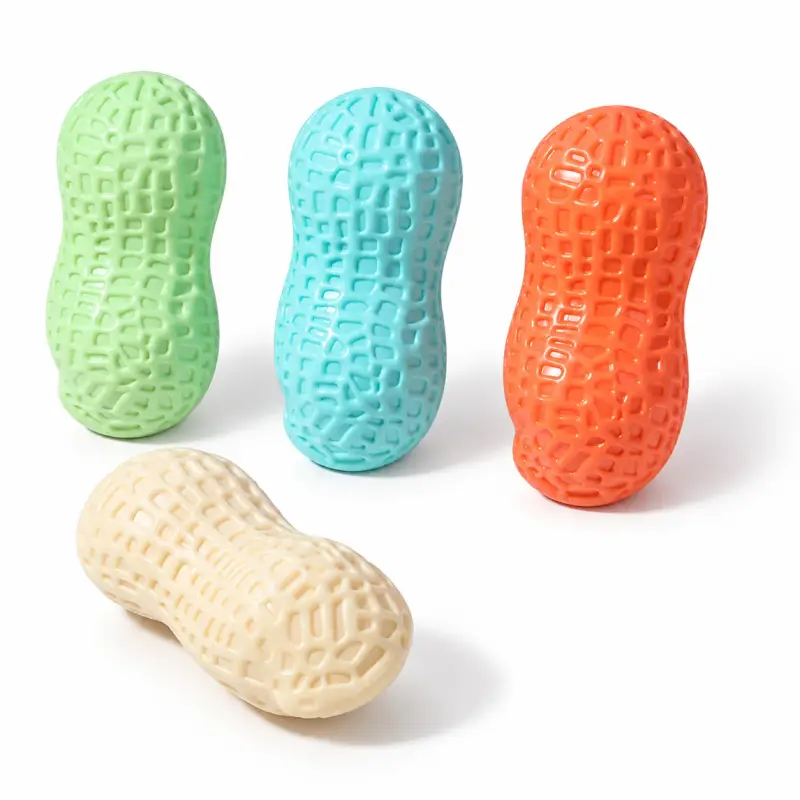
Peanut-shaped bodies with raised texture.
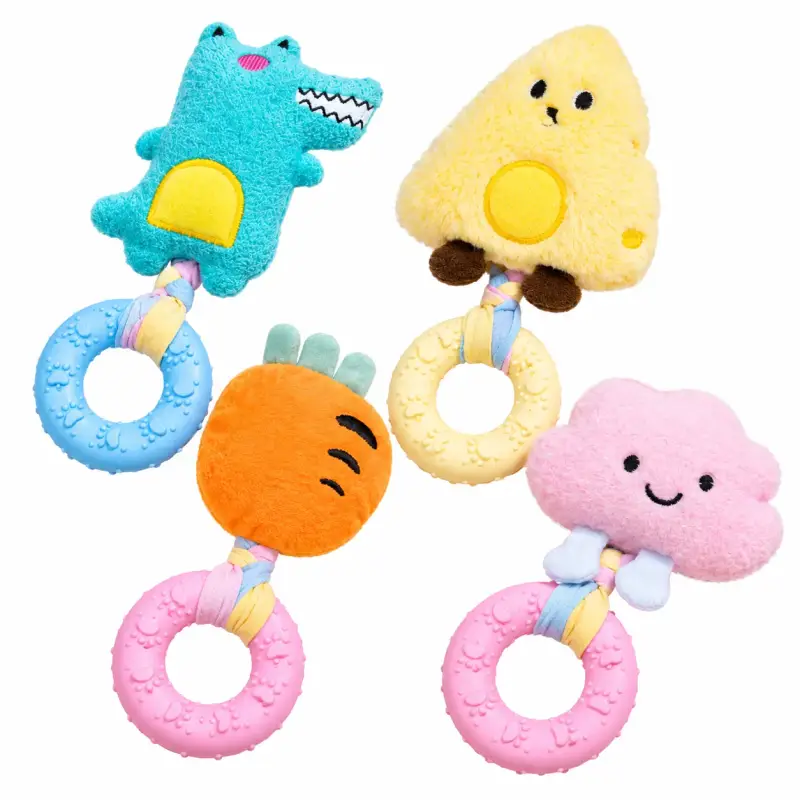
Character bodies joined to separate rings.
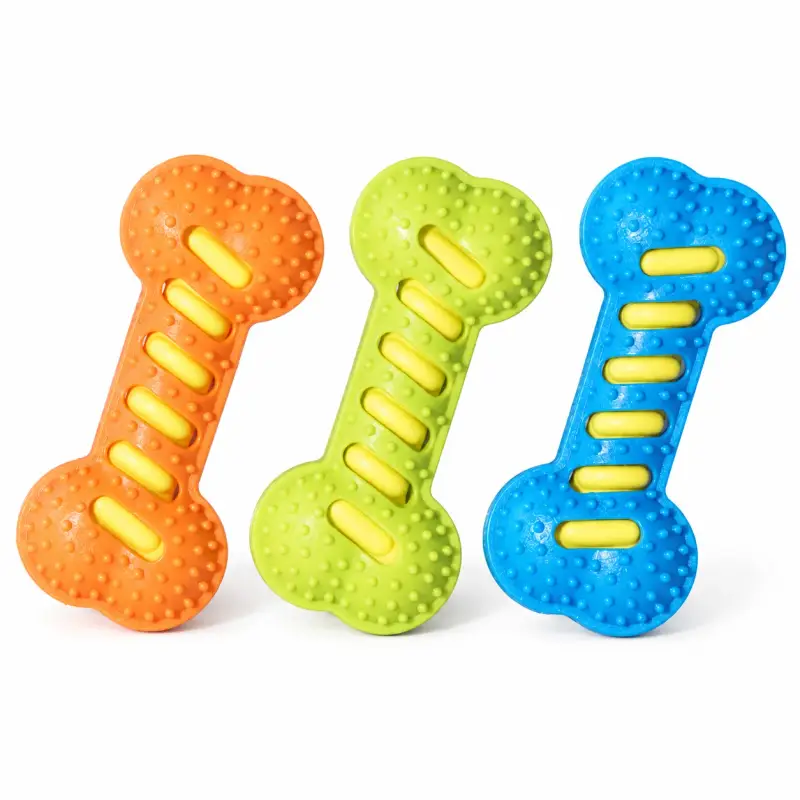
Bone shapes with contrasting cross-body details.
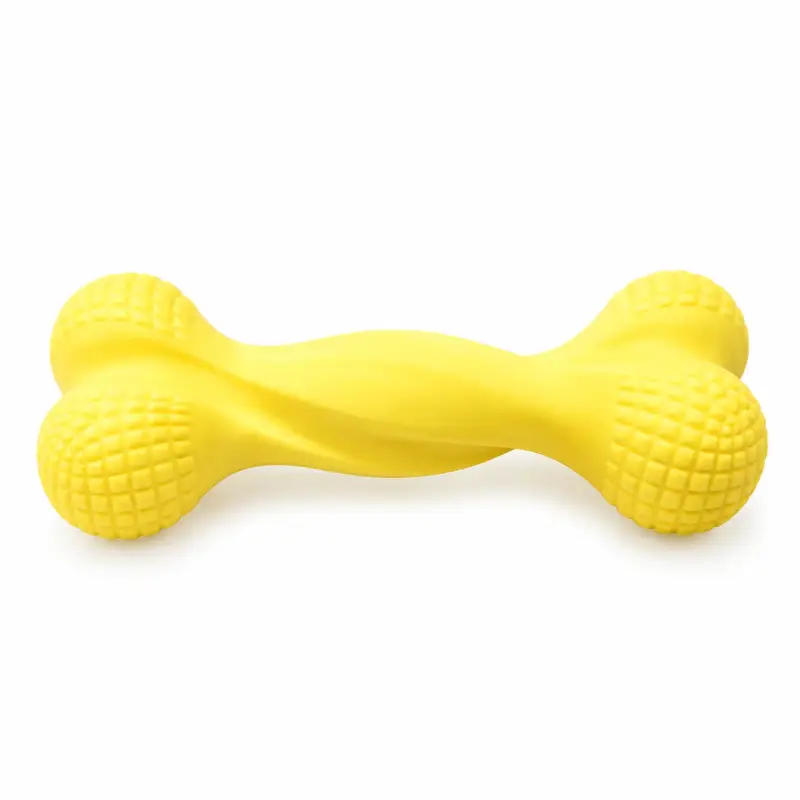
A yellow bone shape with a twisted centre.
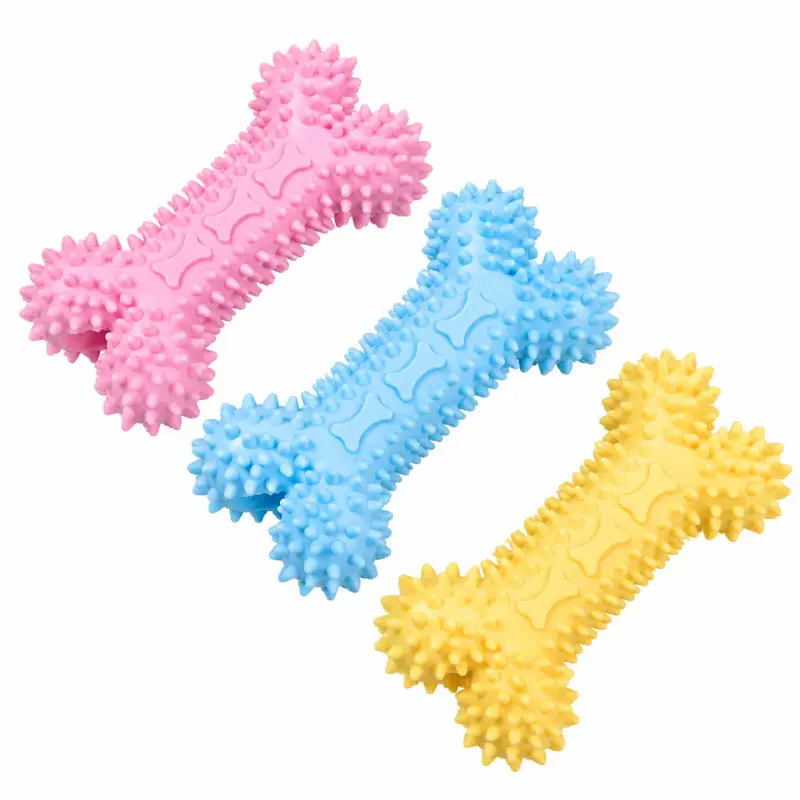
Pastel bone shapes with surface texture.
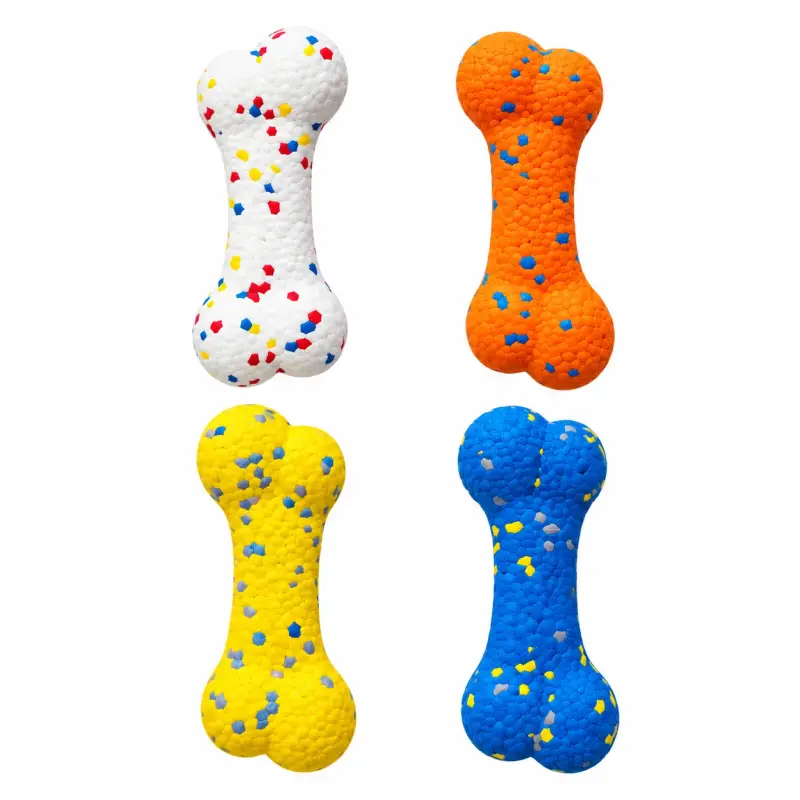
Bone-shaped toys with a speckled appearance.
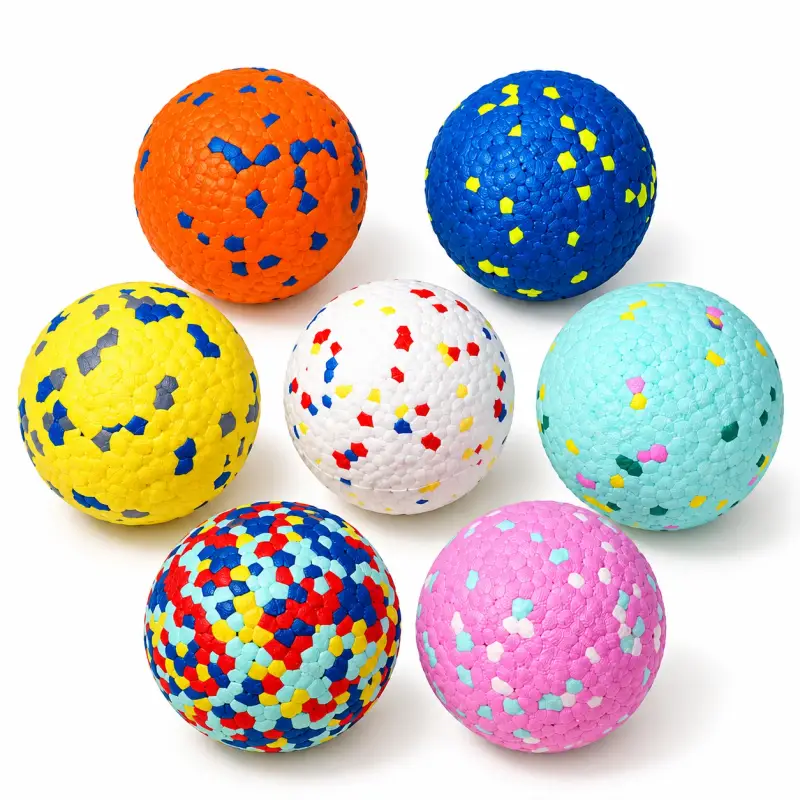
Round balls with contrasting speckles.
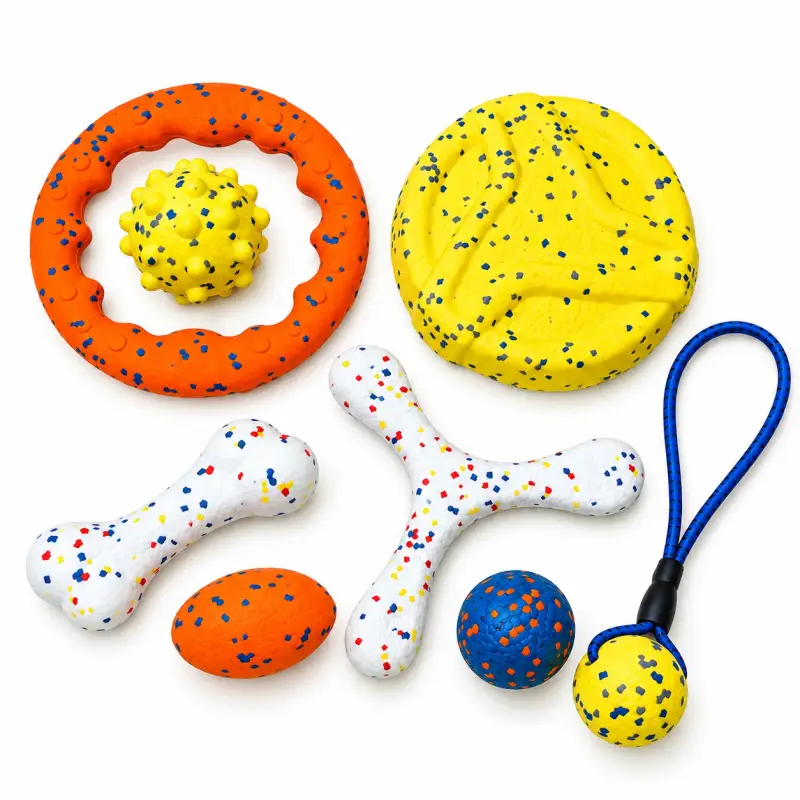
Different dog toy shapes in a coordinated finish.
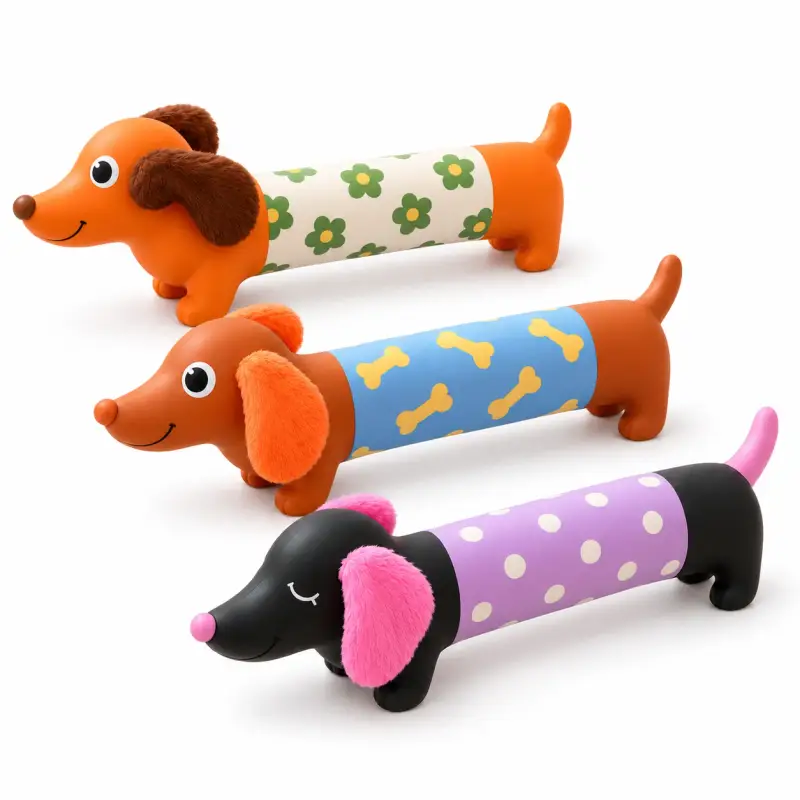
Long dog characters with patterned bodies.
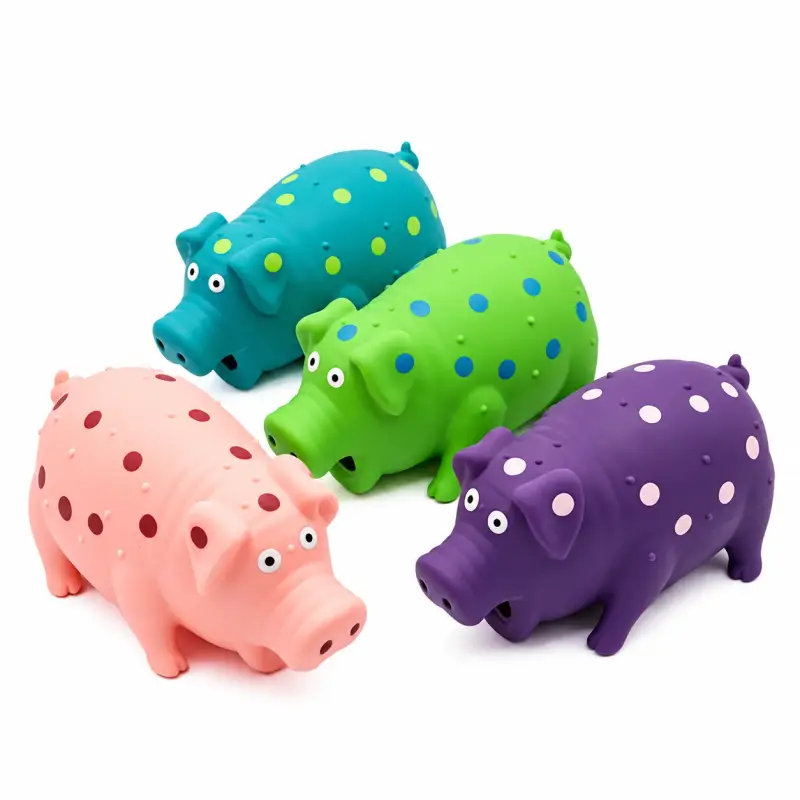
Pig-shaped characters with spotted decoration.
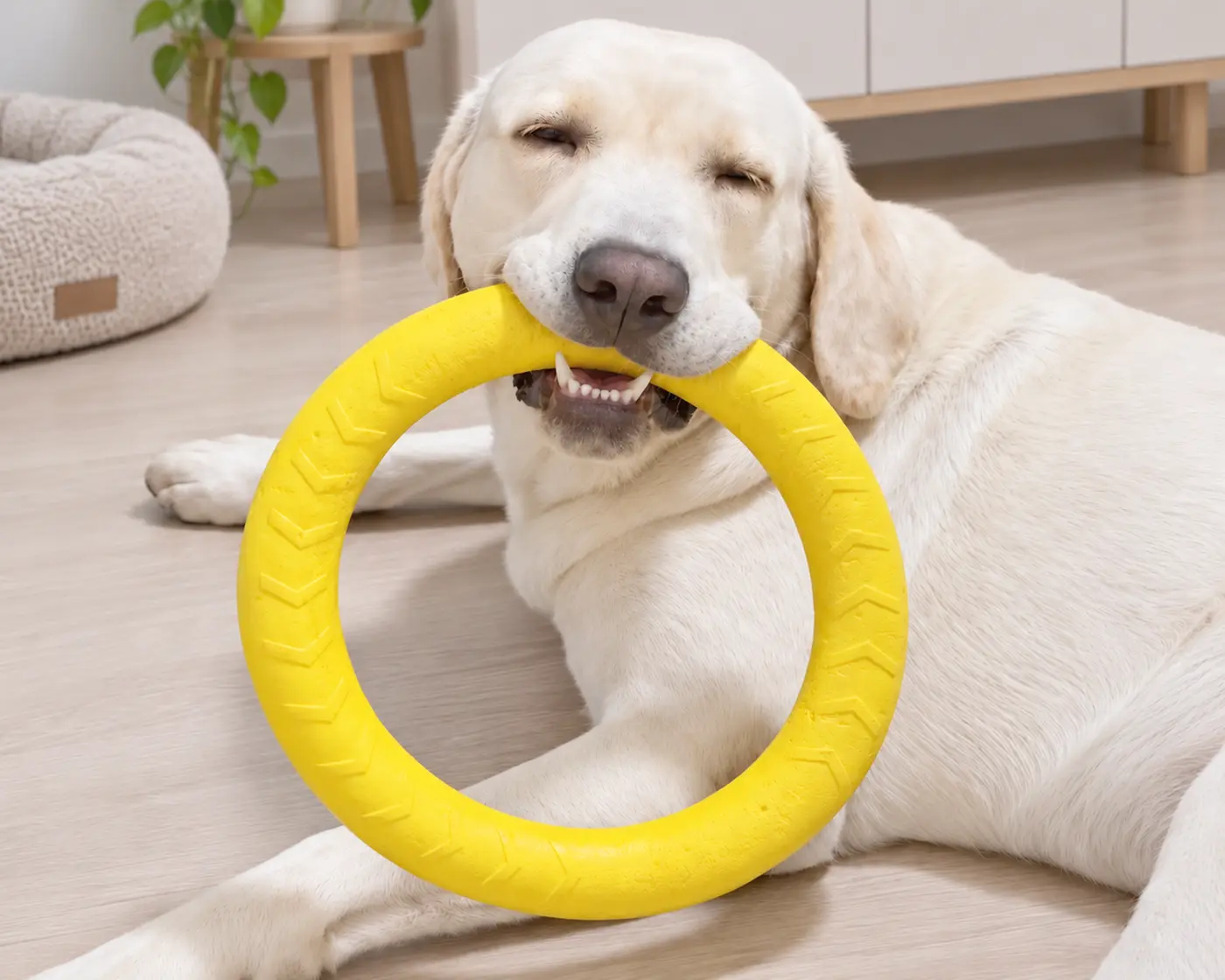
Flexibility, wall thickness and surface texture change how a toy feels. Request the actual material specification and a physical sample.
Rings, bones and raised textures offer different ways to grip a toy. Compare overall dimensions and narrow sections, not only the longest measurement.
R26-02 has rope-like details, while R26-04 combines character bodies with rings. Confirm how parts are joined, the actual materials and intended play. The gallery photos do not confirm a food-fillable opening.
Two chew toys can look alike and feel very different. Use these four details to narrow your shortlist and describe the version you want.
A rubber-like appearance does not identify the material. Ask which material and formulation are available for the selected design; different formulations can give different results.
Useful starting point: a material requirement, or a sample with the feel you want to match.
Should the toy bend, compress or hold its shape? Compare finished samples of similar size and construction. “Soft” and “tough” mean different things without a reference.
For the specification: record the agreed sample; if a hardness value is used, include its scale and measurement method.
Give the overall dimensions plus the body width, ring opening or ball diameter. Describe the intended dog size and play style rather than relying on an S, M or L label.
For a size range: review each version. Increasing the length alone does not define the whole toy.
A solid body, a hollow shape and a toy joined to rope have different details to approve. For hollow designs, specify wall thickness and openings; for combinations, review each connection.
If food is involved: check how it is loaded, released and cleaned out of the finished toy.
Send the reference you like and explain the feel and use you have in mind. The first discussion can start there; you do not need to choose a material grade before contacting us.
Start with a reference design or share your own idea for custom chew dog toys. Make the changes clear so the quotation separates the toy price from any development work.
| Your change | What to send | What to confirm |
|---|---|---|
| Colour & finish | Keep the selected shape and discuss a colour reference, surface texture and finish. | Confirm material availability, colour matching and minimum quantity. A new texture may also affect the mould. |
| Logo & packaging | Show the logo position and whether you want printing, a moulded mark or branded packaging. | Check the usable area, marking method, artwork and any setup or mould modification cost. |
| Size, shape & openings | Mark the dimensions, wall thickness, cavities and openings you want to change. | Ask whether the existing mould can be used or new tooling is required. Agree development costs and sample stages before work starts. |
Agree the mould cost, sample revisions, ownership, storage and repeat-order arrangements. Keep one-time charges separate from the unit price, and confirm what happens if the design changes after approval.
Explore the customization processUse the selected sample to bring size, feel and construction into one approval. A change to the material or wall thickness can change more than the appearance.
Measure the toy and openings. Compare firmness, flexibility, weight and surface finish with the agreed reference. Record acceptable variation for the measurements that matter to your order.
Review seams, moulding edges, cavities and any rope or fabric connection. Agree the checks needed for the intended use. A visual inspection alone does not prove durability or other performance claims.
Check the logo, pack contents and instructions together. Include intended use, cleaning, supervision and when to replace a worn or damaged toy. Confirm any market or retailer requirements before printing.
Save the approved toy reference, material specification, dimensions, colour, components and packaging together. Mark sample revisions in one record. Confirm any material or construction change before a repeat production run.
A reference, photo or question is enough to begin. The details below are optional for a first conversation; add them when you need a specific quotation.
Check the material, dimensions, construction, branding and pack listed in each quote. Ask for the minimum quantity and unit price per version, plus sample, setup and mould charges. Confirm whether freight is included and which delivery terms apply.
Separate material and design review, sample revisions, production and shipping. For a new mould, include the tooling stage. Agree the final specification, payment terms, inspection arrangements and delivery schedule before placing the order.
The minimum depends on the design, material, colour, branding and pack. Send the quantity you want for each version, even if it is only an estimate. Ask for the minimum and unit price for that version; combining several designs does not automatically meet every design’s minimum.
TPR means thermoplastic rubber. Natural rubber and TPR describe different material families, but neither name alone tells you the finished toy’s firmness or durability. Ask for the specified material and compare finished samples of the size and construction you plan to order. Material availability needs confirmation for each design.
Describe the intended age group, dog size and chewing behaviour. A puppy range and a range for strong chewers need separate product reviews; simply making a toy softer or harder is not enough. Agree the intended use, sample checks and supported wording before approving the retail pack.
Do not treat any reference image or material name as proof that a toy cannot be damaged. Durability depends on the finished construction and how it is used. For a durability claim, agree the test conditions and evidence for the selected version, together with supervision, inspection and replacement instructions.
Not always. Printed branding or a branded pack may leave the toy’s shape unchanged. A raised or recessed logo can require a mould modification or insert. Send the logo and position so the method, setup cost and sample requirements can be reviewed for that design.
Only if the selected model has a suitable opening and internal shape. None of the 12 reference photos establishes that a food-fillable opening is present. If you need this feature, confirm the food size, loading, release and cleaning on a sample. For a toy primarily designed around treat dispensing, explore Interactive Dog Toys.
Explore Interactive Dog ToysCheck connections and seams in the finished sample, including any rope, handles or attached components. Agree the intended play use, material specification, sample acceptance criteria and inspection points before bulk production; no component should be described as impossible to detach.
Agree the sample specification, cost and timing first. Review the finished size, feel, openings, connections and branding, then record any revisions. For a mixed order, approve each distinct construction and size as needed; one sample does not represent every version.
For testing, send the destination market and retailer requirements; agree the scope, documents, cost and timing for the selected material and finished toy. For repeats, identify the approved sample and specification, and confirm changes to the material formulation, colour, mould, components or pack before production.