Ref. R25-01
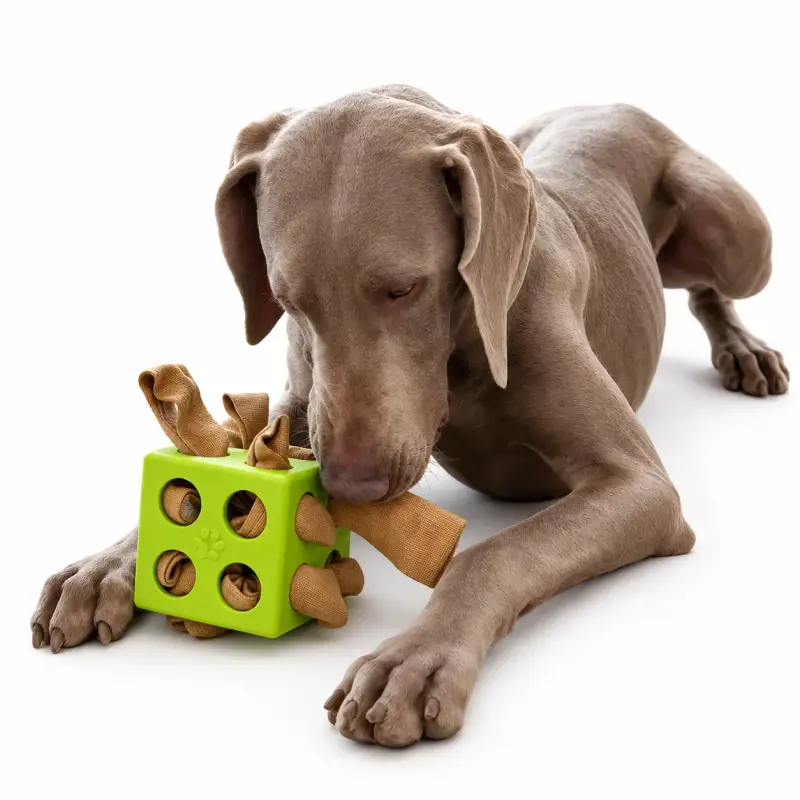
Green cube dog treat toy
A cube-shaped treat toy with visible openings.
Explore non-electric dog activity toys, from food puzzles and rolling feeders to fabric-filled balls. Not every reference uses food in the same way. Compare the actual play action, component attachments, dimensions and cleaning method for the selected sample.
The 12 references show different types of activity: R25-03 is a carrot-patch mat, R25-04 and R25-12 use fabric strips with ball-shaped structures, and R25-06, R25-07 and R25-09 show different feeder formats. The other styles vary in shape and access details. Choose a Ref. ID and confirm the actual mechanism, dimensions, attachments and care; do not assume every design dispenses treats.
A cube-shaped treat toy with visible openings.
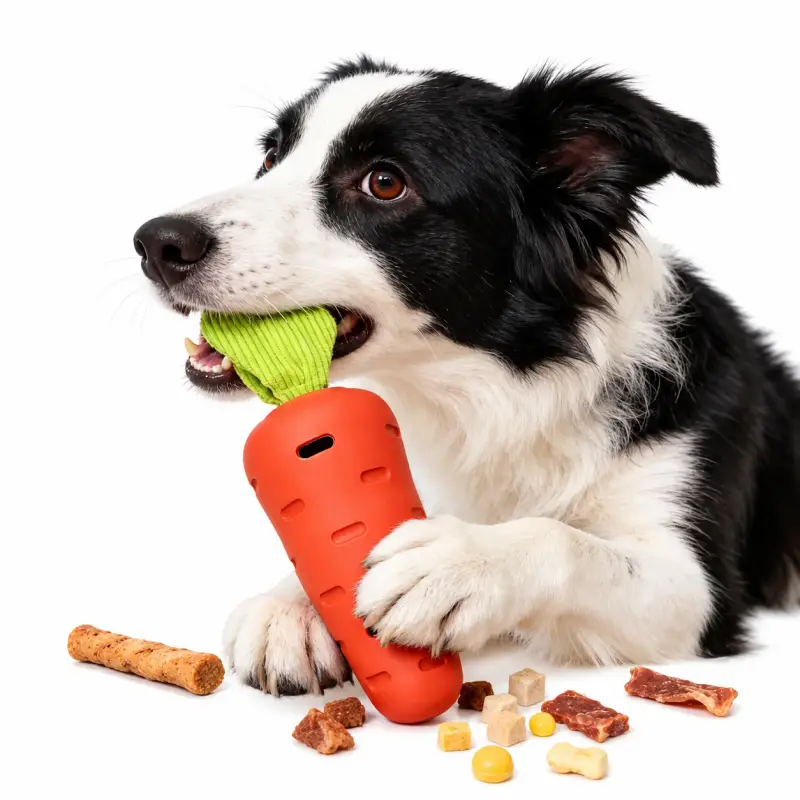
A long carrot-shaped dog activity toy.
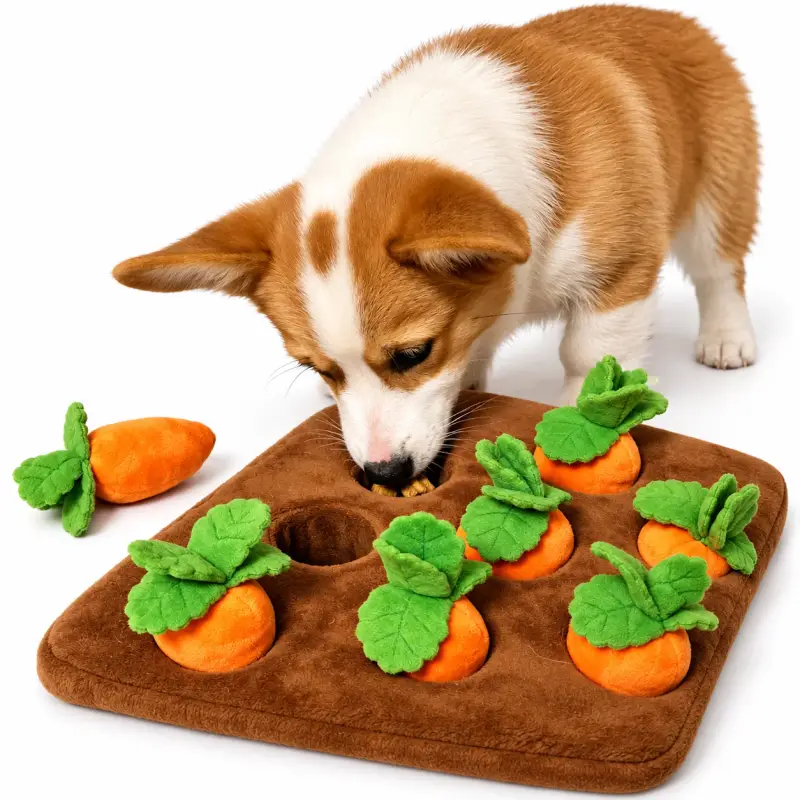
A carrot-patch mat with several raised pieces.
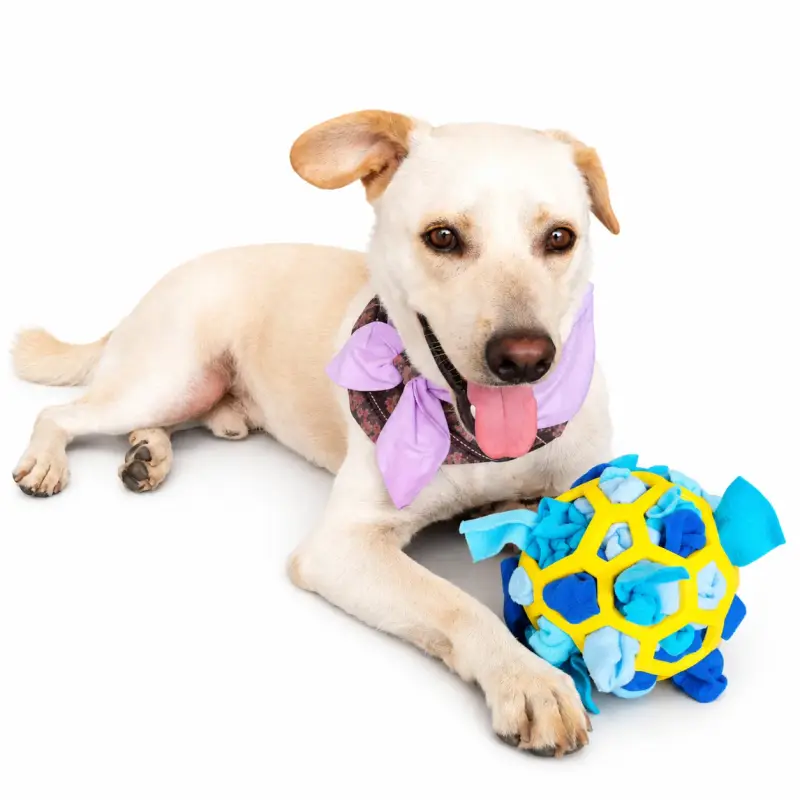
Yellow open-lattice ball with blue fabric strips; compare the structure and attachment.
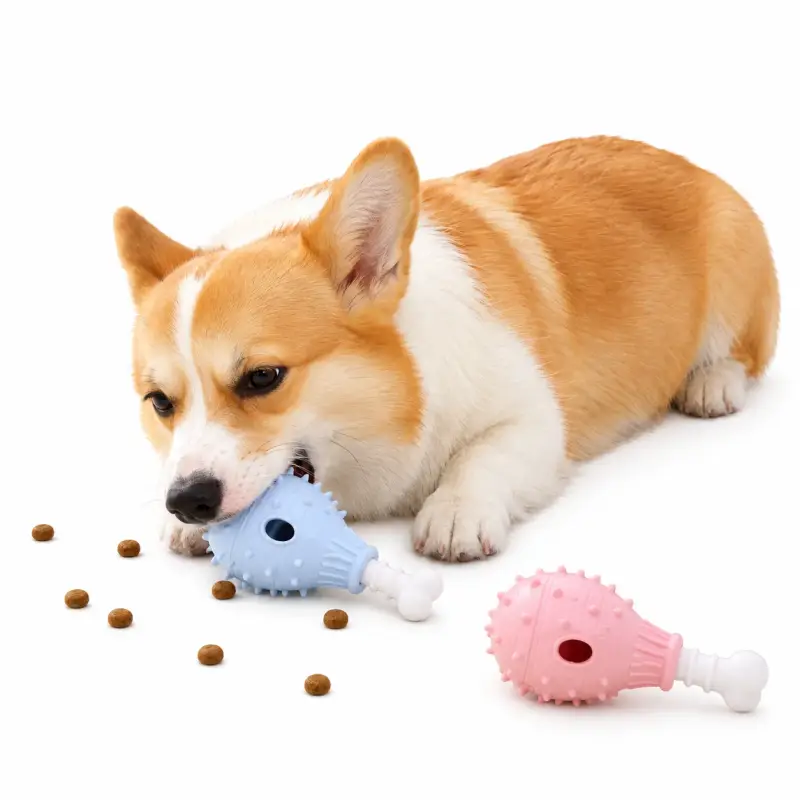
Pastel treat-toy shapes to compare as a range.
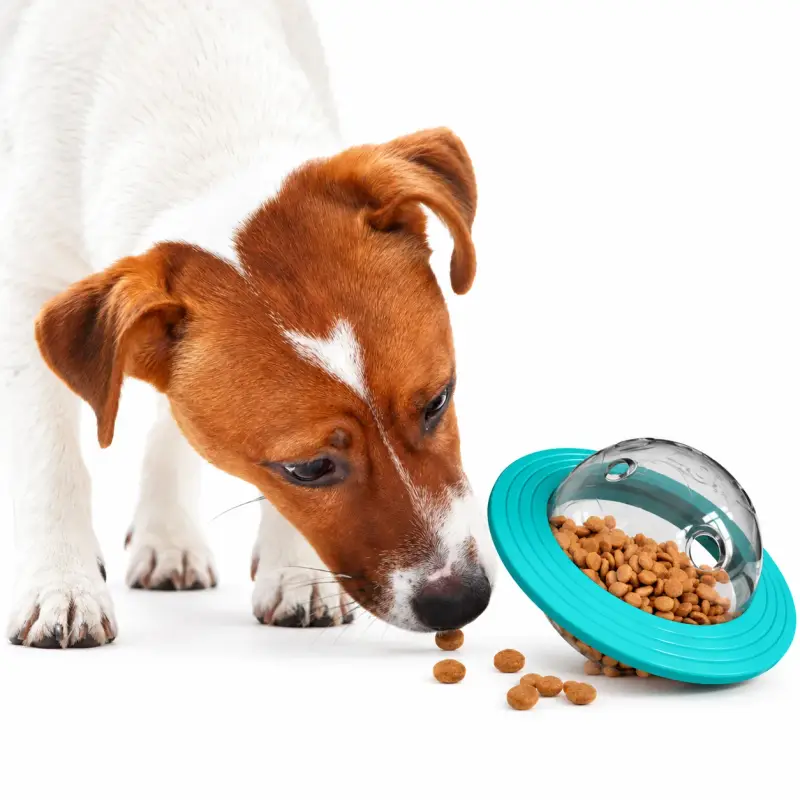
A rolling feeder with a clear centre section.
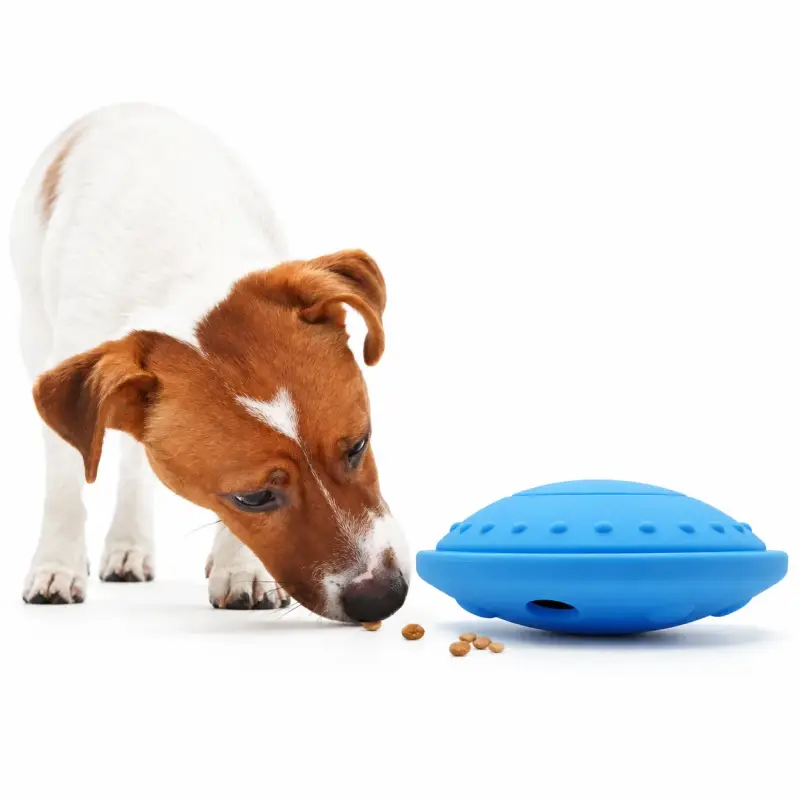
A low, disc-shaped dog feeding reference.
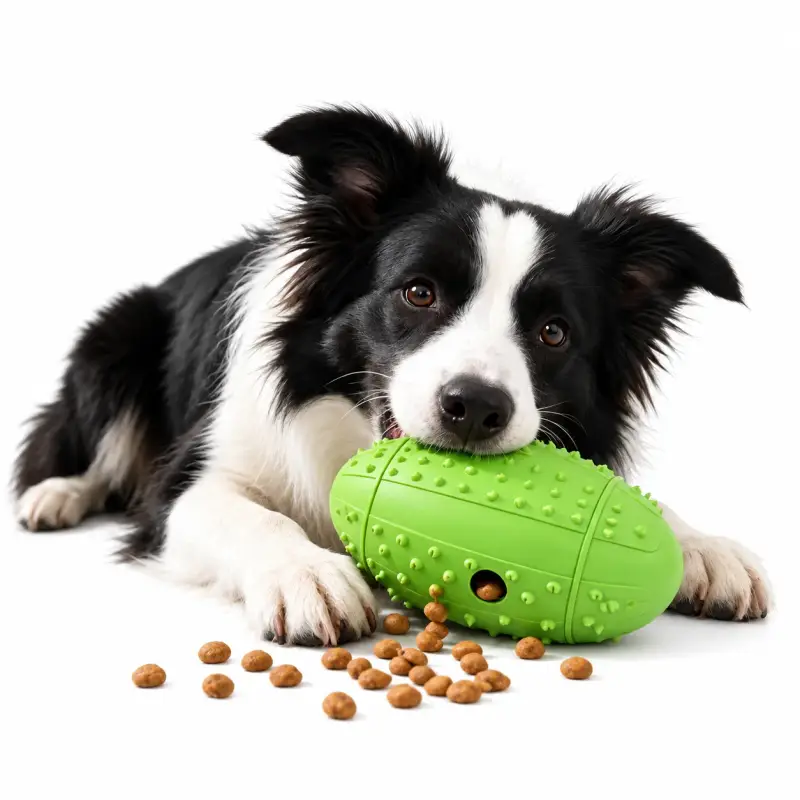
A green treat toy with an irregular textured shape.
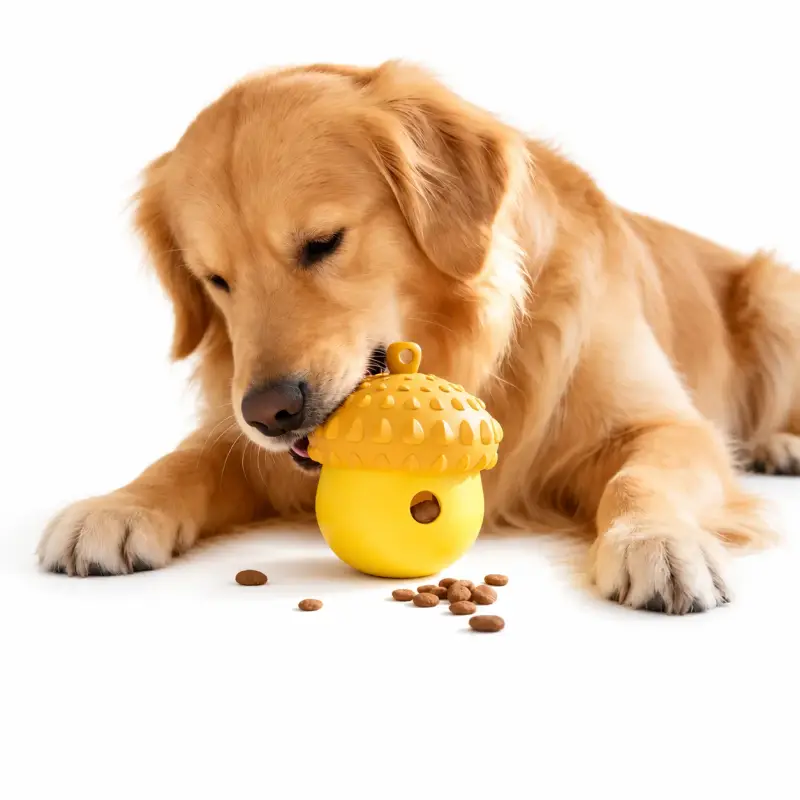
An acorn-shaped feeder with a contrasting top.
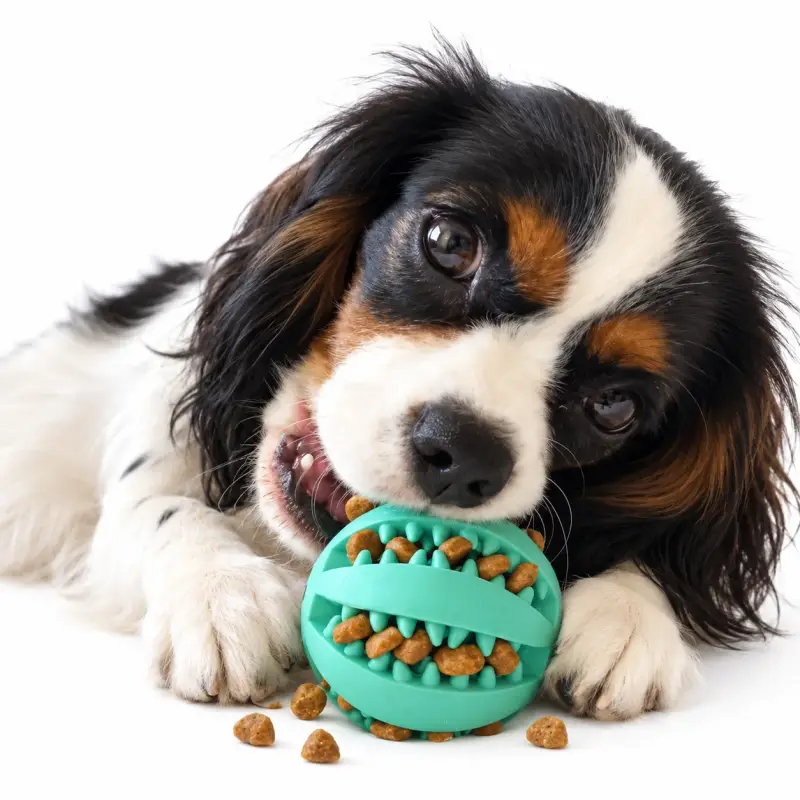
A green dog treat ball with raised ridges.
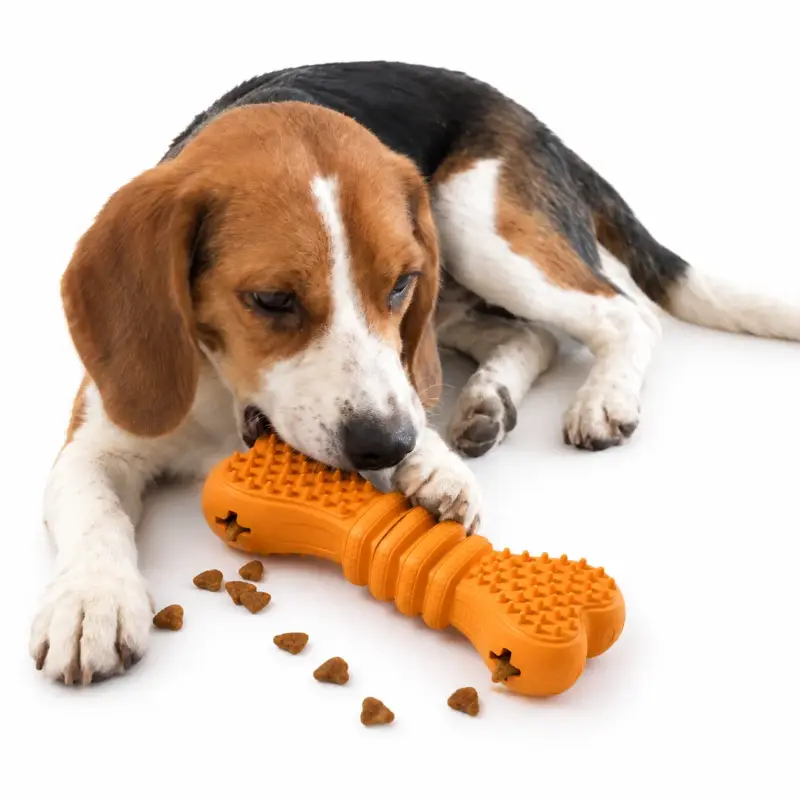
A bone-shaped activity toy with contrasting ends.
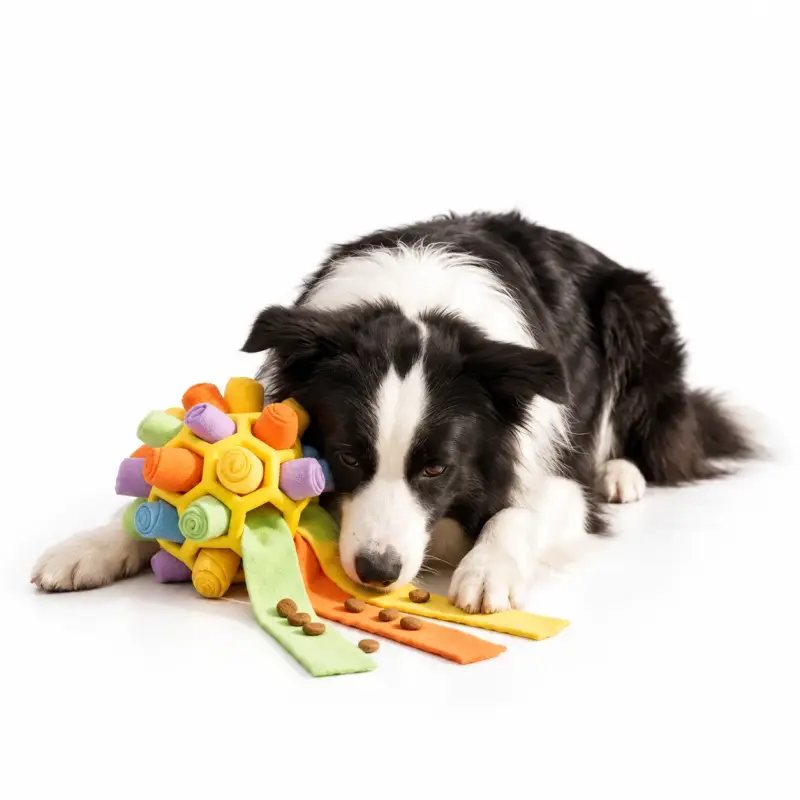
A colourful ball paired with fabric strips.
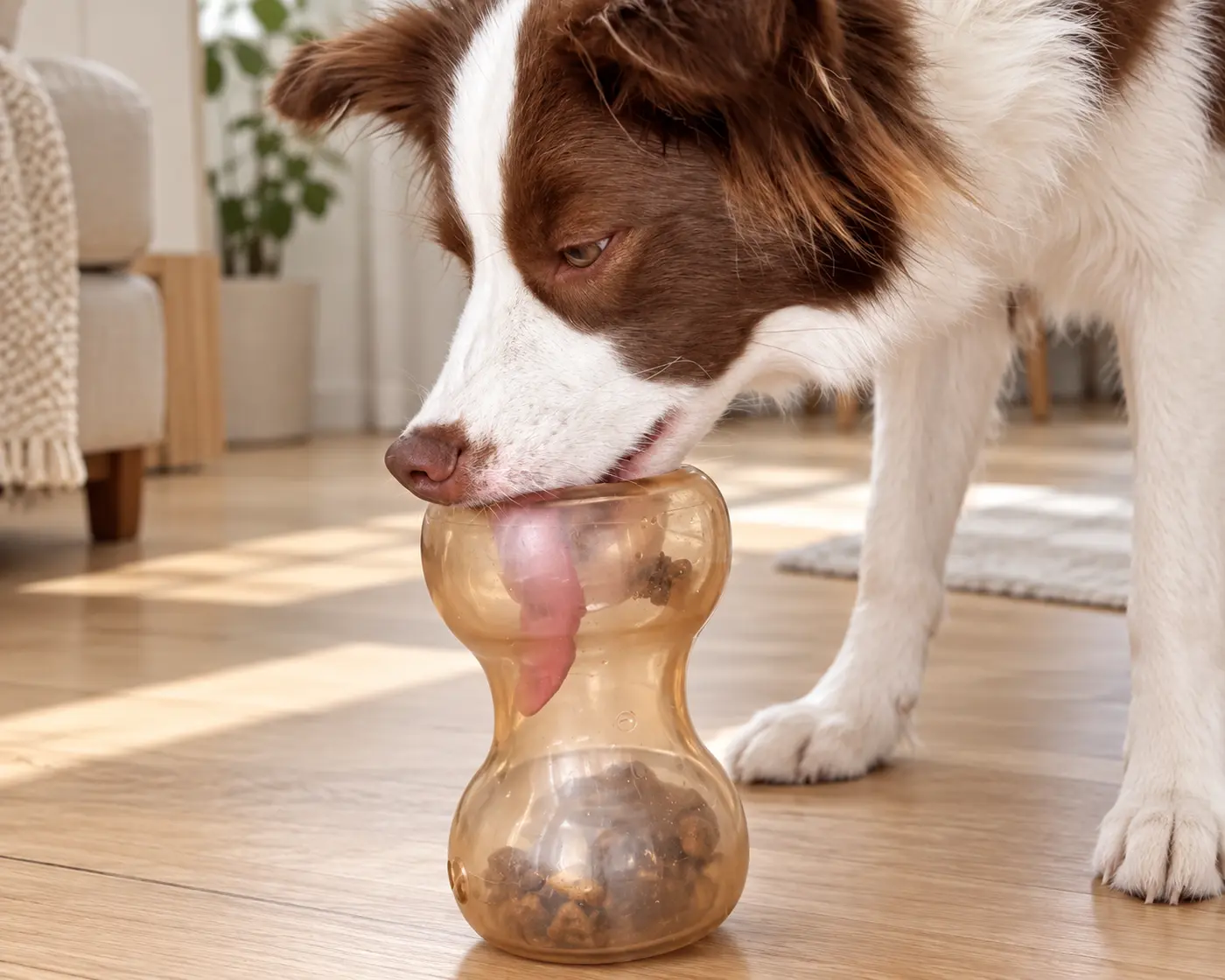
R25-03 shows a carrot-patch mat with multiple soft pieces. Confirm how those pieces are secured or removed, whether treats are hidden below them and how the complete mat is cleaned.
R25-06 and R25-09 illustrate rolling-feeder formats, while R25-07 is a flatter disc design. Confirm the selected model’s food openings, actual movement, treat fit and cleaning access on a sample.
R25-04 has blue fabric strips within a yellow lattice ball; R25-12 shows a different ball-and-strip assembly. Check how the strips attach, whether treats are intended to be hidden and how each toy is cleaned.
For food-based models, the reward size and texture affect loading, access, release and cleaning. Confirm these details for the selected design. For other activity toys, establish the play function without assuming an opening or food-dispensing feature.
| Toy type | Food and access | Try on the sample |
|---|---|---|
| Treat-dispensing toys | Give the size and shape of the dry food you want to use. Compare that with the outlet and internal path. | Try more than one piece. Check whether food releases as intended, jams inside or falls out without the intended action. |
| Dog puzzle toys | Specify the food format and compartment dimensions. Mark covers that slide, lift or turn, and identify any removable pieces. | Check that the reward can be reached after the correct move, and that covers can be reset without trapping food. |
| Snuffle & fabric search toys | Describe the pockets, folds or removable inserts that hide the reward. Confirm which food formats suit the fabric and care method. | Check the seams and attachments, then remove crumbs from the deepest areas. Review drying as well as washing. |
A toy shown with food does not mean food is included. Confirm the toy, accessories and exact contents of each retail pack.
A useful range can offer different ways to discover a reward. Compare what the dog must do, how the owner sets it up and how the challenge can change.
Describe the actions behind a difficulty label. More pieces or a larger toy do not, by themselves, explain the challenge.
For an introductory design, ask whether one cover, one opening or an exposed fabric pocket can be used first. The instructions should show how the owner introduces that action.
For a more involved puzzle, describe the order of moves needed to reach the reward. Check that the parts move as intended and that the owner can reset the complete sequence.
Identify the actual adjustment—an opening, cover position or additional hiding place. Check each setting. Do not label a design adjustable unless that feature is present.
Check the actual routine for the selected sample. Record the moving or fabric parts, intended interaction, cleaning method and, only where relevant, the food format and size.
Identify what the dog moves, searches or holds. If food is intended, confirm the loading point, treat size and access. For fabric-based designs, inspect each strip and attachment first.
Try the intended movement on the intended surface. Check the base, rolling action, covers and attached parts as a complete assembly.
For movable designs, restore parts to their starting positions. For other styles, check joins, separate pieces and pack contents; confirm what can be replaced, if applicable.
Confirm how the selected assembly is cleaned and dried. For food-contact designs, verify access to the food-contact areas; check reassembly and movement after cleaning.
Record dimensions, materials, food used, moving parts, settings and revisions. Agree any market or retailer testing separately. Appearance alone does not support claims such as chew-resistant or suitable for every dog.
A new colour scheme and a new puzzle mechanism are different projects. Separate the changes so the sample work, cost and instructions match your design.
Start with an interactive dog toy reference, photo or question. Quantity, delivery country and the details below can follow when you need a quotation.
Send the references you like, or describe an activity you have not found here. More designs and custom options can be discussed.
Confirm the version, included parts and pack contents, minimum quantity and unit price. Separate sample, setup and tooling charges from production costs. Agree the approved sample, inspection arrangements, payment and delivery terms, and allow separately for development, production and shipping.
This collection focuses on non-electric puzzles, treat dispensers and fabric search toys. The dog moves a part, rolls the toy or searches for a hidden reward. A product photo alone does not confirm every feature, so identify the reference and the activity you want in your inquiry.
They can overlap. A puzzle describes the action needed to reach a reward; a treat dispenser describes how food is released. For buying purposes, specify the action, food format and cleaning access instead of choosing by the name alone.
Compare the complete toy dimensions, base or grip area, compartment access and any detachable pieces with the intended dog size. Food size is a separate measurement. Ask for dimensions and review the assembled sample; an S, M or L label alone is not enough to compare designs.
Yes, you can discuss a mixed selection. Describe the first action and any sequence needed to reach the reward. List quantities separately for each design, and confirm the minimum for each version. Use difficulty descriptions that match the actual mechanism rather than assuming levels are identical across designs.
Check the food format intended for each selected design, including treat size, texture and how it is loaded and released. Review the finished sample for access, emptying and cleaning before approving product instructions or compatibility claims.
Do not assume a puzzle or fabric search toy is suitable for unsupervised chewing. Discuss the intended use and review the parts and instructions for the selected design. A chewing-focused range needs a separate assessment; compare Chew Dog Toys if that is the main activity you want to offer.
Compare Chew Dog ToysLogo placement, colours, packaging and illustrated instructions can be reviewed for a selected design. A different opening, moving part or play sequence can require new development or tooling. Send a sketch or reference showing the change; finished engineering drawings are not needed to begin the discussion.
The design, material, parts, colour versions, branding and packaging all affect the quotation. Ask for the minimum and unit price per version, and separate sample, setup and tooling charges. For a new mechanism, agree which sample stages and revisions are included before work starts.