Ref. R28-01
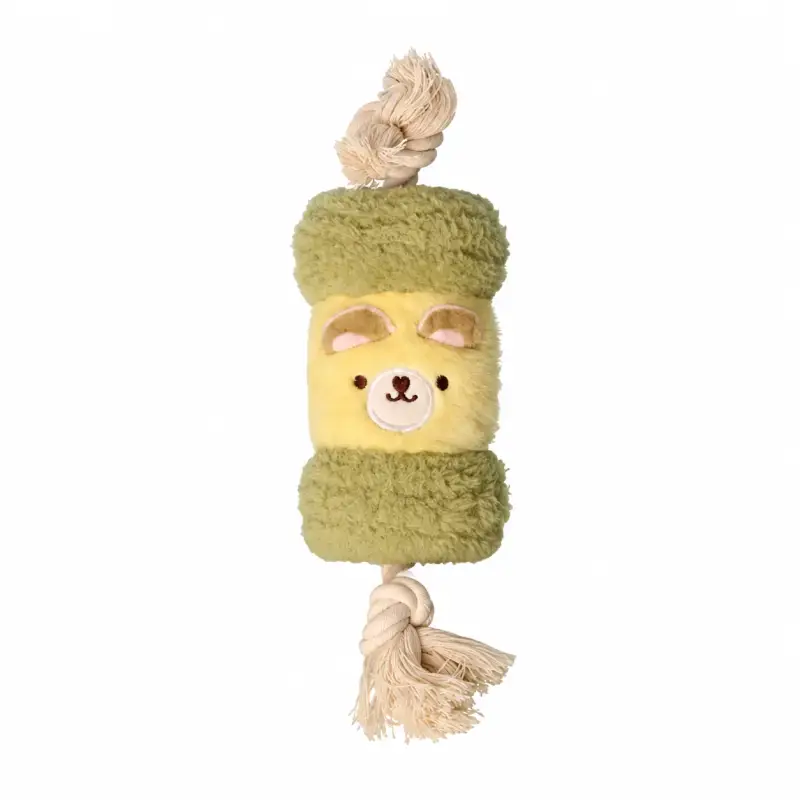
Green plush rope toy with bear-face panel
A plush bear-face body with knotted rope ends.
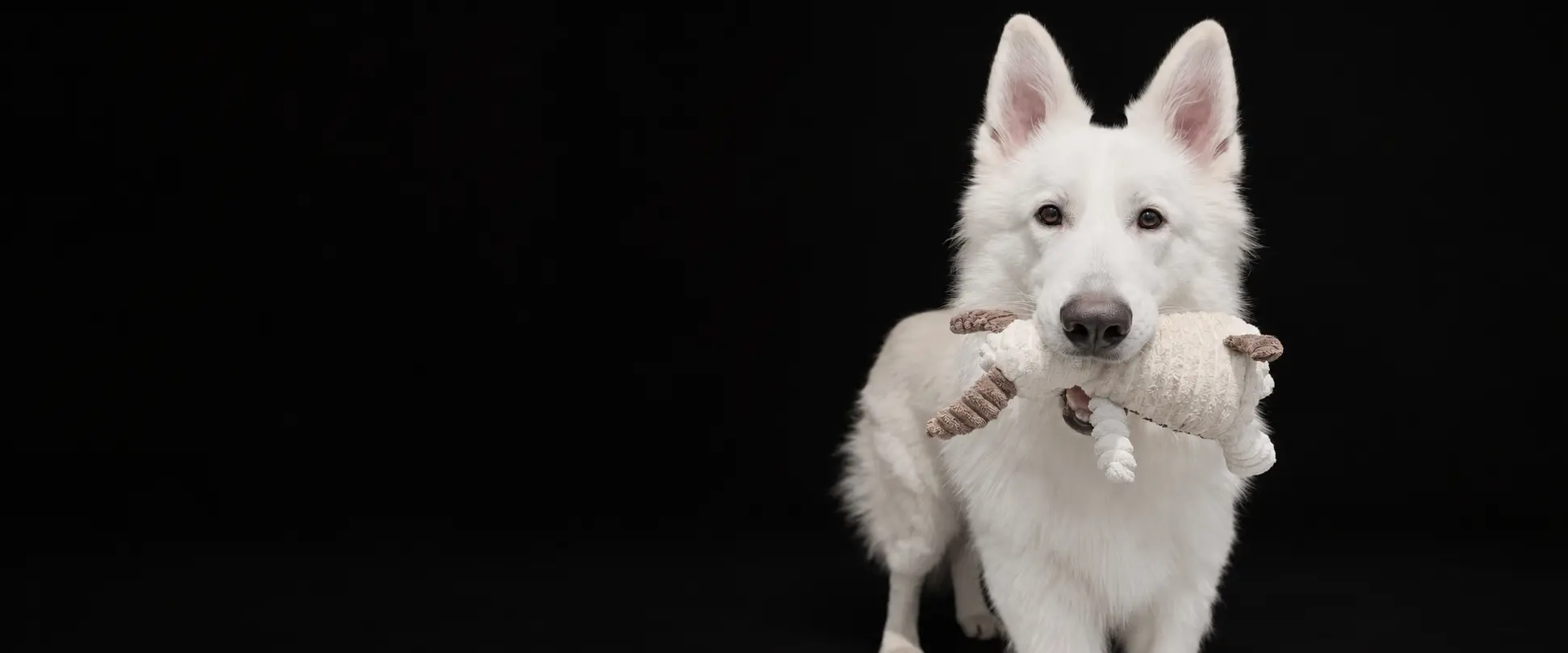
Soft characters, squeaky toys and crinkle designs for carrying and supervised play. Explore plush dog toy styles for wholesale ranges and custom brand projects.
Choose by the construction you actually need: R28-01 and R28-06 combine plush character parts with rope; R28-02–04 and R28-07–10 show other character or textured plush styles; R28-05 groups elongated animal designs; R28-11 uses snack-packet shapes; and R28-12 has a flatter body. Check the selected reference for dimensions, seams, attachments, filling and any squeaker or crinkle feature rather than assuming these from a photo. Send the Ref. ID or your own artwork to discuss samples and packaging.
A plush bear-face body with knotted rope ends.
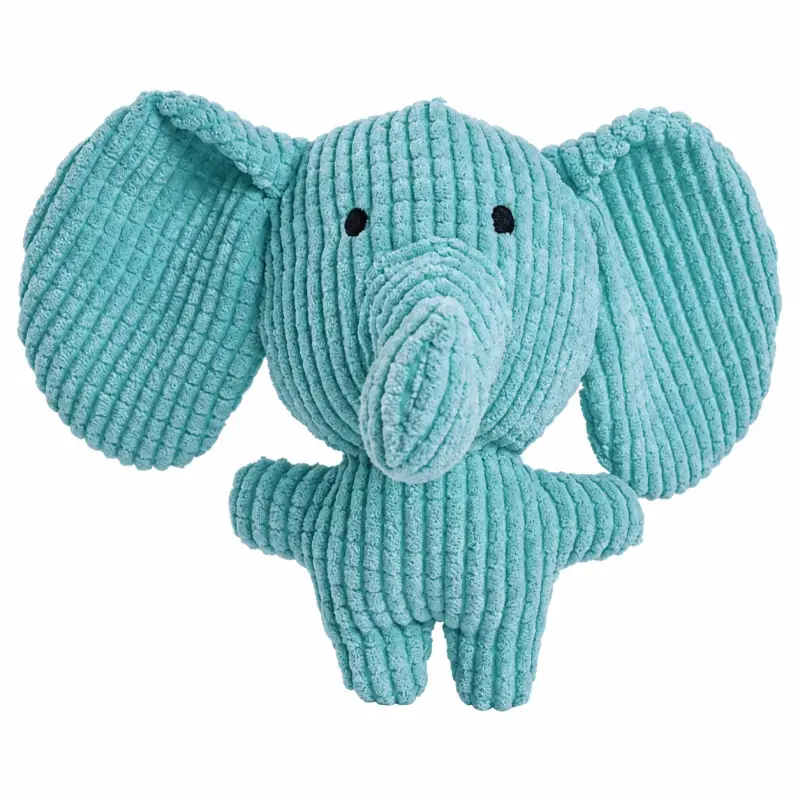
An elephant shape with a ribbed body.
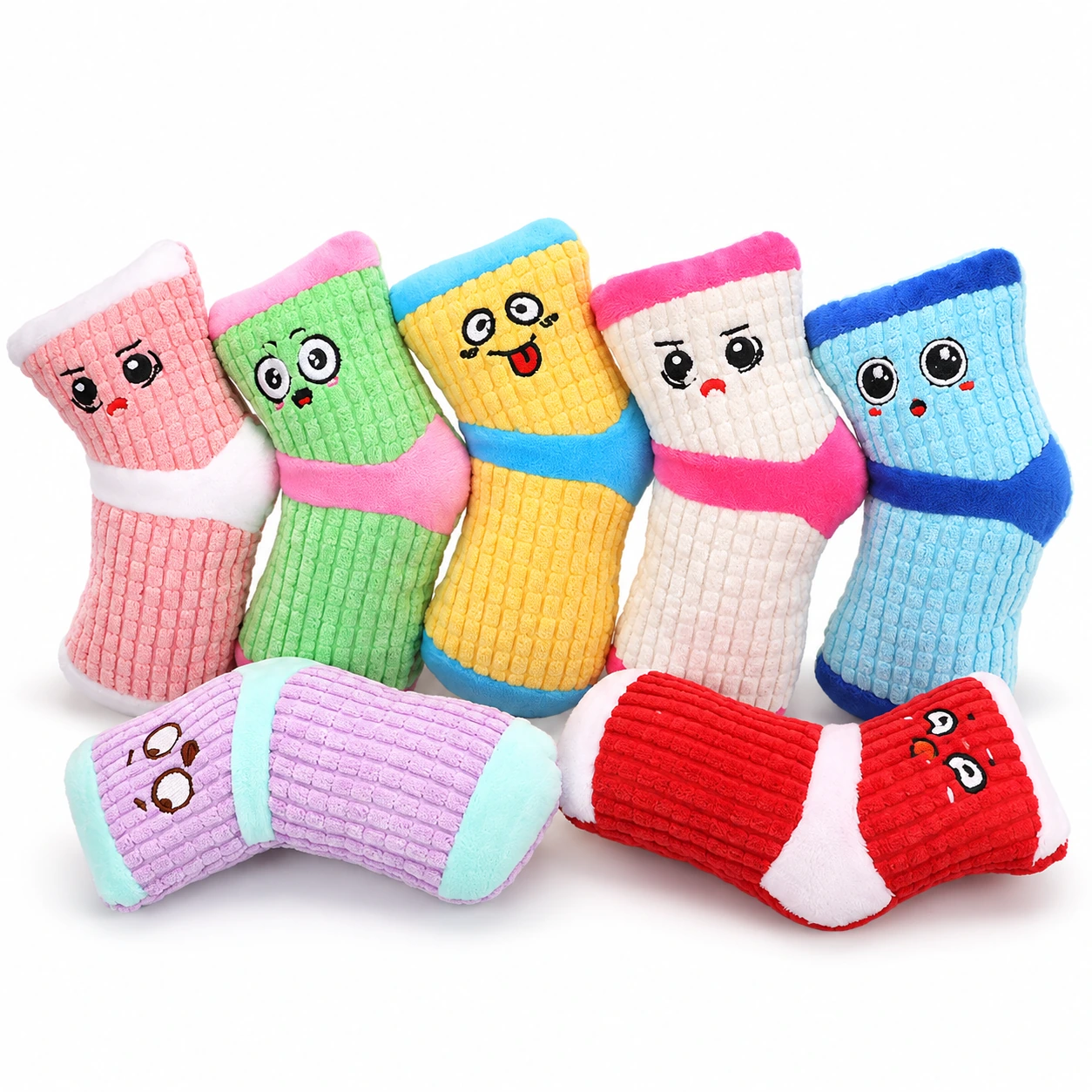
Colorful ribbed plush squeaky toy styles in multiple colors.
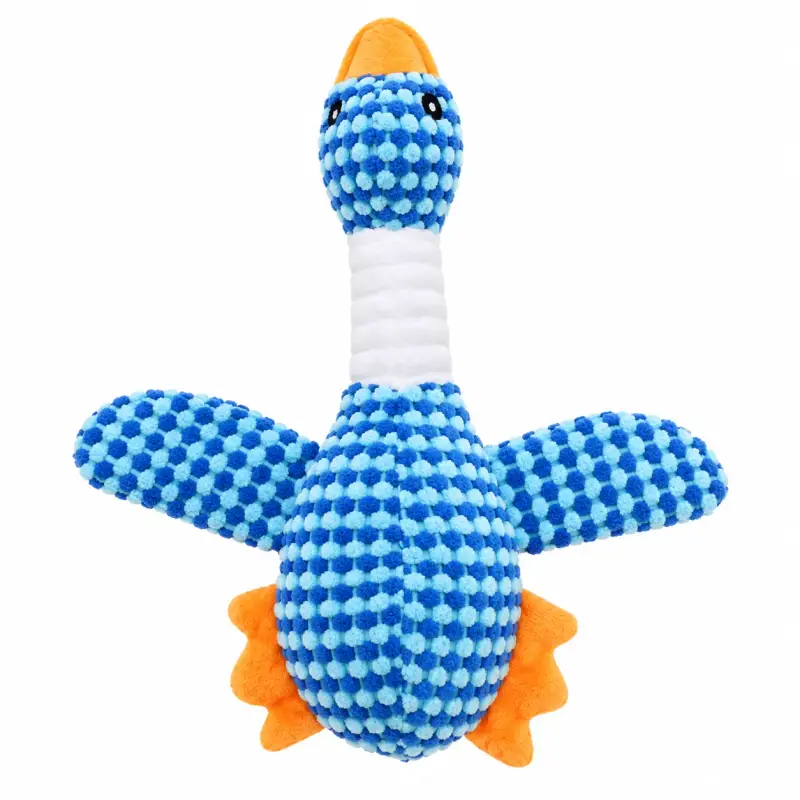
A checked goose shape with contrasting details.
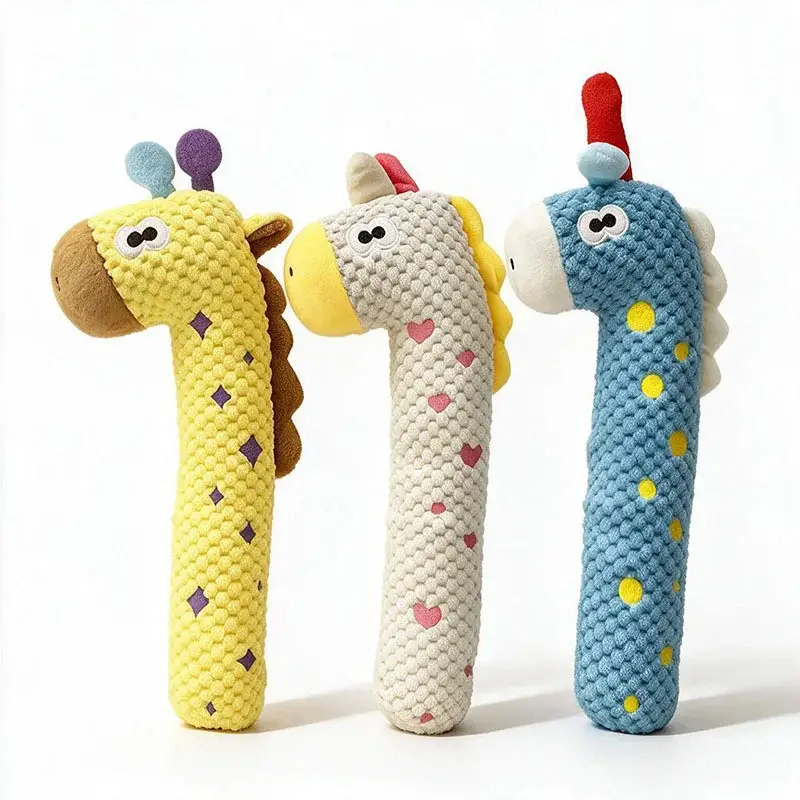
Long animal-character plush designs; confirm each character and size.
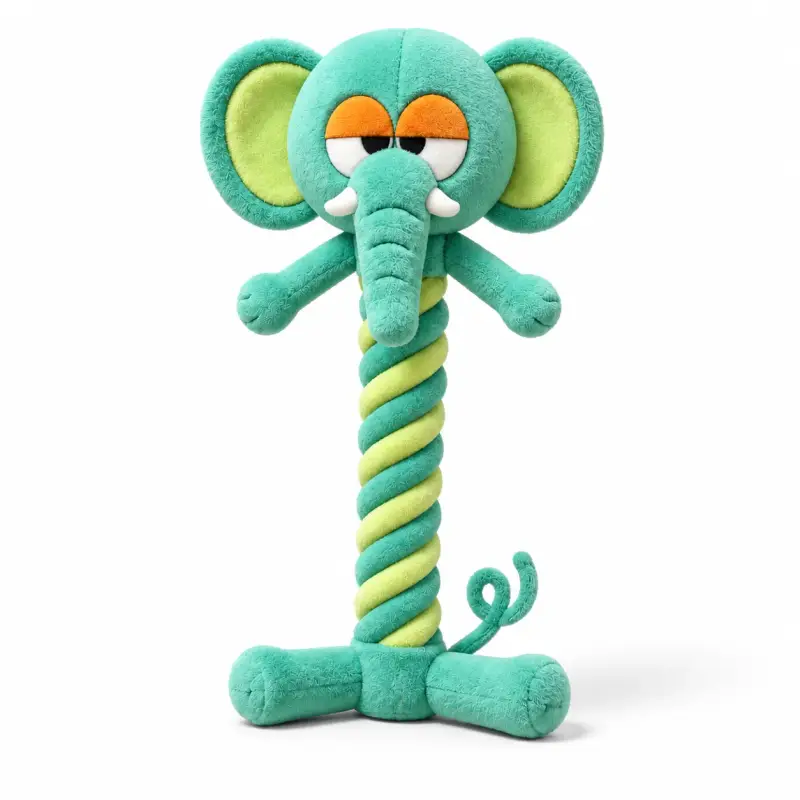
An elephant head paired with a rope body.
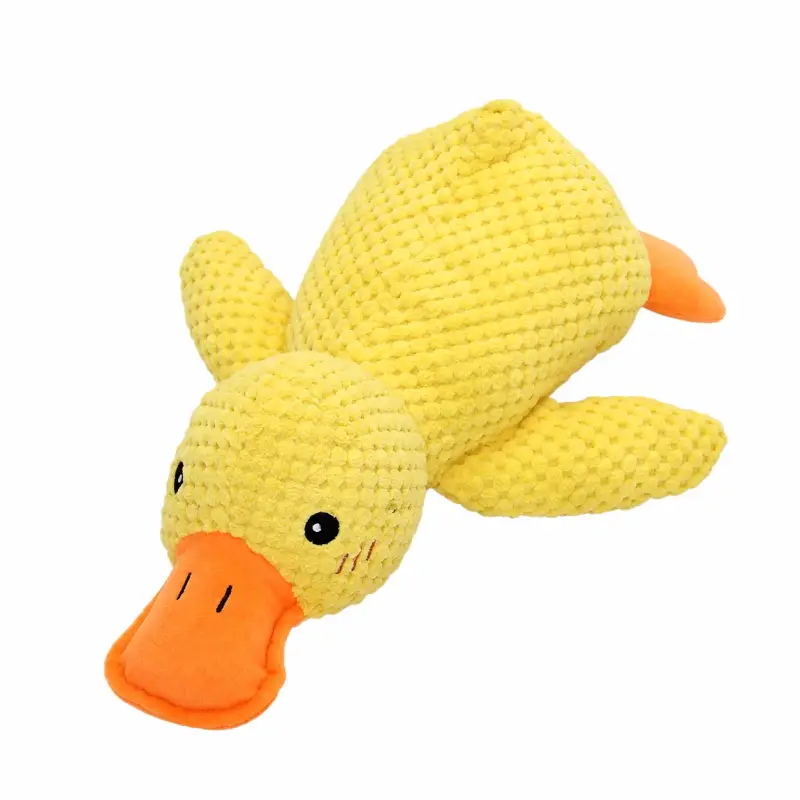
A rounded duck body with contrasting beak and feet.
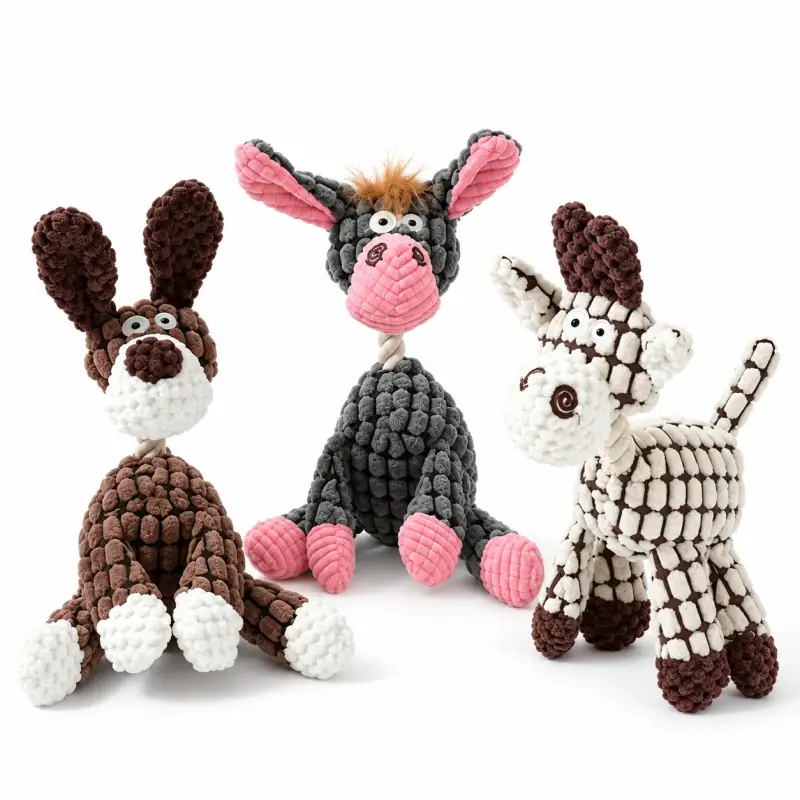
Several animal characters with textured bodies.
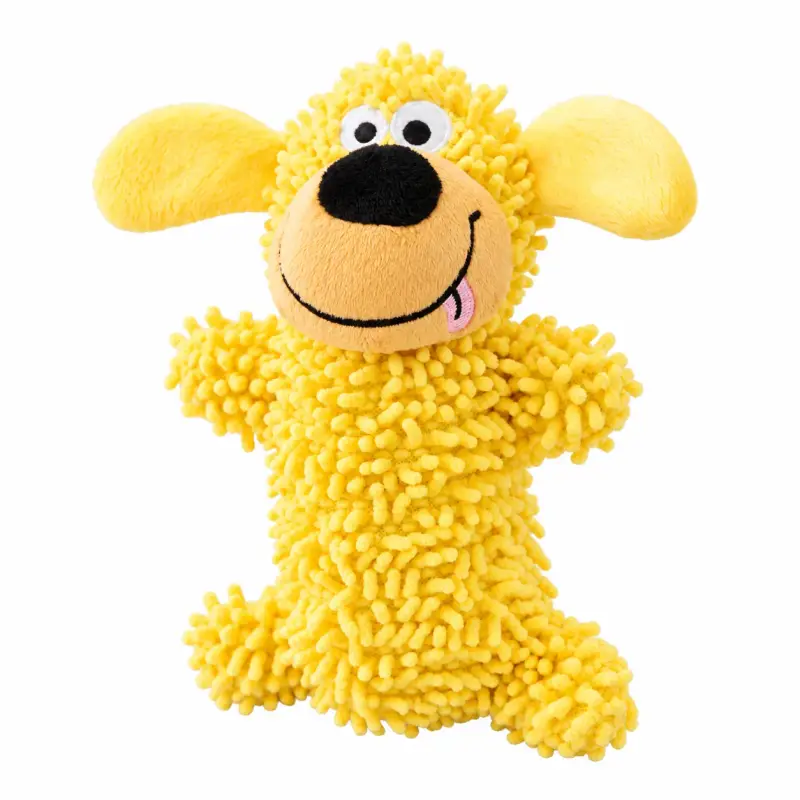
A yellow dog character with a textured surface.
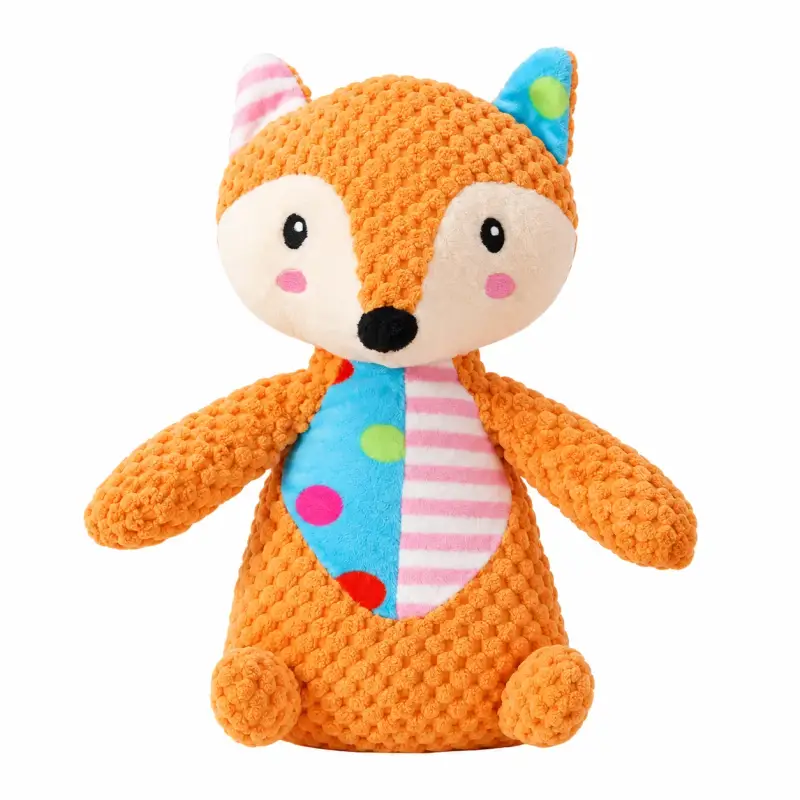
Orange fox character with a striped and spotted fabric front panel.
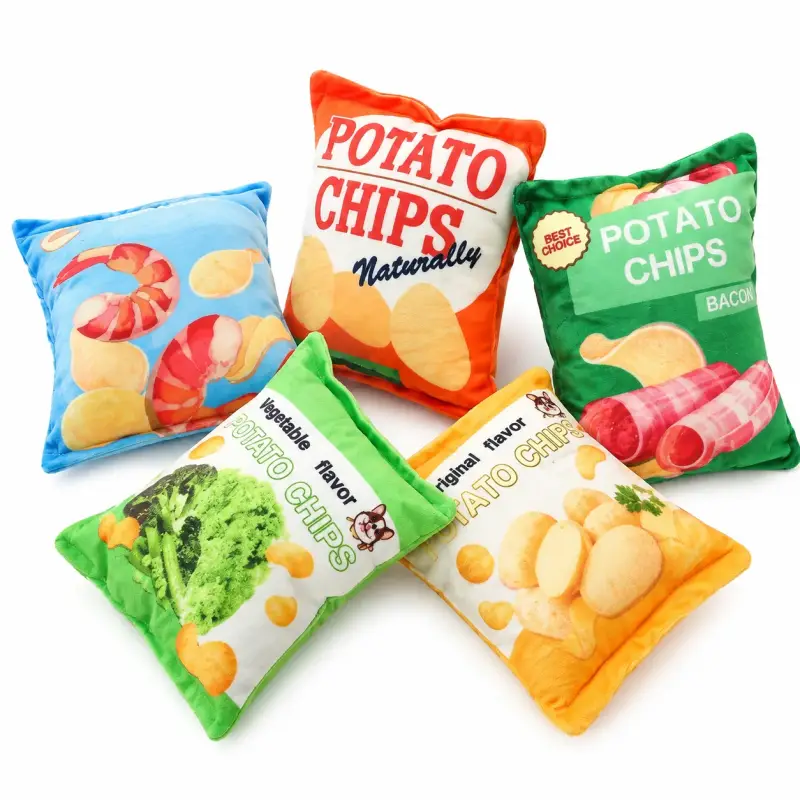
Snack-bag shapes with printed-style decoration.
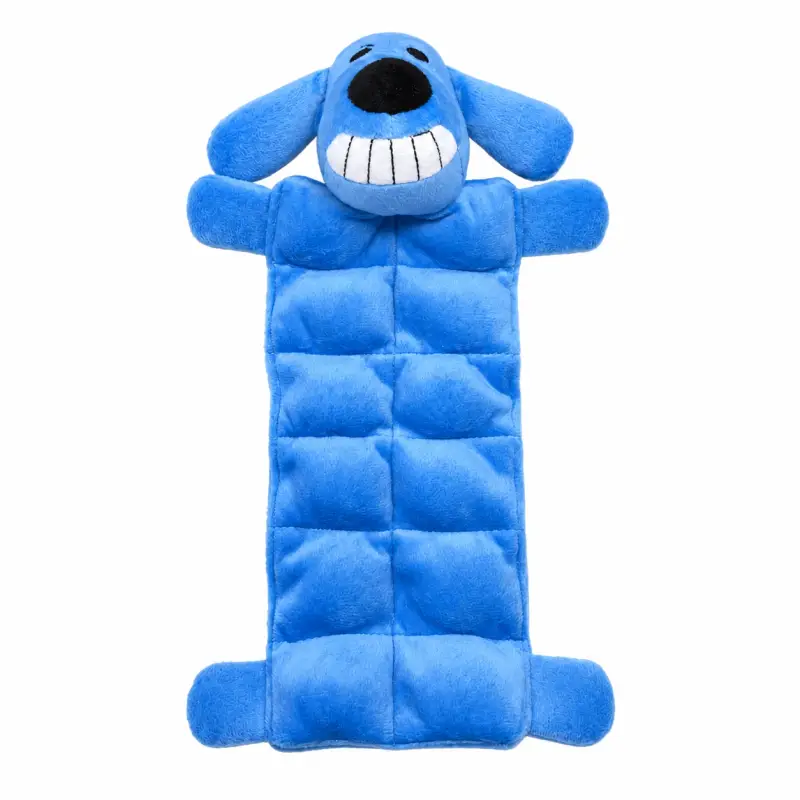
A flat blue character with a stitched-panel body.
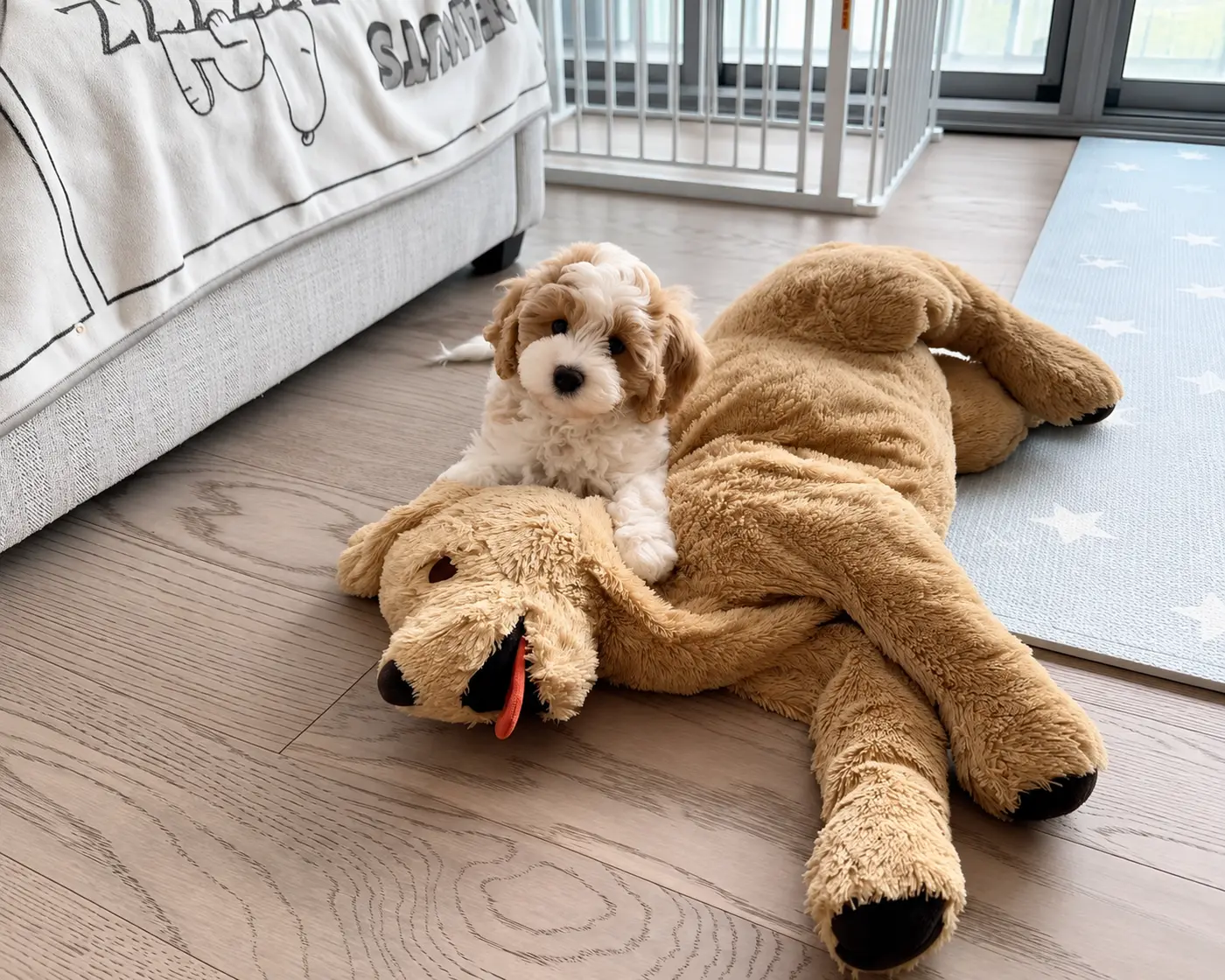
A rounded body gives an animal, food or seasonal design a recognisable silhouette. Compare the filled shape, fabric pile and finished dimensions on a sample.
A flatter body creates a different feel and pack profile. Confirm which parts contain filling and where any squeaker or crinkle panel sits.
Rope limbs, textured fabric and crinkle panels add variety. Their joins and attachments need a closer sample review than a single fabric body.
Compare the construction as well as the look. These choices help define the plush dog toy you want and make quotations easier to compare.
| Detail | What changes | What to agree |
|---|---|---|
| Fabric & texture | Short pile shows a character’s outline; longer pile adds a softer-looking surface. Ribbed and textured fabrics create a different finish. | Choose a texture and colour reference. Confirm fibre composition separately: a photograph cannot identify the material. |
| Filling & shape | A fully filled body, a lightly filled toy and a flat design have different thicknesses and packing needs. | Give finished length, width and body thickness. Mark which parts should contain filling, including the head and limbs. |
| Squeaker, crinkle or quiet | A squeaker makes sound when pressed; a crinkle panel makes a rustling sound. A design may use one, both or neither. | Specify the sound and its position. Review the sample to check how easily it activates and how the component is enclosed. |
| Face, seams & attachments | Embroidery, fabric panels, rope limbs and attached details change how the character is made. | Mark the details to keep. Compare stitching and each connection on the finished sample, including the back of the toy. |
| Size & retail pack | Changing size can affect small details, filling, packaging and the sample work. A set needs its own packing plan. | List quantities by design and size. For a mixed pack, give the exact toys and quantities in each set. |
Send a photo of the look you like and tell us what you want to keep or change. Fabric and component options can then be discussed for that design.
Start with a reference style or your own idea. Choose the changes that matter to your range; a packaging update and a new character need different work.
Send the styles you like with quantities by character and colour. Discuss sizes, fabrics, filling and sound options for each version.
Agree first: availability, the selected specification and which changes need a sample.
Show your logo position, woven label or embroidery idea. Include hang tags, backing cards or boxes, and keep the character visible in its pack.
Agree first: branding method, artwork, pack contents and any setup costs.
Share a sketch or reference with the intended size. Front, side and back views help explain the shape; mark the face and details that define the character.
Agree first: feasible construction, sample scope, revision costs and timing.
Have a seasonal collection or a mixed gift set in mind? List every character and quantity in the pack so the toys and packaging can be reviewed together.
Explore the customization processA front photo helps you choose a character. A finished sample lets you review the details the picture cannot show.
Measure the body and compare the fabric, filling and expression with your brief. For a size range, review whether small facial details still work on the smallest version.
Inspect seams, rope joins and attached parts. Locate the squeaker or crinkle panel and check its enclosure. Agree any performance checks for the intended use.
Place the toy in its proposed packaging. Check label placement, barcode space, pack contents and care wording. For a set, confirm how every toy is held and displayed.
Record the fabric, dimensions, filling, sound components and packaging together. Mark revisions on photos, then agree whether a new sample is required. Claims such as reinforced, washable or recycled need evidence for the selected version.
For a first inquiry, a reference, photo or question is enough. Quantity, delivery country and the details below can be added when you are ready.
Check that the quotation identifies the fabric, size, filling, sound features, branding and pack. Ask for the minimum quantity and unit price per version, sample or development charges, and whether freight is included.
Separate sample development and revisions from bulk production and shipping. Work back from the arrival date you need. Confirm the approved specification, payment terms, inspection arrangements and delivery terms before placing the order.
The minimum depends on the selected design, fabric, colour, sound features and packaging. Send an estimated quantity for each version. Ask for the minimum and price for that version, and whether different characters can be combined; a total order quantity alone does not settle the minimum for each style.
Send a sketch, reference or artwork you are entitled to use, with an approximate size and quantity. The character’s shape, face details, fabrics and internal components need a feasibility review before sample costs and timing can be agreed. Finished production artwork is not needed for the first discussion.
A woven label, embroidery or branded packaging may suit the selected design. Share your logo and preferred position. The usable area and surface affect the method; review the result on a sample or packaging proof, along with any setup cost and minimum quantity.
Specify where you want filling removed and whether you also want the squeaker and crinkle panel removed. No-stuffing does not mean no internal components, and a flat photograph does not prove a toy is unfilled. Availability and construction need to be confirmed for the selected design.
Do not choose a plush toy for strong chewing from its appearance alone. Fabric, seams and attachments need review for the intended use, and reinforcement is not a guarantee that a toy cannot be damaged. Describe the intended dog size and play style; for a chewing-focused range, also compare the Chew Dog Toys collection.
Compare Chew Dog ToysThe care method depends on the fabric, filling, colour finish and any sound components. Request cleaning instructions for the chosen design. If machine washing is part of your product brief, agree the wash conditions and review the toy after washing before approving that claim on the pack.
Ask for the sample scope, cost and timing before starting. Check the finished dimensions, feel, expression, sound, connections and packaging. Record changes in one marked set of photos and confirm whether another sample is needed. Keep the approved sample and specification for the production order.
Share the required arrival date and destination. Allow separately for development, revisions, production and shipping; the schedule needs confirmation for your order. For a repeat, identify the approved version and confirm any change to fabric, colour, sound components or packaging before production.
Send the destination market, retailer specification and requested reports with the brief. Confirm which checks apply to the selected materials and finished toy, who arranges them, their cost and timing, and which documents will be supplied. A reference photograph is not evidence of a test result.