Ref. R17-01
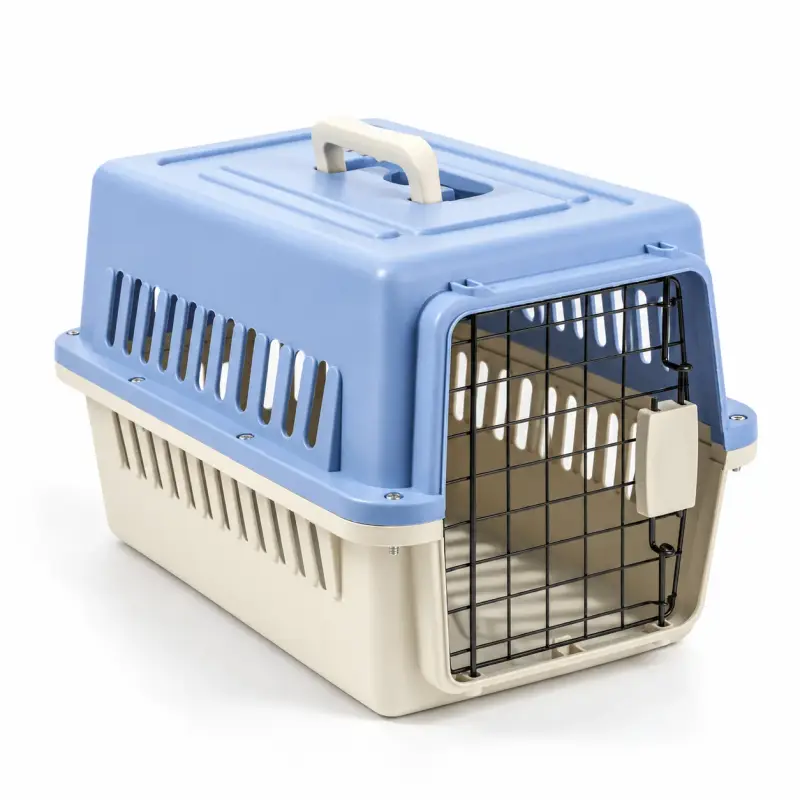
Blue and cream hard-shell pet carrier
Hard-shell pet carrier; compare usable interior, door opening, shell joints, handle and latches.
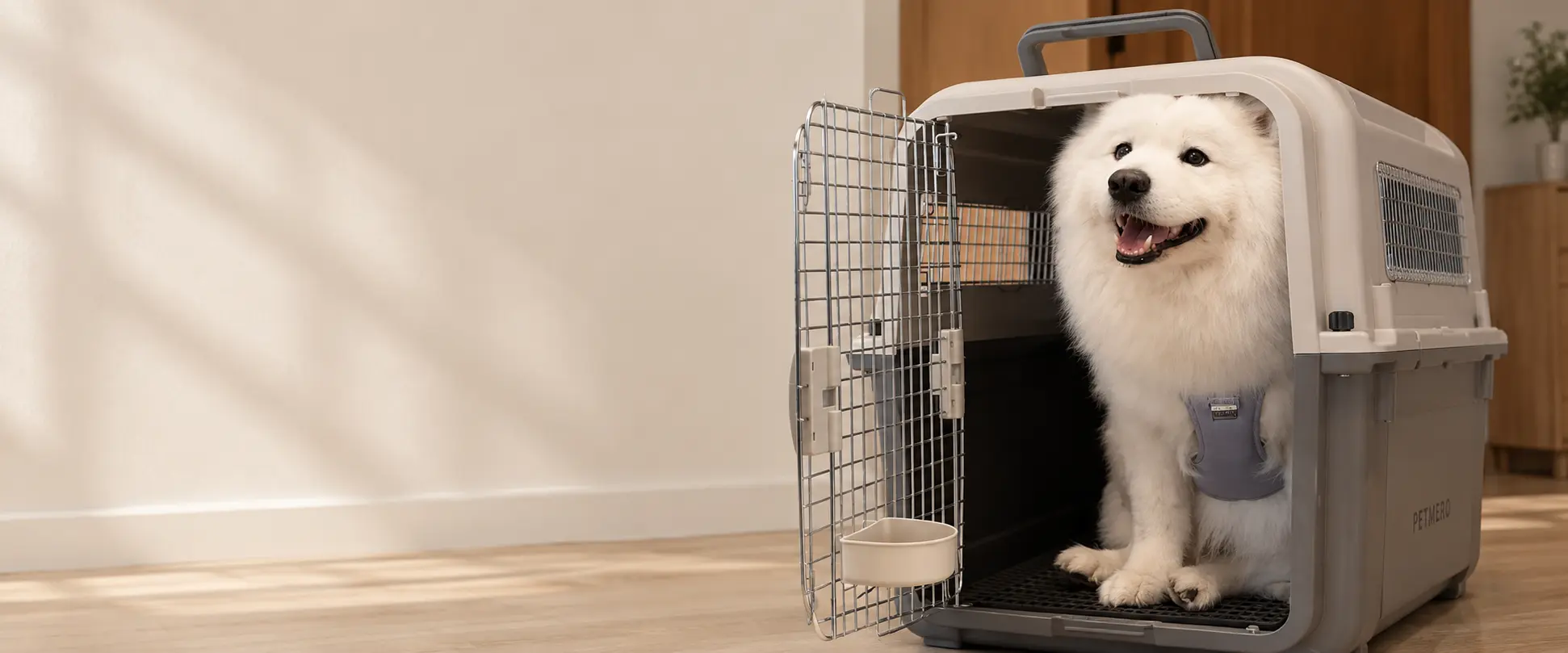
Explore pet carriers for dogs and cats, including hard-shell, foldable, wheeled and top-opening designs. Compare usable interior space, access, ventilation, carrying hardware and packed size before branding or packaging.
All 12 references feature rigid-looking carrier bodies, but their layouts differ: R17-01, R17-02 and R17-05 illustrate conventional front-door shells and size or colour ranges; R17-03 is shown assembled and flat-packed; R17-04 and R17-08 have pull handles and wheels; R17-10 has a top-opening hatch and R17-11 a top wire-grid door. Compare each Ref. ID by usable interior, entry clearance, door and latch construction, ventilation, handle or wheel assembly and actual packed size. A pictured variant is not proof of airline acceptance or identical specifications across colours.
Hard-shell pet carrier; compare usable interior, door opening, shell joints, handle and latches.
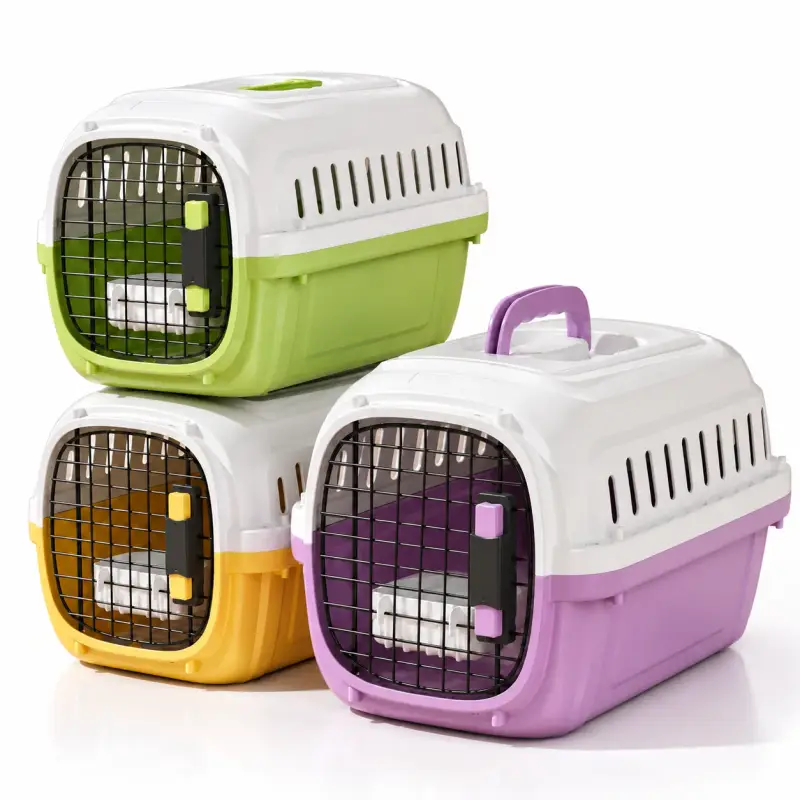
Rounded hard-shell pet carriers in three colours; compare size, opening, handle and closure before choosing colour variants.
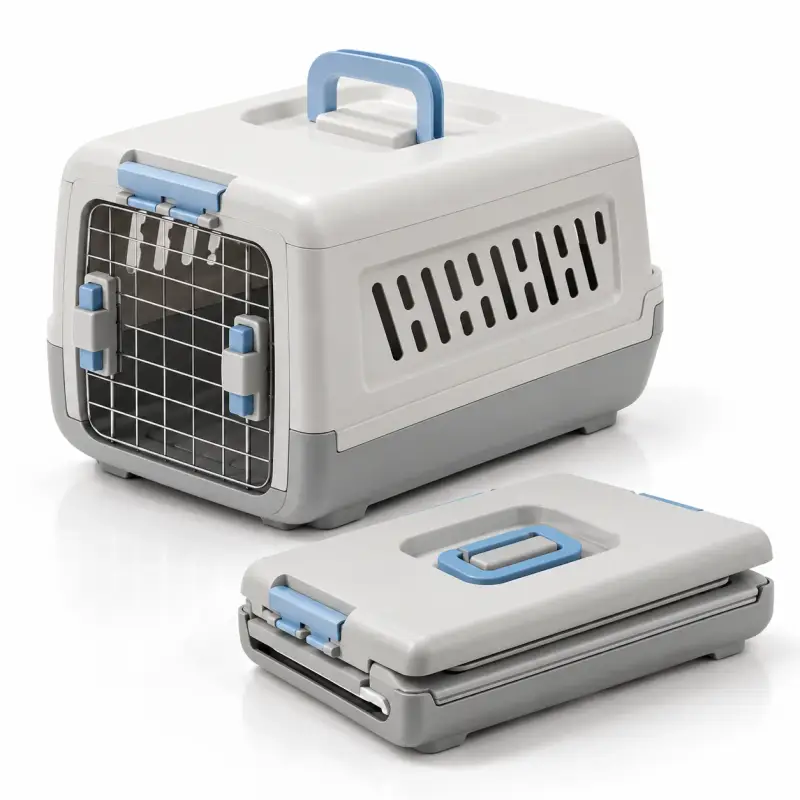
Foldable grey pet carrier shown open and packed; compare usable size, support parts, base and folded dimensions.
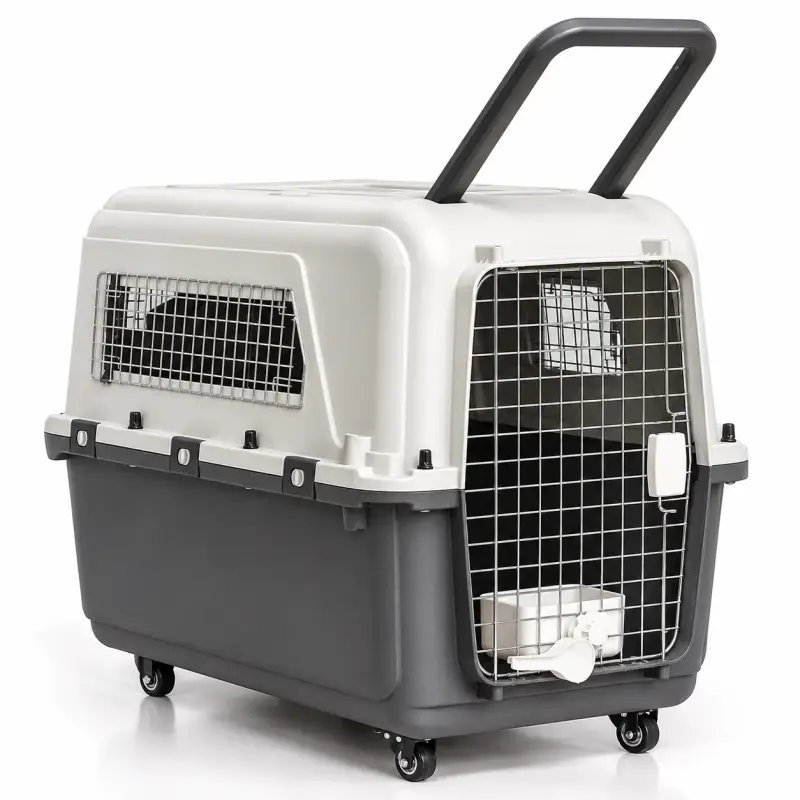
Large wheeled pet carrier with pull handle; compare interior space, wheel base, handle system, openings and packed size.
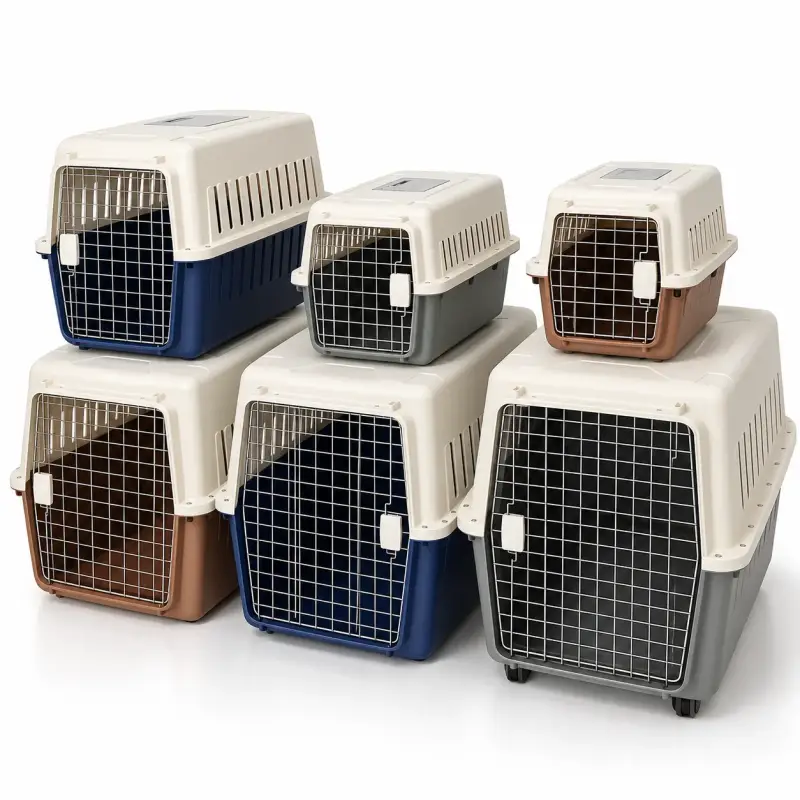
Hard-shell pet carrier size range; compare usable interior, outside dimensions, doors, handles and carton planning by size.
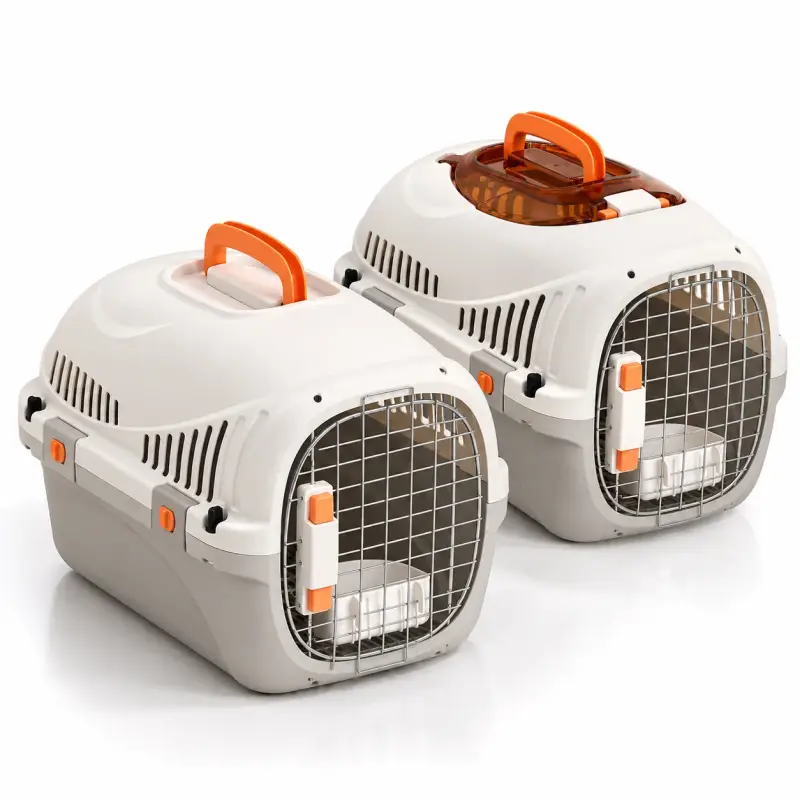
White hard-shell pet carriers with orange handles; compare interior size, access, shell assembly, handles and closures.
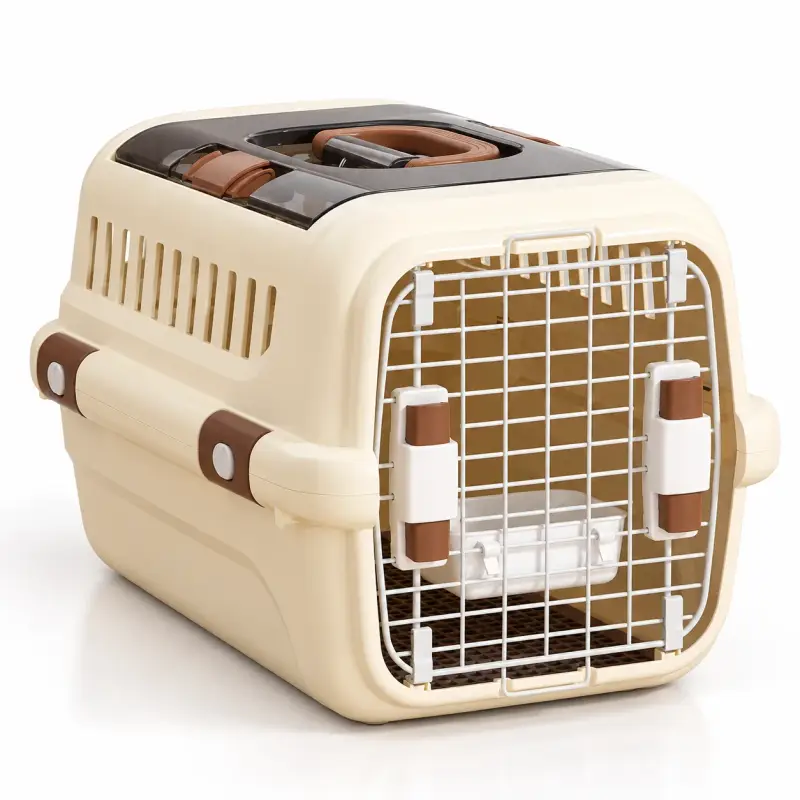
Cream hard-shell pet carrier with brown accents; compare usable space, door size, shell construction and carrying handle.
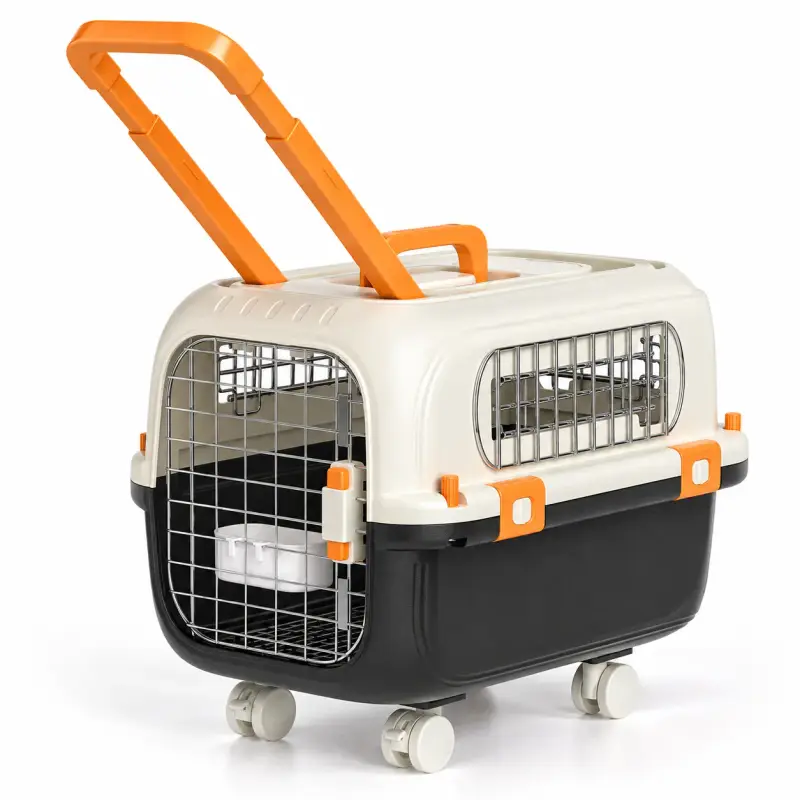
Wheeled pet carrier with pull handle; compare usable interior, wheel system, handle extension, access and external size.
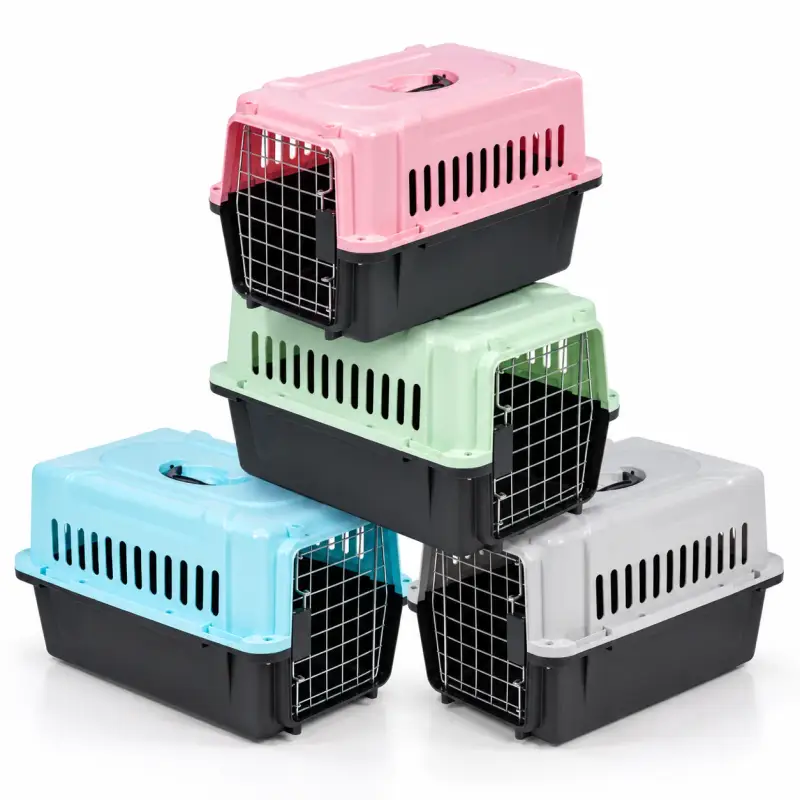
Pastel hard-shell pet carrier assortment; compare the approved size and construction before planning colour variants.
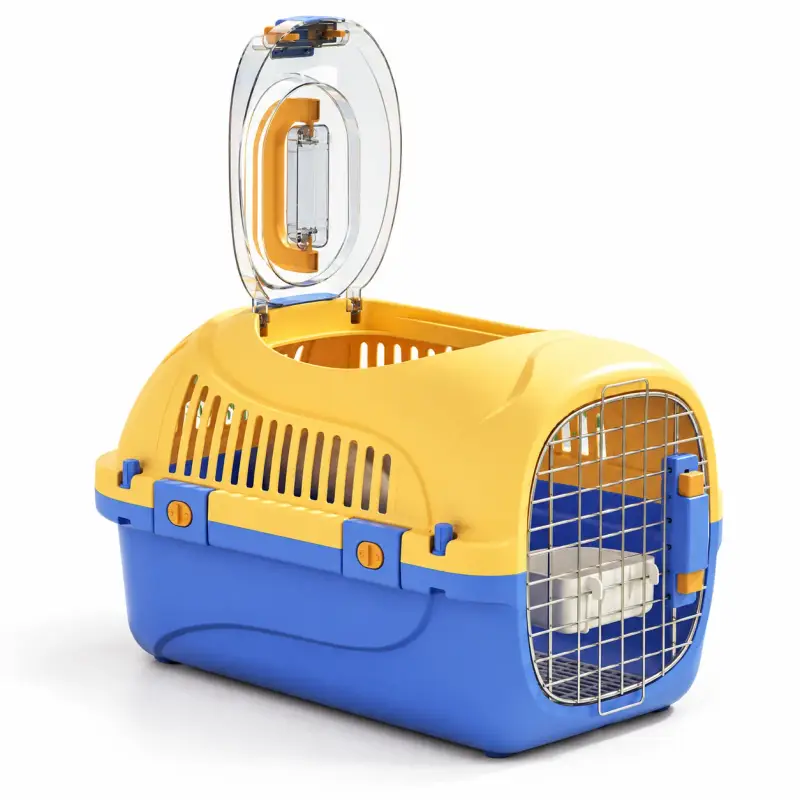
Top-opening pet carrier; compare top access size, hinge and latch details, usable interior, handle and shell construction.
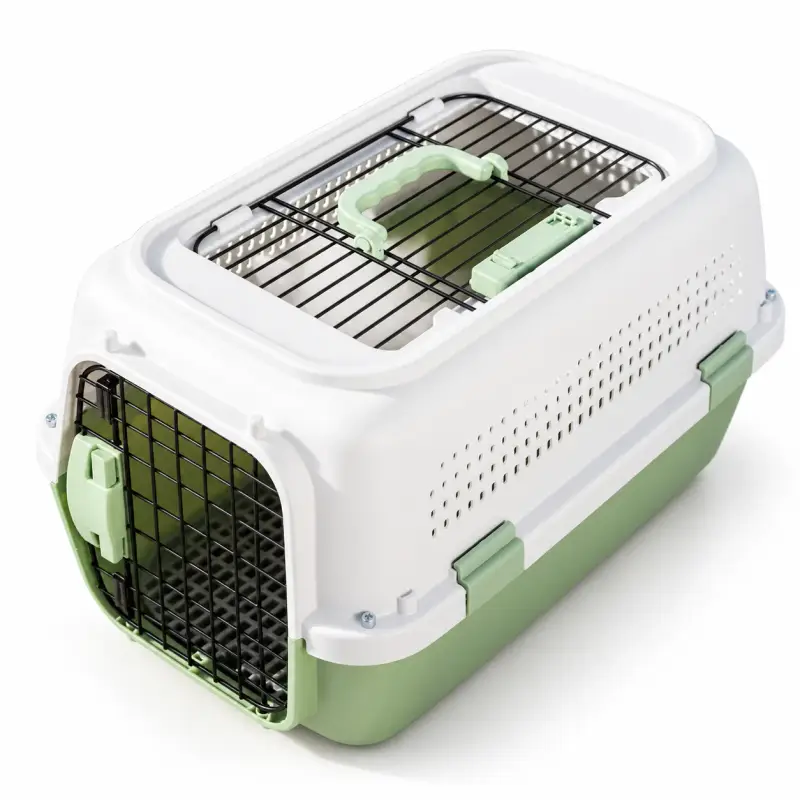
Hard-shell pet carrier with top wire door; compare opening geometry, door hardware, interior space, handle and shell joints.
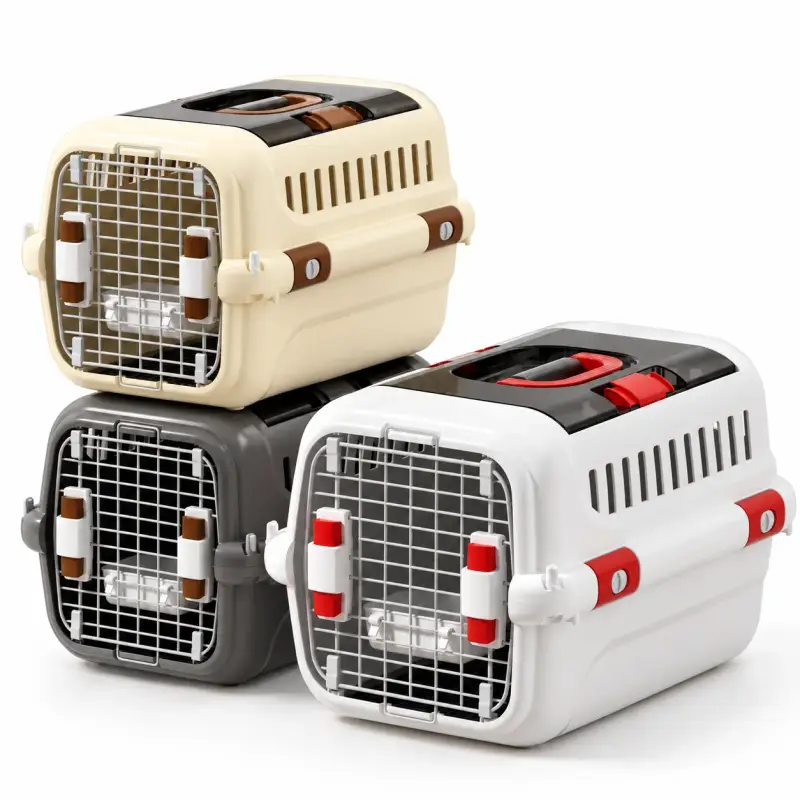
Hard-shell pet carriers with contrasting latches; compare latch layout, door opening, shell joints, usable interior and handle.
These 12 styles show part of the PETMERO pet carrier range. A Ref. ID, your own image or a product link is enough to start discussing another carrier construction or size.
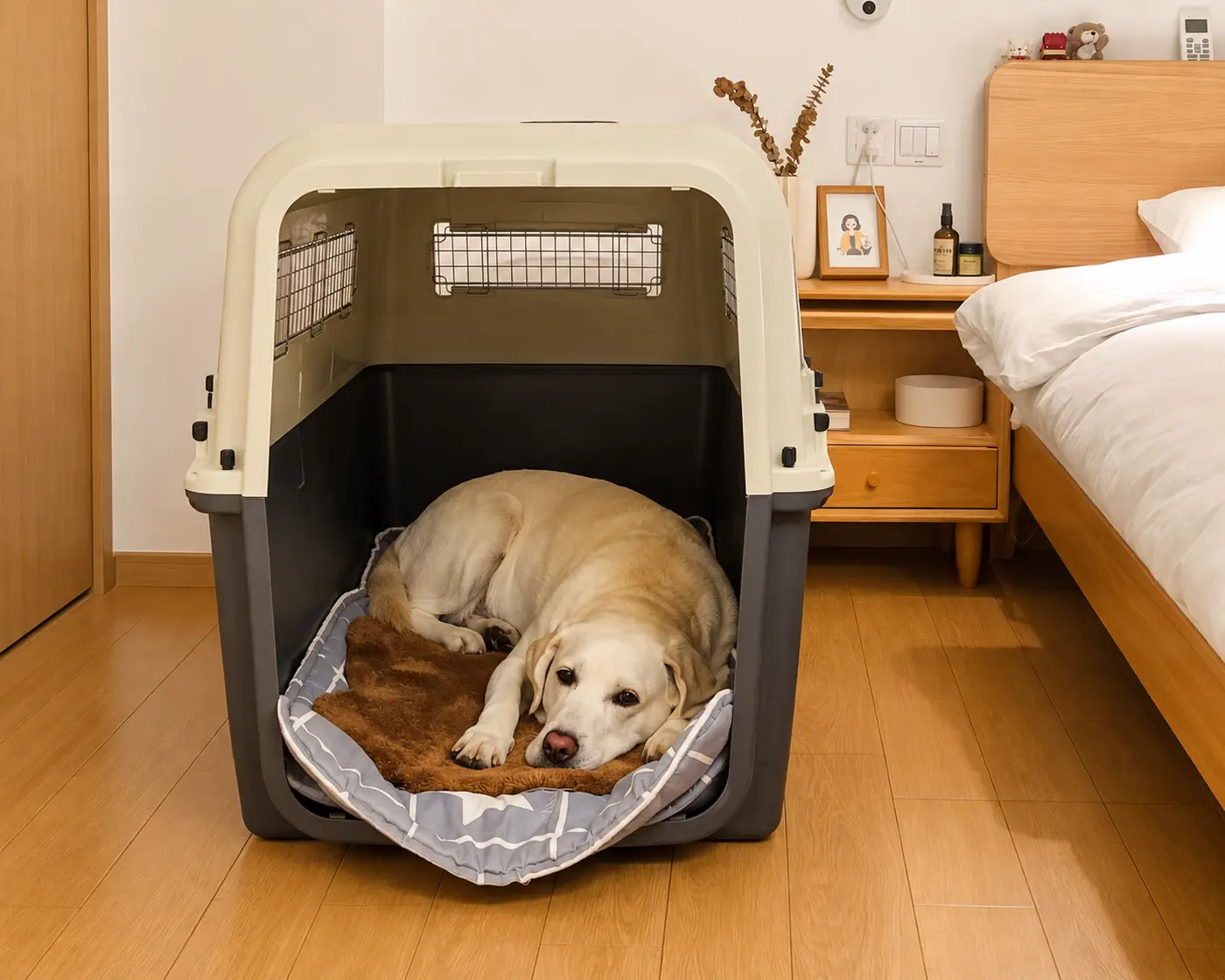
A pet carrier has three different size questions: how much room the pet can use, how large the carrier is on the outside, and how much space it takes when packed. Keep those measurements separate before comparing dog or cat carrier styles.
Compare usable interior, door opening, shell joints, latches and handle attachment. A rigid outer size does not tell you the full usable space inside.
Compare the assembled interior with the packed size, then check the base and any removable or folding supports needed to restore the carrier for use.
Review the wheel base, pull handle, access points and external dimensions together with the usable interior and packed configuration.
Compare the top opening, hinge or latch arrangement, shell support and handle position with the side or front access on the selected model.
Compare the complete carrier as a system: usable space, access, carrying hardware and packed configuration all affect the version you are buying.
Start with usable interior, door opening and shell assembly.
Compare the carrier fully assembled and in its packed configuration.
Treat the wheel base and pull handle as part of the complete carrying system.
Check the top door together with any front or side access.
The space the pet actually occupies with the normal base or liner fitted.
The complete carrier size, including fixed wheels, frames or other external parts where relevant.
The folded or shipping configuration used for carton planning, storage and freight.
Confirm the actual rigid shell, textile body, support panels and trim used for the selected pet carrier.
Record the material and finished construction for the quoted version instead of relying on colour or appearance.
Confirm mesh, wire or other open-panel material, location, opening size and closure hardware.
Review the finished panel arrangement; do not turn visible mesh into an unmeasured airflow claim.
Confirm whether the base and liner are fixed or removable, how they support the interior and how they are cleaned.
Check the carrier with the normal base or liner fitted when recording usable interior dimensions.
Review door latches, zippers, handles, straps, wheels and pull handles on the complete sample.
Specify what is included and how each part attaches to the carrier body.
| Part of the specification | What to include |
|---|---|
| Usable interior | Length, width and height at the narrowest relevant points, with the normal base or liner fitted. |
| External dimensions | Overall length, width and height in the carrying configuration, including fixed wheels, frames or other non-removable parts where relevant. |
| Entry and closure | Opening dimensions, door or panel position, hinge, zipper or latch operation, and which access points are included. |
| Ventilation panels | Panel material, location and open area for the selected design. Confirm the finished construction rather than relying on a generic breathable label. |
| Handles, straps and wheels | Included carrying parts, adjustment or extension range, attachment construction and any model-specific load information that can be supported. |
| Packed size and carton plan | Folded or nested configuration where applicable, removable parts, units per carton and the steps needed to restore the product for use. |
Choose a carrier reference by intended travel use, pet posture and usable interior space. A colour or branding update and a change to the carrying structure need different sample reviews.
Choose the carrier type and ask for its interior dimensions, entry layout and available material options. Check which reference sizes and branding versions can be sampled.
For a pet carrier, discuss logo placement on the outer panel, handle or hangtag, then review visibility, ventilation clearance and the agreed retail pack on the sample.
For a new pet carrier design, identify changes to the pet opening, ventilation, shell or soft-panel structure and base support. These need a different sample review from a color or logo change. Review the sample-development stages in our pet product customization process.
Review feasible colours and material changes for the selected carrier. Keep rigid shell parts, textile panels, mesh and trim identified separately.
Choose a suitable shell or textile panel for the logo, label or patch without covering ventilation, doors, latches or moving hardware.
Changes to overall size, door position, base, wheels or carrying hardware can alter the construction. Confirm feasibility and the revised sample before production.
For a pet carrier quote, share the intended pet size, usable interior dimensions, entry and ventilation layout, carrying style and preferred materials. A reference photo can start the review; airline suitability needs route- and carrier-specific checks.
“We are interested in R17-03 foldable pet carriers. Could you confirm the inside dimensions, how the carrier folds, and the packaging options for our brand?” Share your target quantity and destination when available. If the carrier will be used for air travel, please also tell us the airline and route so the requirements can be checked for the selected model.
Compare pet carrier quotes using the same interior-size requirement, body and door construction, ventilation layout, materials, packaging and delivery scope.
For the selected carrier, confirm usable interior space, opening size, ventilation, base support and carrying points against the approved sample. Record the matching pack specification.
Measure the usable interior and outside dimensions, then open, close and carry the assembled sample using every supplied door, handle, strap or wheel system.
Check the base, liner, ventilation panels, hinges, latches or zippers, and compare any folded or packed configuration with the agreed specification.
Approve the final materials, included parts, care instructions, branding, packaging and any model-specific transport or carrying claim before production.
List removable parts and how they are packed, refitted and cleaned.
Show which components are removed to fold the bag and how it is restored for use.
Include accurate dimensions, contents, assembly and care instructions rather than broad travel-approval claims.
Questions about pet carrier size, ventilation, access, travel requirements and what a private-label sample should confirm.
Compare the pet’s measurements with the usable inside dimensions and the intended journey. Do not choose only by a weight label or the carrier’s outside dimensions.
Airline suitability is reviewed for the selected carrier, pet and travel itinerary. Compare the usable interior space, outer dimensions, ventilation and construction with the operating airline's current requirements before presenting a model as suitable for that journey. For wheeled models such as R17-04 and R17-08, also check whether the applicable cargo transport rules require wheels to be removed or rendered inoperable; do not infer aircraft suitability from a pull handle or hard shell. IATA container requirements explain that IATA does not certify or approve particular pet carrier brands or models; an “IATA approved” label is not proof of airline acceptance.
Start with a Ref. ID, intended quantity and artwork or colour reference. Check which shell, handle, door or latch colours and branding positions are feasible for that exact model. A new shell material or opening layout is a construction change that needs separate sample and tooling review.
Use the foldable carrier reference R17-03 as a starting point. Ask which panels, supports, locks or inserts are removed or folded, then compare its usable assembled interior with the packed dimensions and the parts supplied. Do not assume every rigid carrier folds flat or that a folded configuration is suitable for transporting a pet.
For a backpack, shoulder sling, front carrier or soft tote worn or carried by a person, compare the pet compartment, strap attachments, ventilation and wearer support in our Pet Backpacks and Wearable Carriers range. The rigid, foldable and wheeled references on this page require different checks for shells, doors, latches, handles and assembled dimensions.
Confirm the care instructions for the chosen liner and base. Removable does not automatically mean machine-washable.
For pet carriers, share the intended pet size, usable interior space, entry and ventilation arrangement, carrying method and a reference design. Material, colour, branding, packaging, estimated order quantity and destination can be agreed before a detailed quotation.
That is a construction change, not just a styling change. The opening can affect access, panel support and closures, so agree a revised sample and any required checks.