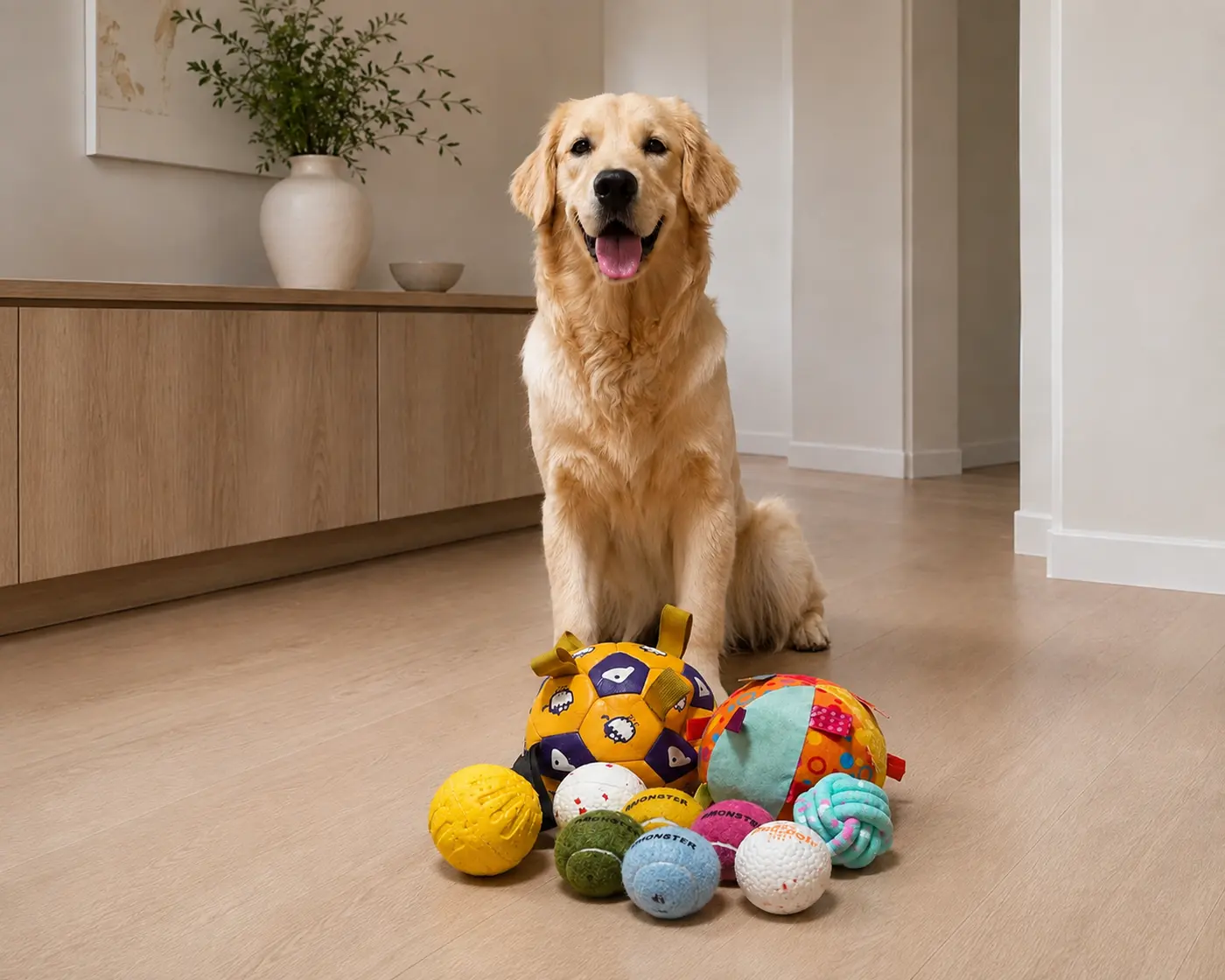
Carry by hand or shoulder
Start with usable pet space, openings and the carrying arrangement. The selected carrier page should hold the detailed size and construction decisions.
Pet carriers, backpacks, strollers and dog car seats for wholesale ranges and custom brand projects. Choose how the pet will travel, then compare the space, handling and packing details.
Selected designs to start the conversation. Explore a product type, ask for more styles or share your own idea.
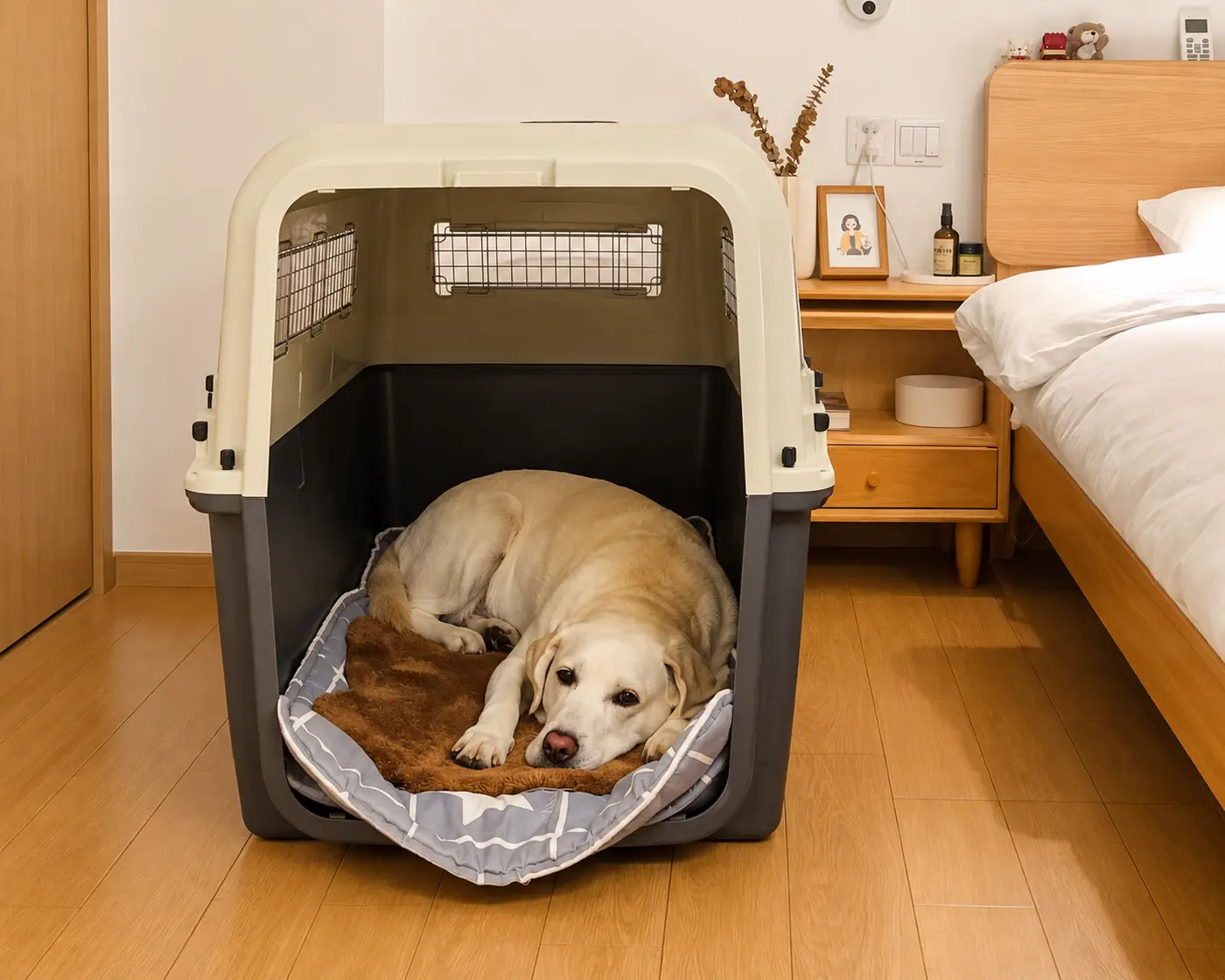
Start with usable space, then compare how the carrier travels.
Explore collection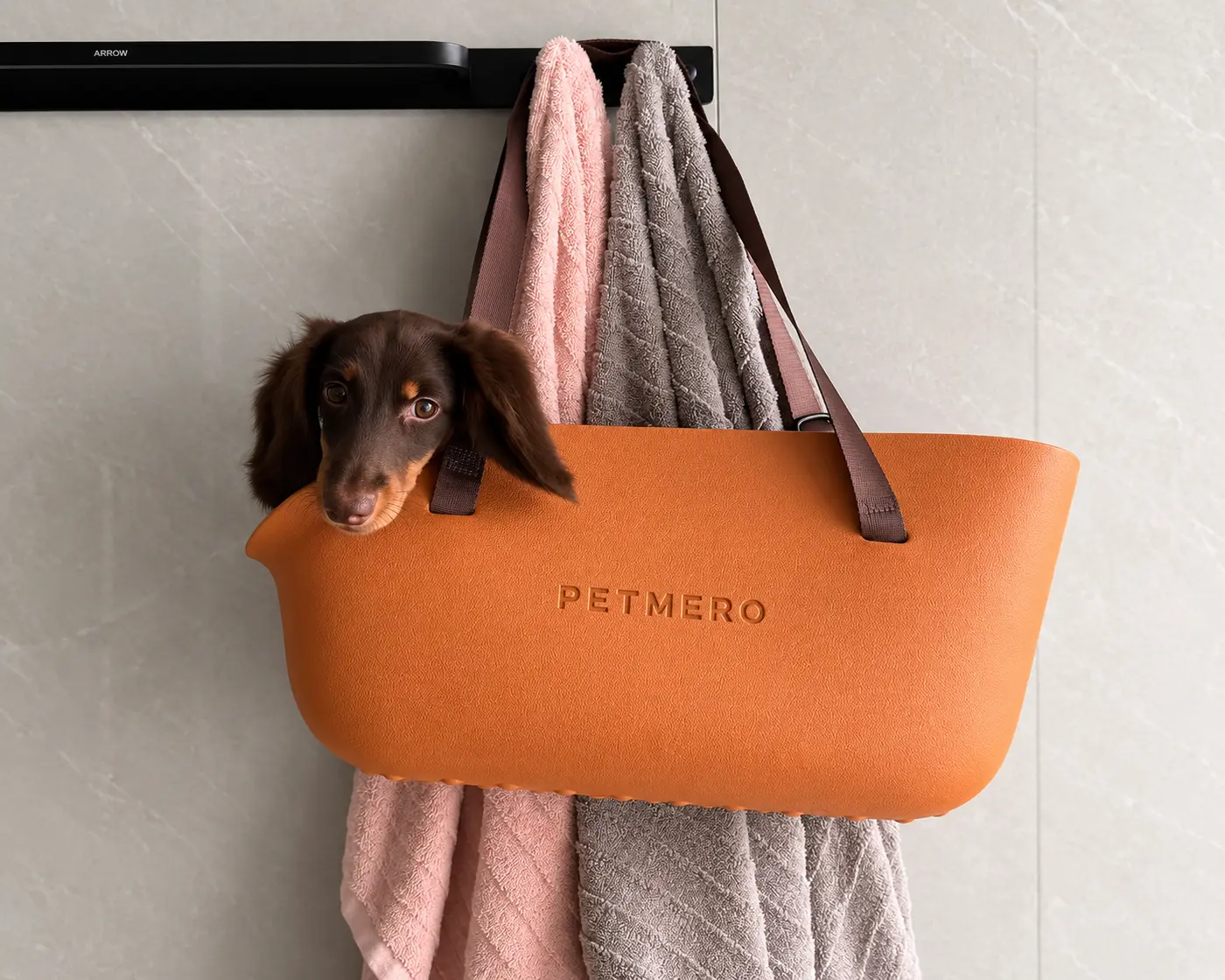
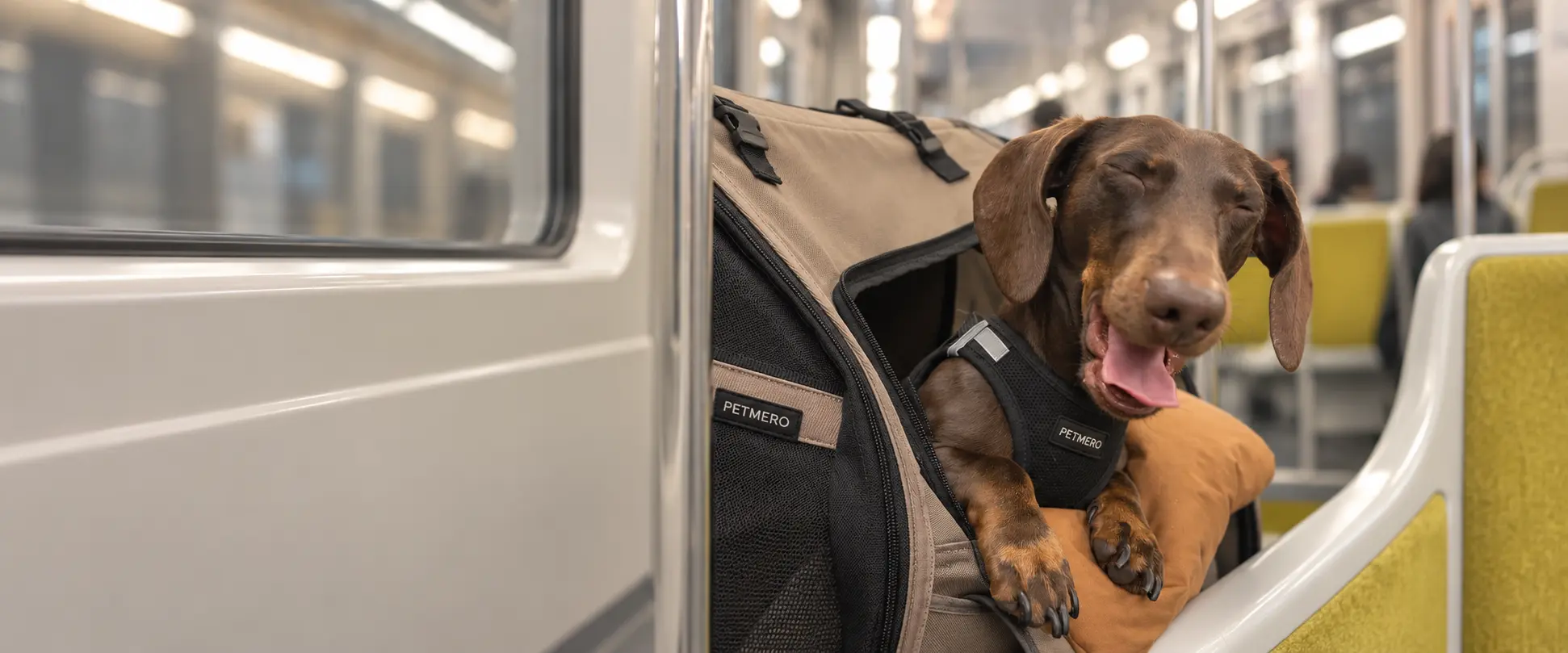
Start with the pet compartment and the carrying system.
Explore collection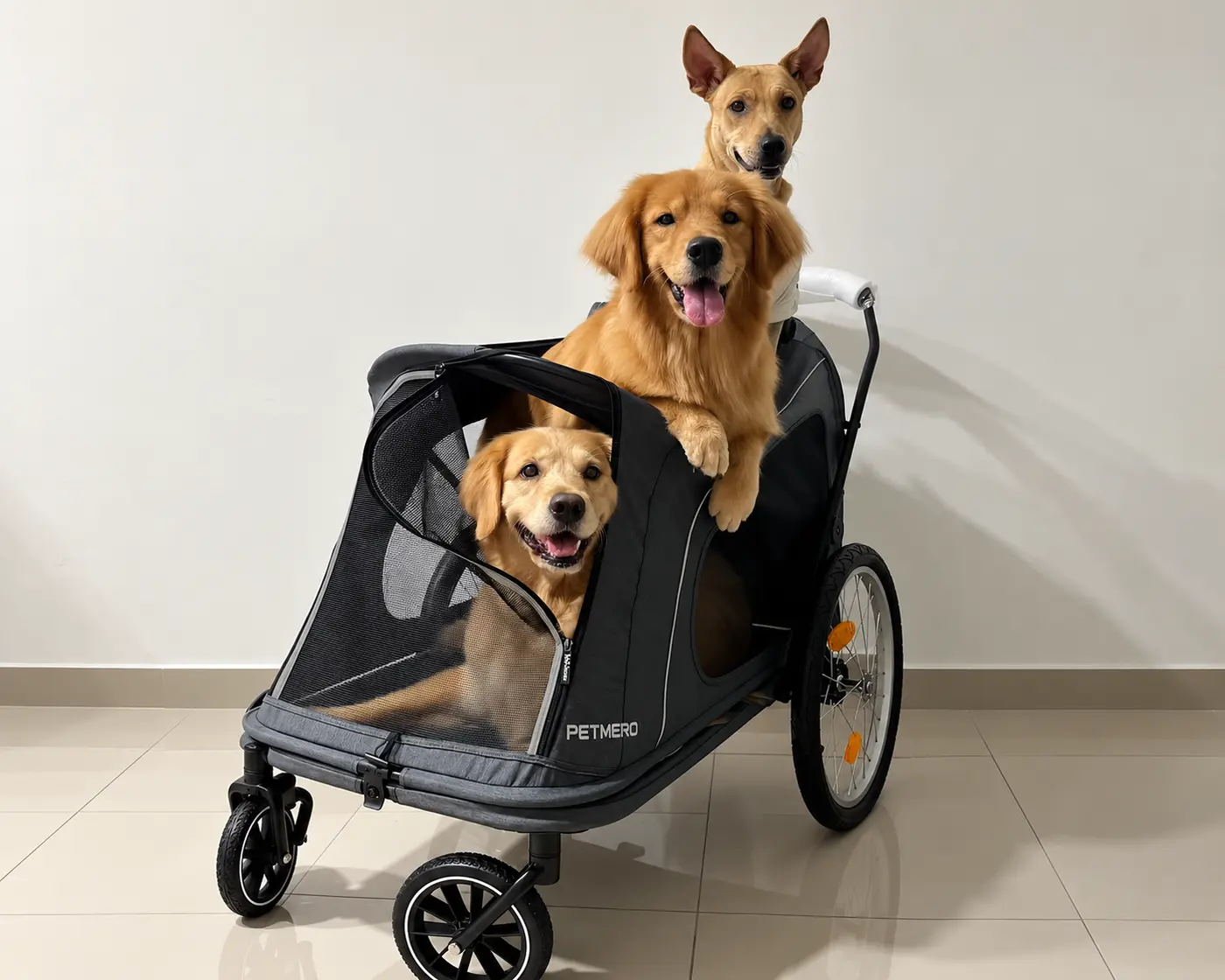
Start with cabin fit, then compare handling and folding.
Explore collection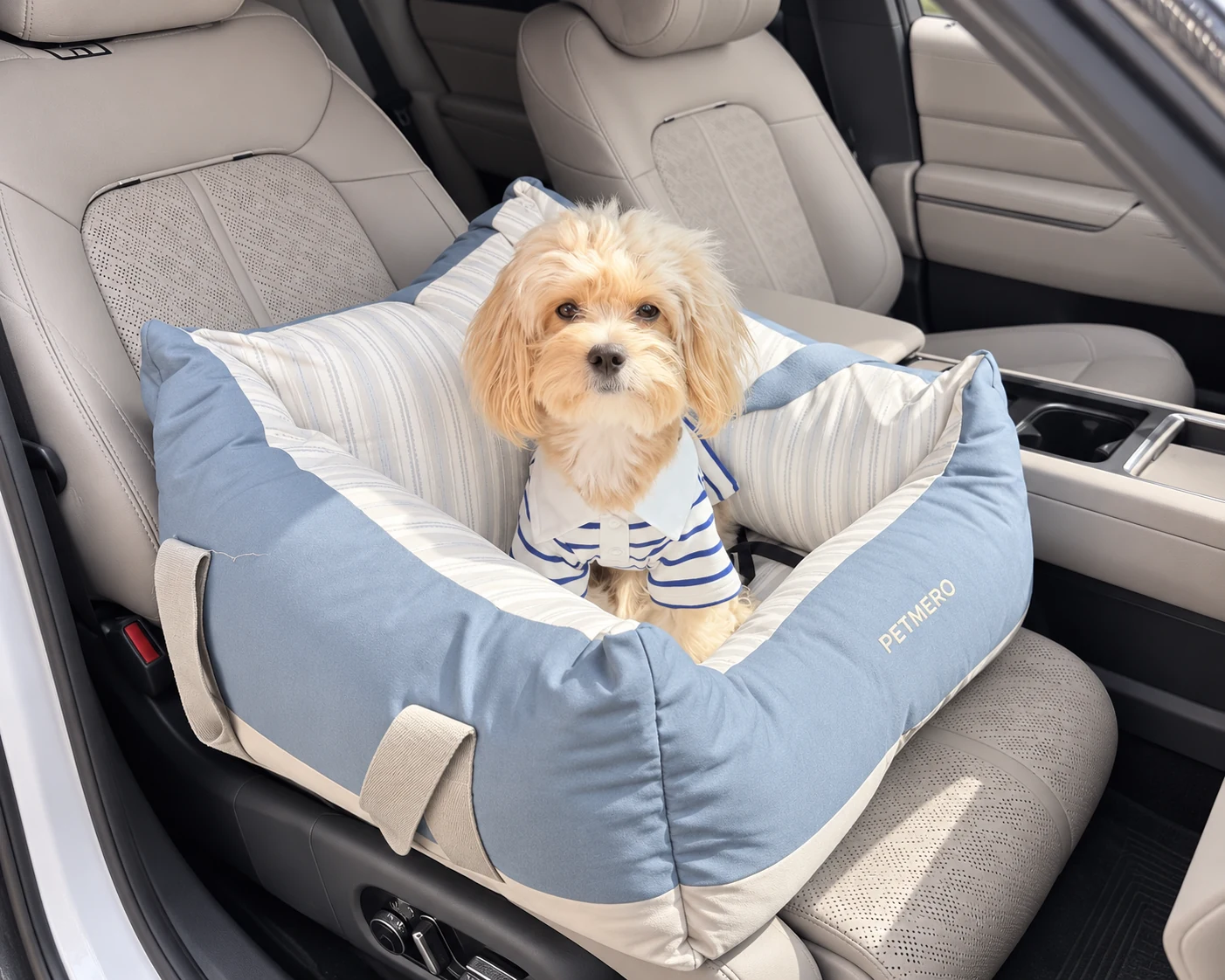
Start with dog fit and vehicle fit, then check the attachment.
Explore collectionCarriers, backpacks, strollers and dog car seats solve different parts of a journey. Use the four product pages above for model-specific details; use this category level to decide which roles belong in the same range.
Start with usable pet space, openings and the carrying arrangement. The selected carrier page should hold the detailed size and construction decisions.
A backpack has to work for both the pet and the person carrying it. Review the pet compartment and the wearer fit as two separate parts of the same product.
A stroller adds a cabin, frame, wheels and a folding sequence. Review the complete setup open, folded and packed rather than judging the cabin alone.
For a dog car seat, begin with the seat space, attachment method and intended use. Comfort, elevation and restraint claims should not be treated as the same thing.
The useful dimensions depend on how the product is used. Keep the pet-facing fit separate from the wearer or vehicle fit, and keep both separate from the folded or shipping dimensions.
Confirm the usable interior or cabin space, entry points, base or support and the intended pet-size range for the selected design. A single weight figure does not describe every fit question.
Handles, shoulder straps, backpack harnesses, stroller controls and vehicle attachment points create different handling requirements. Review only the ones that belong to that product type.
Record the product in use, folded or packed dimensions, included parts and carton arrangement separately. This makes cross-SKU shipping and presentation easier to compare.
Terms such as airline-approved, crash-tested or load-rated need evidence for the exact model, configuration and intended market or use. Do not infer them from a travel product name, photo or general category.
A sample can look right on its own and still create inconsistencies across a collection. Use one pass for the selected SKU and a second pass for the range buyers will see side by side.
Match the agreed usable dimensions, openings and included parts to the quotation or approved specification.
Use the product the way it will be used: carry it, wear it, fold it, roll it or install it. Check closures, adjustment and removable parts where they apply.
Confirm instructions, labels, care information and any model-specific evidence needed for the claims planned on the retail pack.
Check the packed presentation, accessories and carton information so the delivered version matches the approved sample.
Place the selected products together and compare colour direction, logo hierarchy and packaging presentation under the same viewing conditions.
Keep product roles clear. A carrier, backpack, stroller and car seat should not use copy that makes different functions sound interchangeable.
Compare folded or packed size and carton information so bulky and compact items are not evaluated on unit price alone.
Keep approval records by SKU. Shared branding does not replace product-specific fit, construction and claim evidence for each item.
A useful first enquiry does not need every technical answer. It needs enough structure to show which travel roles belong in the project and which decisions still have to be confirmed item by item.
Shortlist carriers, backpacks, strollers or dog car seats that belong in the range.
Use an existing PETMERO reference, your own photo or a sketch, and note what you want to keep or change.
Share the intended use setting and the pet-size or fit information already known for each selected product.
Give estimated quantities by SKU or variant and the delivery country so the commercial discussion starts in the right context.
Add logo direction, colour preferences, retail packaging and any market or test requirements already known.
For a travel collection, agree which products are included, what each quotation covers and which claims have model-specific support before committing to the range.
Treat each selected SKU or configuration as its own commercial line. Send the full range together so the quotation can be coordinated, but final MOQ and pricing should be confirmed for each selected item rather than assumed to be shared across the range.
Request evidence for the exact model and configuration, then compare it with the requirements of the intended airline, market or vehicle use. The category name or product photo is not enough.
A shared brand direction can be planned, but logo placement, application method, pack size and required information can differ by SKU. Approve each selected product and its packaging separately.
Do not assume they can share one minimum or price tier. List the variants you want by SKU and quantity so availability, MOQ, pricing and packing can be confirmed for the actual mix.