Ref. R02-01
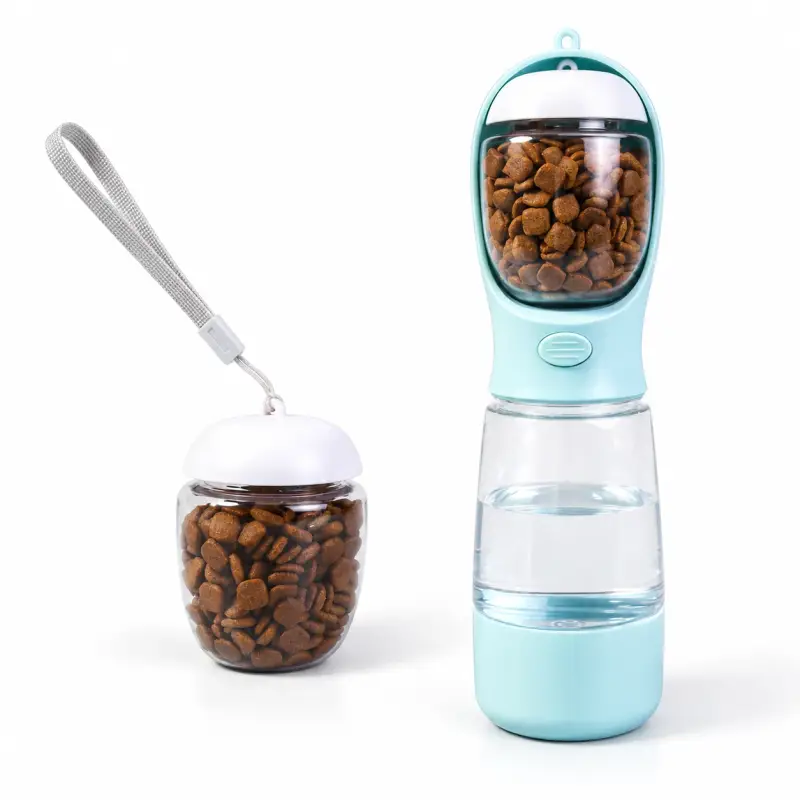
2-in-1 dog water & food bottle
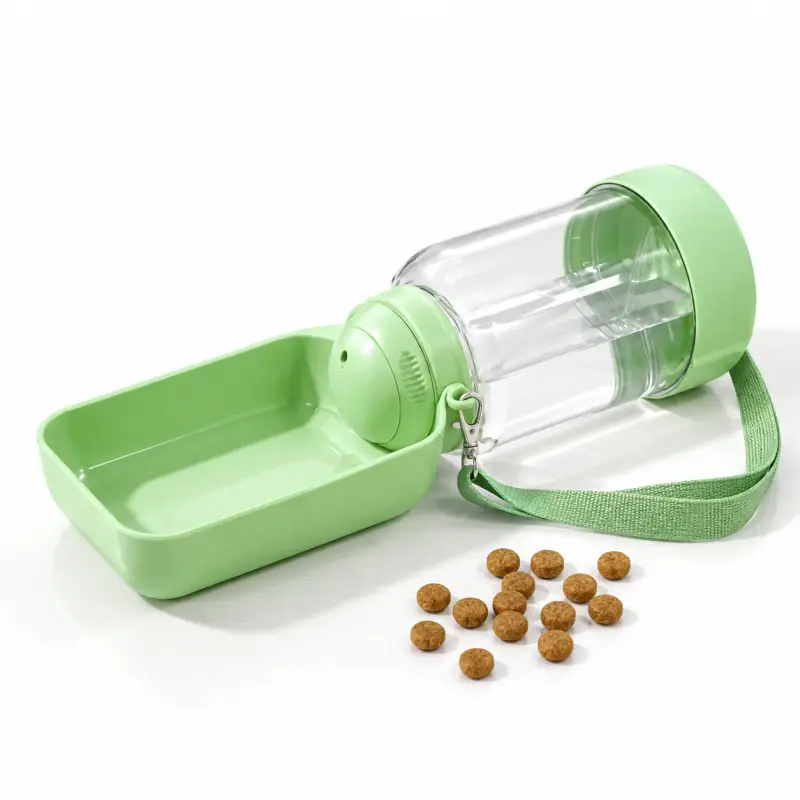
Water and dry food travel in one set, with separate ends for each. Check both capacities and how the two sections seal.
Compare portable dog water bottles, collapsible travel bowls and combination feeding sets for walks, trips and outdoor ranges. Start with capacity, drinking or bowl format, packed size and carrying method, then review materials, colours, branding and packaging for the selected reference.
Compare what the actual reference does before choosing a capacity: R02-01 separates dry food and water; R02-02, R02-06, R02-08 and R02-11 have different fold-out drinking surfaces; R02-03, R02-05 and R02-12 use scoop or covered-tray tops; R02-07 is a collapsible bowl, not a bottle. R02-09 shows a separate drinking component, while R02-10 compares different round carry-bottle bodies. For each Ref. ID confirm the quoted water or food capacity, material, closure, included parts, packed dimensions and cleaning access.
Water and dry food travel in one set, with separate ends for each. Check both capacities and how the two sections seal.
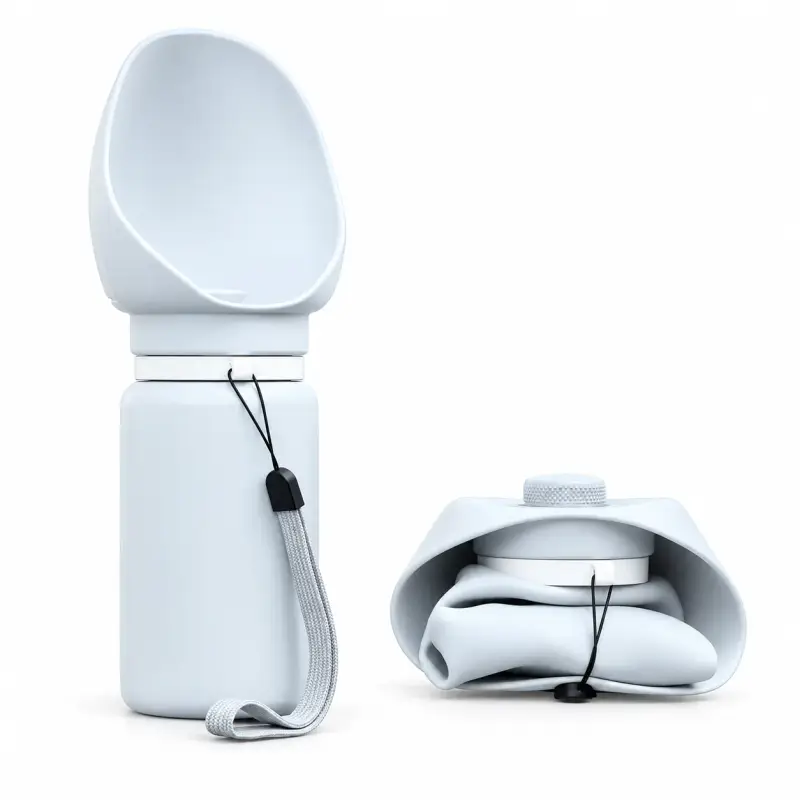
The drinking trough folds against the bottle for a slimmer carry profile and opens when the dog needs water.
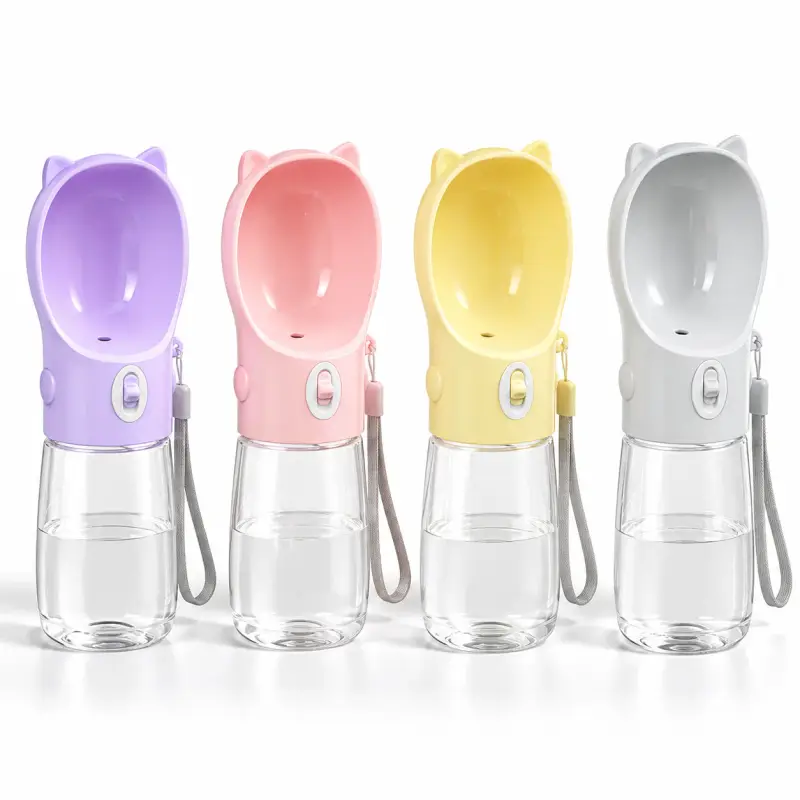
The scoop-shaped top doubles as the drinking surface, so no separate bowl is needed for a quick water stop.
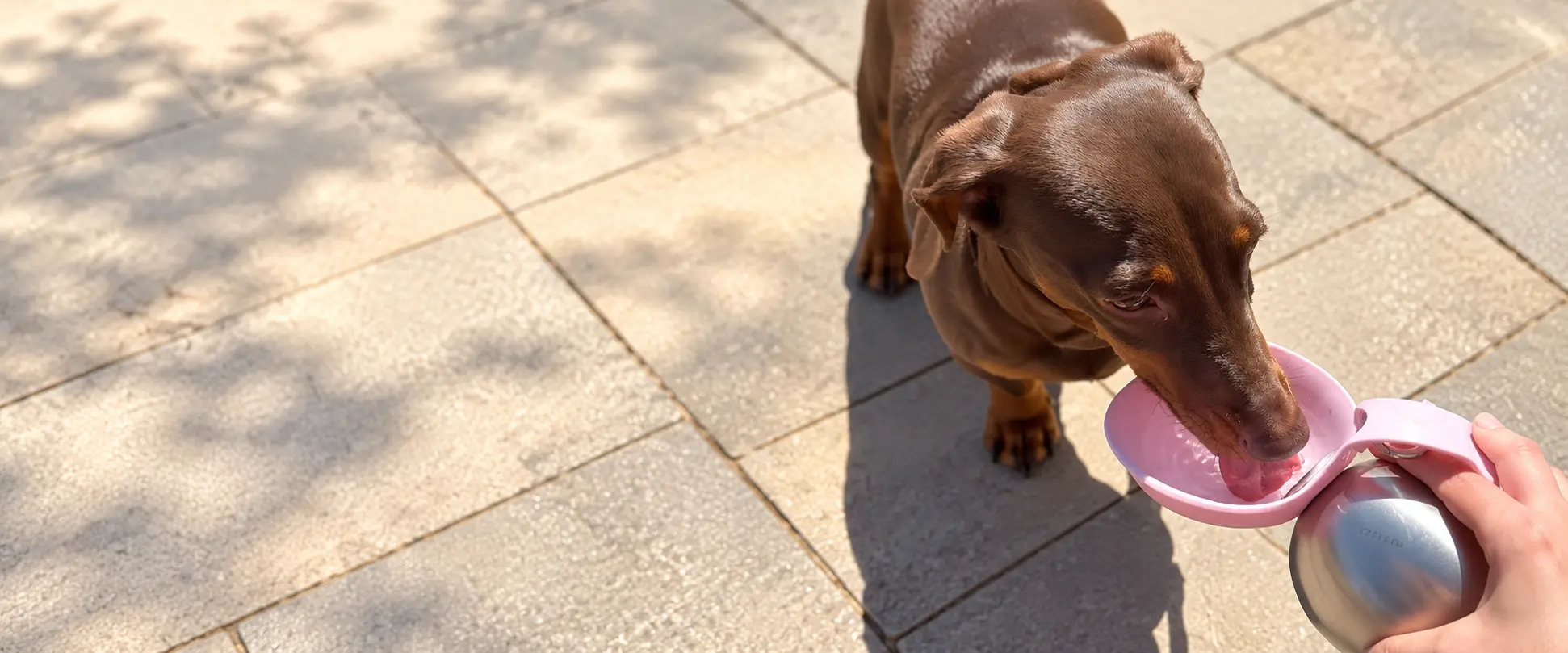
A fold-out drinking-tray format for travel. For larger dogs, multiple pets or longer trips, ask about a 1–1.5 L capacity target and confirm the exact available size.
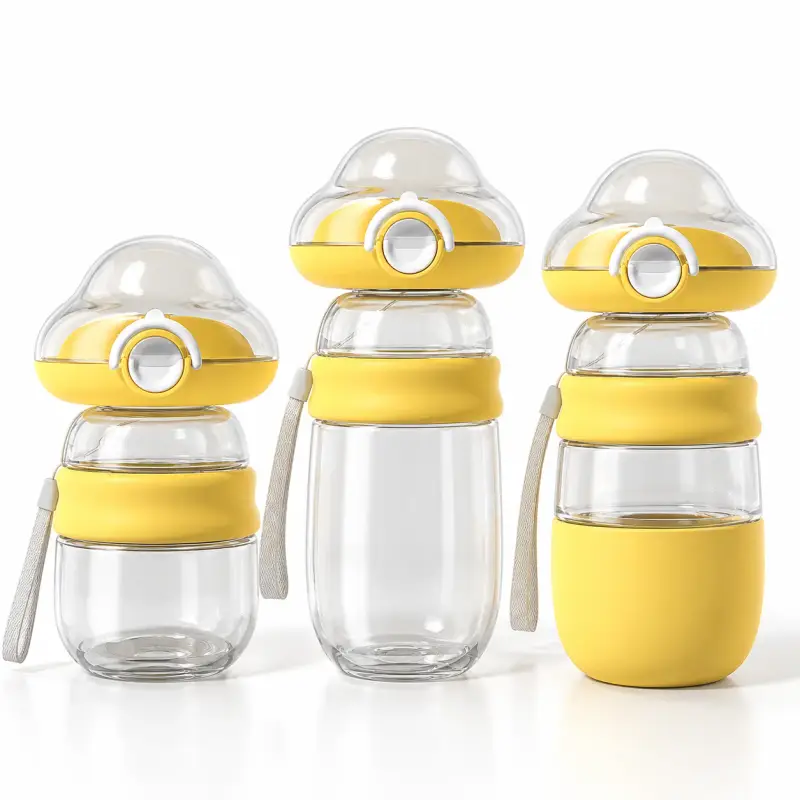
The drinking tray closes over the top when packed, keeping the drinking surface contained inside the carry shape.
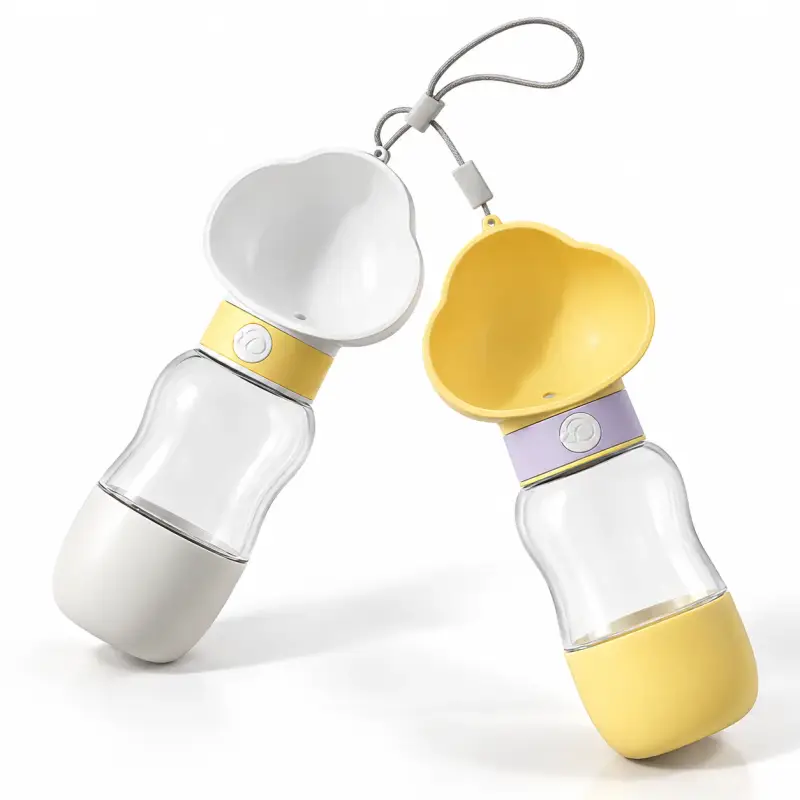
The drinking scoop pivots out when needed and folds back against the bottle for travel.
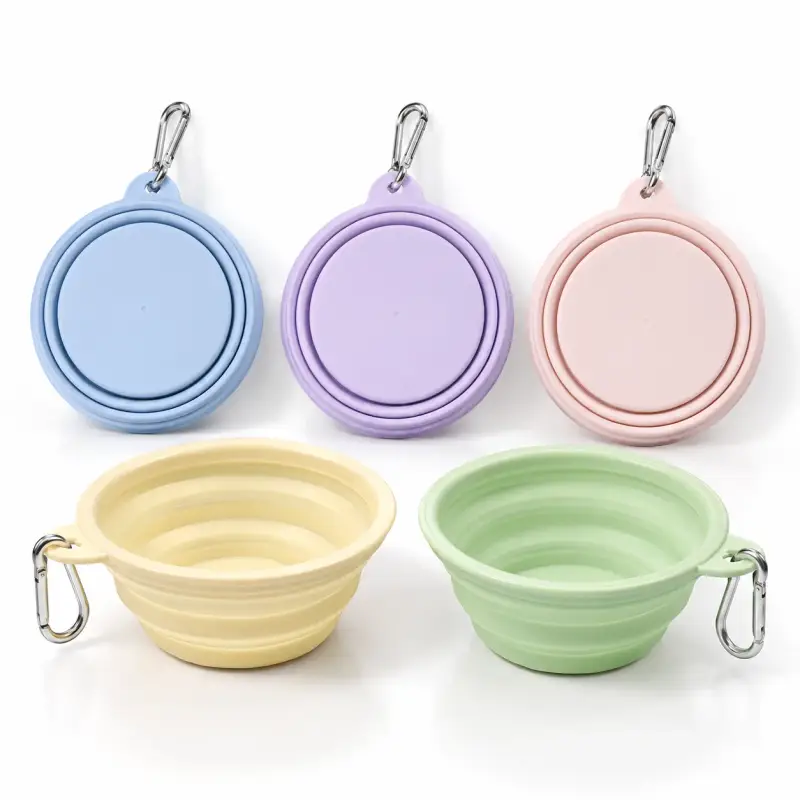
Collapsible silicone bowls fold flat and clip to a bag or leash, making them useful when water is carried separately.
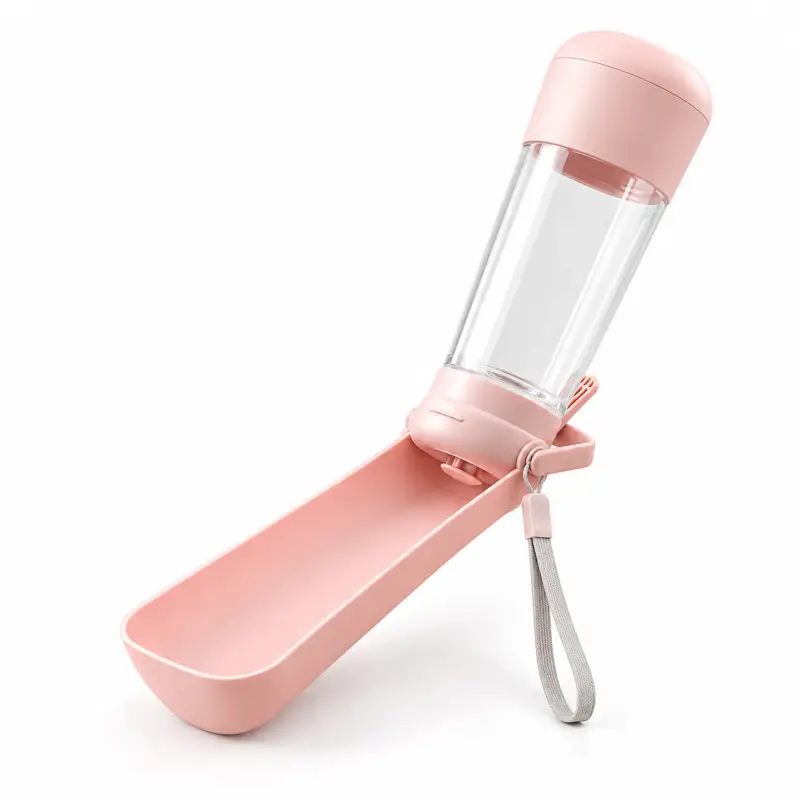
The extended trough gives the dog a longer drinking area, with extra packed length to account for when carrying it.
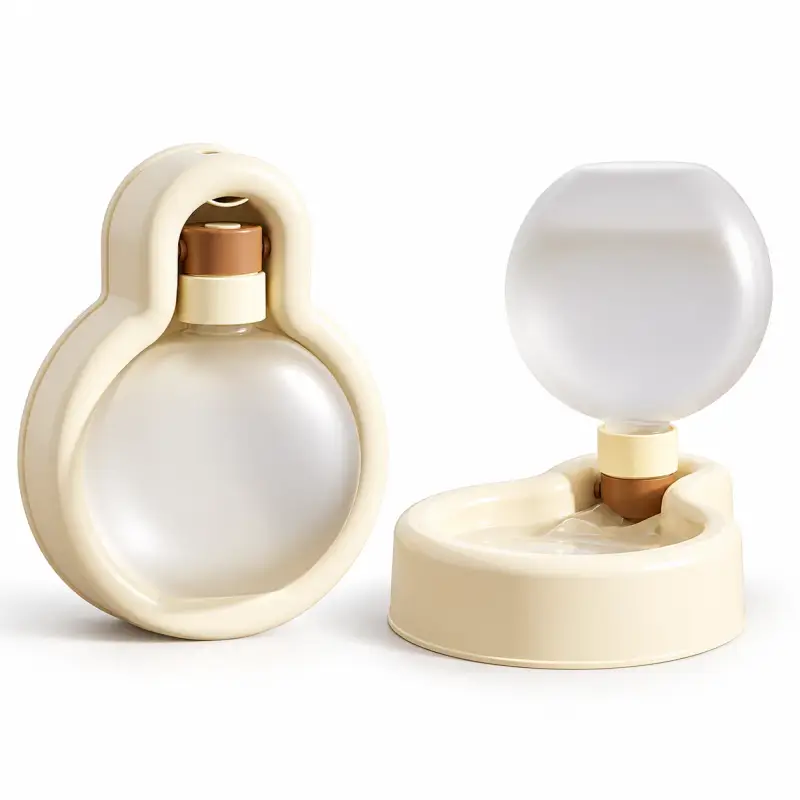
The drinking tray separates from the round bottle, which changes how the set packs, cleans and stores between uses.
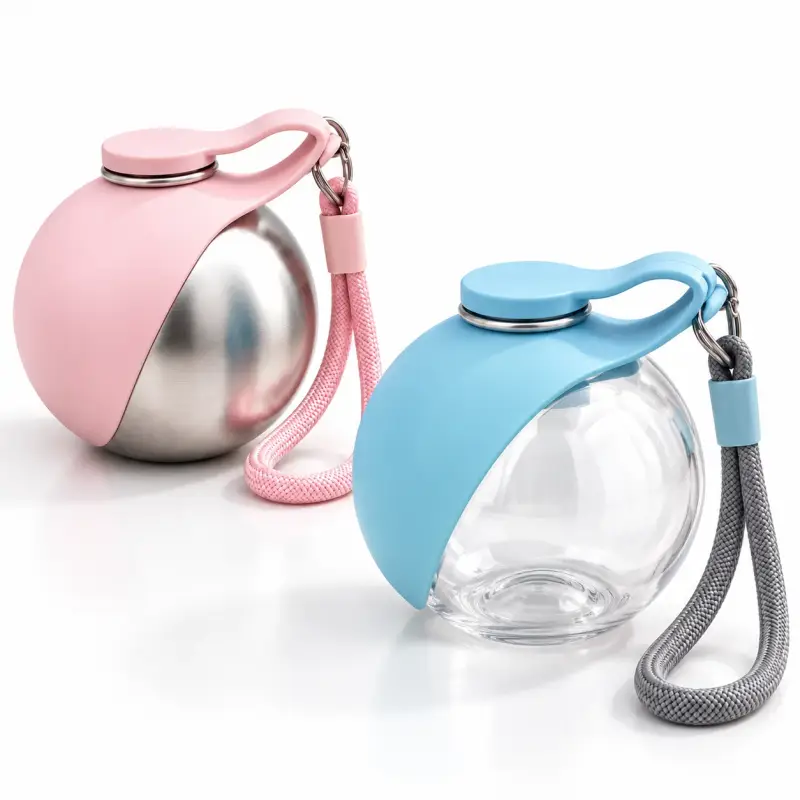
Compare potential plastic and stainless-steel body options, then confirm model availability, weight, finish and drinking-interface compatibility before selecting the quoted version.
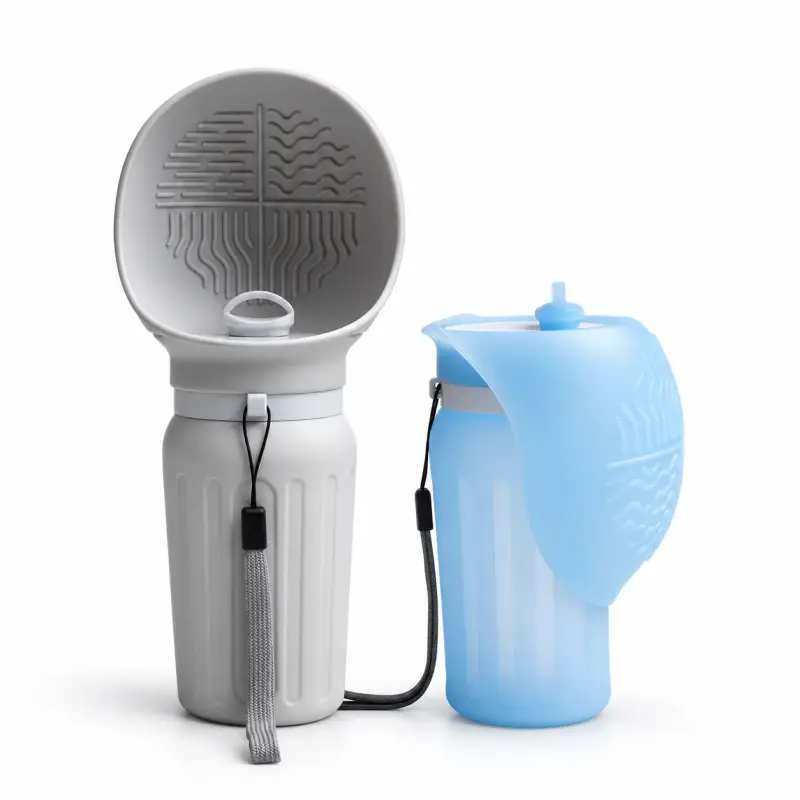
A broad drinking cup folds over the bottle, giving the dog more drinking space without adding a separate bowl.
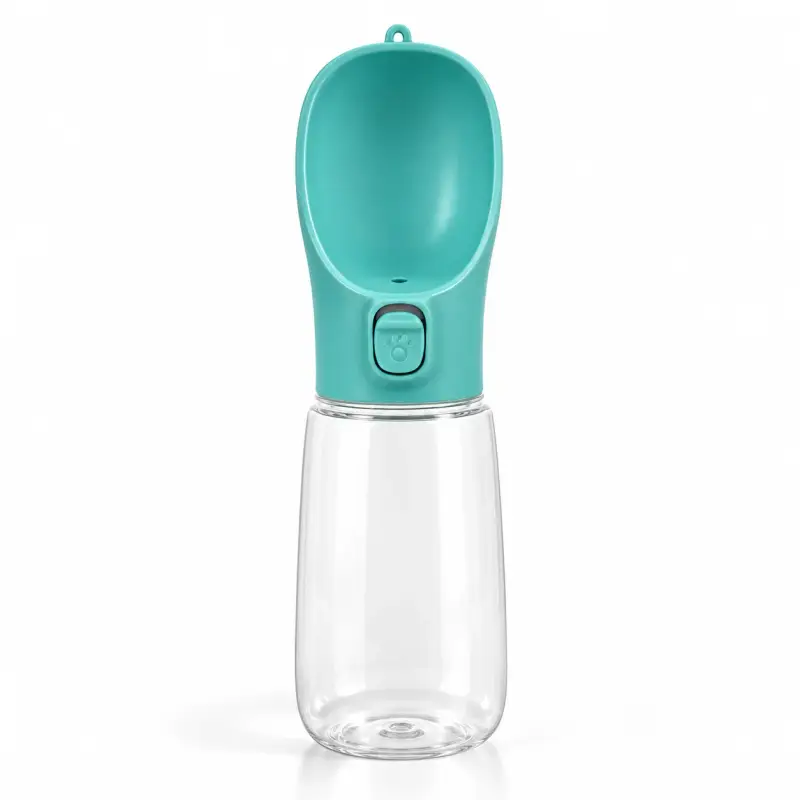
The clear reservoir makes the fill level easy to see, paired with a scoop-style drinking top for travel.
| Format | How it works | What to compare |
|---|---|---|
| Portable dog water bottle | An integrated tray, scoop or cup lets the dog drink directly from the bottle system. | Bottle capacity, drinking-surface size, dispensing or lock mechanism, cleaning access and carrying method. |
| Fold-out or hinged drinking bottle | The drinking surface folds against the bottle when packed and opens for use. | Deployed tray or scoop size, hinge movement, closure, packed dimensions and how it is carried. |
| Collapsible travel bowl | The bowl opens for food or water and folds down to reduce packed volume. | Open capacity, folded thickness, rim and base stability, material, and any clip or hanging loop. |
| Food-and-water combination | Separate food and water sections are carried in one coordinated travel format. | Water and food capacities listed separately, compartment seals, included pieces and total packed dimensions. |
A smaller reservoir or bowl is lighter and takes less space, which can suit small dogs, cats, short walks and everyday carry. The trade-off is less water or food reserve, so confirm the usable capacity and drinking area rather than choosing by outside dimensions alone.
A mid-size travel format balances reserve, packed size and handling for routine outings and day trips. Compare filled weight, drinking-surface size and how comfortably the product can be held, clipped or stored in a bag.
The large green dog water bottle direction is intended for higher-capacity needs such as larger dogs, multiple pets or longer trips. Confirm the exact 1–1.5 L version being quoted, filled weight, tray size, closure and carrying method because the extra reserve also adds bulk.
The collapsible bowl reference has a silicone bowl body; confirm the exact material composition for the selected version. Silicone is useful where fold-flat storage matters; for sourcing, confirm thickness and flexibility, open capacity, folded height, rim and base stability, clip attachment, cleaning and how well the bowl returns to shape after repeated folding.
Plastic can support lighter portable bottle formats and a wide range of molded tray or scoop shapes. Confirm the actual resin or material grade for the selected reference, wall construction, empty and filled weight, surface finish, closure interface and the food-contact documentation required for the destination market.
The round carry-bottle direction is also available with a stainless-steel body. Confirm the actual steel grade, gauge or wall construction, empty and filled weight, surface finish, joins, closure interface and branding method rather than treating it as the same specification as the plastic version.
Portable pet water bottles often combine a reservoir with separate trays, caps, seals, hinges, straps or clips. Confirm the material and construction of each included component on the approved reference, especially where different materials meet or move together.
Review how water enters the tray or scoop, how the flow stops and whether unused water can return to the reservoir on designs that support that function. A simple sequence matters when the other hand may already be holding a leash.
Check caps, valves, seals, locks and joins on the exact sample. If a leak-resistant claim matters, define the fill level and carrying position used for testing, including upright and side storage where relevant.
Compare the complete closed product, including tray, cap, clip, strap or food compartment where included. Record packed dimensions and filled weight so portability is judged from the finished item, not from capacity alone.
Review access to the bottle neck, drinking surface, bowl corners, hinges and seals. Confirm which parts detach, how they reassemble, and how the finished product should be washed and dried before storage.
Confirm bottle or bowl capacity together with the exact tray, scoop, lid, clip, strap or food compartment included in the selected version. Treat every included piece as part of the quoted SKU.
Specify colours for the bottle, tray, cap, flexible bowl and accessories where relevant. Review logo position in both the packed and open configuration so branding remains visible without interfering with moving or drinking parts.
Confirm the actual material or grade for the selected product and any food-contact documentation required for your market. Then define instructions, retail packaging and protection around the finished set.
Start with a PETMERO Ref. ID, your own photo or a similar travel-feeding product and note the format you want to keep or change.
Confirm the intended water or food capacity, drinking or bowl format, packed size and the components that need to travel together.
Open, fill, close, carry, clean and reassemble the product. Check moving parts, seals, removable pieces and the details that matter to your project.
Confirm colours, branding, included accessories, instructions and packaging so the quoted and delivered product describe the same finished SKU.
The drinking surface depends on the design. It may be a fixed tray, fold-out trough, scoop or cup connected to the reservoir. Confirm how water is released, how the drinking section opens and closes, and whether unused water can return to the bottle on the selected reference.
Start with the intended trip length and target dog size, then compare reservoir volume with filled weight, drinking-surface size and packed dimensions. PETMERO references include compact formats as well as a large-capacity 1–1.5 L direction; confirm the exact capacity for the quoted version.
Compare capacity, drinking area, dispensing or lock mechanism, seals, packed dimensions, grip or strap, cleaning access and removable parts. Review the complete product in both its packed and open states rather than choosing from reservoir volume alone.
Check open capacity and dimensions together with folded thickness and packed shape. For the collapsible silicone bowl reference, also review silicone thickness and flexibility, rim and base stability, clip attachment and how the bowl recovers after repeated folding.
The material changes weight, wall construction, surface finish and branding options. For the round carry-bottle direction, confirm whether the quoted version is plastic or stainless steel, and confirm the actual steel grade where applicable instead of assuming one specification from the image.
Do not assume that from the product format alone. Leakage depends on the cap, valve, seals, assembly and carrying conditions. If a leak-resistant claim matters to your project, define the fill level and carrying position used for sample testing.
Yes, one reference combines a water-dispensing end with a separate dry-food compartment. Confirm the water and food capacities separately, how each end seals, which parts detach for cleaning and exactly what is included in the finished set.
Check access to the bottle neck, drinking tray or scoop, hinges, seals and any narrow channels. Confirm which parts detach, how they reassemble, and the washing and drying method intended for the finished product.
Customization depends on the selected construction and surface. Start with the reference you want, then confirm feasible colour changes, logo position and method, included accessories, instructions and retail packaging for that exact version.
Start with a Ref. ID, a photo, a similar product or simply a question. Tell us whether you are considering a portable water bottle, collapsible travel bowl or combination set; add capacity, quantity, destination, colours, logo or packaging details only if you already know them.