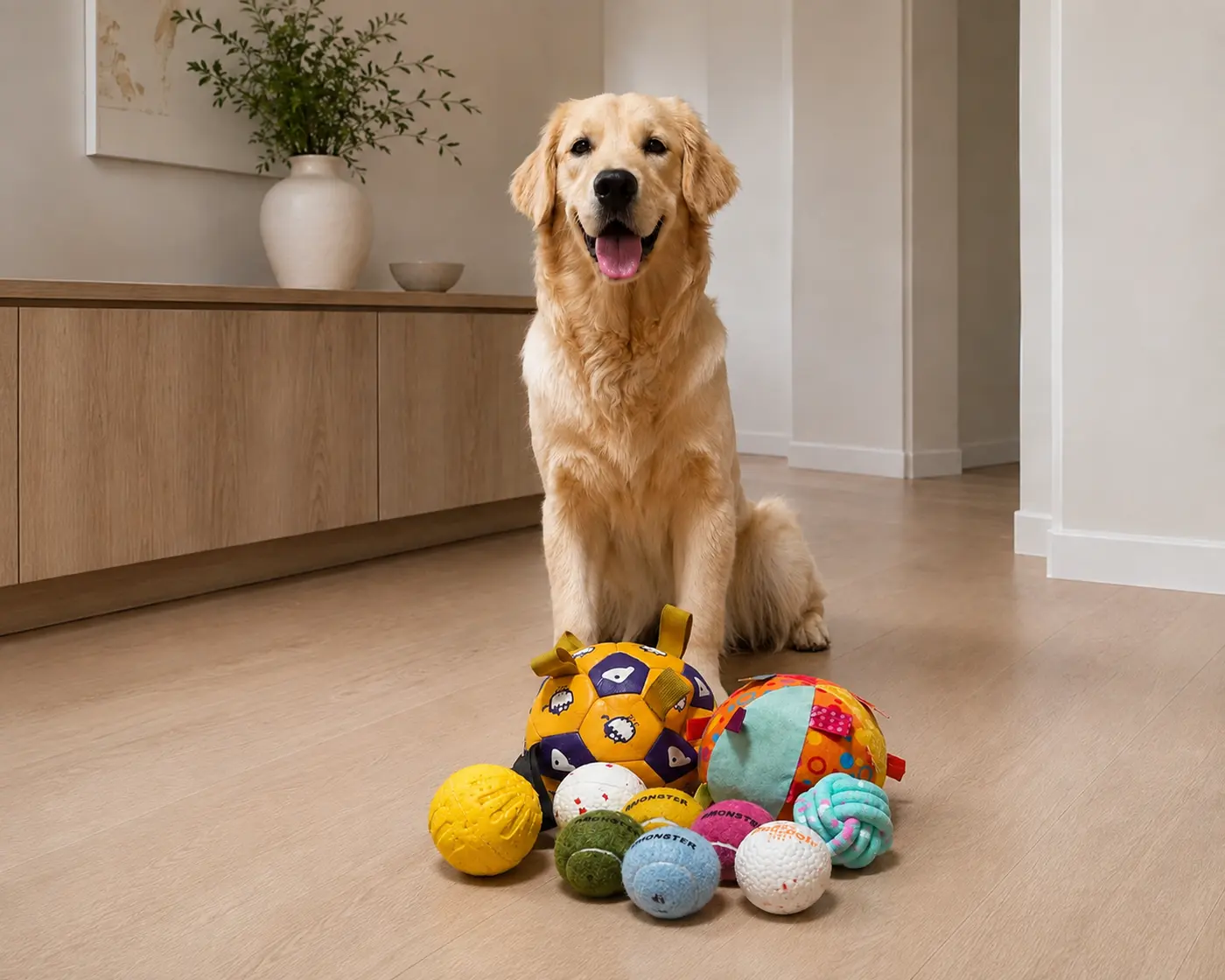
Ref. R01-01
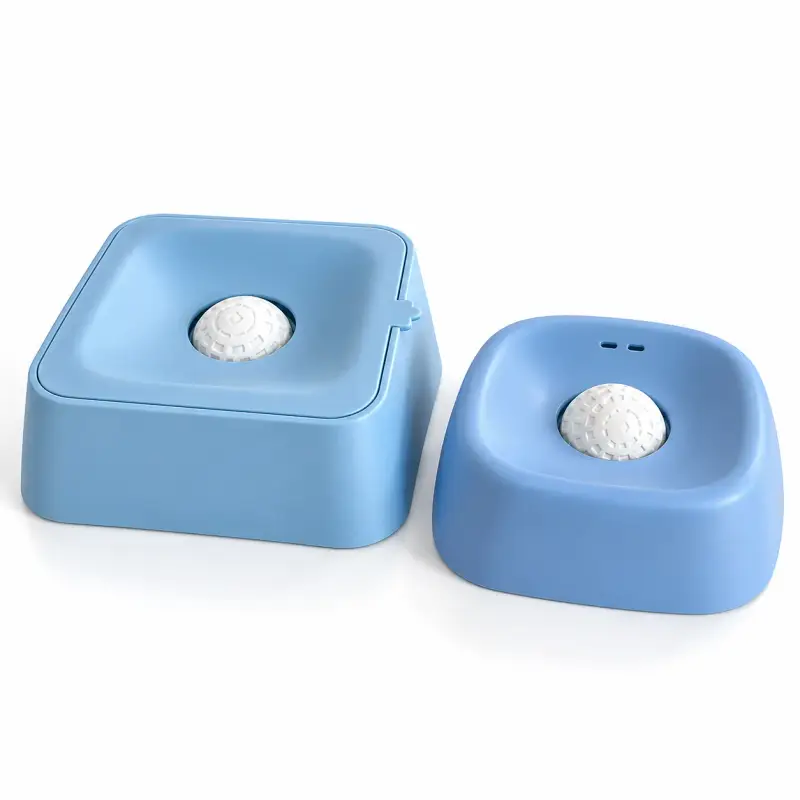
Blue rolling-ball slow feeder bowls
For soft, moist or semi-fluid foods; compare the rolling-ball opening, usable feeding area and cleaning access.
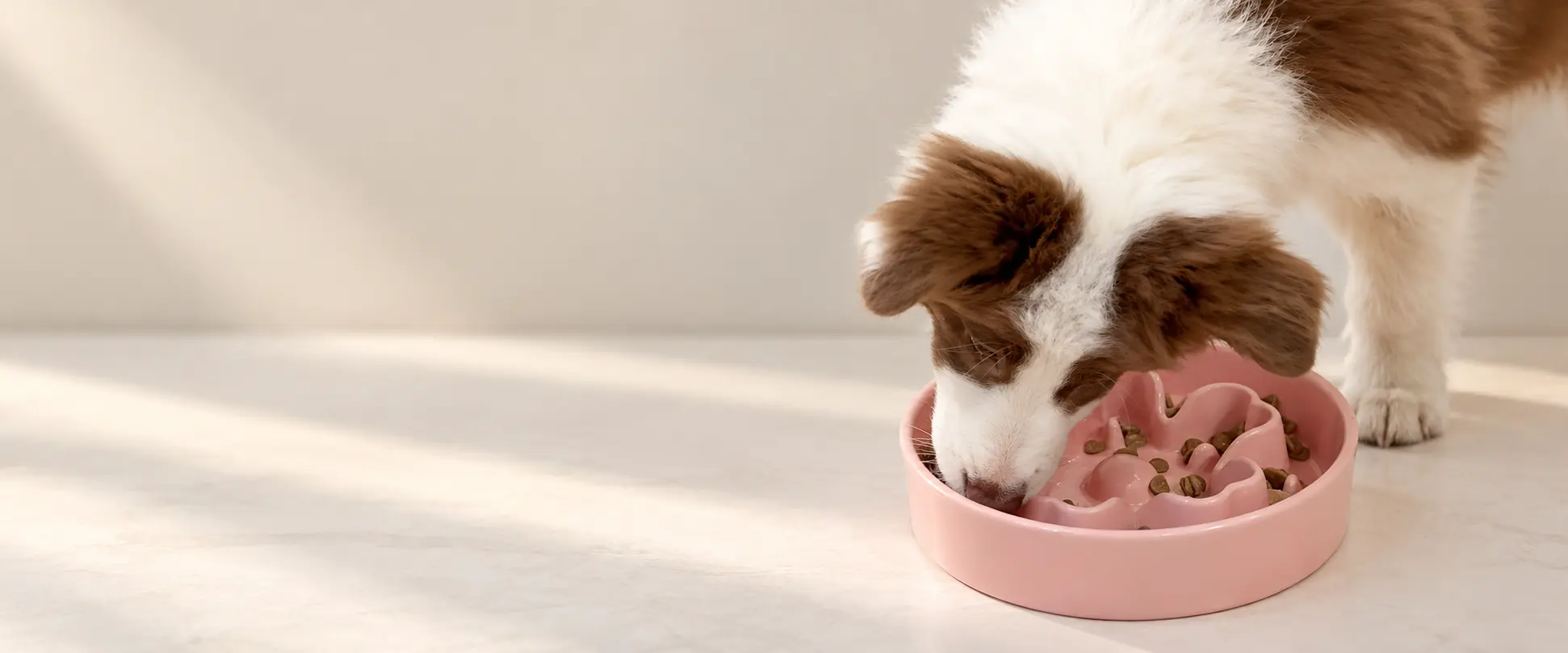
Compare maze and patterned slow feeder bowls, rolling-ball lick bowls, raised feeding sets and lick mats by how they handle the food you plan to use. Start with the feeding structure and cleaning access, then review size, material, colour, branding and packaging for the selected reference.
Choose by feeding format, not just bowl shape. R01-01 is a rolling-ball lick bowl for soft, moist food. R01-02–10 cover maze or raised-pattern slow feeder bowls, including raised feeding sets. R01-11–12 are textured lick mats, not bowls. Compare the intended food, usable feeding area, included parts and cleaning method before selecting a Ref. ID for samples or pricing.
For soft, moist or semi-fluid foods; compare the rolling-ball opening, usable feeding area and cleaning access.
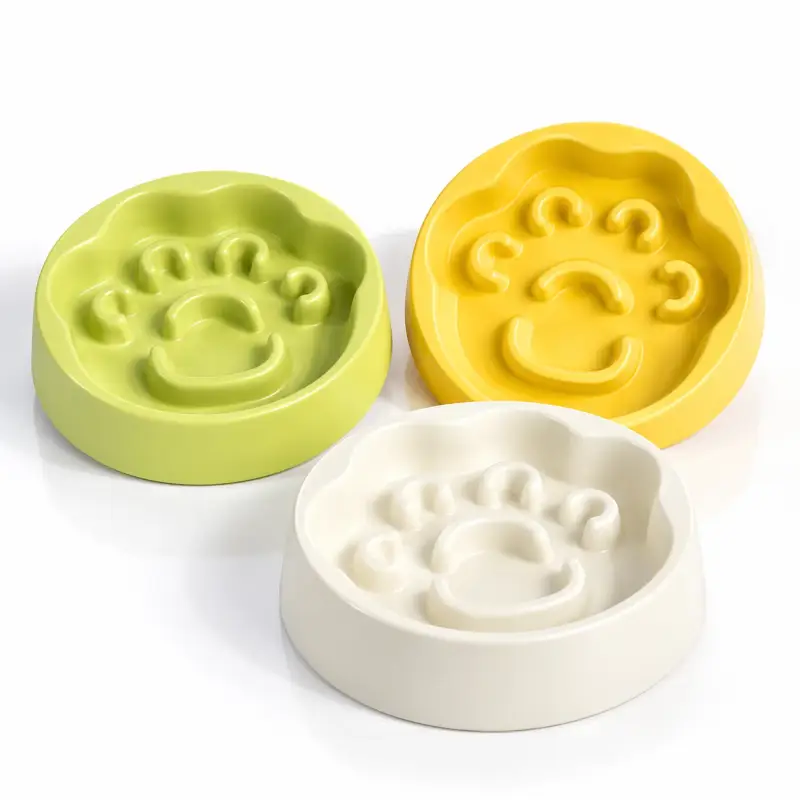
Raised paw sections divide the bowl into smaller feeding spaces; review channel width, depth and usable area for the food you plan to serve.
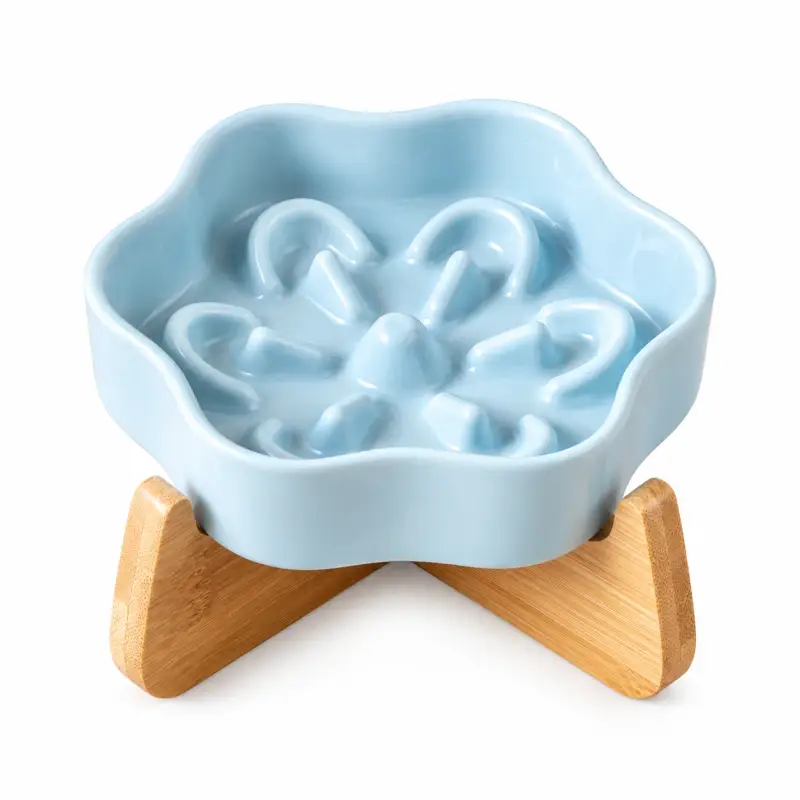
A slow-feeder bowl paired with a raised stand; check bowl fit, stand height, footprint and cleaning access.
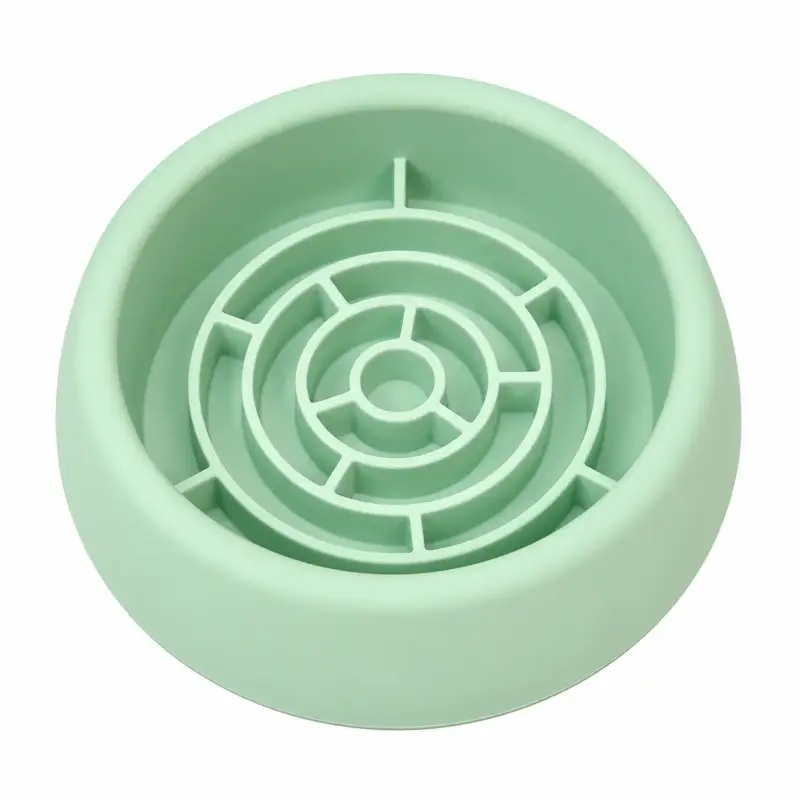
The circular maze creates narrow feeding paths; review channel width, barrier height, bowl depth and usable food area.
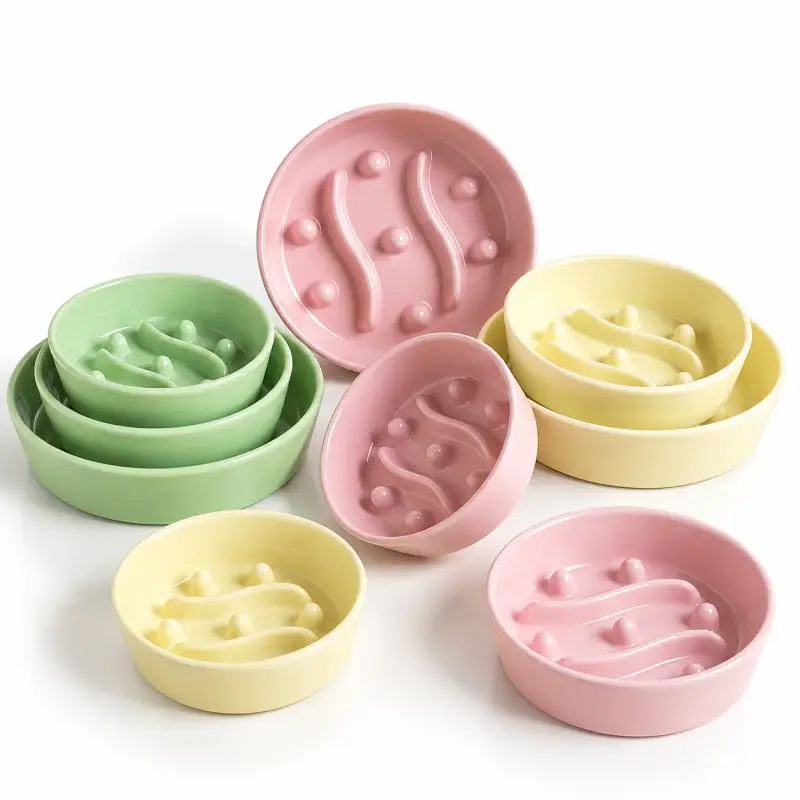
A colour-led group of raised-pattern bowls; approve the feeding geometry first, then size and colour options.
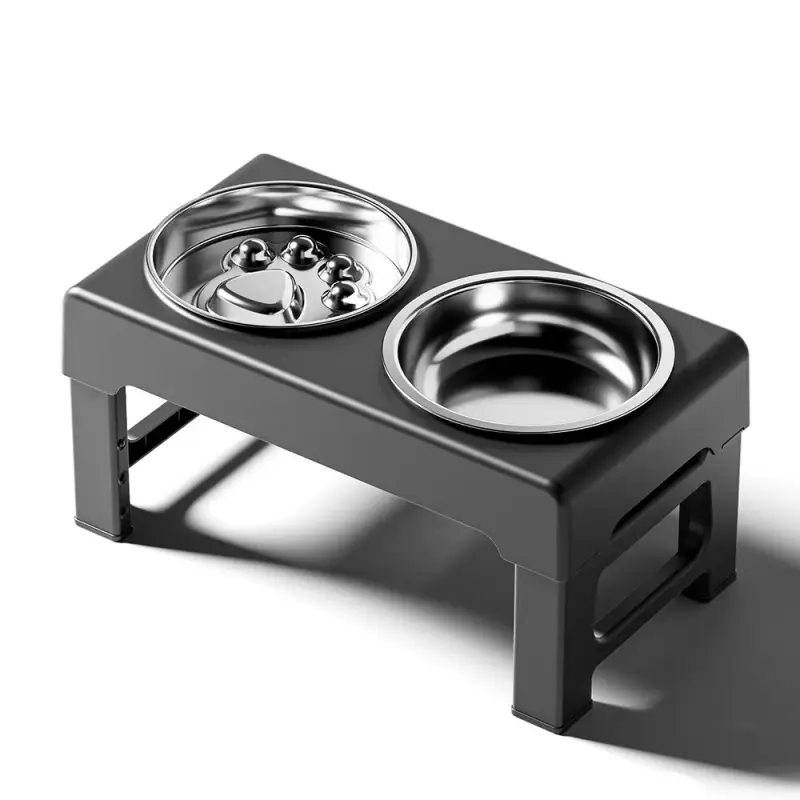
A two-bowl raised station with one patterned slow-feeder position; check footprint, bowl fit and removability.
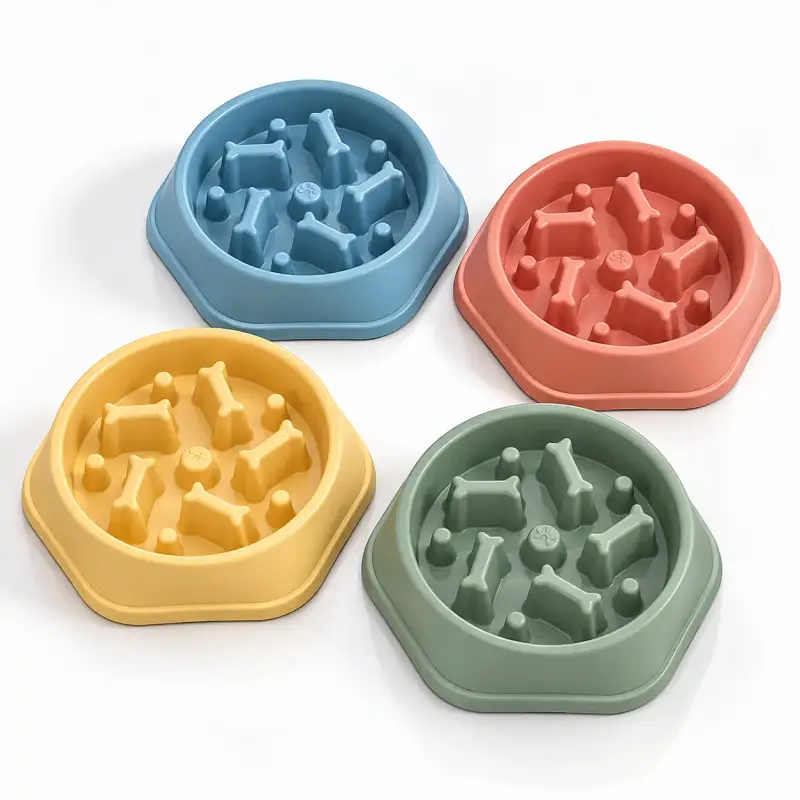
One maze direction shown across four colours; keep feeding geometry consistent while planning the colour assortment.
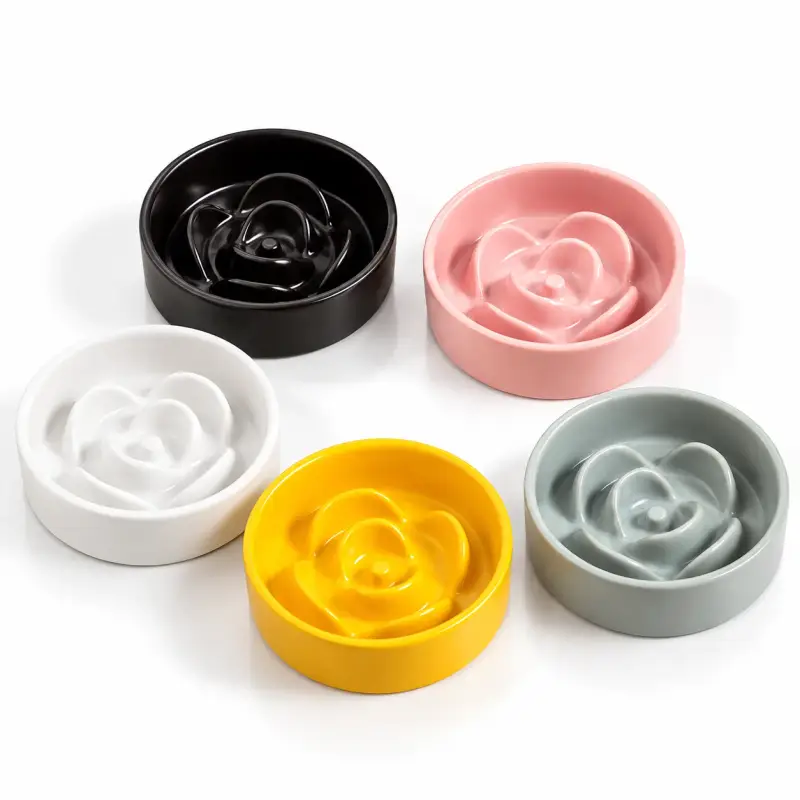
Flower-shaped barriers create repeated feeding channels; review opening width, depth and usable area before branding.
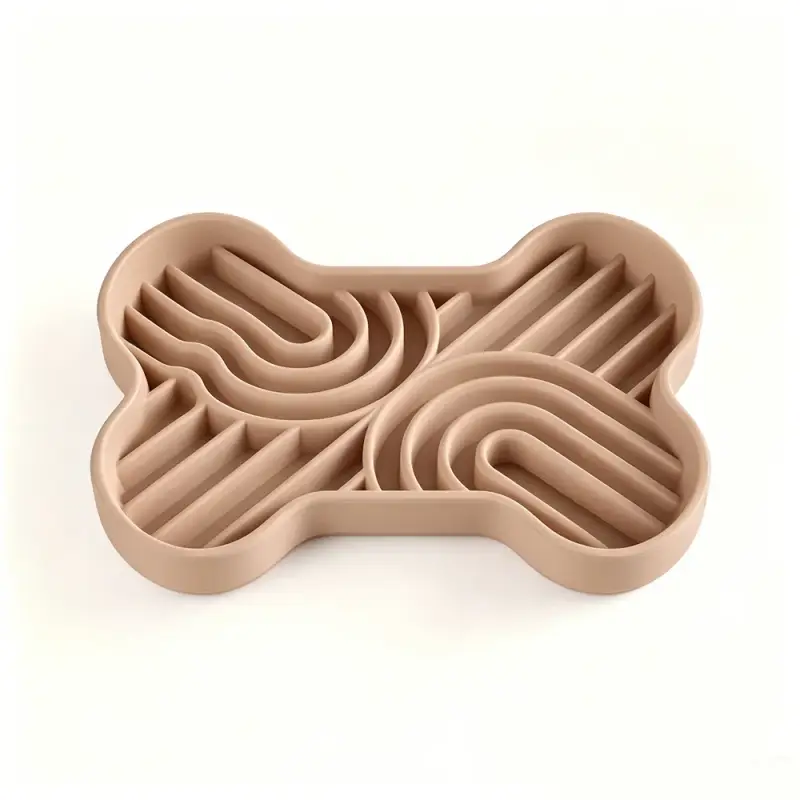
The bone-shaped footprint changes both feeding area and packing shape; check maze access, corners and overall dimensions.
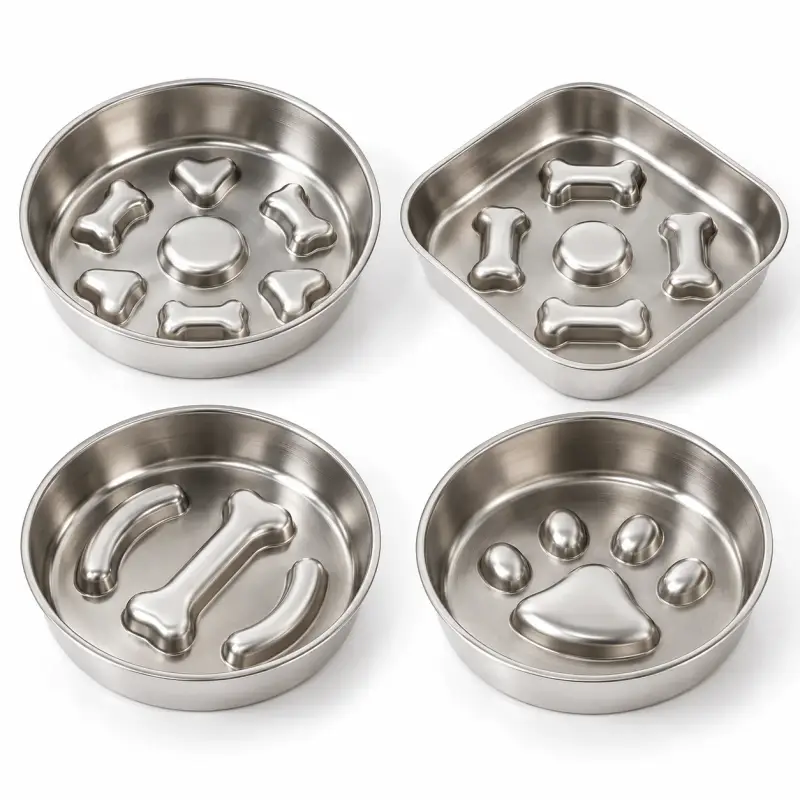
A metal-look slow-feeder direction; confirm the actual material and finish before discussing grade or specification.
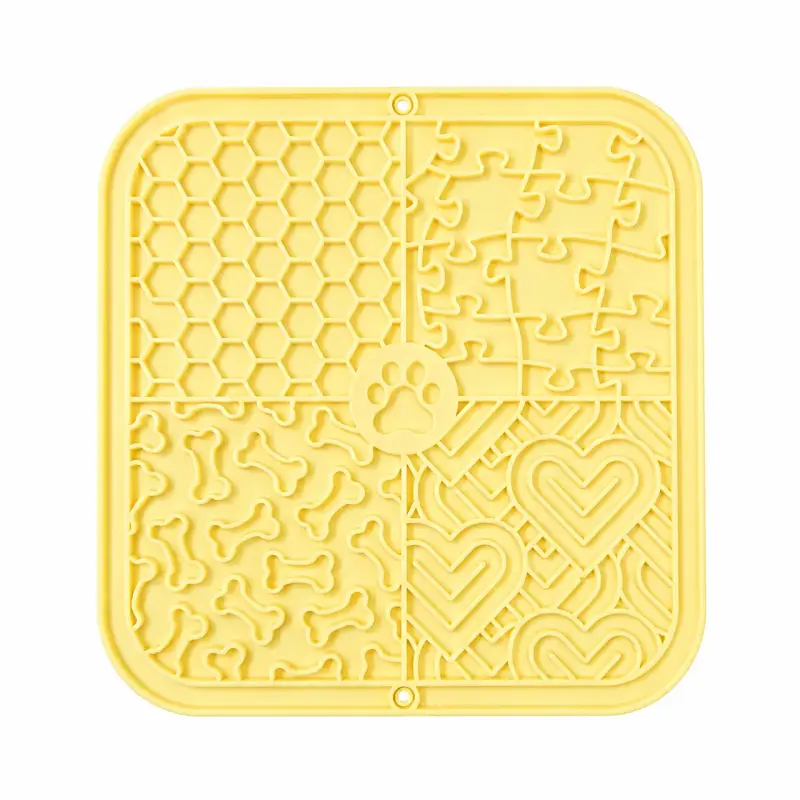
A square lick mat for spreadable foods; review textured area, groove depth, edge design and backing where included.
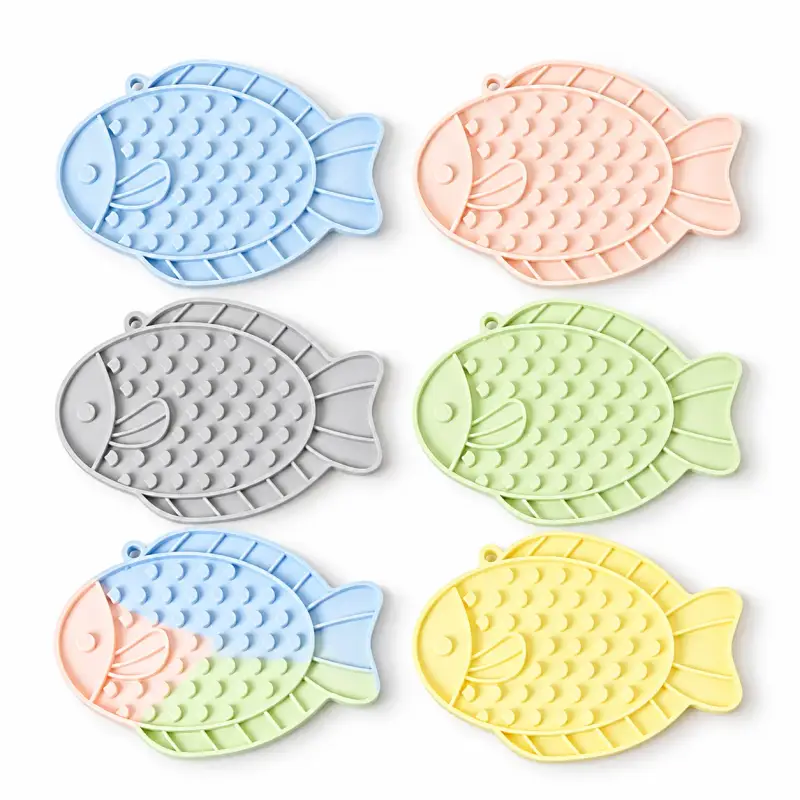
Fish-shaped lick mats with raised textures; review usable spreading area, edge shape, backing and pack format.
| Format | Food-use direction | Details to compare |
|---|---|---|
| Maze & patterned slow feeder bowl | A strong starting point for dry kibble and, depending on the channel geometry, some chunky wet or mixed meals. | Channel width, barrier height, bowl depth, usable food area and cleaning access. |
| Rolling-ball lick bowl | Designed for soft, moist or semi-fluid foods such as pouch or canned wet food, plain unsweetened yogurt without xylitol, where suitable for the dog and purées. | Centre opening, ball size and movement, usable feeding area, disassembly and cleaning access. |
| Raised slow feeder set | A slow-feeding bowl forms part of an elevated or multi-bowl feeding station. | Bowl geometry, assembled height, overall footprint, spacing and whether the bowls or inserts remove. |
| Lick mat | Food is spread over a textured surface rather than held as a bowlful. | Usable textured area, groove depth, edge design, cleaning and backing or suction where included. |
Common for molded maze and raised-pattern bowls. For sourcing, confirm the resin or material grade required for your market, wall thickness, feeding-pattern dimensions, surface finish, base construction and the cleaning method for the selected design.
Common for flexible slow feeders, lick bowls and lick mats. Confirm thickness and flexibility, texture depth, backing or suction where included, food-contact documentation required for your market, and how the finished product will be cleaned and packed.
Used for formed bowls and some removable slow-feeder inserts. Confirm the actual steel grade, gauge or wall thickness, rim and seam construction, surface finish, non-slip or base components where included, and how the bowl fits any stand.
A rigid, heavier bowl direction where glaze, decoration and shipping protection become part of the specification. Confirm body dimensions and weight, glaze or decoration requirements, finished quality checks and protective packaging for the selected design.
Use a reference, drawing or marked-up image to define the bowl, maze, rolling-ball or textured-surface direction. Confirm dimensions and any structural change before branding is approved.
Choose colours and logo placement around the actual product surface. Keep branding clear of areas where it could interfere with feeding, movement, assembly or routine cleaning.
Confirm every bowl, insert, ball, stand or other included component for the selected version, then define labels, instructions and retail packaging around that finished configuration.
Start with a PETMERO Ref. ID, your own photo or a similar product and note the direction you want to keep or change.
Review the intended food, practical feeding area and key dimensions for the selected format before the specification is fixed.
Check the feeding geometry, moving or removable parts, base or stand, cleaning access and the details that matter to your project.
Confirm colour, branding, included parts, instructions and packaging so the quoted and delivered version describe the same finished SKU.
Rolling-ball lick-bowl formats are intended for soft, moist or semi-fluid foods such as pouch or canned wet food, plain unsweetened yogurt without xylitol, where suitable for the dog and purées. Check the opening, ball movement, usable feeding area and cleaning access on the selected version.
For a general food-and-water assortment, first compare standard bowls, removable-insert sets and raised stands in our Dog Bowls range. Choose a slow-feeder reference when your range specifically calls for maze or raised-pattern feeding, a rolling-ball lick bowl or a textured lick mat suited to the intended food. Compare usable capacity, feeding access, included parts, cleaning and the exact approved sample. Do not assume any design prevents choking or other medical problems.
A maze or raised-pattern bowl holds food around built-in barriers and is commonly used for kibble. The rolling-ball lick bowl R01-01 is a different design intended for soft, moist food; check ball movement and cleaning access. Lick mats R01-11 and R01-12 have flat textured surfaces for spreadable food or treats rather than a bowl opening. Compare each product with the food you intend to use, and confirm the parts and materials of the selected model.
Depending on the design, molded plastic, silicone, stainless-steel and ceramic directions can be discussed. Confirm the exact material or grade for the selected reference rather than assuming it from appearance or applying one specification across the range.
It depends on the selected geometry. Channel width, depth, corners, texture and moving parts can affect food access and cleaning. Review the exact design with the intended food instead of assuming every slow feeder suits every feeding use.
Review channel corners, removable parts and both sides of the product. If the selected design includes suction cups, a non-slip base or a stand, confirm that component on the sample and test it with the surface and cleaning method intended for the finished product.
A custom direction can be reviewed from a sketch, marked-up reference or target dimensions. A structural change may require tooling or a separate sample stage, so feasibility and cost should be confirmed for the specific project.
The product shape alone cannot establish a medical benefit or a guaranteed change in eating speed. Choose based on the intended use and the selected design; seek veterinary advice for an individual animal’s feeding problems.
Start with a Ref. ID, a photo, a similar product or simply a question. Tell us the feeding direction you are considering; if you already know the quantity, destination, colour, logo or packaging needs, add them, but you do not need every specification before contacting us.