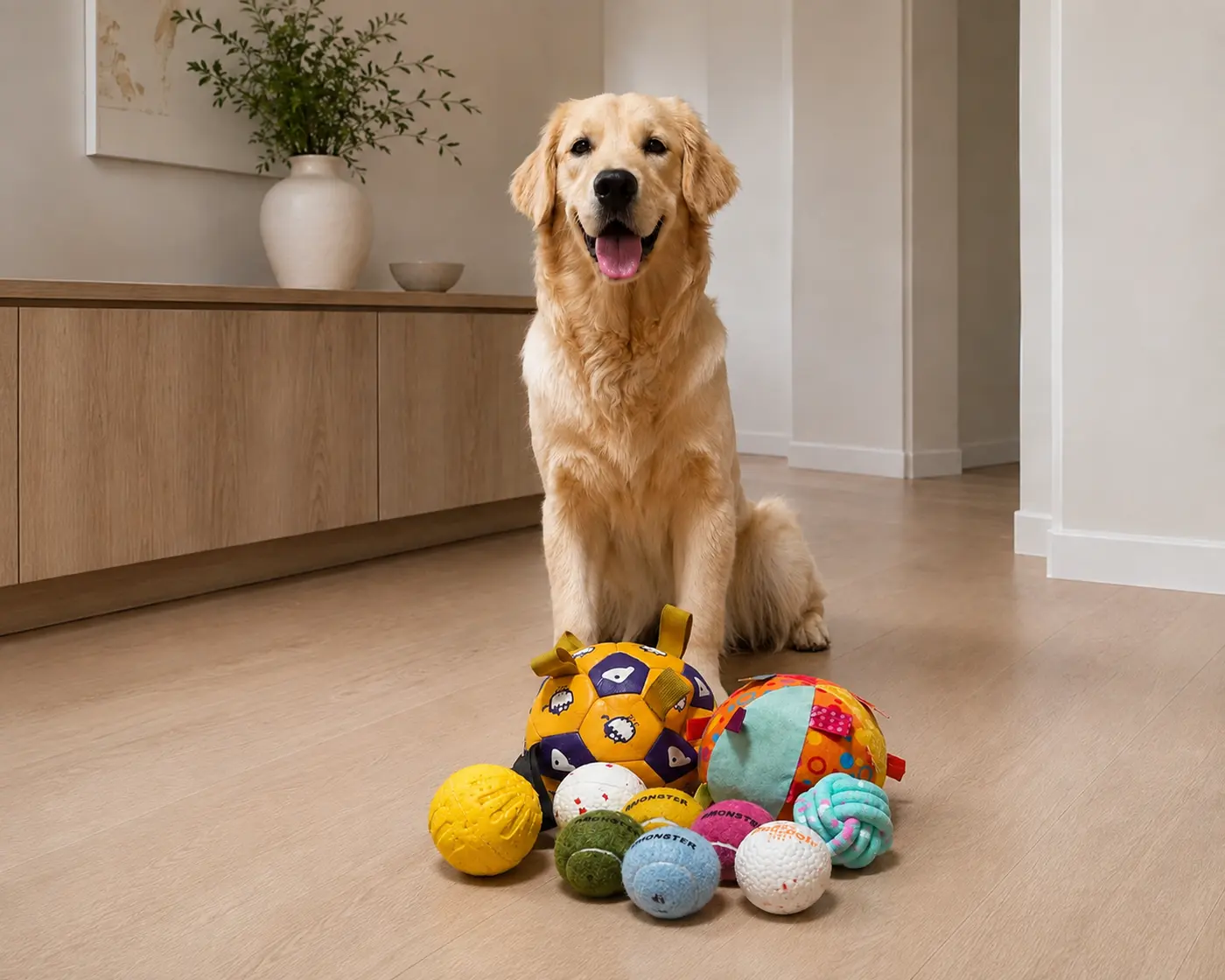
Everyday home feeding
Decide how dog and cat feeding lines should be separated or coordinated in the assortment. Shape, dimensions, stand format and other product-specific choices belong on the relevant product page and sample.

Pet bowls and drinking products for brands, retailers and wholesalers. Explore everyday bowls, slow feeders and travel designs, with colours, branding and packaging to discuss for your range.
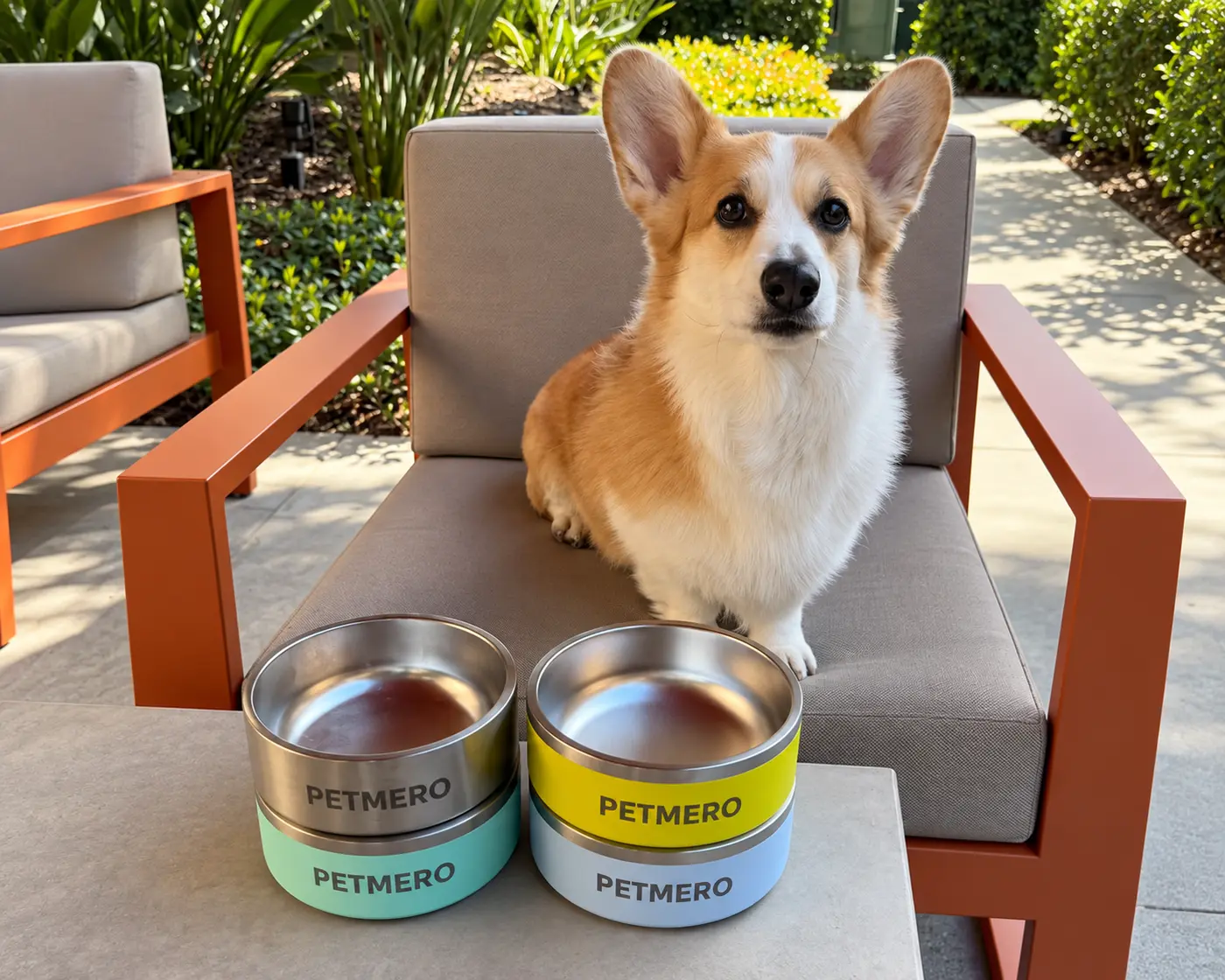
Single bowls, paired sets and stands for everyday dog feeding.
Explore the range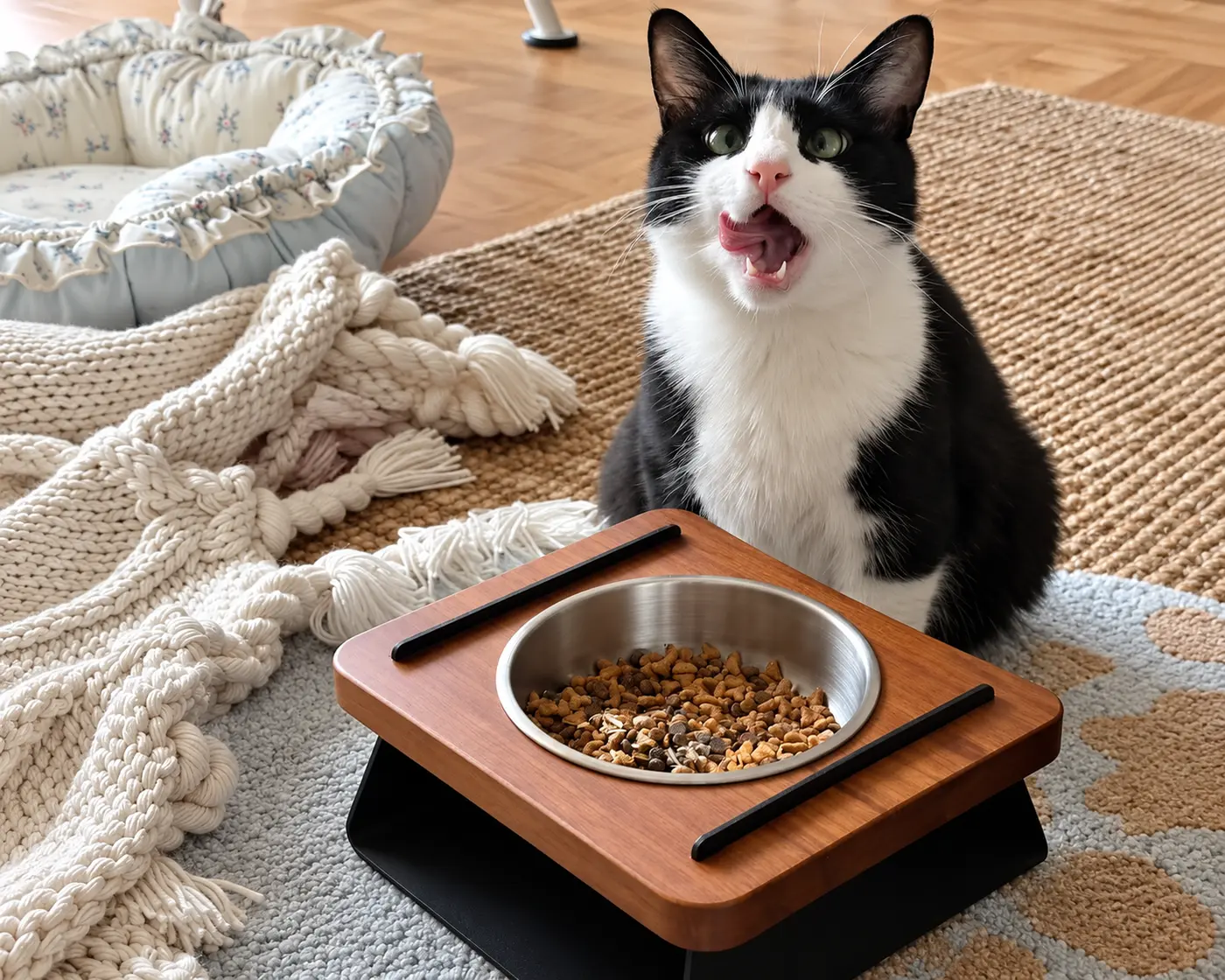
Shallow, deep and raised designs for cat food and water.
Explore the range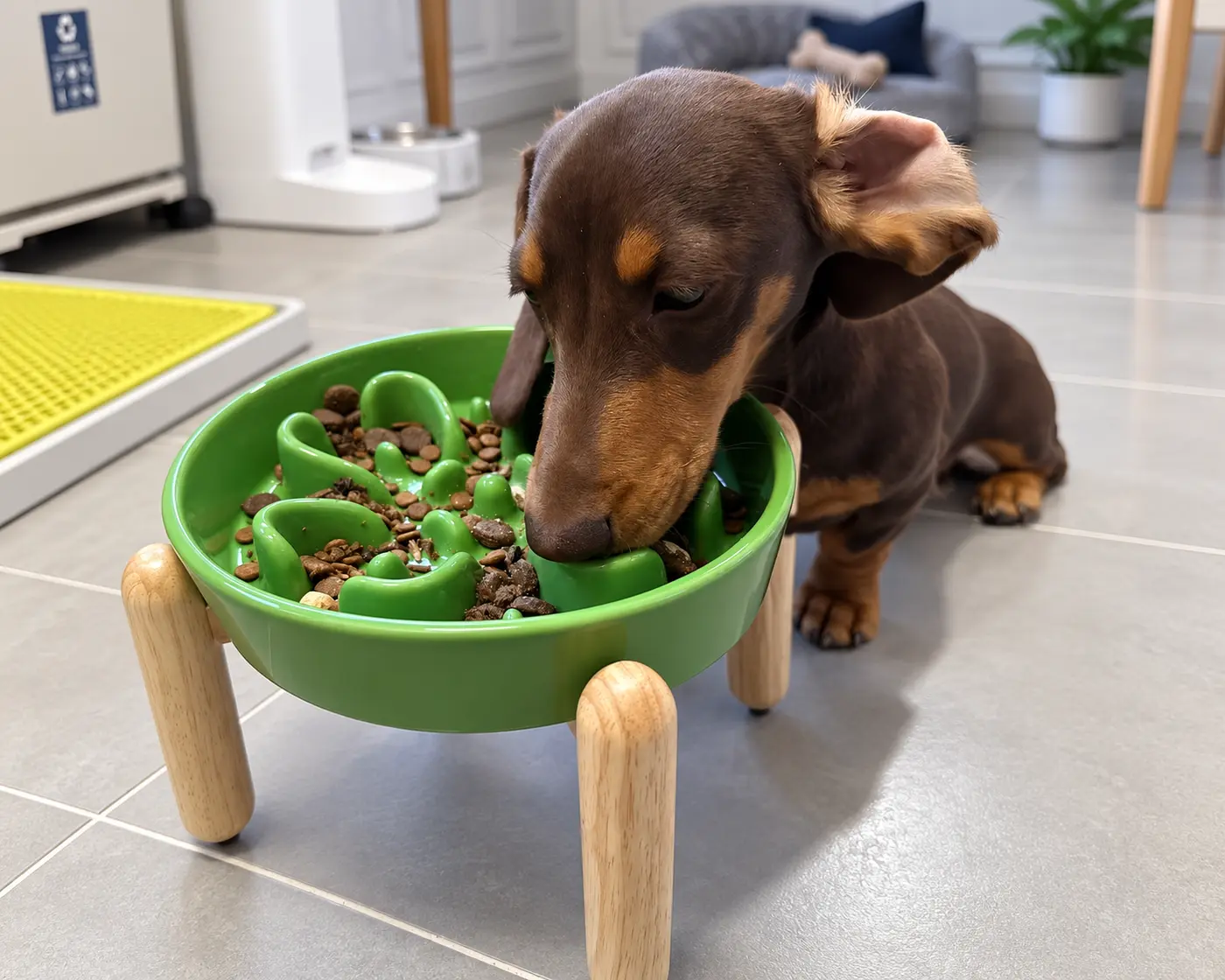
Raised patterns and textured mats for different feeding uses.
Explore the range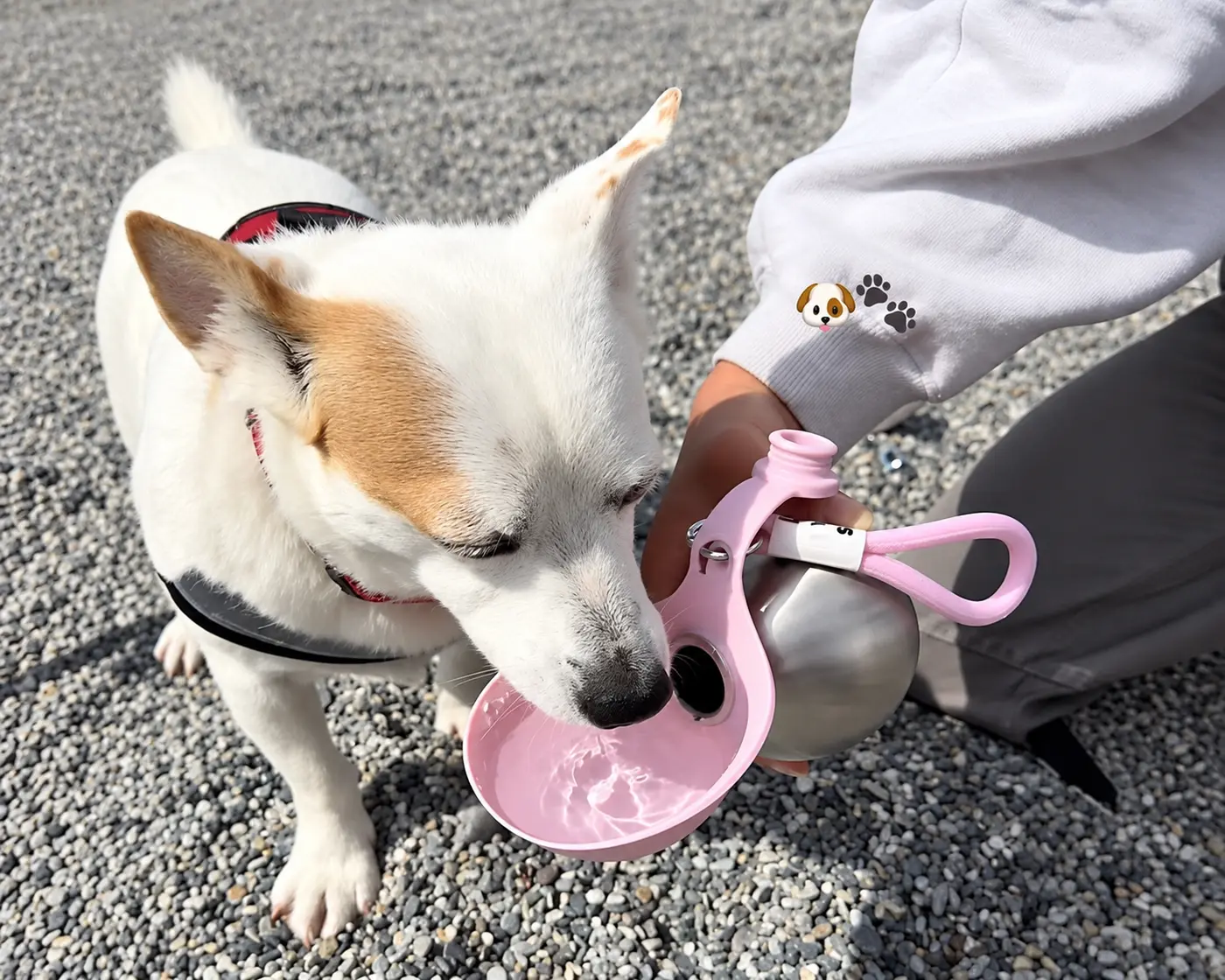
Folding bowls and portable water bottles for walks and trips.
Explore the rangeUse the product-type cards above for exact bowl or travel-product specifications. At category level, first decide the jobs your range needs to cover and how those groups should work together for one buyer, channel or brand.
Decide how dog and cat feeding lines should be separated or coordinated in the assortment. Shape, dimensions, stand format and other product-specific choices belong on the relevant product page and sample.
Treat slow-feeding formats as their own product family instead of assuming an everyday bowl specification will transfer. Pattern, access and cleaning details need approval on the selected item.
Plan travel products around carry, opening, drinking or feeding access and cleaning. A portable bottle or folding bowl should be specified as its own system rather than as a smaller home bowl.
A coordinated collection does not require every item to share the same construction. Keep branding and packaging consistent across the range, while recording the decisions that change how each product is specified, packed and quoted.
A sample can look correct alone while the finished assortment still feels inconsistent. Use one review for the product specification and a second review for the way the collection works together.
Keep claims tied to evidence. Performance, material suitability, compliance and market-specific documentation should be confirmed for the exact selected SKU and destination. A category image or a shared family style is not proof of a product-level claim.
Start with the products your range needs: everyday feeding, slower feeding or food and water on the move. A reference or question is enough for the first conversation. We can narrow the sizes, materials and pack choices together.
Shortlist the dog bowls, cat bowls, slow feeders and/or travel feeding products that belong in the range.
Use a current PETMERO reference, your own photo or a sketch, and note what you want to keep or change.
Share estimated quantities by SKU or variant where known, plus the destination market and sales-channel context.
Add logo direction, color priorities and packaging requirements, then confirm feasibility and cost on each selected item.
Already have a shortlist? Send the product references together so the range-level choices and SKU-specific questions can be separated from the start.
These questions focus on project setup, samples, branding and commercial confirmation. Exact product specifications should still be confirmed for each selected SKU.
Yes. Use them to show the product direction you want. Mark which details are essential and which are only references; dimensions, materials, colors, branding and packaging can then be confirmed for each selected SKU.
Confirm them for each selected product and version. Quantity, product configuration, branding and packaging can affect the quote, so a mixed range should not assume one MOQ or unit price applies to every item.
The brand system can stay consistent, but logo size and position and the package format still need to fit each product's surface, dimensions and pack contents. Review those details on each selected sample.
Confirm the approved sample or specification for each SKU, colors and branding placement, included parts, packaging, quantities, and any market-specific testing or labeling requirements that apply to the project.