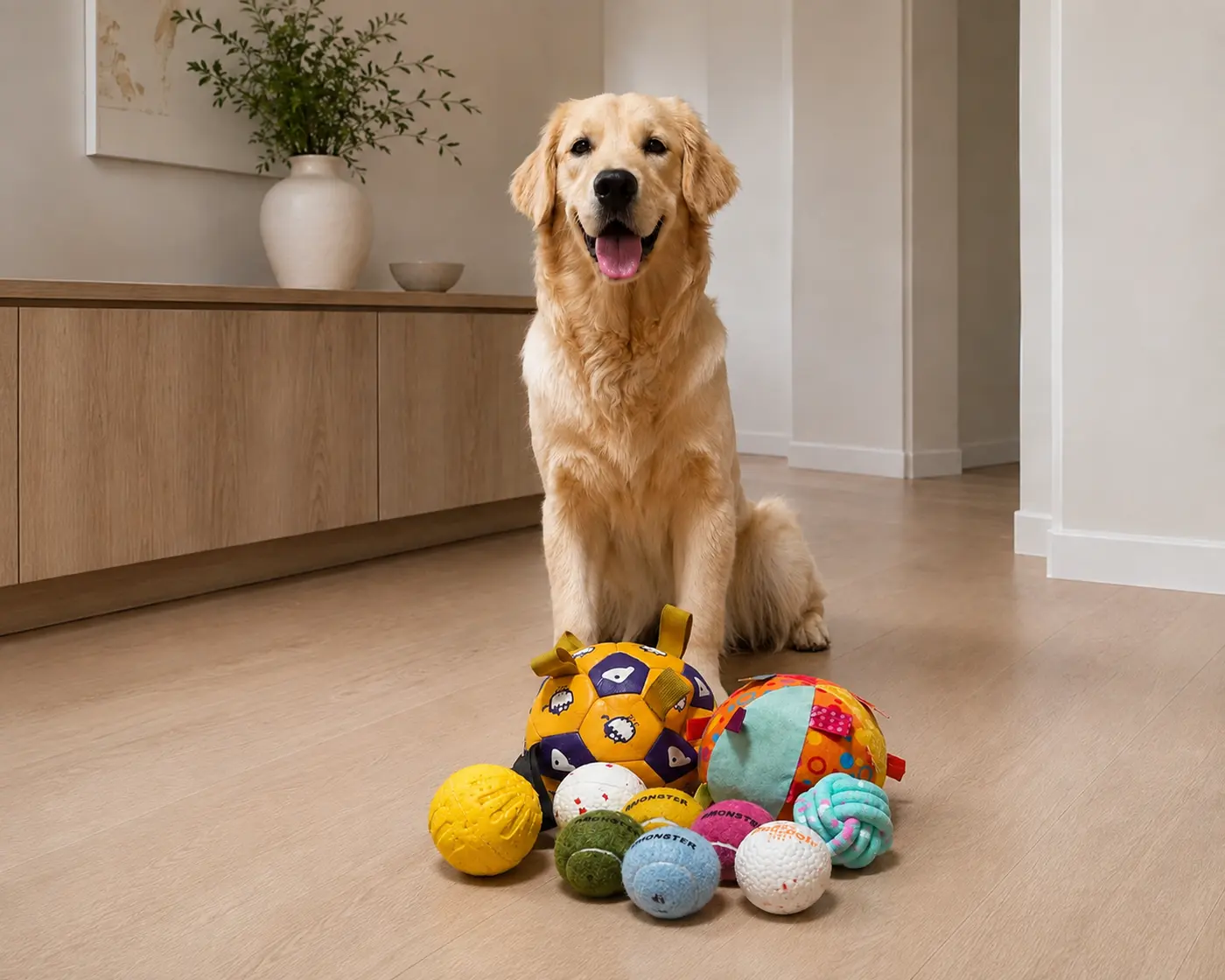

Grooming & Care
Explore pet combs, nail care tools and Elizabethan collars for wholesale and private label. Compare designs, plan your assortment and discuss the details for your brand.
The right tool for each care task.
Choose a product type to explore the range, or send a reference or question to start a conversation. You can add quantity and other details later.
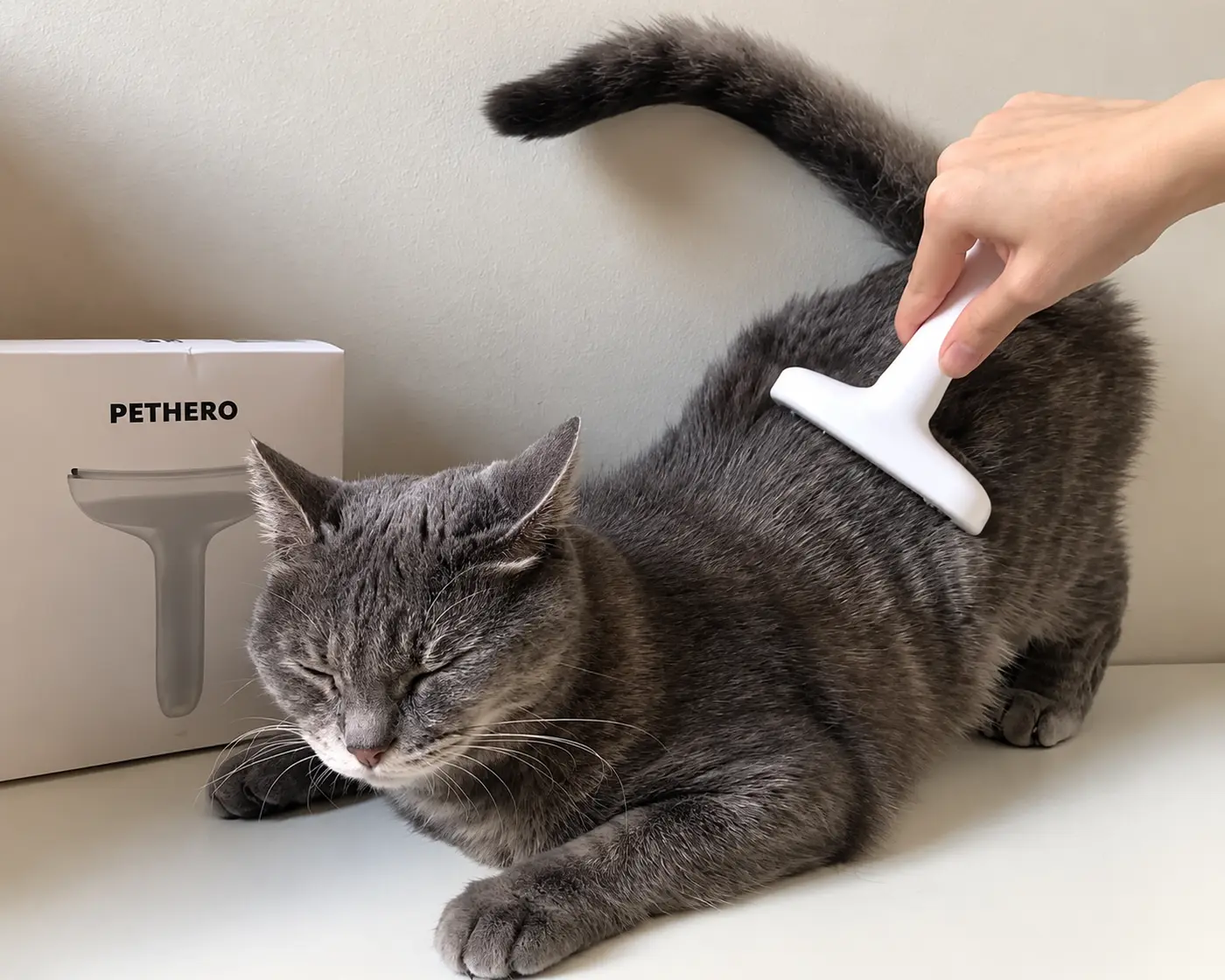
Pet Combs
Compare grooming combs for dogs and cats, including fine-tooth, wide-tooth and compact comb formats. Check tooth spacing, working width, handle construction and packaging against the selected sample.
View products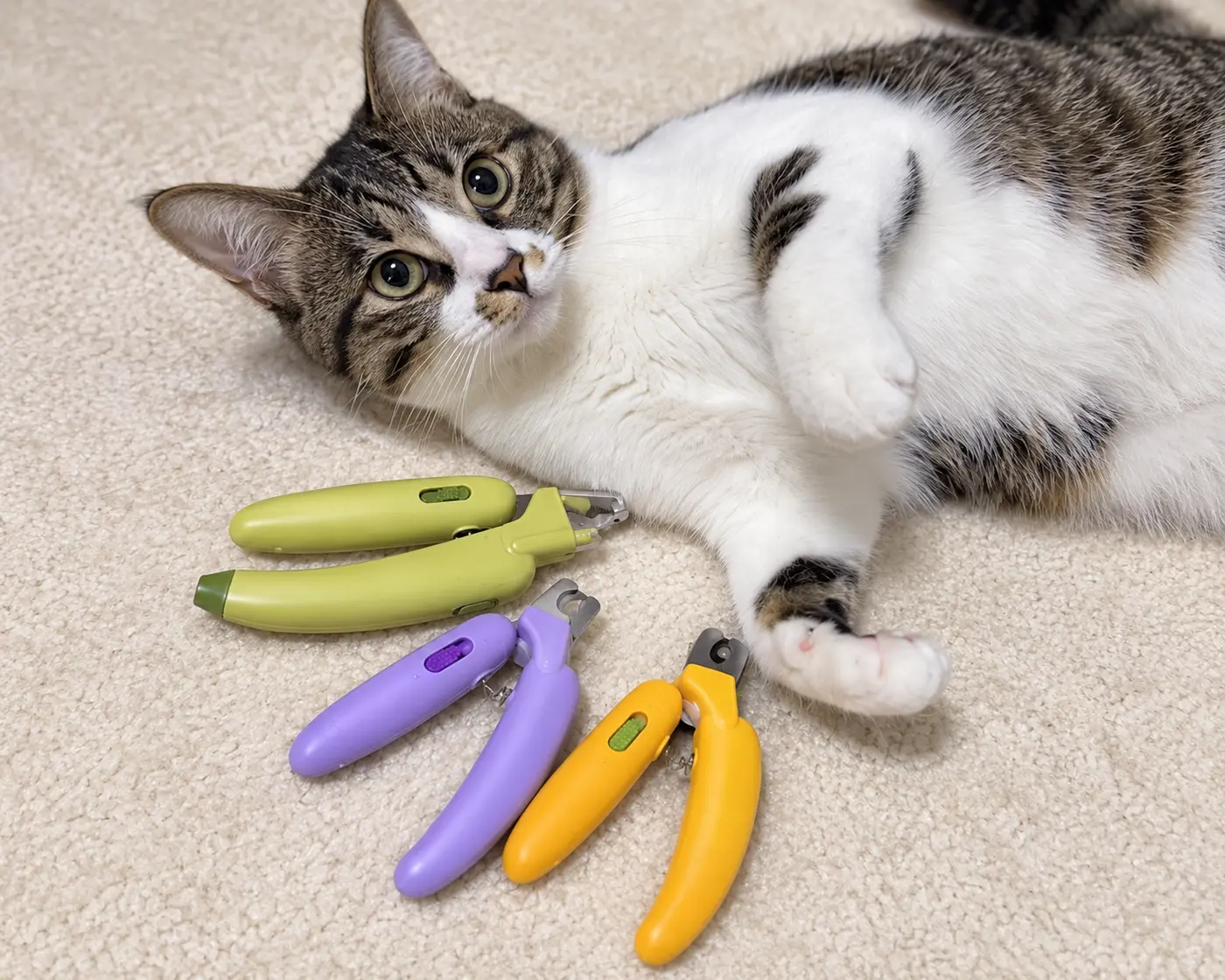
Pet Nail Care
Explore manual pet nail clippers, nail scissors and files for dogs and cats. Compare cutting mechanisms, tool sizes and grips, then discuss branding and retail sets.
View products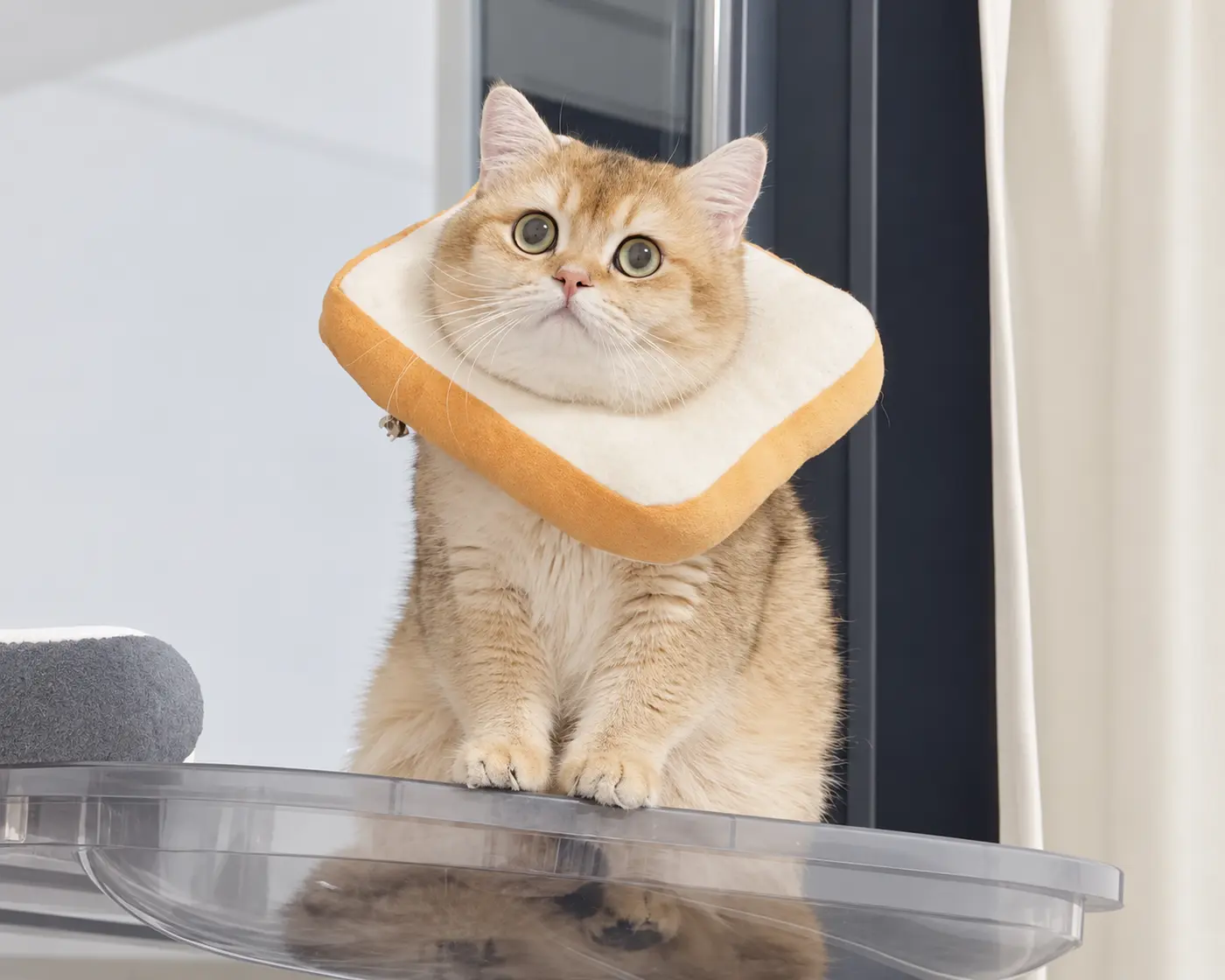
Elizabethan Collars
Compare Elizabethan collars and pet recovery collars for dogs and cats, including traditional recovery cones, soft cones, padded rings and shaped soft collars. Review neck range, cone depth or outer dimensions, closure and care for the selected style.
View productsThree product types, three different specification paths.
Grooming & Care brings together pet combs, nail-care tools and Elizabethan collars. They can share a brand and packaging direction, but each Product Type needs its own functional specification and sample approval.
Start with the comb layout.
Define tooth layout, working width, overall dimensions and the handle or body format for the selected reference before discussing color or packaging.
Approve per SKU: tooth spacing, usable dimensions and construction.Start with the tool format.
Define the selected cutting or filing format, usable size, grip and any included accessory. Keep these details tied to the exact reference being quoted.
Approve per SKU: mechanism, tool size, grip and set contents.Start with fit and coverage.
Define the neck range, collar depth or coverage, fastening and sizing method for the selected design instead of relying on a generic pet-size label.
Approve per SKU: fit range, coverage, fastening and care.Keep the brand system consistent. Approve each product specification separately.
For a wholesale pet grooming supplies project, consistency helps the range look coherent at retail, while the functional specification still belongs to each SKU.
Keep consistent across the range
- Color and visual direction
- Brand, label and product-identification hierarchy
- Packaging family and artwork system
- SKU naming and retail information structure
- Project-wide language or destination requirements already defined by the buyer
Approve for each SKU
- Pet Combs: tooth layout, working width, overall dimensions and exact reference.
- Pet Nail Care: mechanism, usable size, grip and included accessories.
- Elizabethan Collars: neck range, depth or coverage, fastening and care method.
- Every item: exact pack contents, version identification and the approved sample or reference.
Review function first, then the finished retail version.
For a comb, start with the teeth and the coat type it is intended for. For a nail tool, start with the cutting action and grip. For a recovery collar, start with fit and coverage. Then review the instructions and packaging for each selected item.
Confirm the working area.
Check the relevant product-specific feature: comb teeth and usable width, nail-tool action, or recovery-collar fit and coverage. Record requested changes against that SKU.
Check how the product is used.
Try the grip, adjustment or fastening on the selected sample. Check edges, moving parts and pet-contact areas where relevant, and record any change against that item so it is not lost in a mixed order.
Lock the supplied configuration.
Confirm the correct size or version, exact set contents, branding, instructions and protective packing before the final order specification is approved.
Any safety, performance or compliance claim should be supported separately for the finished item and target market. It should not be inferred from a reference image, matching appearance or an unverified material description.
A useful first quote request can stay short.
Start with a grooming product reference, photo or question. You can add quantities, destination and specifications when you need a quotation; a complete technical pack is not required.
Product list
List which of the three Product Types belong in the project and keep single items, sets and different versions as separate SKU lines.
Reference
Use a PETMERO reference, product link, photo, sketch or sample direction for each SKU so the requested version is unambiguous.
Quantity split
Give the estimated quantity by SKU, size, color or set configuration where known rather than only one total quantity for the category.
Destination and branding
Add the destination country plus any logo, label, artwork, packaging or timing requirement that is already decided.
Before ordering, confirm the approved sample or reference, quantities, artwork, pack contents, inspection points, production timing and delivery scope for each selected version.
Grooming & Care: range-level questions.
Planning a mixed grooming range? These answers explain how to start, compare quotations and keep the supplied products and packaging clear.
Can pet combs, nail-care tools and recovery collars be quoted in one project?
Yes. Keep each selected SKU, quantity and product specification separate, then coordinate shared branding and packaging across the range. Feasibility and commercial terms still need to be confirmed for the selected versions.
Can one packaging system cover all three Product Types?
A shared visual system can work, but physical pack size, version identification, instructions and protection may differ by product. Approve the actual retail pack for each SKU rather than assuming one pack construction fits all.
Should dog and cat products use the same size or usage wording?
Do not assume so. Measurement methods, fit ranges and instructions depend on the selected design and intended use. Use the approved version to define the wording shown on the pack.
What should be retained for a repeat order?
Keep the approved product reference or sample, key dimensions or fit details, quantity split, artwork revision, pack contents and inspection points together. Record any component, size or packaging change before the repeat run.