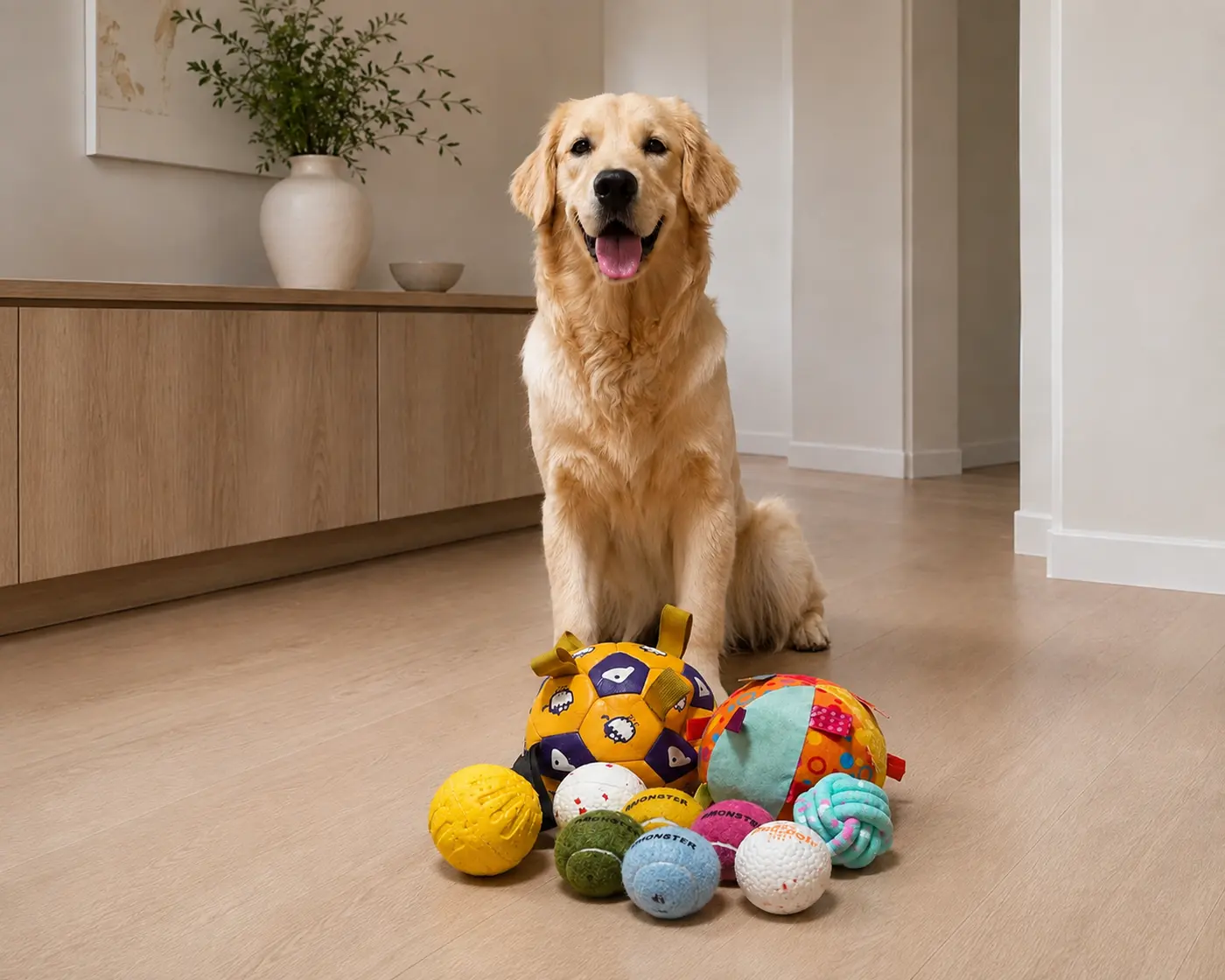
Ref. R34-01
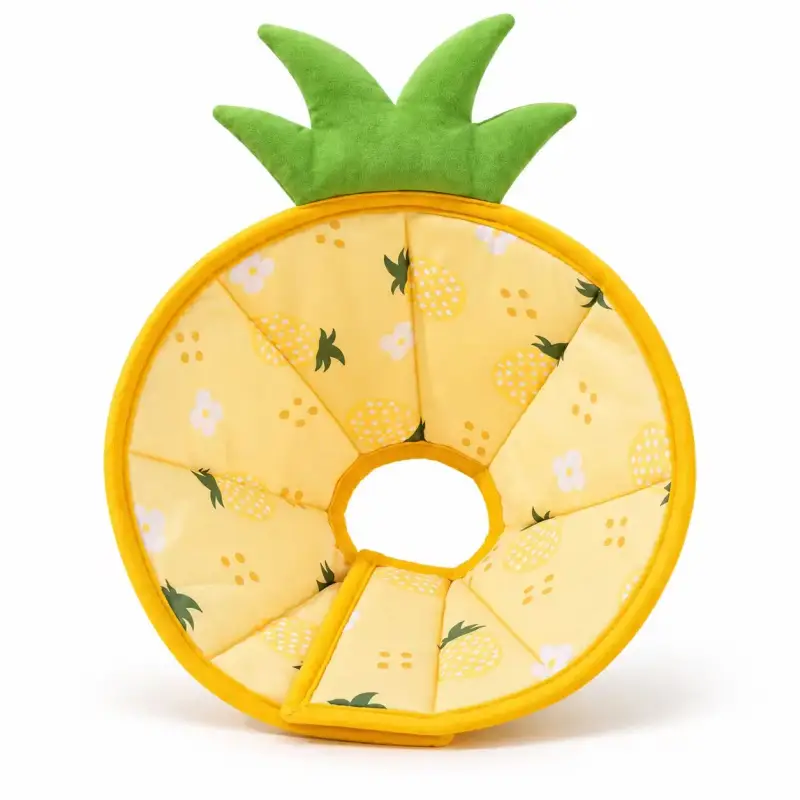
Yellow pineapple-shaped pet recovery collar
Pineapple-shaped pet recovery collar; compare neck opening, outer reach, body thickness and closure.
Compare Elizabethan collars and pet recovery collars for dogs and cats, including traditional recovery cones, soft cones, padded rings and shaped soft collars. Review neck range, cone depth or outer dimensions, closure and care for the selected style.
The 12 references include cone-style collars (R34-02, R34-04 and R34-05) and decorative or padded shapes (R34-01, R34-03 and R34-06–12). Compare the fitted neck opening and the cone depth or outer reach for the chosen design; a padded ring is not the same shape as a cone. A doughnut-shaped photo does not confirm an inflatable core. Use the Ref. ID to request exact construction, sizes, sample details and packaging.
Pineapple-shaped pet recovery collar; compare neck opening, outer reach, body thickness and closure.
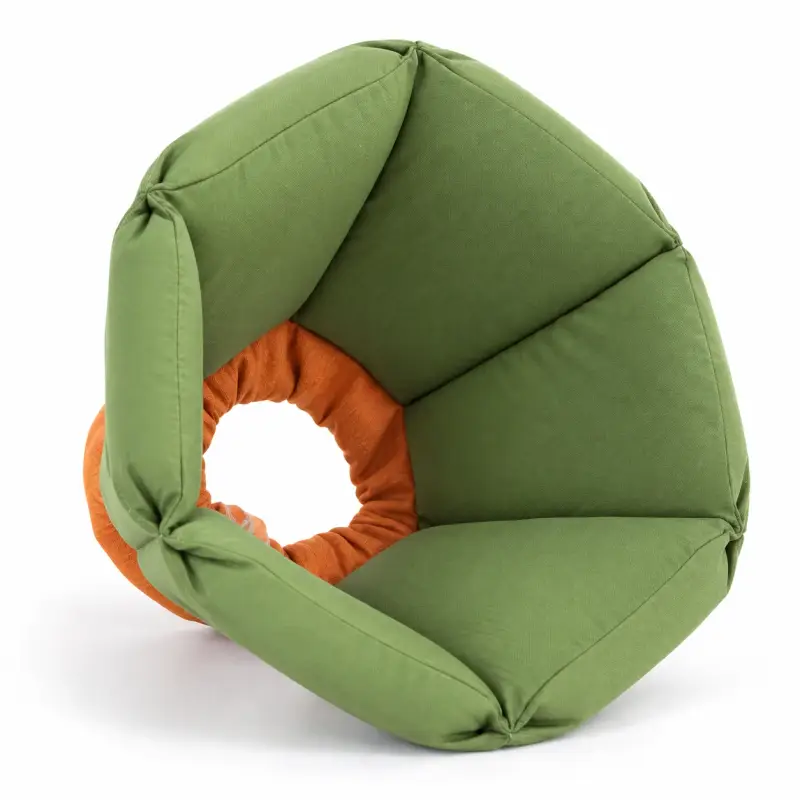
Padded recovery cone; compare neck range, assembled depth, body support, edge finish and fastening.
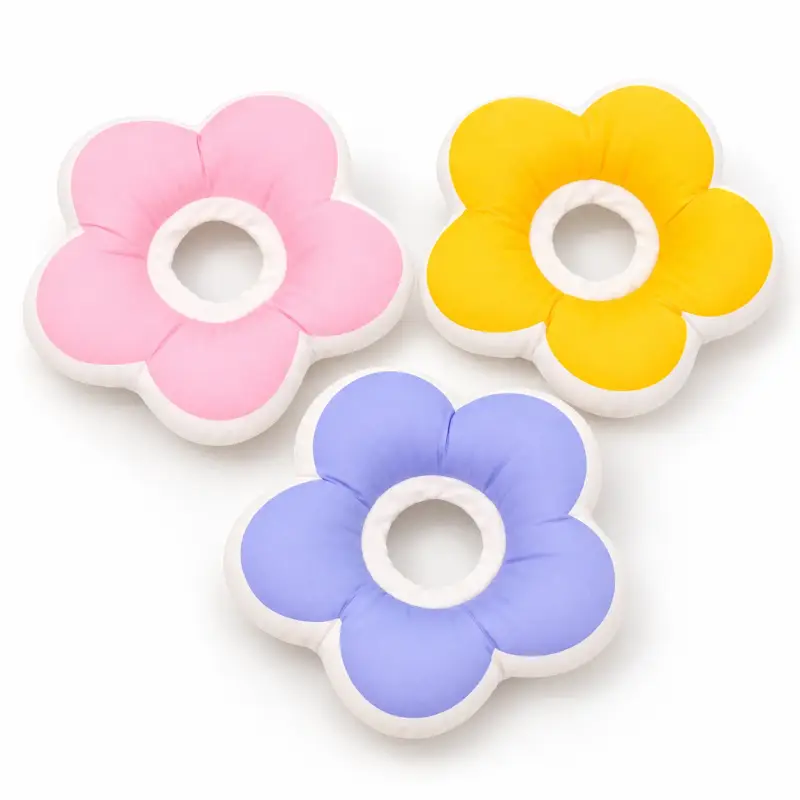
Flower-shaped soft recovery collars; compare neck opening, outer diameter, petal depth, thickness and closure.
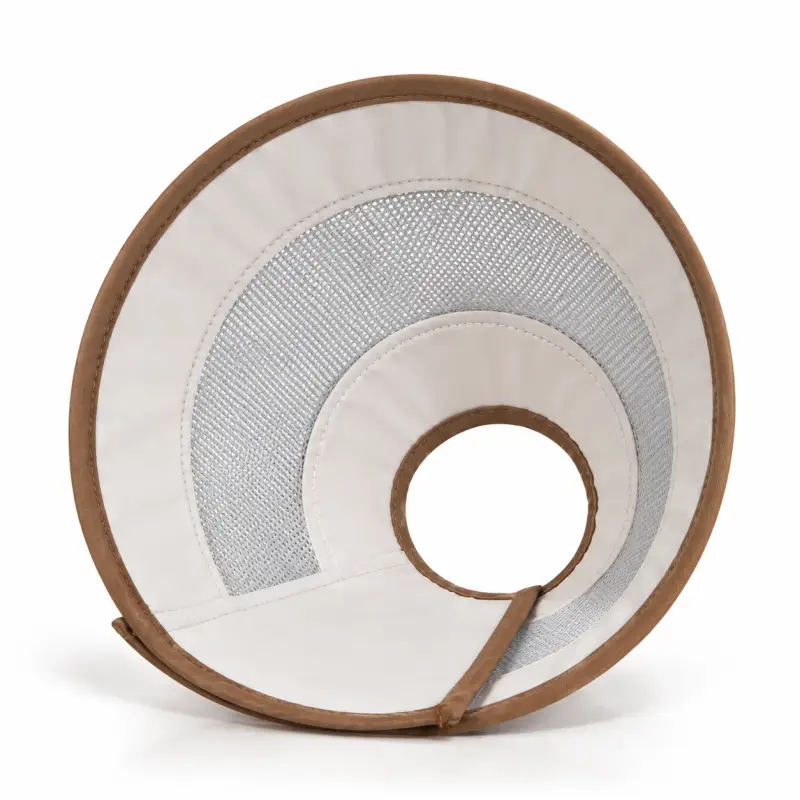
Mesh-panel pet recovery cone; compare cone depth, panel coverage, support, edge finish and closure.
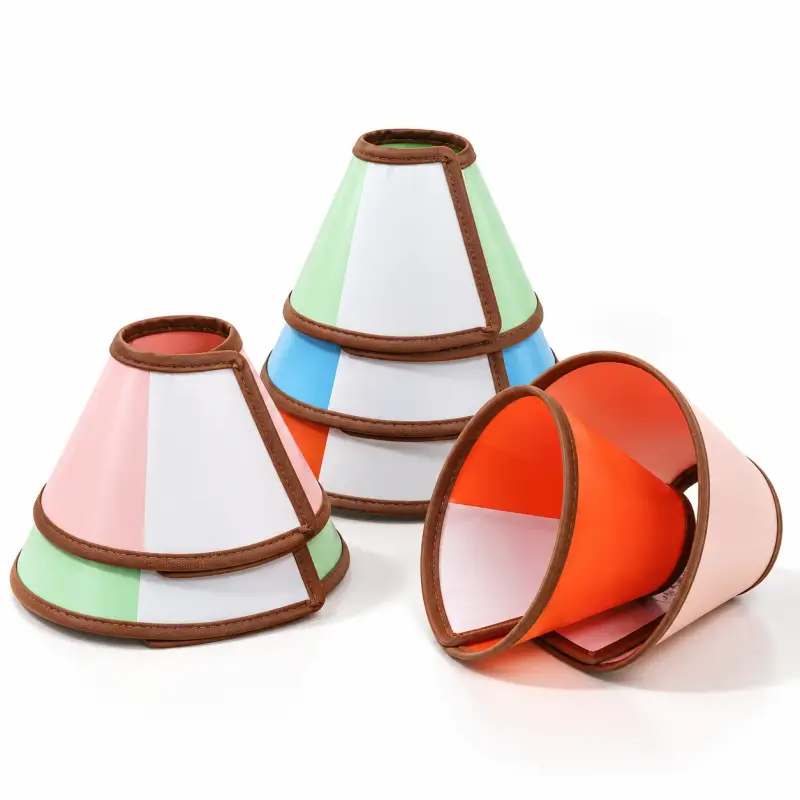
Clear-panel pet recovery cones with coloured edges; compare neck range, cone depth, panel flexibility and closure.
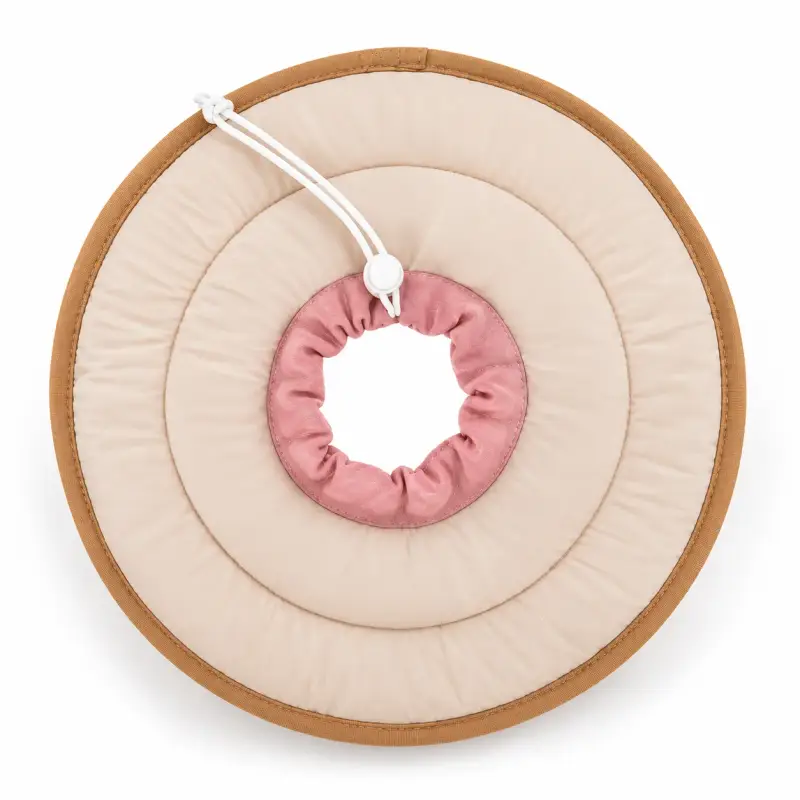
Padded ring-style pet recovery collar; compare inner opening, body thickness, outer reach and fastening.
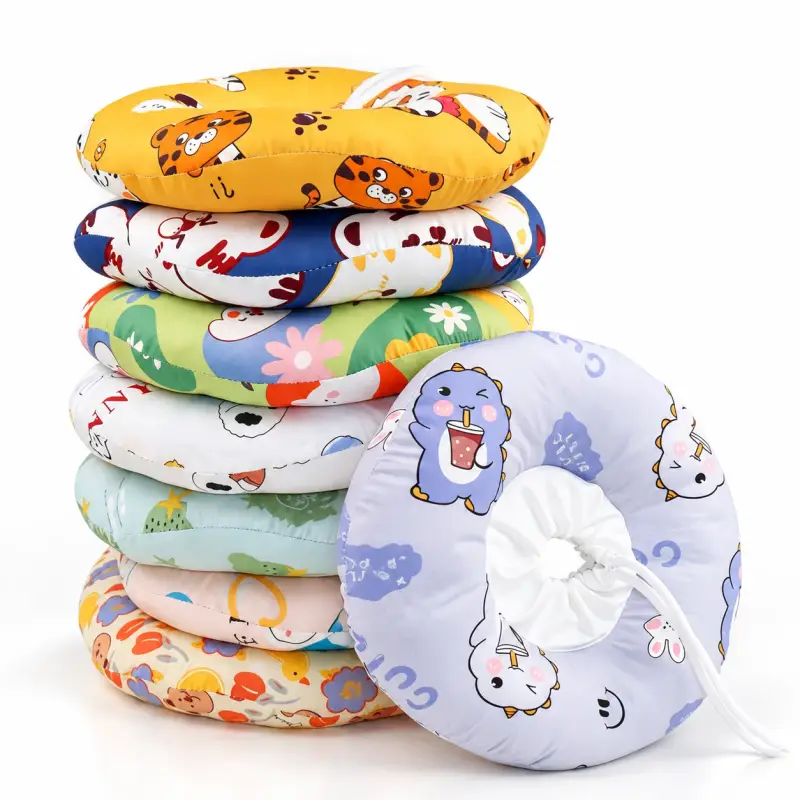
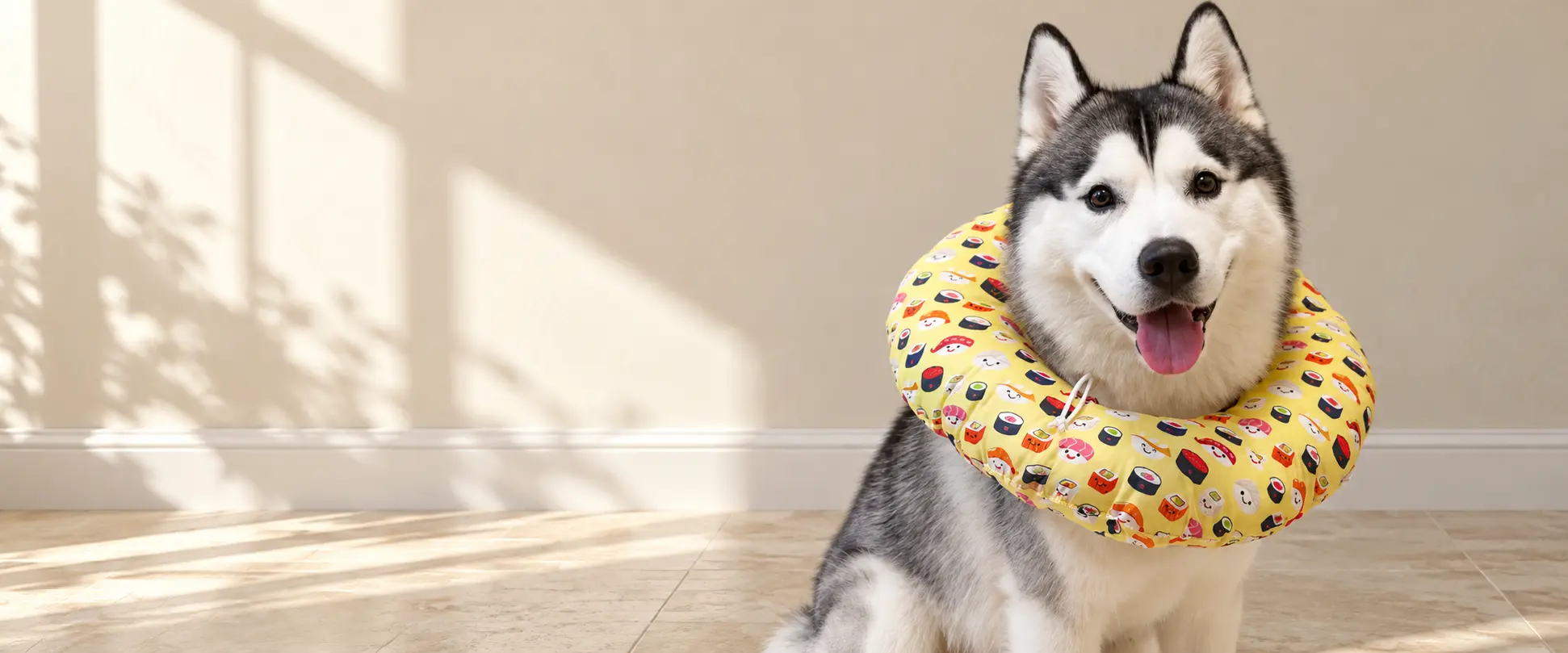
Printed doughnut-shaped pet recovery collars; compare neck opening, ring thickness, outer diameter and closure.
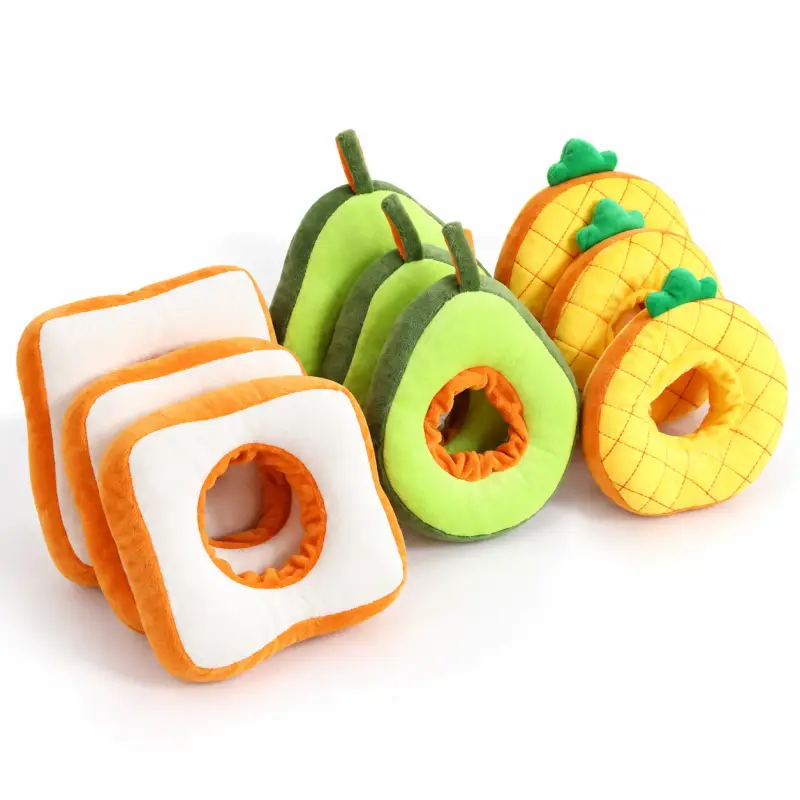
Bread, avocado and pineapple-shaped pet recovery collars for coordinated product ranges.
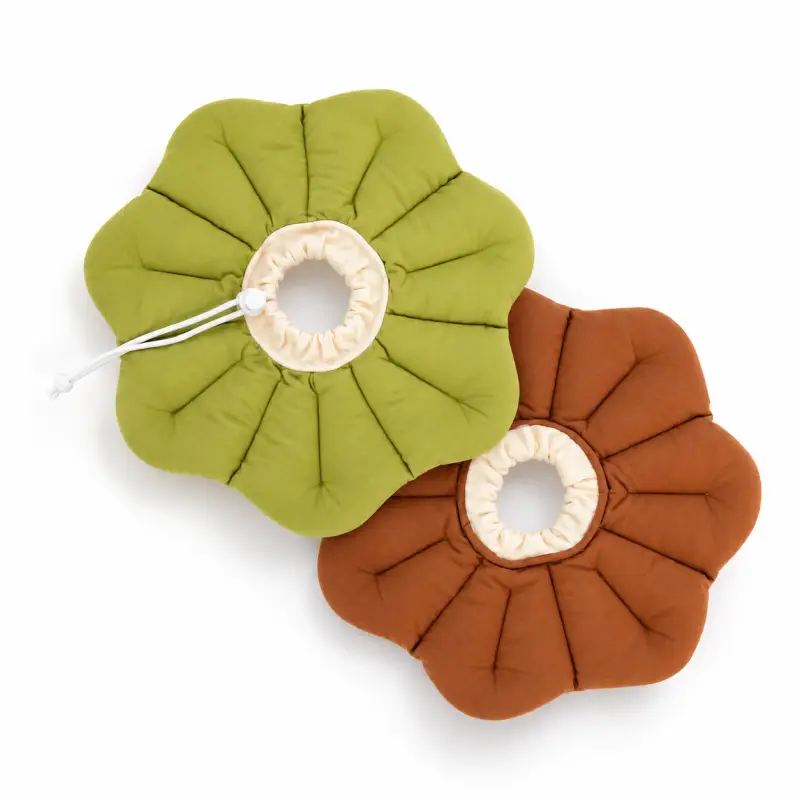
Padded flower-shaped pet recovery collars; compare neck opening, outer width, body thickness and closure.
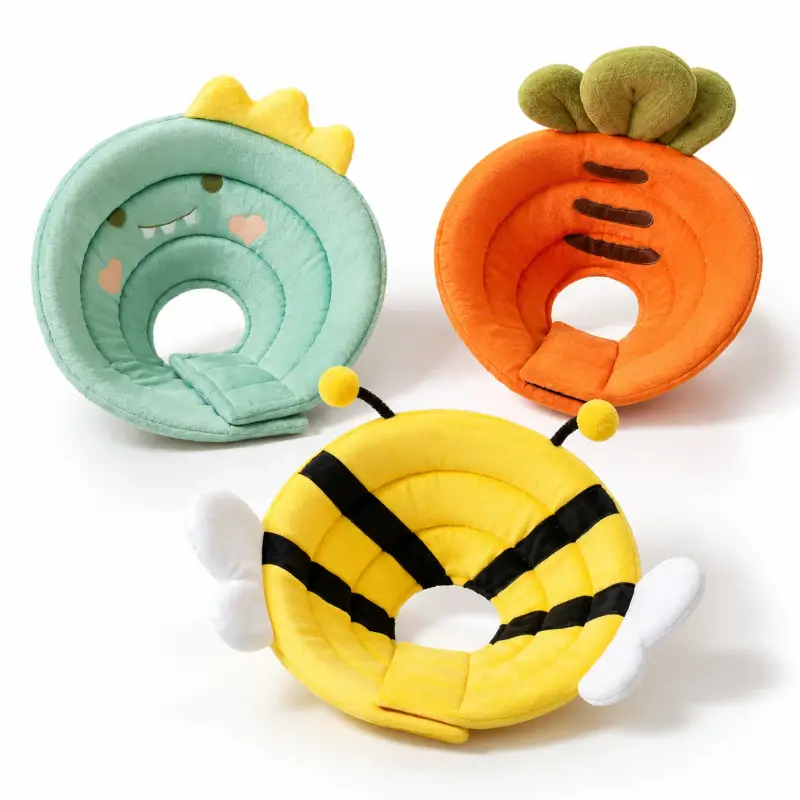
Character-shaped pet recovery collars; compare neck fit, outer dimensions, body support and closure.
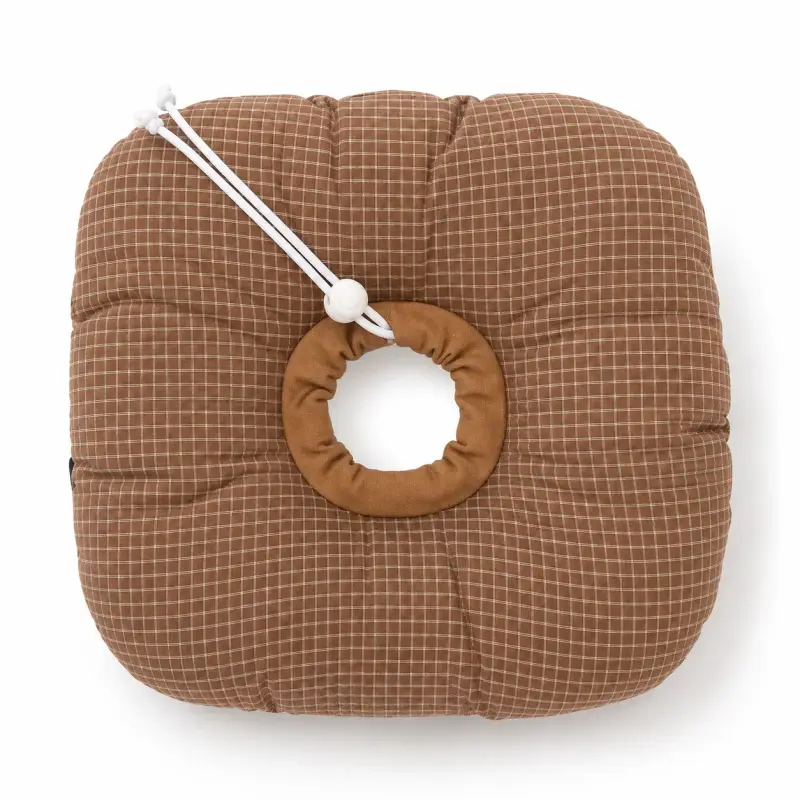
Square padded pet recovery collar; compare neck opening, outer width, corner reach, thickness and fastening.
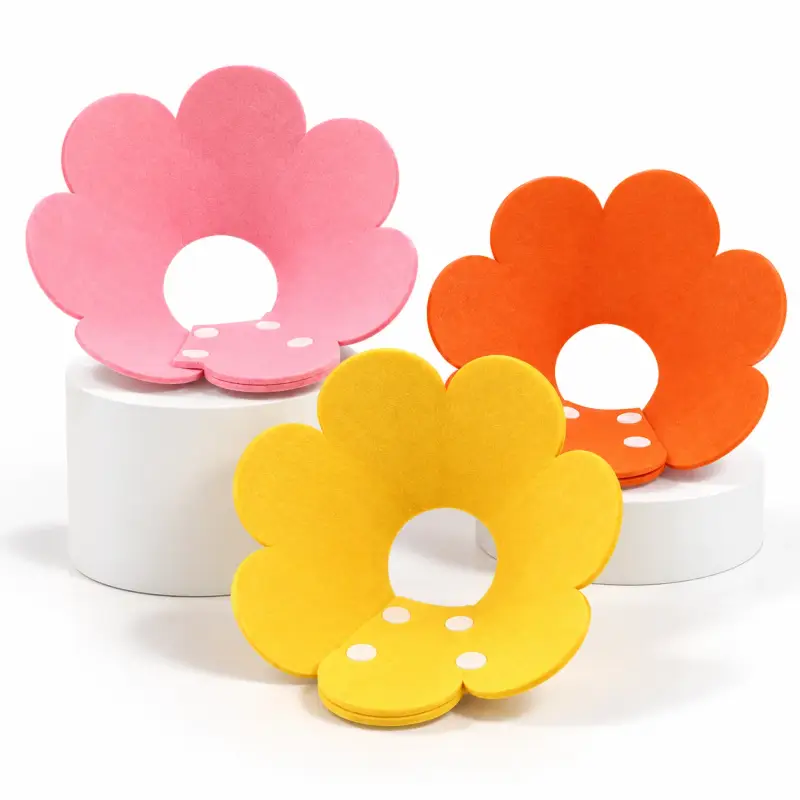
Flower-shaped pet recovery collars; compare neck opening, petal dimensions, thickness, support and closure.
These 12 styles show a selection of our pet recovery-collar range. If you need a different shape or construction, send a Ref. ID, your own image or a product link and we can discuss the closest option.
The pictured bread-shaped collar identifies a design direction, not a verified fit or level of protection. Before agreeing a branded version, compare the finished sample with the intended neck range, required coverage and actual closure construction.
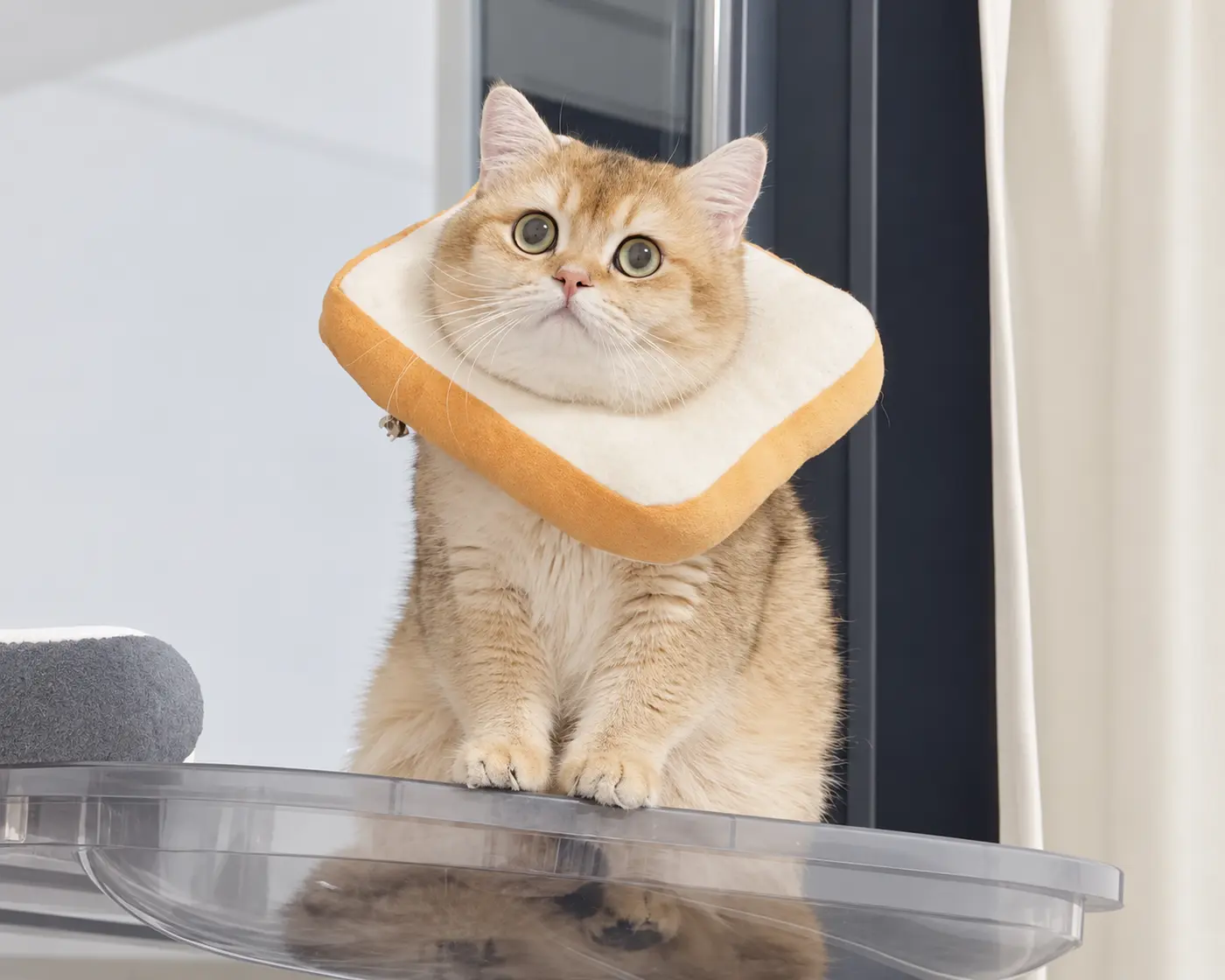
Measure the usable opening and fastening range on the finished sample. Check how the selected size sits and whether the closure can be adjusted as specified.
Check the outer reach and how the soft body bends or compresses when fitted. A flower, bread or doughnut silhouette alone does not establish protective coverage.
Record the approved dimensions, closure, components, care information and packed shape for the exact version being quoted. Confirm any claims separately with product-specific evidence.
Start with how the collar is built and how much coverage it needs to provide. Compare neck fit, cone depth or outer reach, body support and fastening before you define sizes, colours, branding or packaging.
Use the actual adjustment range and neck opening for the selected size, not a weight label alone.
Compare cone depth or outer reach with the area the collar needs to keep out of reach.
Clear panels, soft cones, padded rings and shaped collars use different support and flex.
Check fastening, edge finish, removable parts and the cleaning method for the exact version.
Cone-style, soft, ring and shaped collars use different body geometry. Compare the fitted dimensions and construction of the exact style you plan to buy rather than treating them as interchangeable.
A cone-style collar with a defined panel body, including clear-panel and other structured versions.
A cone profile made with a more flexible or padded outer construction.
A shorter ring-shaped body that sits around the neck instead of extending as a full cone.
Flower, fruit, square and other shaped soft collars that use a wider body around the neck.
Start with the usable neck circumference, then add cone depth or the relevant ring or shaped-body dimensions. Weight and breed can help describe the target pet range, but the size chart should be based on actual product measurements.
Record the usable minimum and maximum neck circumference when the collar is secured as instructed. State centimetres or inches consistently.
For a cone, record its assembled depth from the neck opening toward the outer rim and show the measurement on a drawing. This is not the neck size.
Record inner opening, outer width or diameter and thickness. Do not use the depth of a cone as a substitute for these dimensions.
Assess the selected design on the intended animal size and body proportions. Weight and breed are supporting references, not a complete sizing method.
Separate the softness of the outer surface from the structure that holds the collar’s shape.
Review the support structure, neck edge, usable adjustment range and fastening together so the approved sample and size chart describe the same fit.
Confirm which parts or covers are removable, how each component is cleaned and dried, and how the collar returns to its intended assembled shape after cleaning.
For the chosen pet Elizabethan or recovery collar, first approve neck sizing, coverage and fastener operation. Then review colour, pattern, labels and packaging without implying medical effectiveness. The custom pet product process explains artwork and sample sign-off; fit and intended use still need product-specific checks.
Discuss surface fabric, padding and body support separately. Any structural change needs a fresh fit and coverage review.
Choose a colour or pattern, then agree label or logo placement where it will not obscure fastening or sizing instructions.
Build the range from actual neck measurements and body dimensions. Print a clear size chart and explain how each measurement is taken.
For pet Elizabethan and recovery collars, identify neck sizing, body coverage, fastening system and material before asking which customization and sample routes are feasible.
A Ref. ID, photo or link is enough for the first inquiry. Once a sample direction is chosen, keep the confirmed technical version, quantity split and packaging specification together so the quotation reflects what will actually be supplied.
For pet Elizabethan or recovery collars, specify neck-size range, coverage, closure, construction and packing shape. Confirm quantities, sample charges, production timing and delivery basis per model.
Record the agreed reference and physical sample version, neck-size range, closure, body dimensions and care instructions. Keep a matching measurement drawing or size chart.
State target quantities by size or colour and confirm whether collars ship flat, folded or assembled. Agree the retail pack, carton protection and any included or replaceable parts.
Approve final artwork, labels, size instructions and sample changes together. Confirm model-specific claims, charges and lead time for the actual version rather than assuming they transfer across collar styles.
These names commonly refer to the same cone-style pet recovery-collar family. For a quotation, the important details are the exact construction, usable neck range, assembled cone depth, panel material and closure.
Use the design’s actual neck range together with its depth or body dimensions. Weight alone does not account for different head and body proportions.
R34-02 has a padded cone-shaped body, R34-04 has mesh panels and R34-05 has clear panels. Compare the fitted neck opening, assembled depth, support or flexibility, edge finish, closure and cleaning on the exact model. Photos do not establish protection for a particular wound or procedure; fit and suitability must be checked for the intended recovery use.
Not in every case. Ring-shaped collars have a different outer reach from a full cone. Check the fitted dimensions and the area the pet can still reach, and follow veterinary guidance for the intended recovery situation.
No. The shape does not identify the core. If an inflatable version is required, confirm the core, valve, cover and inflation instructions for that exact product.
Confirm the panel or surface material, body support or core, neck edge, closure, removable parts and cleaning method for the selected version.
Bowl access depends on the pet, the fitted neck range and the collar's depth or outer dimensions. Check the selected sample and adjust the feeding setup if needed.
Yes, subject to the selected construction and project feasibility. Approve the measurement method and fit first, then review colours or patterns, logo or label placement, size-chart language and packaging.
A Ref. ID, image or product link is enough to begin. Add the recovery-collar type, intended dog or cat size range, quantity by size, destination, branding and packaging details whenever they are available.