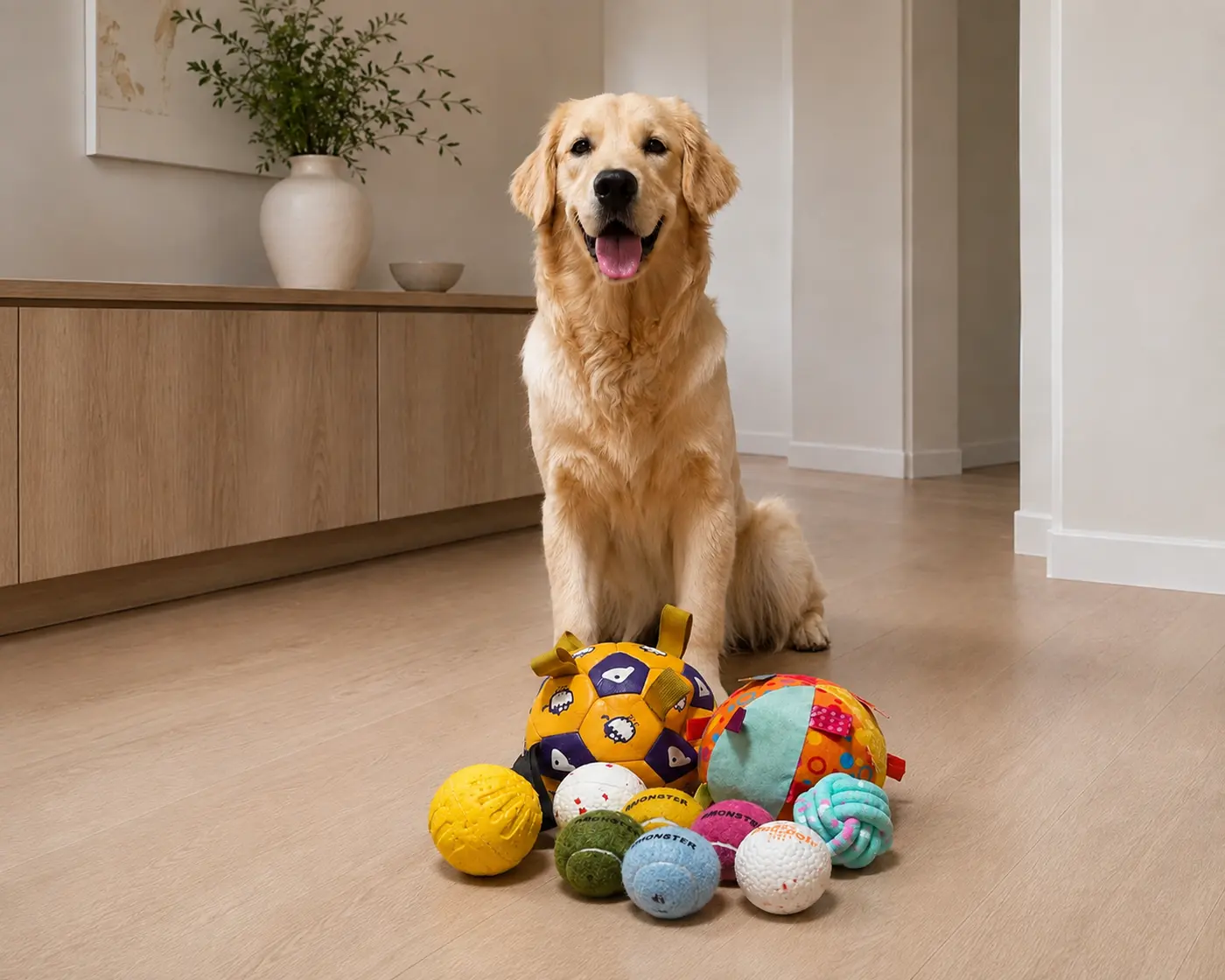
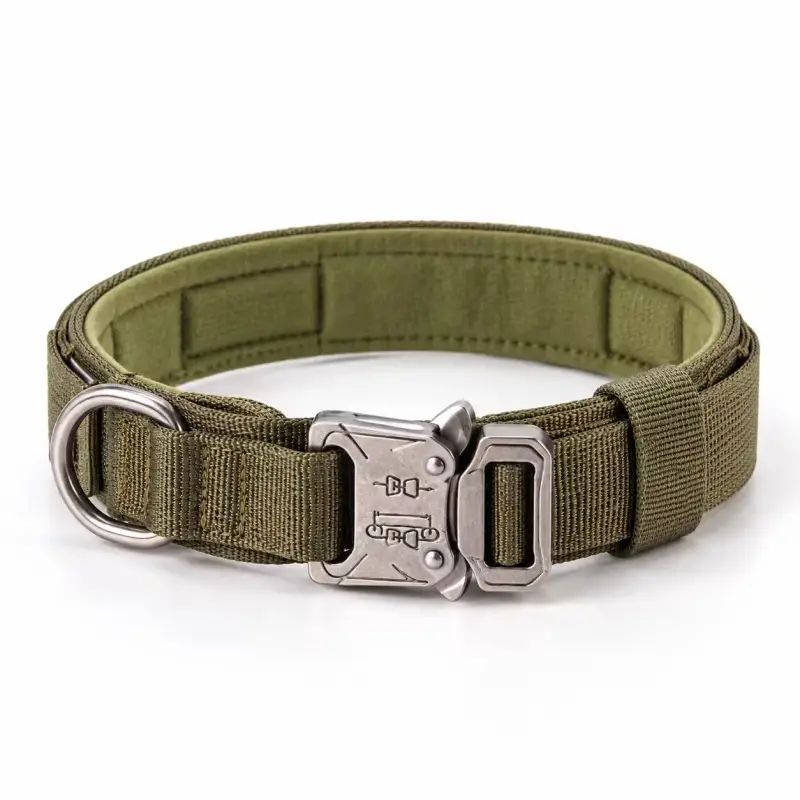
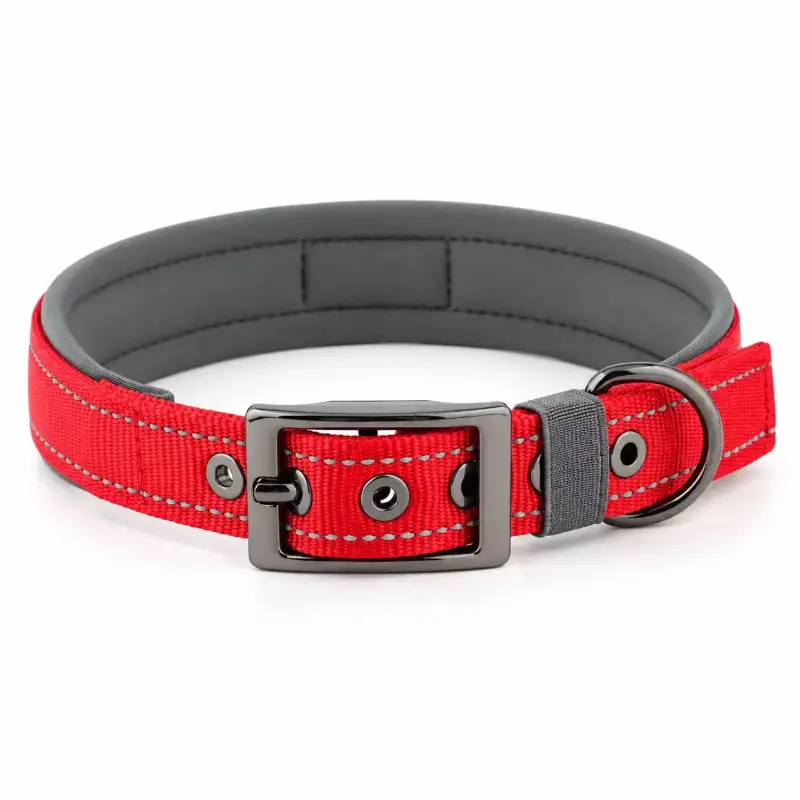
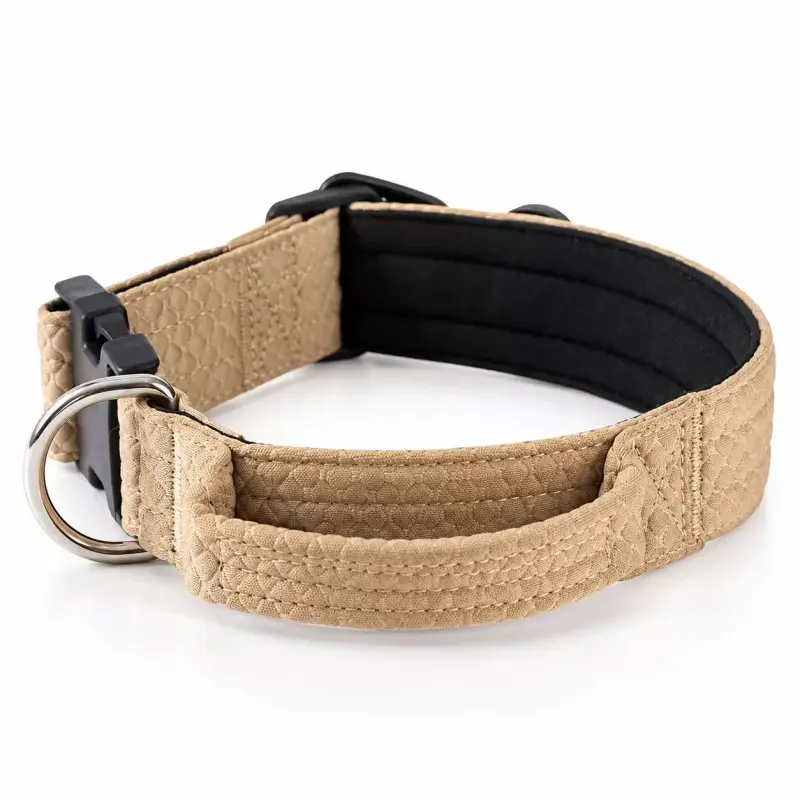
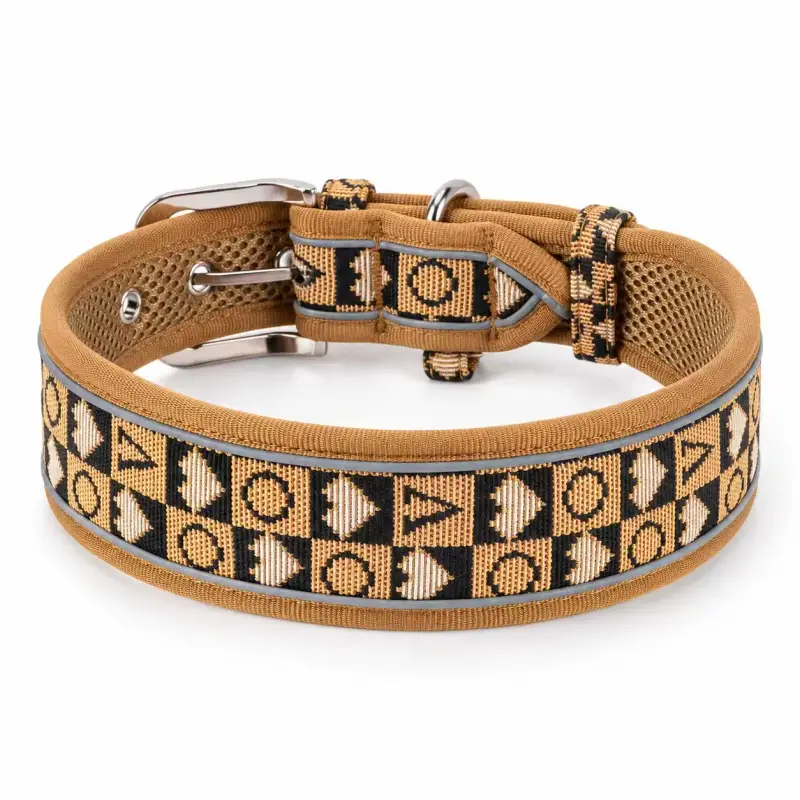
Ref. R22-01
Explore padded, webbing and patterned dog collar references. Define neck-size coverage, collar width, closure, adjustment and attachment hardware before confirming colours, branding and packaging.
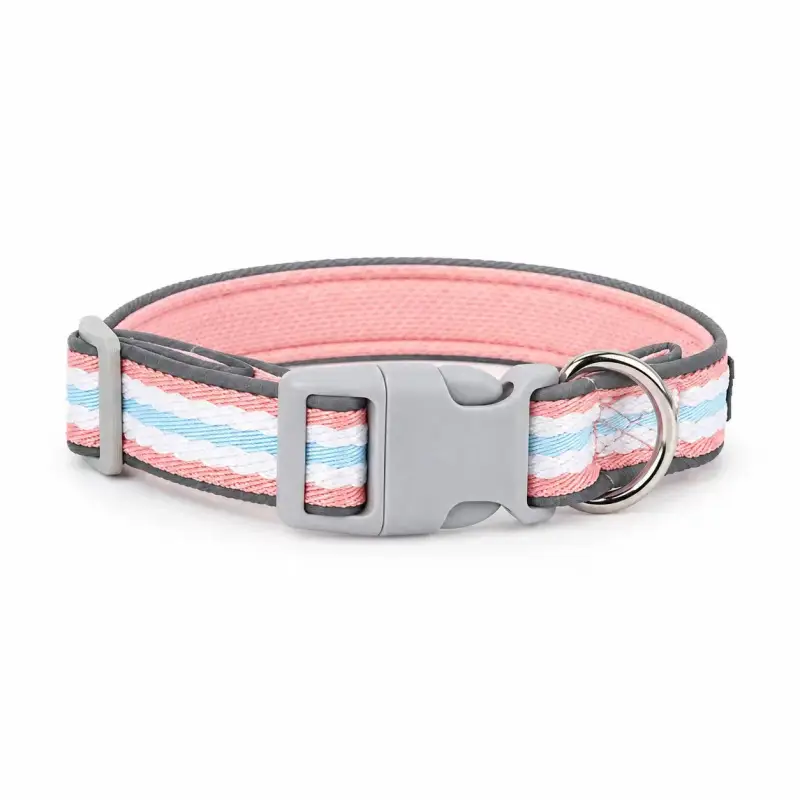
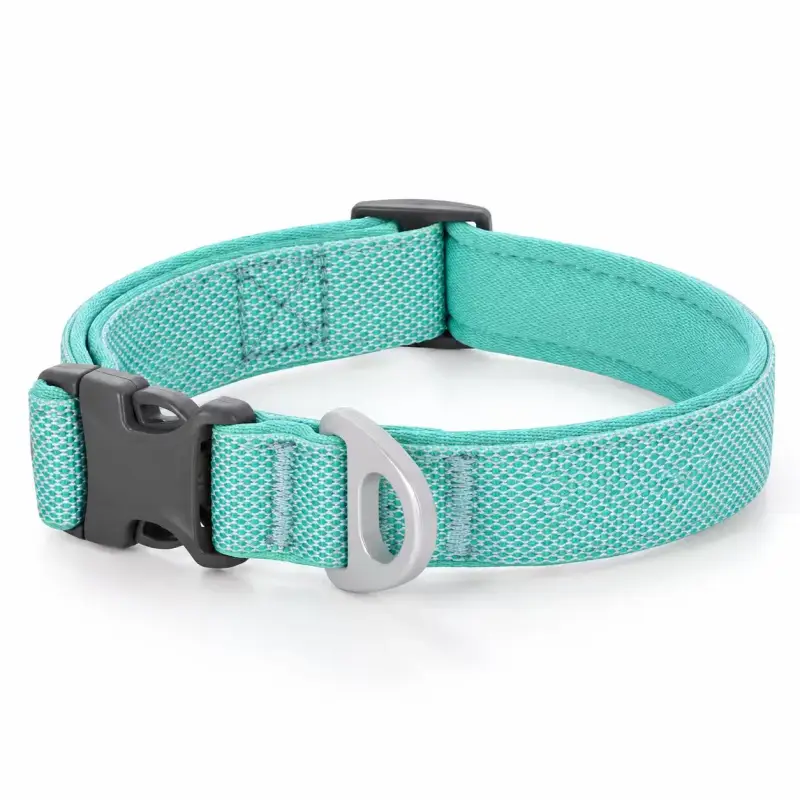
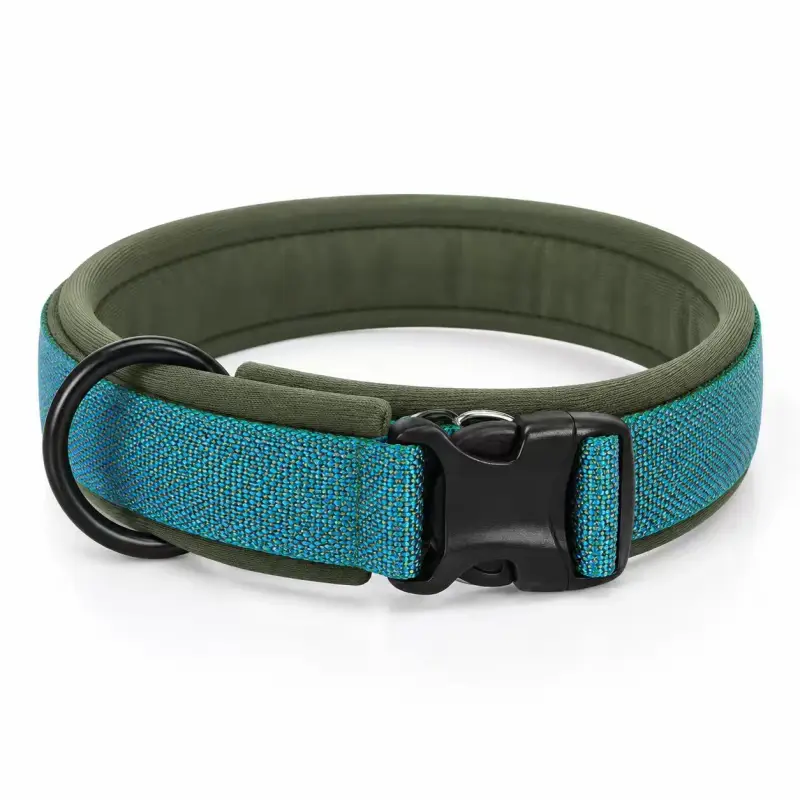
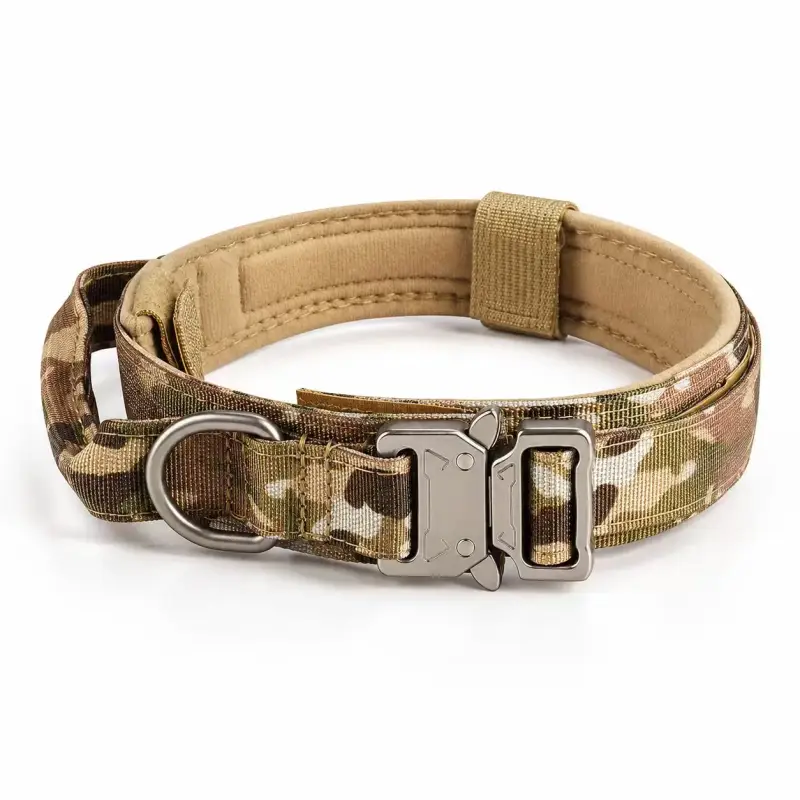
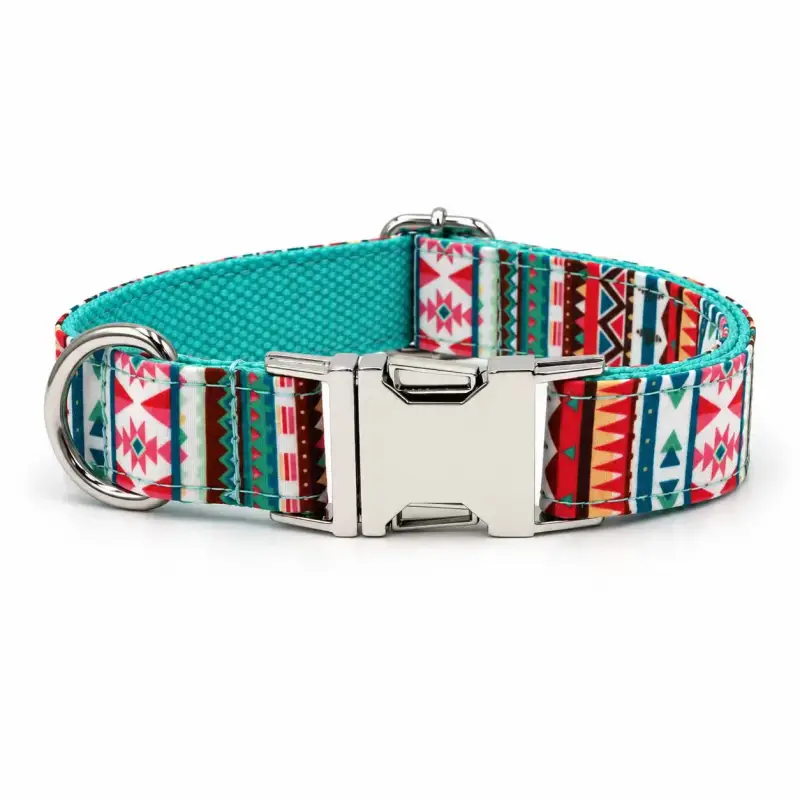
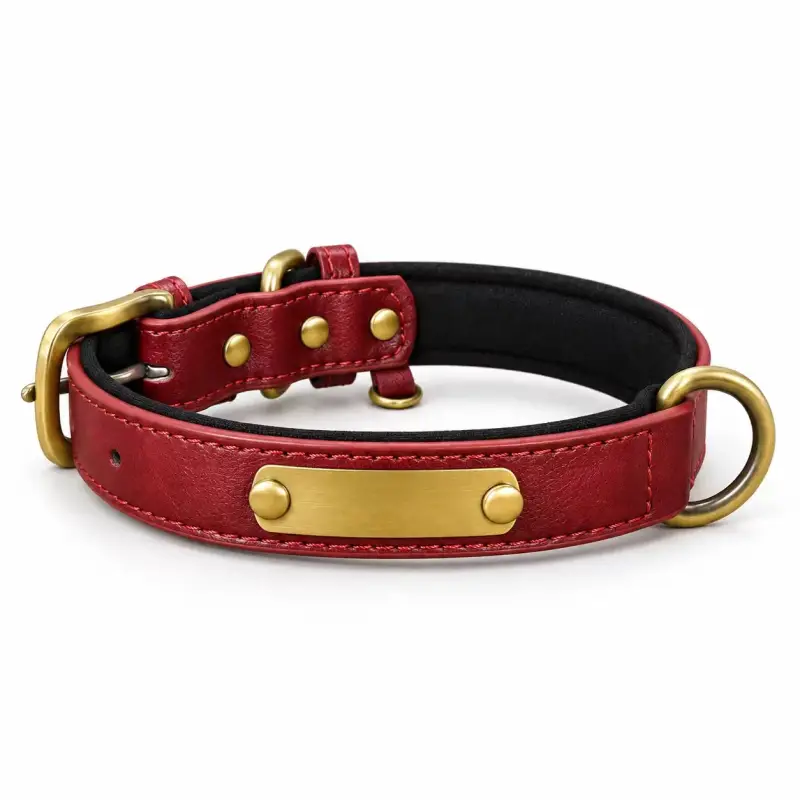
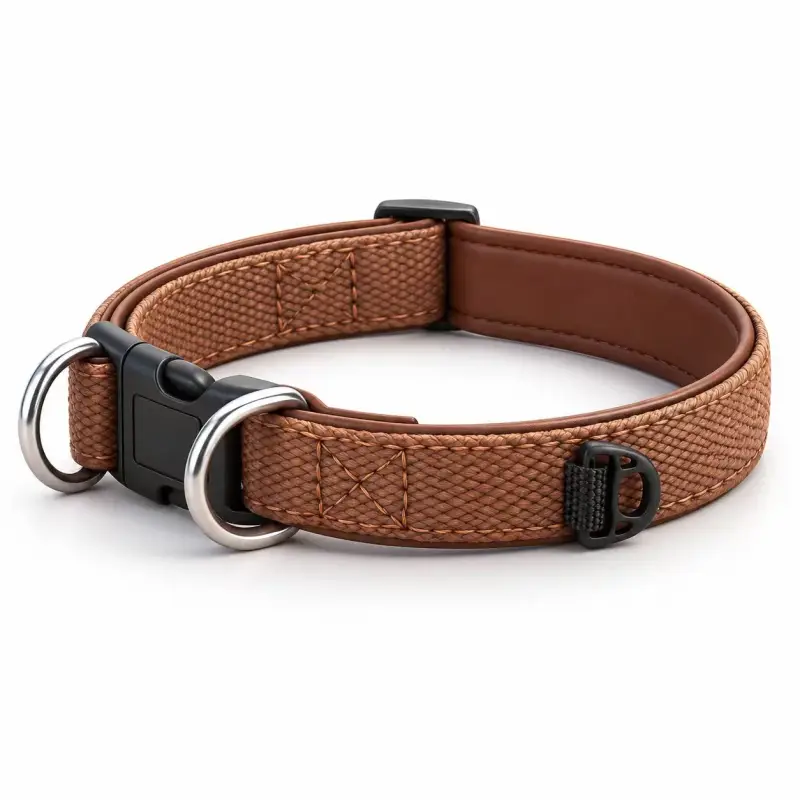
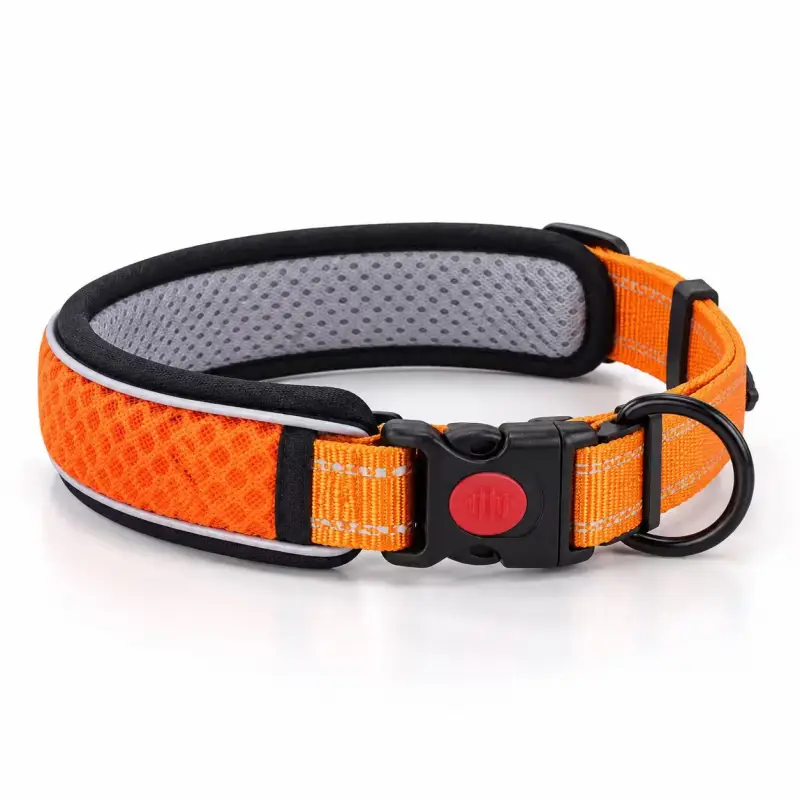
The 12 references include padded or lined collars (R22-01, R22-03, R22-05 and R22-12), patterned webbing or trim (R22-02, R22-06, R22-08 and R22-11), and a straightforward webbing design (R22-04). R22-07 shows a wide collar with a handle; R22-09 has a metal-look plate. Compare the selected model’s usable neck range, finished width, fastening and D-ring layout. A handle or plate visible in a photo is not proof of load strength, engraving, identification function or inclusion in another model.
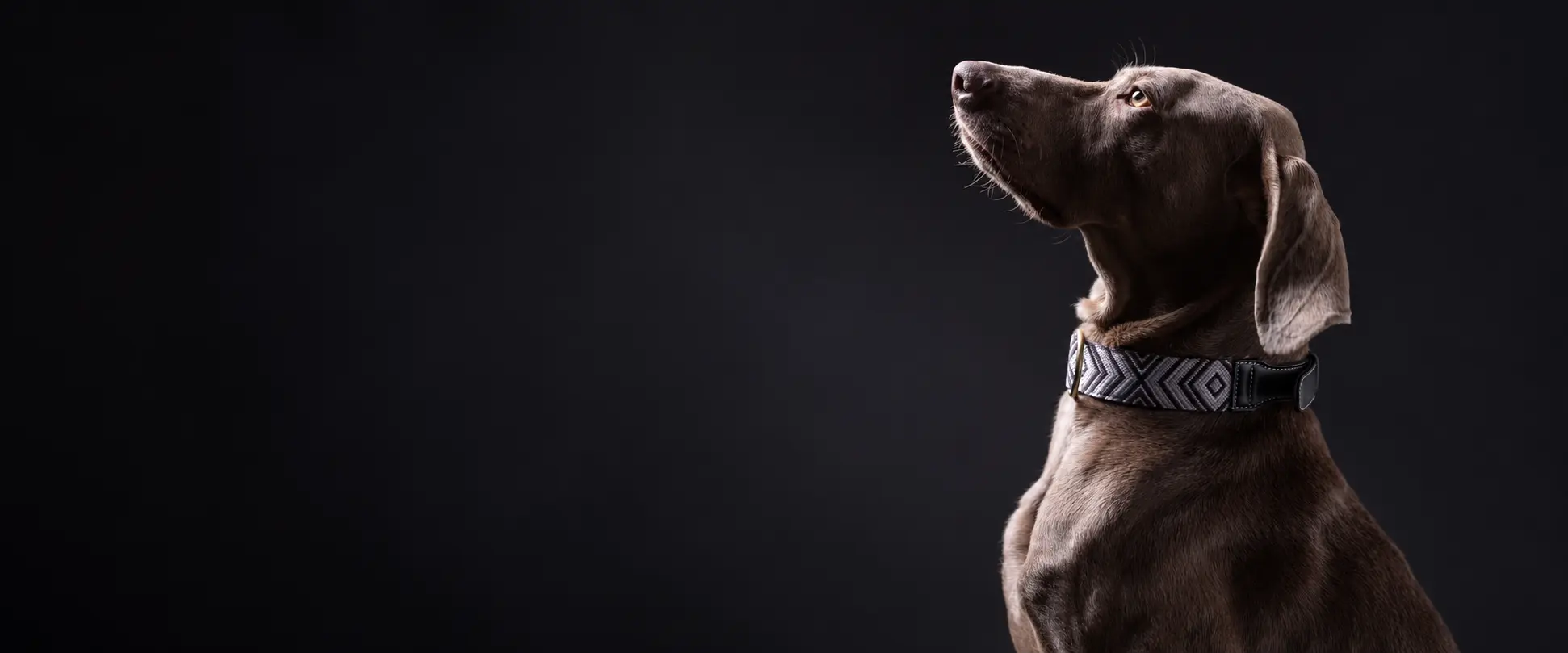
A collar can look simple while still requiring several fit decisions. Start with the measurement method, usable adjustment range and finished width, then carry the same definitions into the quote, sample review and size chart.
State how the neck measurement is taken for the selected design and use the same method in the size chart, quotation and sample review.
Record the minimum and maximum usable range for each planned size on the finished construction rather than relying on S, M or L alone.
Confirm the width that belongs to each size or style. A width change can affect hardware proportions, branding space and the overall appearance of the finished collar.
Collar construction, lining, closure, adjustment, D-ring and any handle or plate must match one approved Ref. ID and size. For example, R22-01 uses a metal-look buckle, R22-04 has a side-release clasp, R22-07 adds a handle and R22-09 shows a plate. Check their joining methods, dimensions and sample hardware rather than copying one assembly specification across these styles. See the PETMERO customization process for how changes can be defined and reviewed.
A reference image can start the discussion, but approval should be tied to the finished collar that matches the intended size, construction and presentation.
Confirm the usable neck range and stated width using the same measurement method planned for the size chart and quotation.
Check the buckle or clasp, adjuster, keeper, D-ring and all joining points on the exact finished sample; for R22-07 include the handle connection and for R22-09 the plate fixing. If width, material or hardware varies by size or model, test and approve that changed construction separately rather than extending an earlier result to every SKU.
Review color or pattern direction, logo placement, size identification, included parts and packaging against the approved brief.
Keep the approved size chart, reference ID and sample version connected. A later change to width, closure, hardware or construction can justify another review.
You do not need every technical answer before the first inquiry. Send enough information to identify the version you want and the decisions that still need to be confirmed.
Send a PETMERO Ref. ID, your own photo, sketch or sample direction and note what you want to keep or change.
Share the target neck range, planned size range and collar width where already known.
Note the closure, adjustment and attachment direction plus any logo, label, plate, color or pattern request.
Give estimated quantities by size or color where possible, the destination country and any known retail-packaging requirement.
These questions cover decisions that can remain after a reference is shortlisted. Exact materials, hardware and performance requirements still belong to the selected version.
Use measured neck circumference as the starting point and state the usable adjustment range of the finished collar, not just S/M/L or a breed label. If padding, width or buckle construction differs by style, verify fit against that model-specific chart; apparent size from a photograph is not reliable.
Not automatically. Narrow and wide collars can change the available branding area and the spacing around buckles, adjusters or attachment hardware. Approve placement on the width or size combination that matters to the order.
You can request a coordinated color, pattern or hardware direction in one project brief. The collar and leash should still keep separate dimensions, construction details and sample approvals.
Confirm the exact material, finished construction, supporting test or evidence where applicable, intended use and target market. A visual feature or material name by itself is not enough to establish a performance claim.