Ref. R13-01
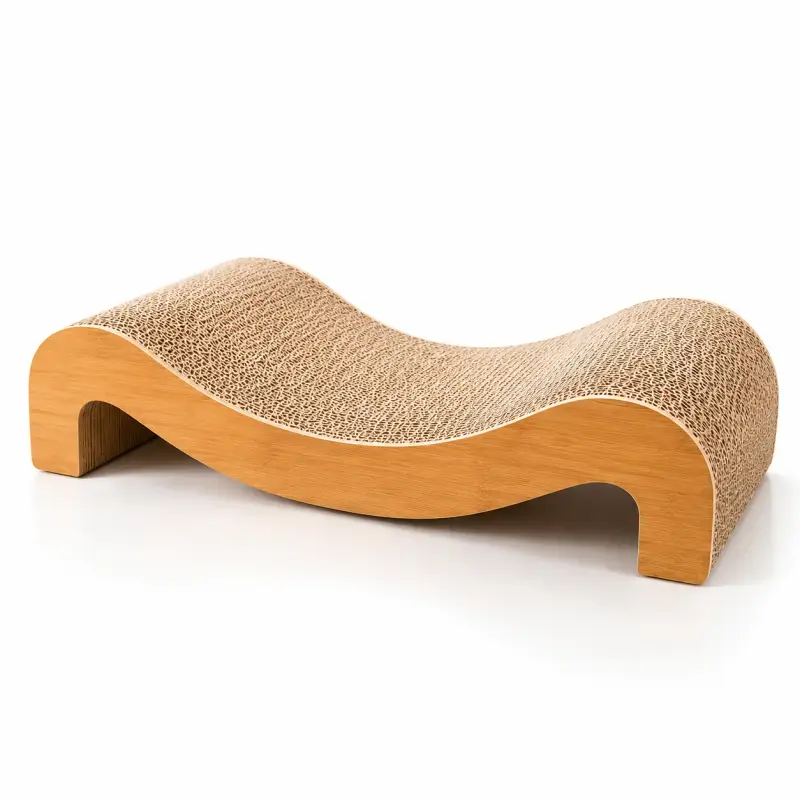
Wave cardboard cat scratcher
Curved cardboard scratcher; compare usable surface, board construction, support body, edges and refill options.
Source cat scratchers for wholesale and private-label projects, from cardboard scratching boards and mats to scratching posts, panels and shaped loungers. Compare scratching direction, usable surface, stability, material, replacement parts and packing before confirming colours or branding.
Choose the type of cat scratcher your buyers need. R13-01–03 show cardboard scratching boards and holders; R13-04 shows upright scratching posts. R13-05, R13-06 and R13-08 show a scratching mat or panels. R13-07 and R13-09–12 combine scratching with a resting shape or play feature. These are different product formats, not all scratching posts. Choose a Ref. ID, then compare the usable scratching area, how it stays in place, materials and replacement parts before discussing samples or packaging.
Curved cardboard scratcher; compare usable surface, board construction, support body, edges and refill options.
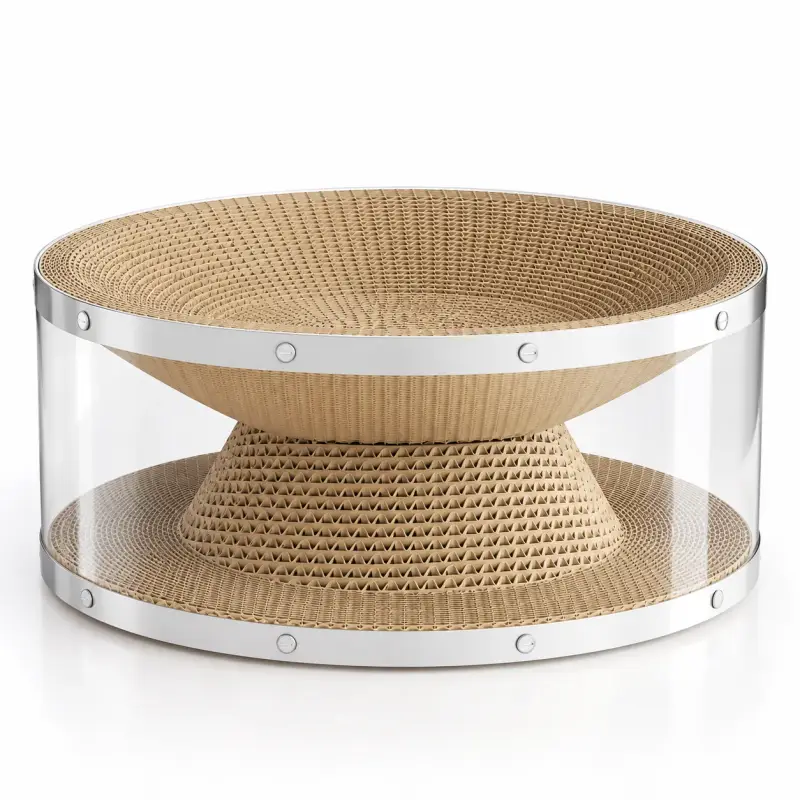
Round scratcher; compare usable centre, outer wall, cardboard insert, holder depth and replacement fit.
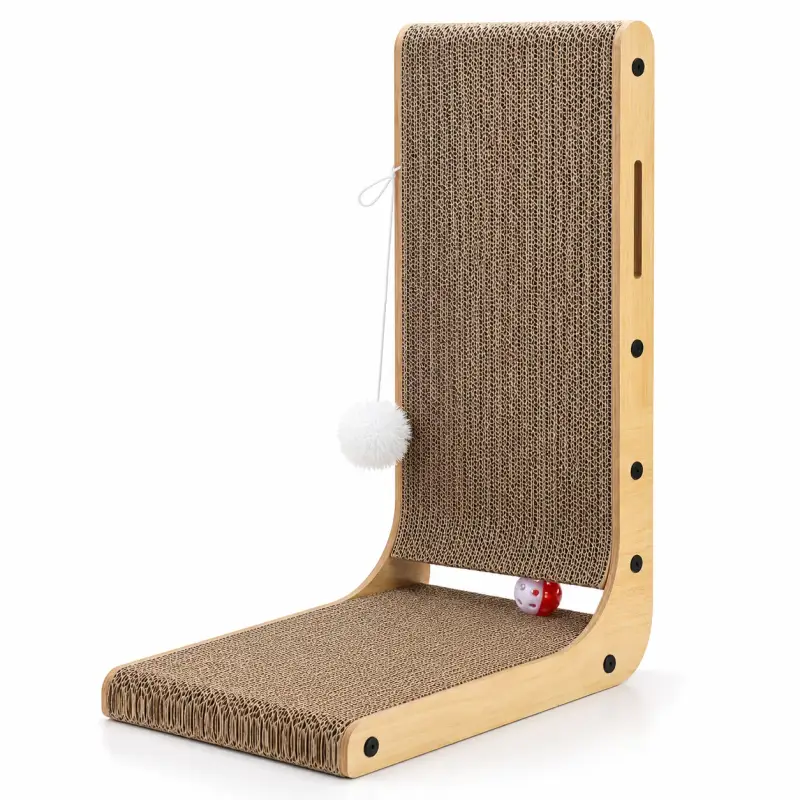
Vertical-and-horizontal scratcher; compare both usable surfaces, base, joints, material and included hanging toy.
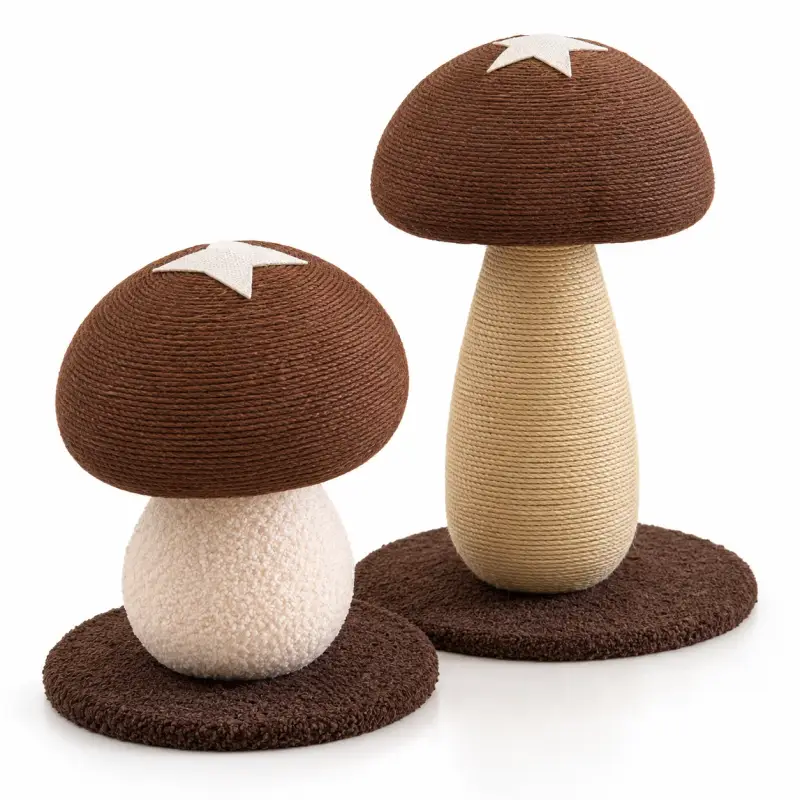
Decorative scratching posts; compare usable post height, diameter, base, wrapped surface and assembly.
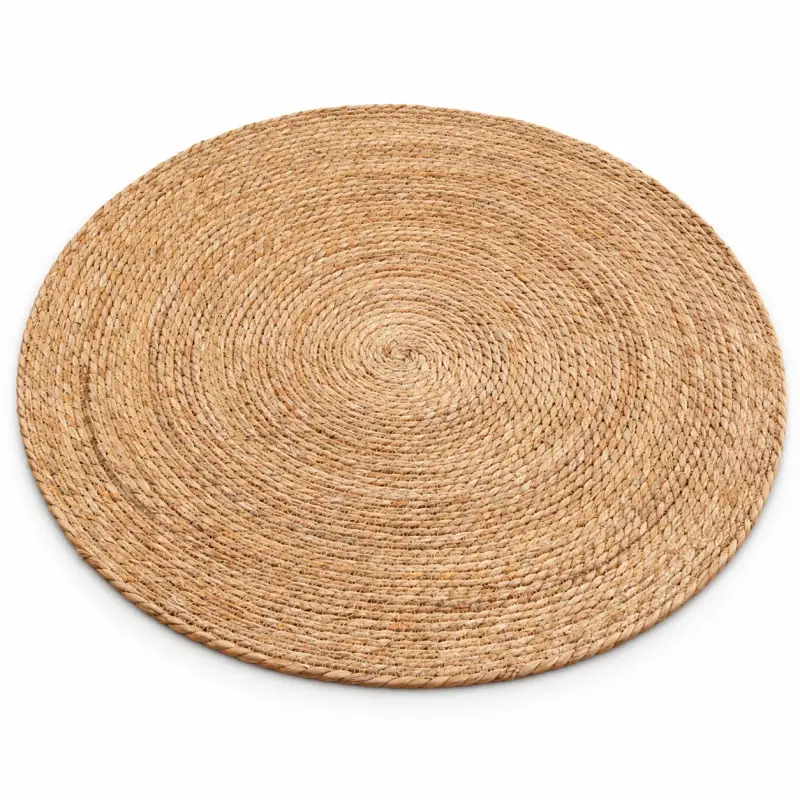
Woven scratching and resting mat for cats; compare usable diameter, weave, thickness, edge finish and backing.
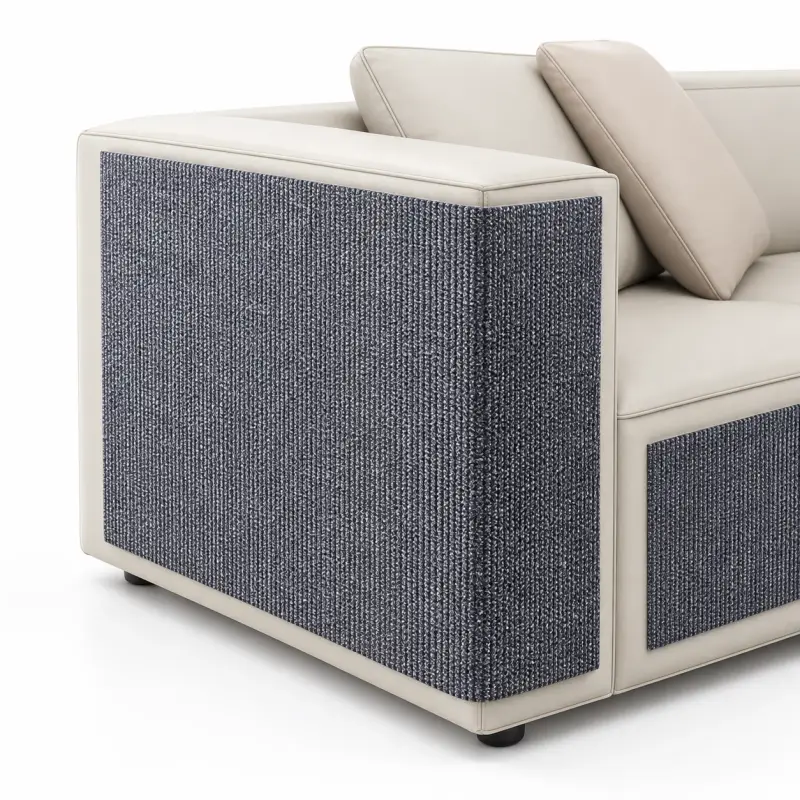
Furniture-protection scratching panel; compare usable area, non-woven or other verified surface, backing, fit and attachment.
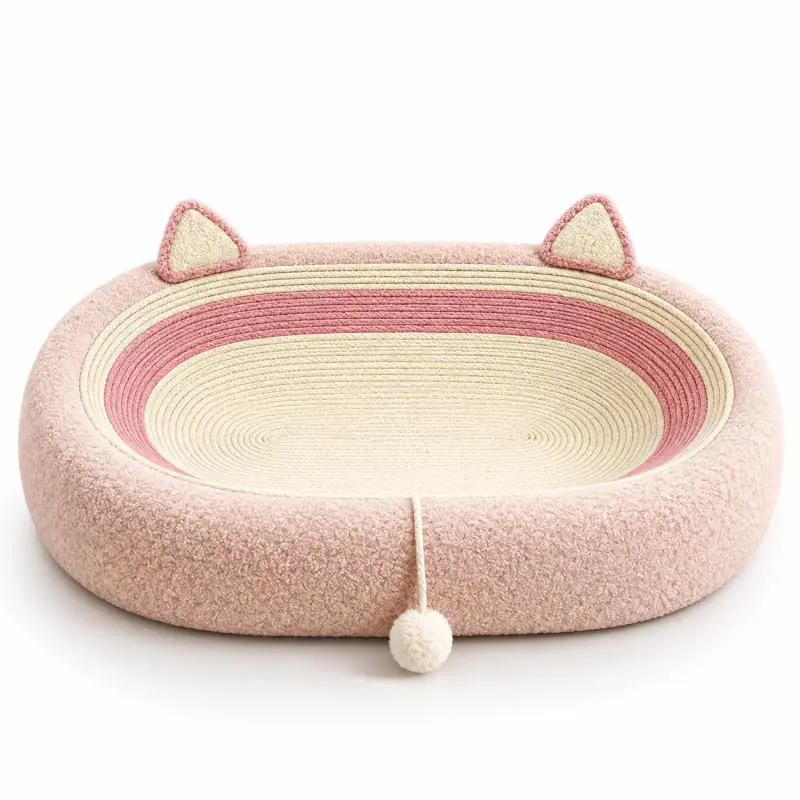
Lounger-style scratcher; compare usable scratching surface, resting area, body support, edges and replaceable insert options.
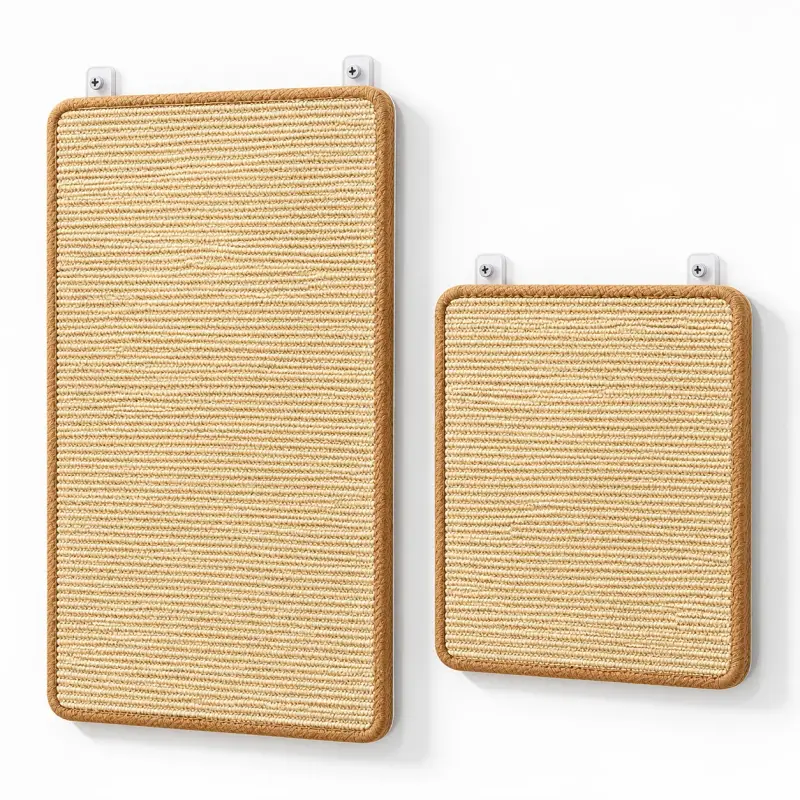
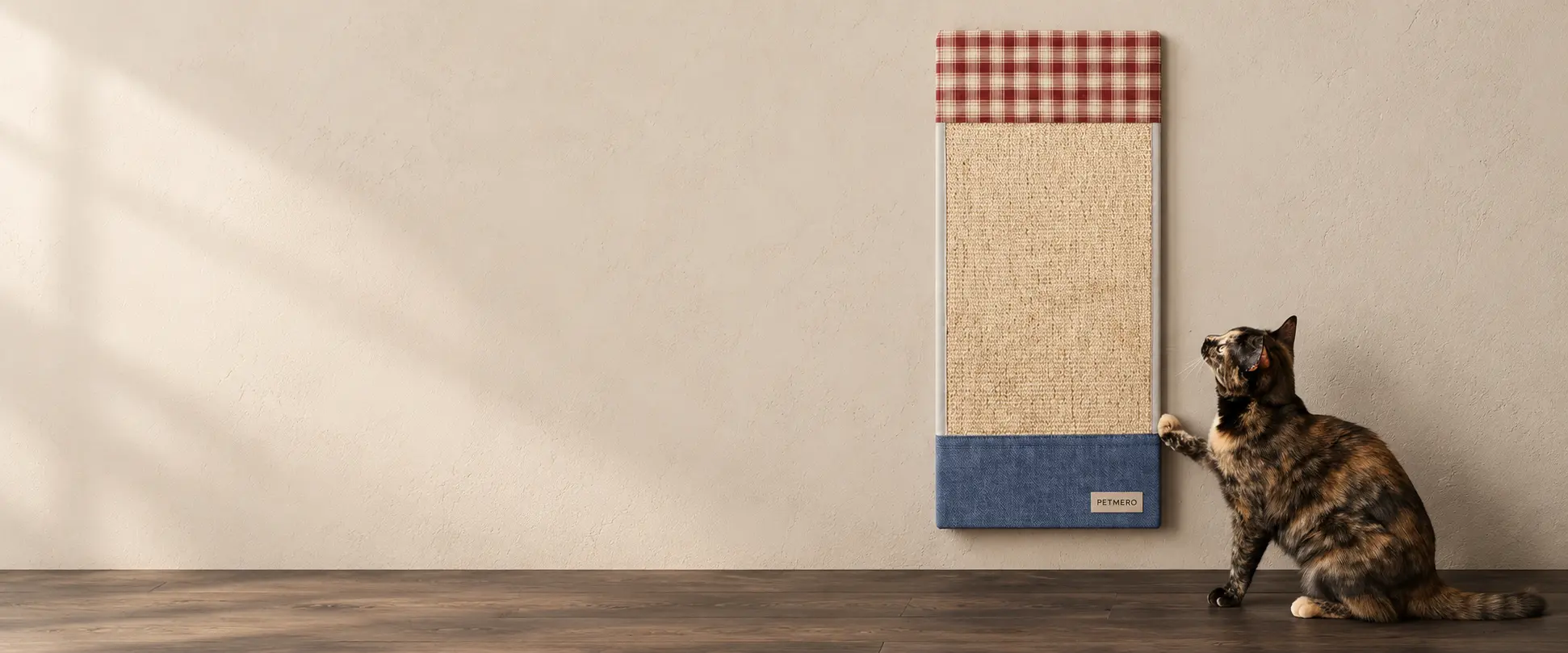
Hanging scratcher panels; compare usable area, fibre, backing, hanging points, dimensions and installation.
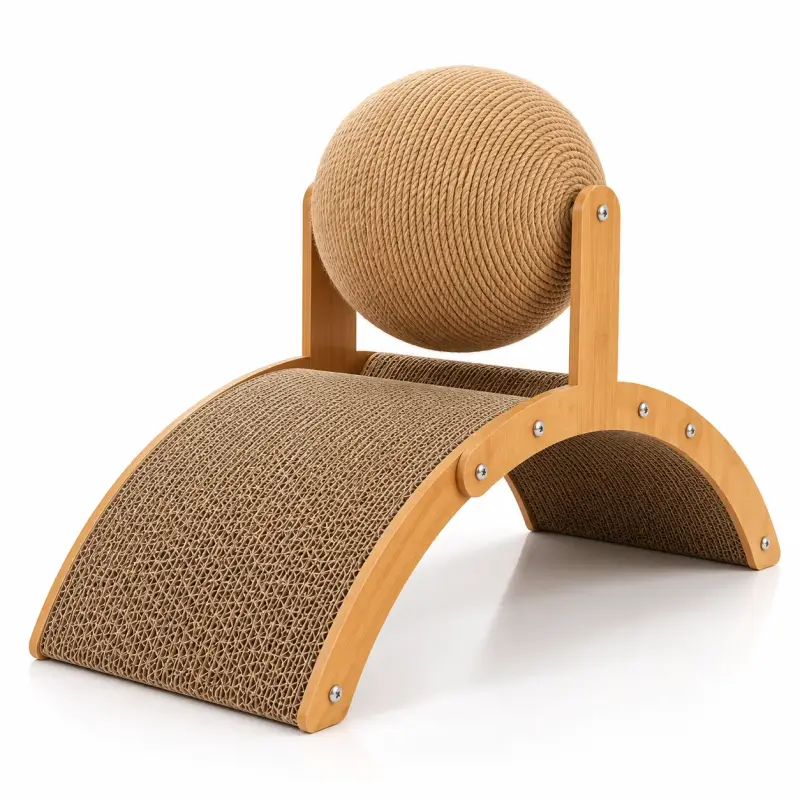
Arched multi-surface scratcher; compare usable arch surface, base, raised ball, attachments and stability.
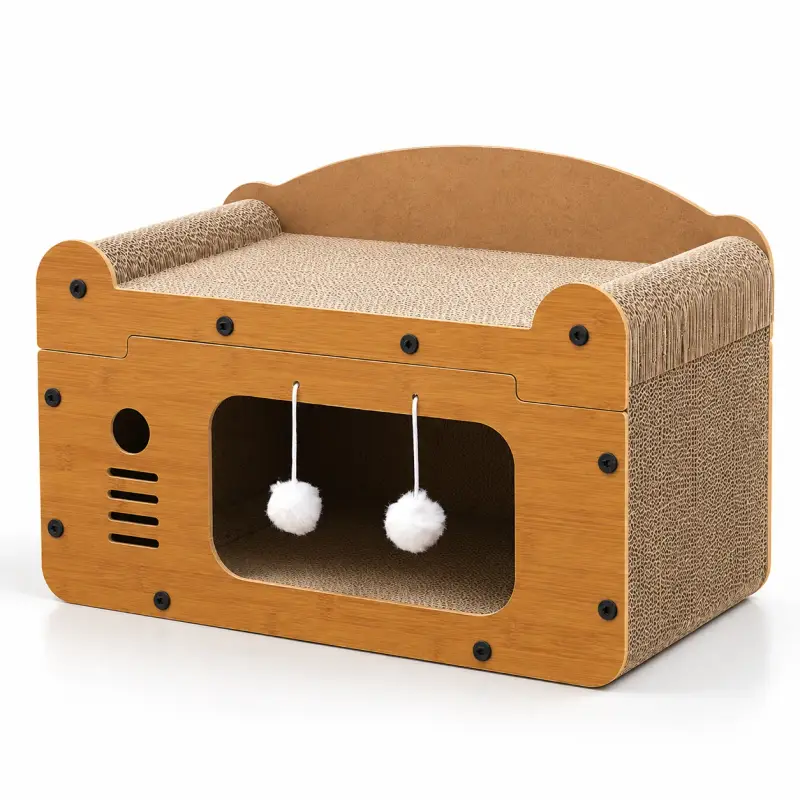
Box-format scratcher; compare scratching panel, body dimensions, openings, hanging toys and replacement access.
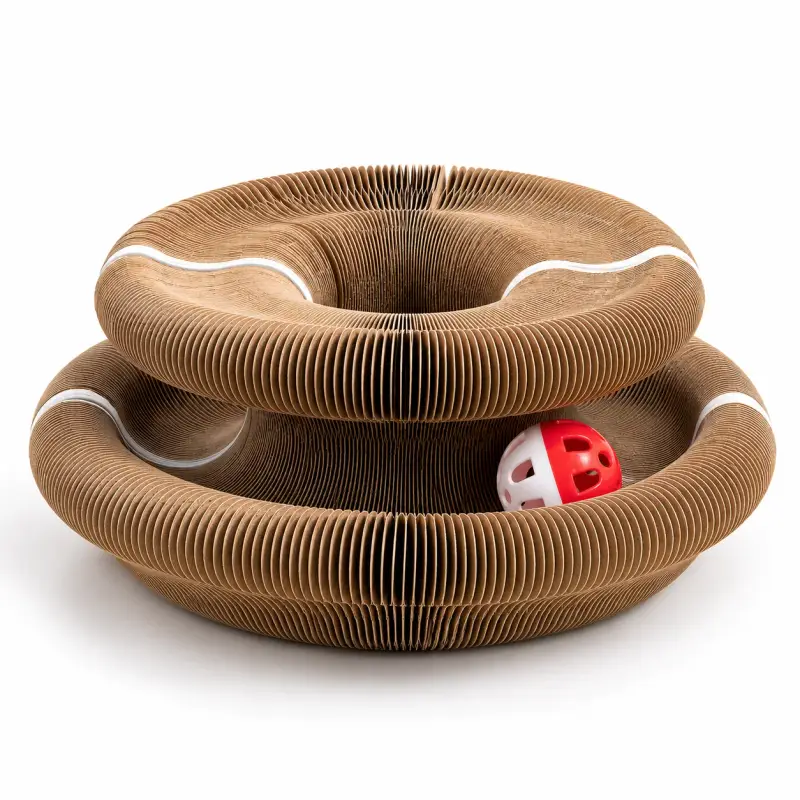
Round scratcher with track toy; compare scratching surface, track, ball, stacked body, stability and refill fit.
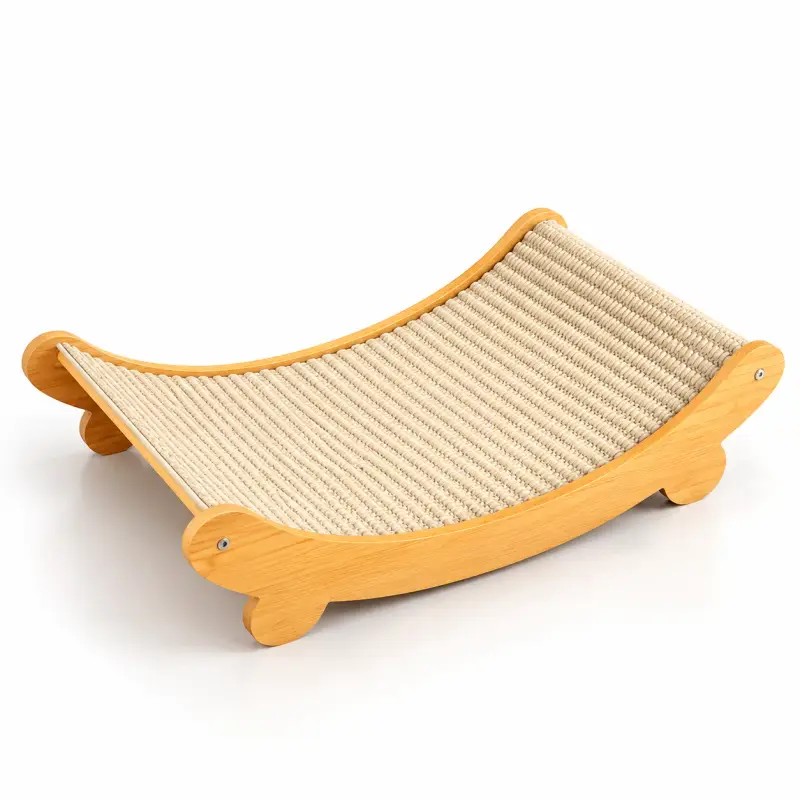
Curved framed scratcher; compare usable surface, resting curve, frame support, footprint and verified material.
These 12 references show part of the PETMERO cat scratcher range. If you need another orientation, surface, refill system or support construction, send a Ref. ID, image or product link.
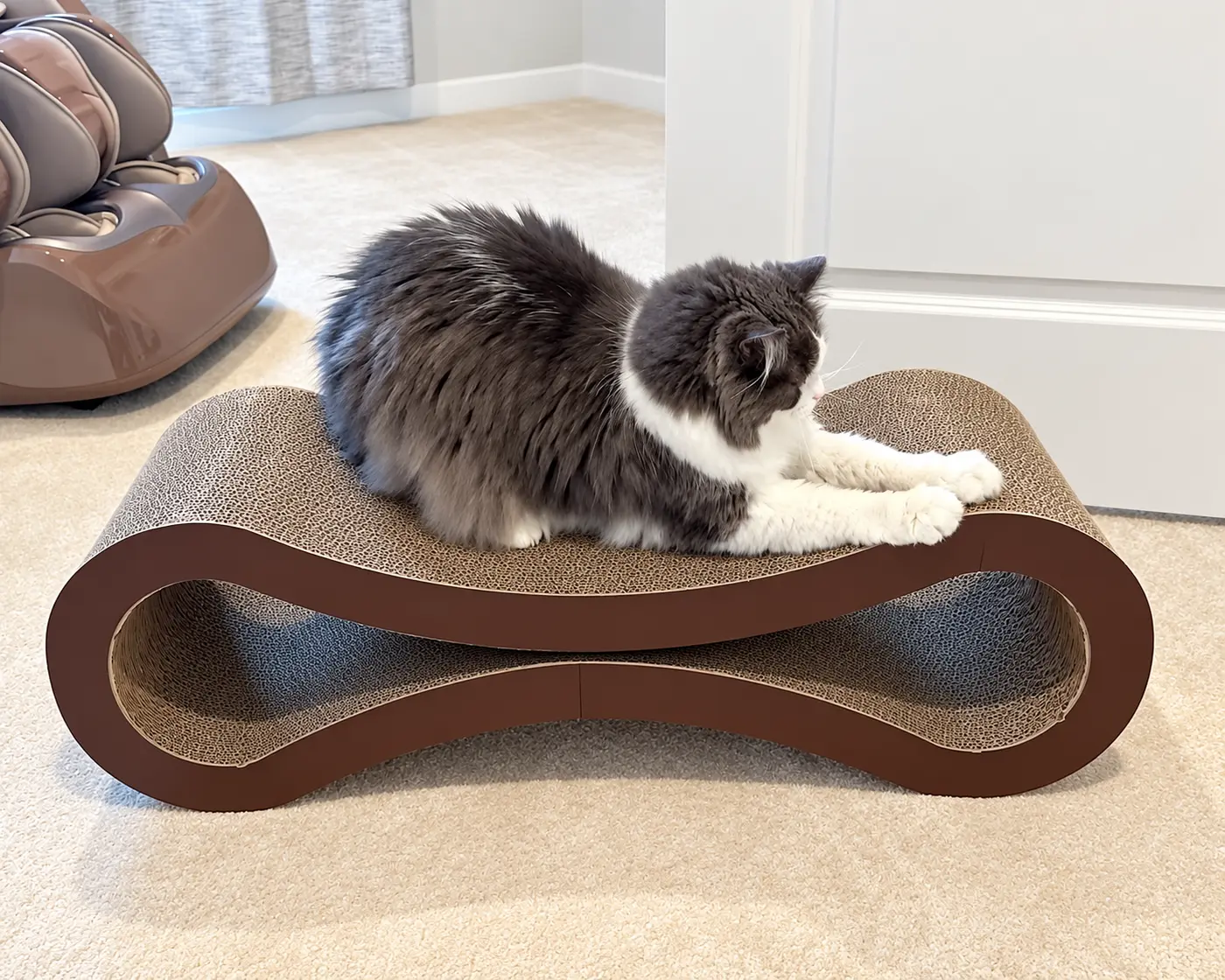
A horizontal cardboard scratcher, vertical cat scratching post, hanging panel and curved lounger solve different use cases. Define how the cat reaches the scratching surface, how much usable area is available and how the product stays stable or fixed before you compare styling.
Compare usable length and width, board thickness, fluting or surface direction, tray or holder and whether the scratching insert is reversible or replaceable.
Compare usable scratching height, post diameter, surface attachment, base footprint and assembled stability. Height only matters together with a stable complete structure.
Compare usable scratching area, attachment or hanging method, fit against the intended surface and any backing that separates the scratcher from furniture.
Compare the scratching angle, usable surface, full footprint, supporting body and whether the design also functions as a resting surface or includes play accessories.
Compare scratching direction, usable surface, material, stability and replacement together. The same material can behave differently in a board, post, panel or lounger.
Compare usable scratching length and width, board construction, surface direction, tray or holder and whether the insert can be reversed or replaced.
Compare usable scratching height, post diameter, surface attachment and the complete base rather than height alone.
Compare the scratching area, backing and how the panel hangs, wraps or fixes to the intended wall or furniture position.
Compare the scratching angle, usable surface and full supporting body, including any resting area or play feature.
Compare the actual scratching area and intended cat-size range rather than the outside silhouette alone.
Confirm the scratching material separately from the holder, base or frame, and check how the complete product stays in position.
Keep compatible inserts, included accessories and assembly or attachment parts clear for repeat orders.
A cost-conscious material that works well for flat boards, waves, loungers and replaceable inserts. Board grade, flute direction and layer count affect stiffness, wear and how much loose paper debris appears.
Check the approved sample for board construction, edge finish, reversibility, refill fit and debris rather than treating low cost or thickness as a durability guarantee.
Rope wrap is well suited to posts and sculptural forms, while woven sisal fabric suits flatter panels. Both generally avoid cardboard-style shavings, although fibre fraying and wear still need review.
Confirm fibre identity, rope diameter or fabric specification, attachment, exposed ends and any replacement method on the selected product.
A woven mat offers a flat scratching format. Compare the usable surface and how the mat lies on the intended floor; appearance alone does not establish the fibre, grip or durability.
Confirm the fibre specification, weave density, thickness, edge finish and backing for the selected version. Review fraying and cleaning on a sample before choosing care instructions or making performance claims.
Trimmable or self-adhesive non-woven panels can suit sofa arms, beds, walls or other suitable surfaces and can place the scratching area where floor space is limited.
Confirm the fibre specification, adhesive backing, target surface, cut edge and removal method before describing a version as self-adhesive or furniture-protective.
White paperboard or another finished board may form a holder, shell or printed structure around a scratching insert. The visible outer board is not automatically the scratching surface.
Specify the outer structure, printed finish, insert material, joints and contact edges separately so the retail appearance does not blur the functional material.
The holder controls stability, insert fit and repeat-order compatibility even when the scratching material stays the same.
Record holder dimensions, base or frame material, joints, insert orientation and the exact replacement reference for every refillable design.
Record whether the product is horizontal, vertical, angled or multi-surface, then measure the actual scratching length, width or height rather than relying on the overall silhouette.
For vertical posts and taller panels, compare the usable scratching height with the intended cat-size range. Avoid treating a decorative post height as useful scratching height if parts of the structure cannot be used.
Record base dimensions, weight or support method, fixings and any wall, furniture or floor attachment. A scratching surface that moves under load is a different product experience from a stable one.
Confirm whether the scratching surface is corrugated board, sisal rope, sisal fabric or another verified textile or woven material, and record how it is bonded, wrapped, fixed or retained.
For refillable designs, define insert dimensions, orientation, tolerances, removal method and the exact holder models each replacement fits.
Compare loose fibres or cardboard debris, exposed edges, replaceable wear parts and how the holder, base or surrounding body is cleaned without overstating durability.
Select a scratching style by horizontal, vertical or angled use, then review the surface and base. New support geometry requires more than a colour or print change.
Choose a scratching board, post or lounger format and confirm the usable scratching area, base construction and replacement or packing requirements by style.
For cat scratchers, review logo placement on the outer panel or packaging without covering the scratching surface. Approve the finished configuration and protective pack.
For a custom cat scratcher, mark the scratching-surface orientation, support base and joining points. Changing the load-bearing structure calls for more review than changing its color. Use the customization process to define the reference and sample-review steps.
Start with the intended scratching direction and usable surface, then define the overall profile, base or holder so a visual change does not reduce function.
Choose the approved cardboard, sisal or other verified surface and plan replacement inserts or wrapped parts with clear compatibility references where applicable.
Coordinate holder colours, printed sleeves or panels and included balls or other accessories only after the main scratching construction is defined.
Plan labels, artwork, pack contents, assembly information and refill identification around the approved product rather than adding generic claims to the package.
For cat scratchers, share the format, scratching surface material, usable scratch area, frame or base construction and replacement-part needs. Materials, assembly and pack size should be confirmed for the selected reference before a quotation.
“We are interested in R13-04 mushroom cat scratching posts for a wholesale range. Could we review sizes, surface materials, base construction and packaging options?” Add your quantity and delivery destination when available so we can discuss sampling and a quotation for the selected design.
Compare cat scratcher quotes by usable scratch area, surface material, frame or base construction, assembly needs and packed size.
For each cat scratcher, confirm scratching-surface coverage, orientation, base construction, joining points and carton protection against the approved sample.
Measure the usable scratching surface, full footprint or base, assembled height where relevant, and inspect edges, attachments, joints and any included accessories against the approved specification.
Check stability or installation in the intended orientation, then remove and refit replaceable inserts where applicable and review surface attachment, loose debris and wear after the agreed handling checks.
Approve the complete product, refill compatibility, assembly or attachment instructions, pack contents and any material or durability wording before production.
Check crushed cardboard edges, wrapped surfaces, joints, bases and loose accessories after the proposed pack and handling method.
Use distinct references for the main product and replacement inserts, with dimensions and holder compatibility clear on the approved pack.
If balls, hanging toys, catnip or other accessories are included, identify the exact contents without letting them replace the core scratching-surface specification.
Buying questions about cat scratcher surfaces, base stability, replacement needs, branding and carton protection.
Cat scratcher is the broader product term. A cat scratching post is specifically an upright or mostly vertical format. Horizontal boards, mats, curved loungers and hanging panels are also cat scratchers but should not all be described as posts.
Compare the surface together with its construction. Corrugated cardboard suits boards, loungers and replaceable inserts; check edge finish and loose debris. Sisal rope and fabric suit wrapped or woven surfaces; check attachment and fraying. For a woven mat, confirm the fibre rather than identifying it from a photograph, then compare usable area, backing, edge finish and wear on the sample.
Both are valid product directions. Horizontal boards and mats, vertical posts and angled surfaces serve different scratching positions, so a range can include more than one orientation instead of treating one as universally better.
Use the usable scratching height and intended cat-size range, not the overall decorative height alone. Also review post diameter, base footprint, stability and the parts of the post the cat can actually reach.
Yes, when the holder is designed for refills. Define insert dimensions, orientation, thickness, tolerances and compatibility so replacement packs fit the approved holder.
Yes, where the selected construction supports it. Hanging panels can place a scratching surface where the cat already prefers to scratch and can reduce floor-space use. Trimmable non-woven adhesive panels can be discussed for sofa arms, beds, walls or other suitable surfaces; confirm backing, dimensions, target surface and removal method for the exact version.
No. Do not assume catnip or another plant ingredient is included. If it is requested, confirm the exact ingredient, pack format, quantity and any market-specific requirements separately.
A dedicated scratching surface provides an alternative place for a cat to scratch. For a product range, compare orientation, working-surface material, usable dimensions and stability. Individual cats may respond differently, so describe the actual product features rather than promising a particular change in behaviour.
A cat scratcher focuses on a surface for scratching, such as a board, mat, post or scratcher lounger. A cat tree focuses on climbing levels, raised platforms or hideaways, although it may also have scratching posts. For larger climbing structures, see Cat Trees.
A Ref. ID, image or product link is enough to begin. Add orientation, dimensions, surface material, refill or installation needs, quantity, destination, branding or packaging details whenever they are available.