Ref. R11-01
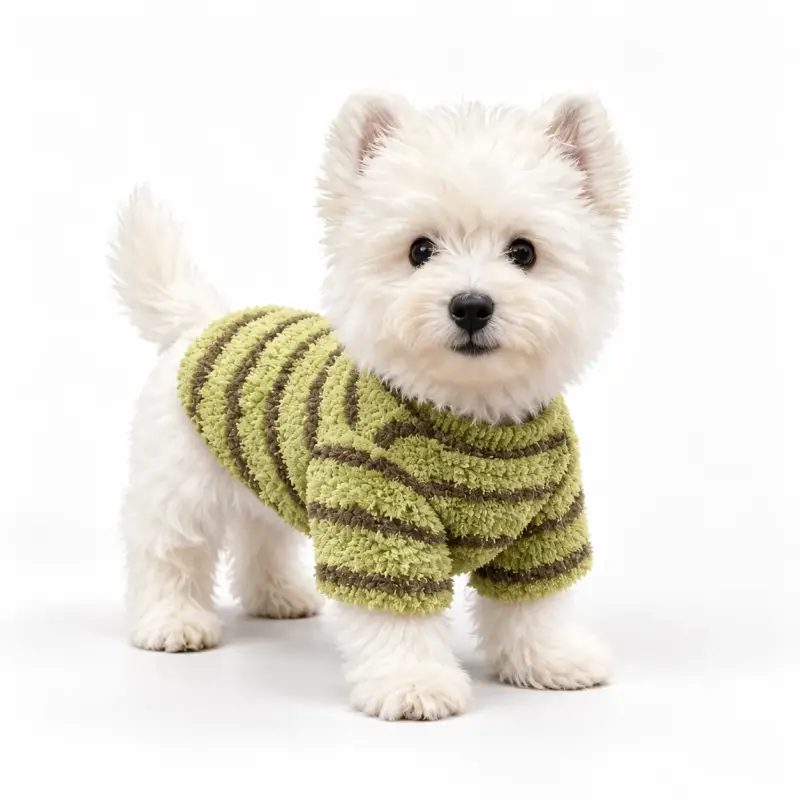
Green striped dog knit top
Striped everyday dog knit top; compare chest, neck, back length, armholes, knit weight, stretch and rib recovery.
Source dog shirts and everyday dog clothes for wholesale and private-label ranges. Compare lightweight fabrics, dog fit, size grading, prints, branding and packaging.
Compare dog T-shirts and everyday tops by their actual cut: sleeveless, short-sleeve, long-sleeve or collared. R11-01 is a striped knitted top, while R11-12 is a striped outfit with a contrasting bib-style front; check the construction rather than assuming every reference is a basic T-shirt. Choose a Ref. ID, then review neck and chest fit, fabric weight, sleeve openings, printing and care. For knitted sweaters, sweatshirts and hoodies, see Dog Sweaters & Hoodies.
Striped everyday dog knit top; compare chest, neck, back length, armholes, knit weight, stretch and rib recovery.
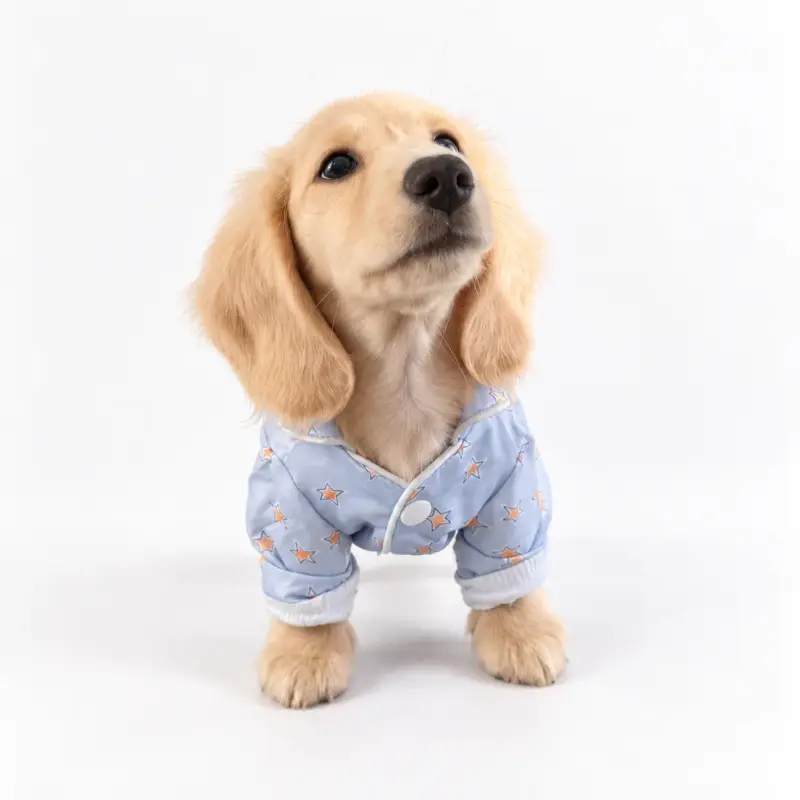
Short-sleeve dog shirt; compare chest fit, sleeve opening, back and belly length, fabric weight, stretch and care.
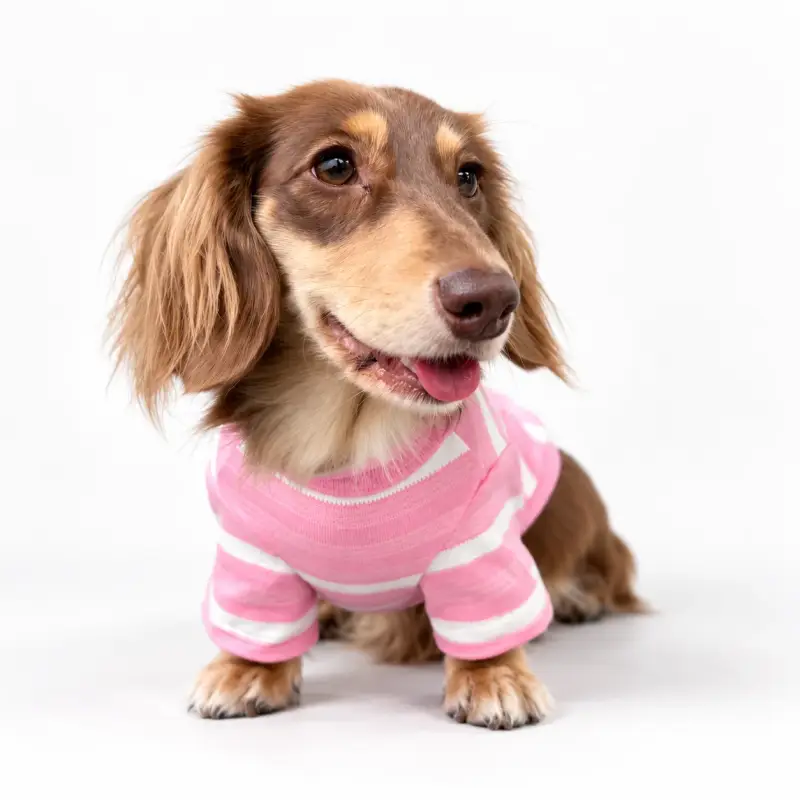
Striped everyday dog shirt; compare dog fit, openings or sleeves, stripe scale, fabric stretch and finished measurements.
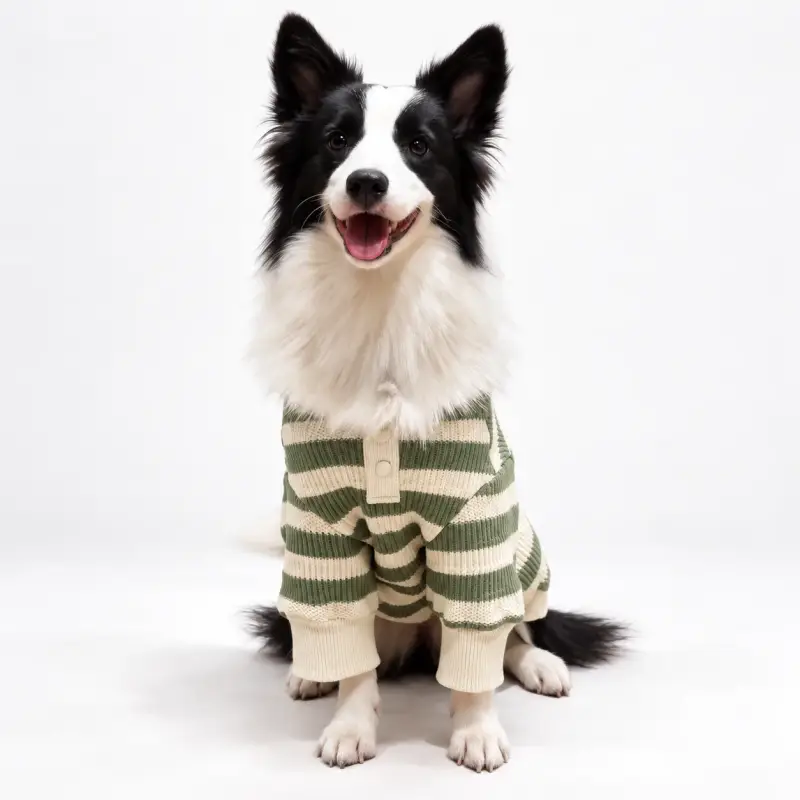
Collared dog shirt; compare neck and chest fit, collar shape, sleeves, stripe placement, fabric structure and dressing.
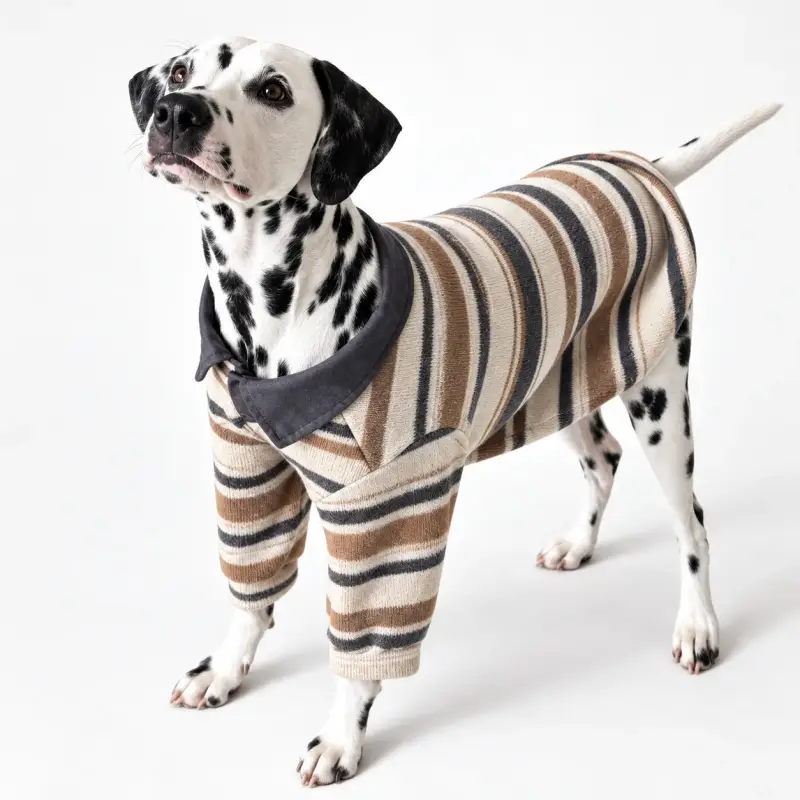
Everyday striped dog top; compare chest, neck and back fit, openings, coverage, fabric weight and stretch.
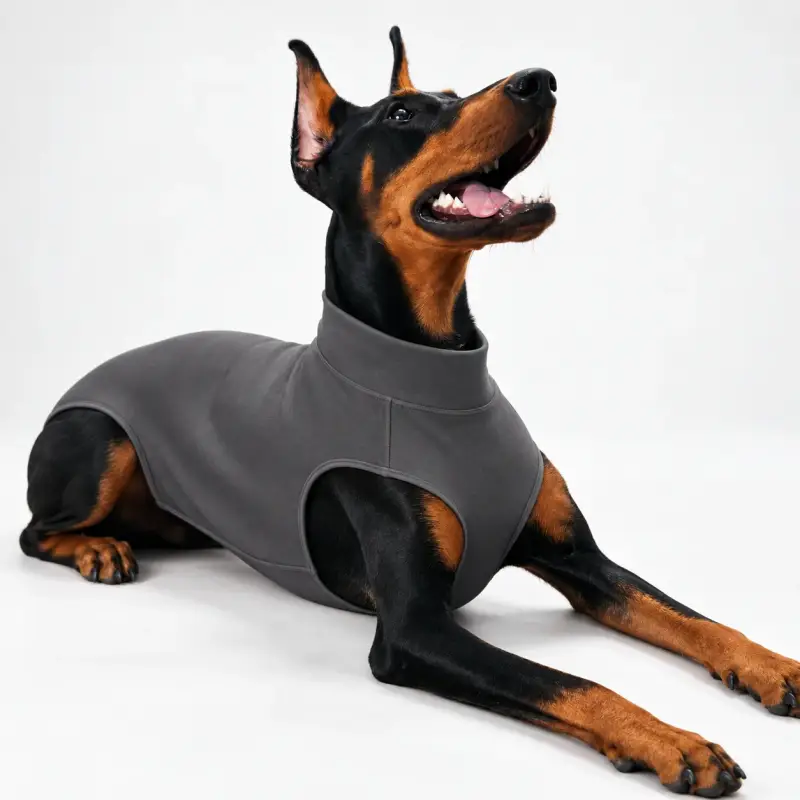
Sleeveless dog shirt; compare chest and neck fit, armholes, back length, belly clearance, binding and fabric stretch.
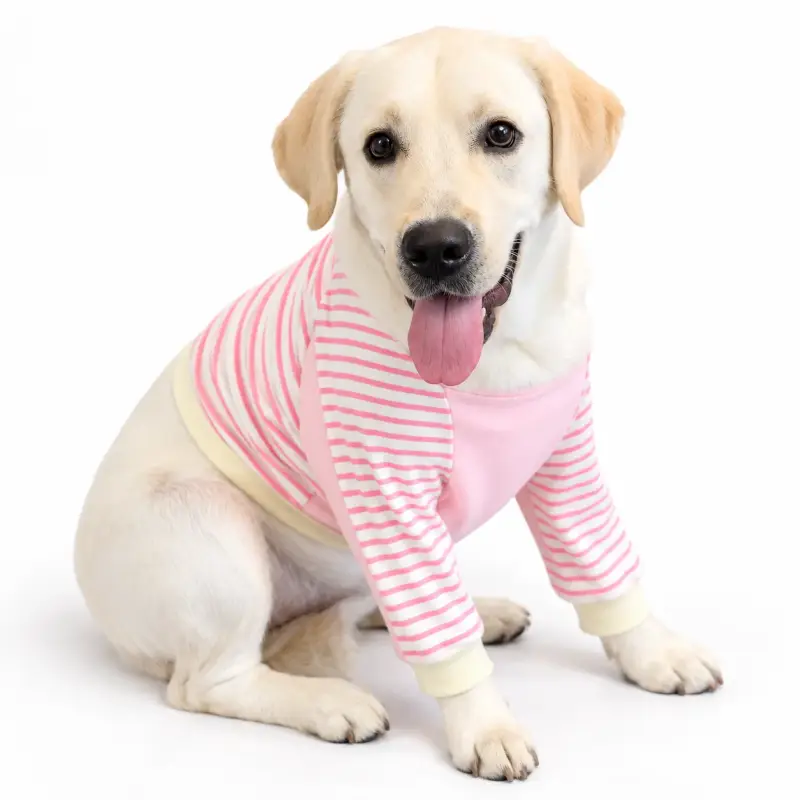
Striped dog everyday top; compare fit, openings, stripe scale, fabric construction, stretch and care.
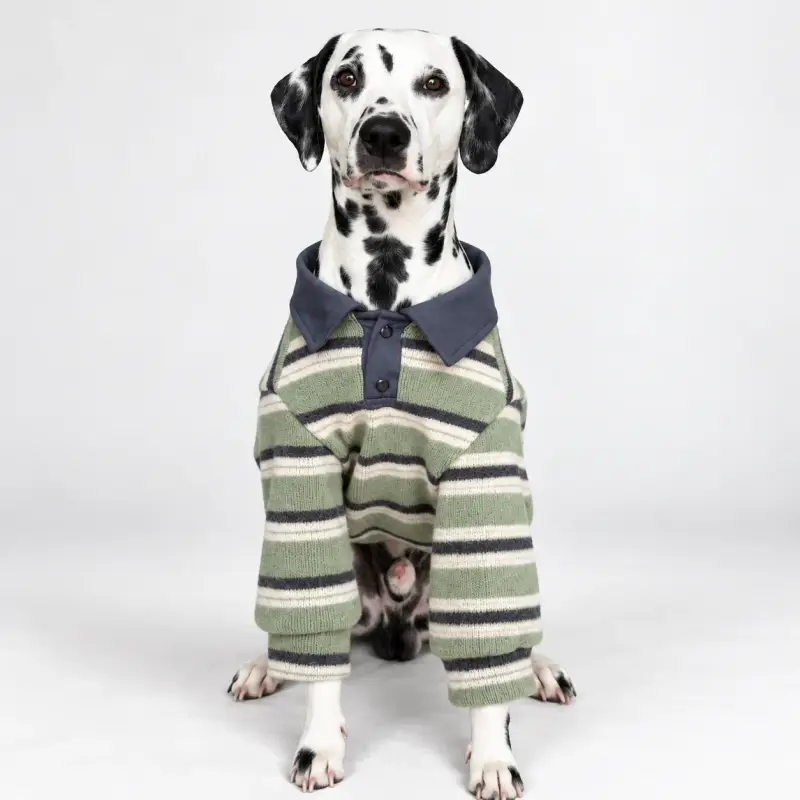
Long-sleeve dog shirt; compare chest fit, sleeve angle and length, cuffs, back length, belly cut and stretch.
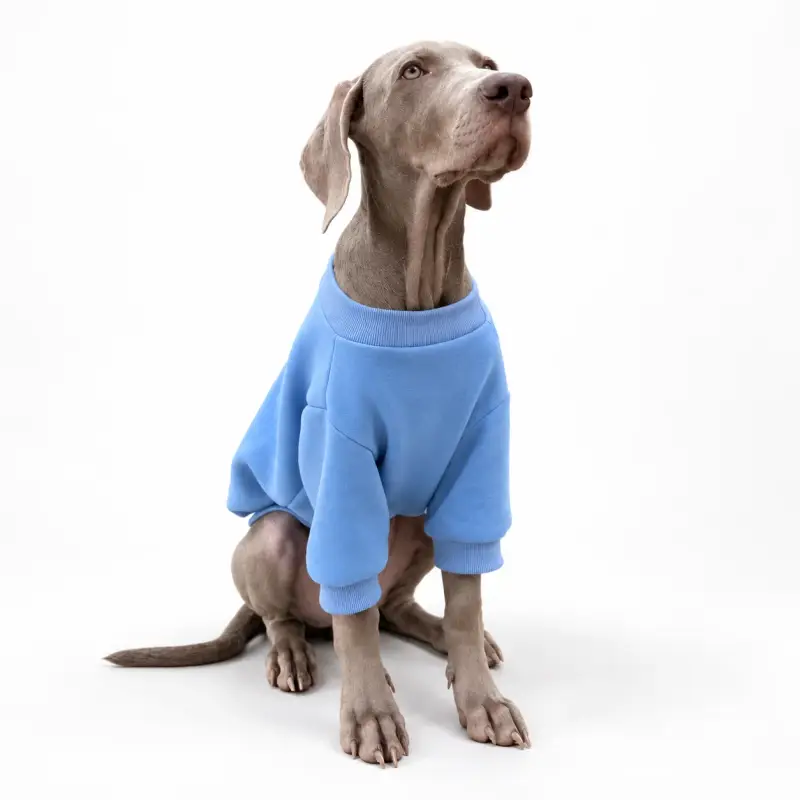
Short-sleeve dog everyday top; compare chest, sleeves, back and belly length, fabric weight, stretch and care.
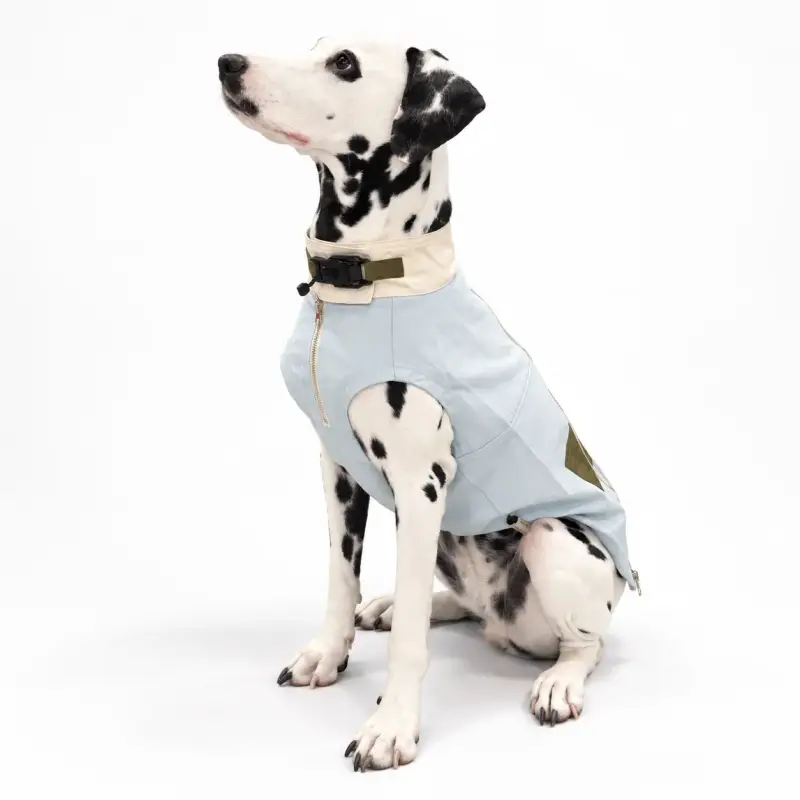
Lightweight sleeveless dog shirt; compare chest, neck, armholes, back and belly coverage, binding and fabric.
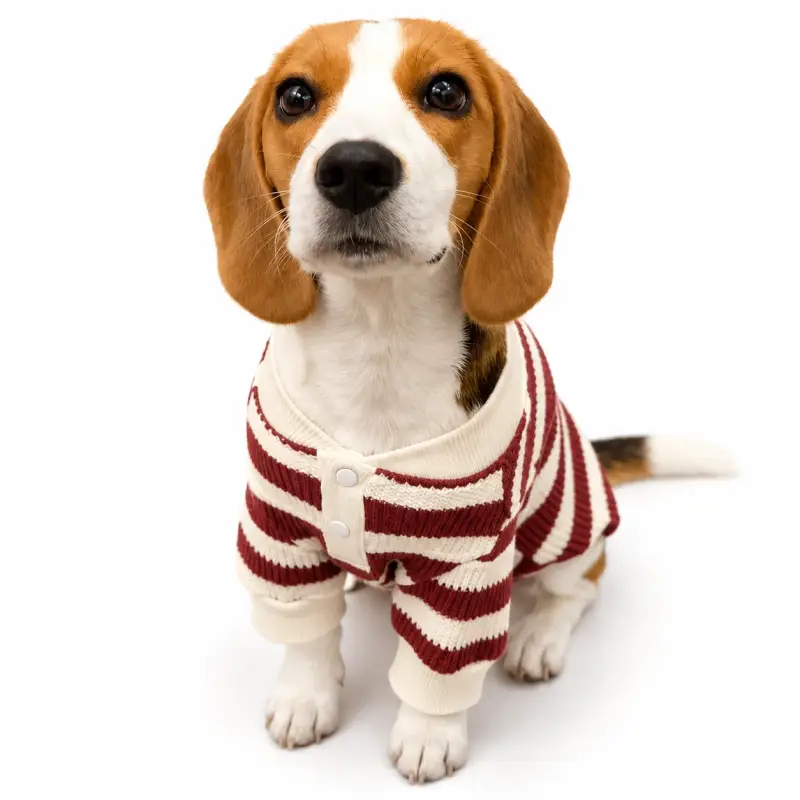
Collared striped dog shirt; compare neck and chest fit, collar, sleeves, stripe alignment, fabric construction and closures.
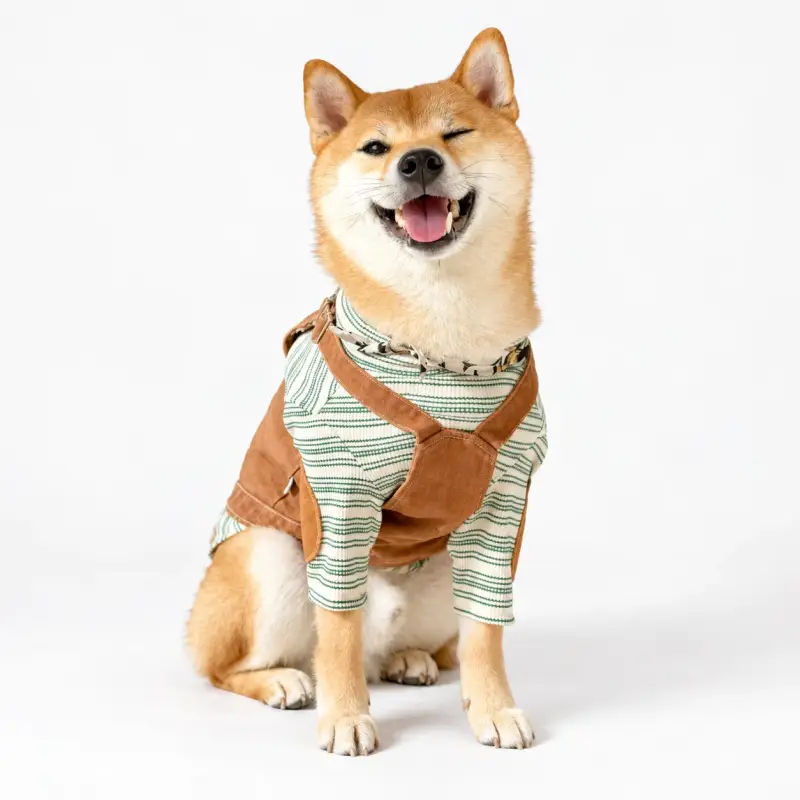
Bib-front everyday dog outfit; compare chest and back fit, openings, bib construction, fabric stretch and movement.
These 12 references show part of the PETMERO dog shirts and everyday apparel range. Send a Ref. ID, image or product link if you need another sleeve, collar, fabric, print or size direction.
Compare neckline, sleeve or sleeveless cut, chest allowance, fastening and sizing before selecting dog shirts and everyday apparel.
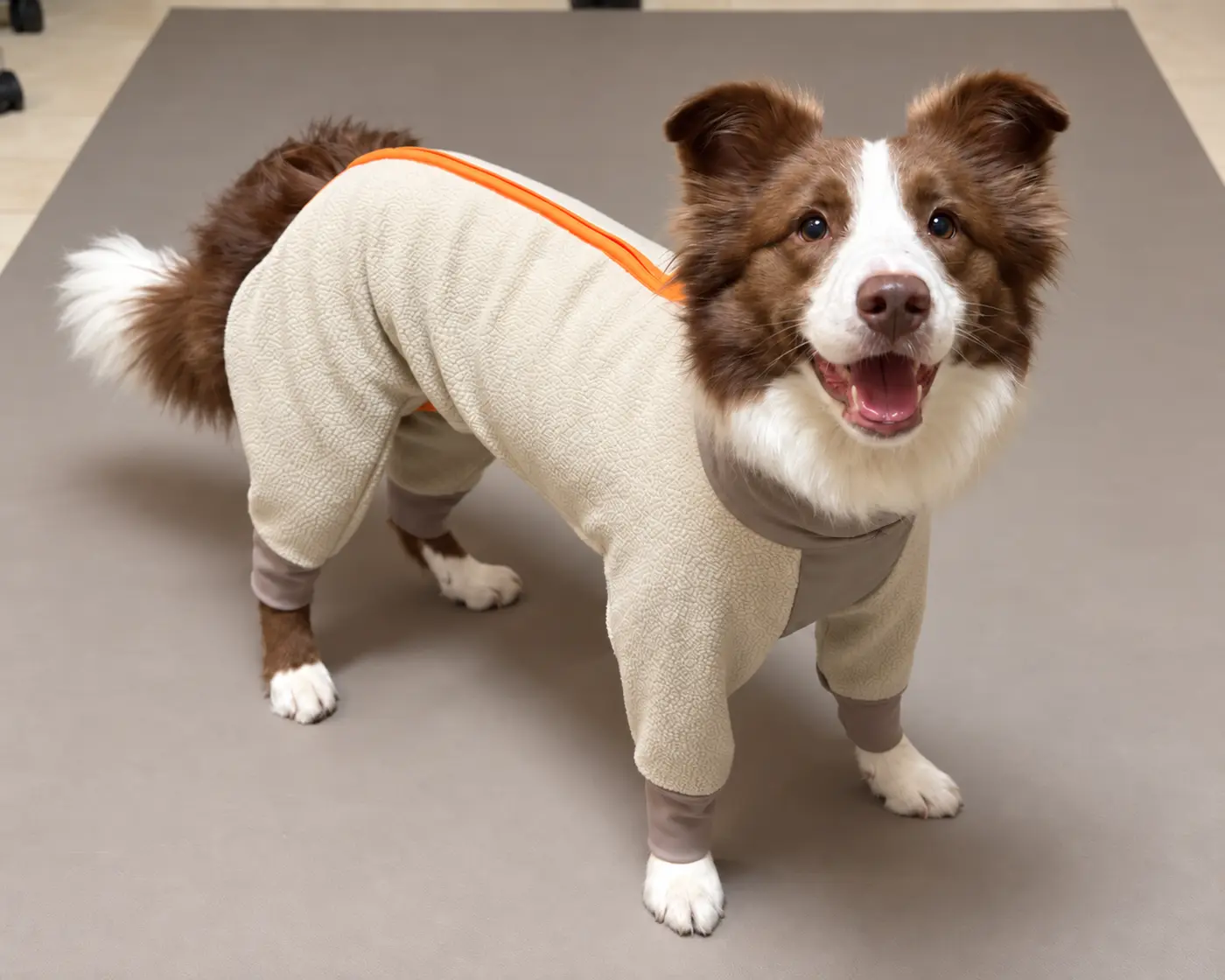
Back length, chest and arm openings give a clear comparison of the pattern.
Coverage differs from a sleeved shirt, even when the size label is the same.
Show artwork placement on multiple sizes, not only on a flat large garment.
Dog shirts, T-shirt-style tops, sleeveless pieces and collared everyday clothing can look simple, but fit changes with chest shape, armholes, sleeves, fabric stretch and the belly cut. Start with the intended dog measurements and garment construction, then choose seasonal weight, colour, print and branding.
Sleeveless, short-sleeve, long-sleeve and collared styles should be measured and graded as their own patterns rather than sharing one generic clothing chart.
Less sleeve coverage can simplify dressing and suit lightweight everyday ranges.
Chest and neck fit, armhole position, back and belly length, fabric stretch, binding and finished garment measurements.
Sleeves add another fit point while keeping a familiar everyday dog-clothing silhouette.
Chest, shoulder movement, sleeve opening and length, armhole shape, belly cut, hem recovery, fabric weight and stretch.
More leg coverage makes sleeve length, cuff opening and movement more important.
Chest and back fit, sleeve angle and length, cuff recovery, shoulder movement, underside clearance and fabric stretch.
A collar, polo-style neckline or front opening adds structure, seams and closure details.
Neck shape, collar size, chest fit, closure backing, fur clearance, fabric stability, decoration and ease of dressing.
Use measurable dog dimensions and finished garment measurements rather than choosing everyday dog clothes by breed or weight alone.
Compare composition, fabric weight, stretch and construction before describing a shirt as breathable, cooling or protective.
Print scale, sleeve and armhole proportions can change across sizes, so review representative small and large garments before bulk production.
Dog clothing sizes are not universal. Chest girth, neck girth and back length are the starting body measurements; finished garment dimensions, stretch and pattern shape determine how each shirt actually fits.
Measure the widest part of the rib cage and compare it with the finished garment chest and usable stretch. Do not convert dog weight or breed name directly into a shirt size.
Record neck girth and the finished neckline. Crew necks, stretch bindings, polo collars and front openings can require different dressing clearance and pattern dimensions.
Measure from the base of the neck to the base of the tail, then specify the garment back and shorter underside separately. Keep the belly area clear enough for normal movement and toileting.
Check armhole placement, sleeve angle, sleeve length and cuff opening while the dog stands and walks. A flat product photo cannot show whether fabric pulls across the chest or shoulders.
Lightweight jersey, knit or woven shirts can suit warm-weather or indoor ranges, but breathability, cooling and UV performance should only be claimed when the actual textile and finished garment support them.
Approve how chest, neck, back length, armholes and sleeves change through the size run. Keep every style, colour and size combination identifiable for ordering and repeat production.
Where composition is verified, cotton or cotton-blend jersey can provide a soft everyday hand feel. Compare fabric weight, stretch, recovery, opacity, shrinkage and print compatibility rather than using cotton content alone as a quality claim.
Lightweight polyester or blended knits can support printed and everyday shirt ranges. Confirm composition, fabric weight, stretch direction, hand feel, colour performance and care on the selected sample.
Woven fabrics can create a more structured dog shirt or collared look, but limited stretch makes chest fit, openings and dressing method especially important. Check seam allowance, opacity, softness and shrinkage behaviour.
Neck rib, armhole binding, collars and cuffs affect fit and recovery. Confirm composition, width, stretch, seam bulk and how these trims behave after the agreed care method.
Screen print, heat transfer, digital print, embroidery, patches or other decoration interact with fabric stretch and weight. Check placement, backing, stiffness, colour and inside finish on the actual garment.
Start with an existing reference, sample or size chart. Then adjust material, sleeve or collar details, colour and branding without treating pattern changes as simple decoration. See the customization workflow for the sample-and-revision approach.
Discuss lightweight jersey, knit or woven directions by verified composition, fabric weight, stretch and intended use. Approve the actual material before using breathable, cooling or protective performance language.
Develop sleeveless, short-sleeve, long-sleeve, crew-neck, collared or front-opening versions where the selected pattern supports them. Recheck fit when the construction changes.
Plan stripes, all-over prints, placement prints or colour blocking around seams and the full size run. Check artwork scale and placement on representative small and large sizes.
Coordinate woven labels, size and care labels, embroidery, patches, hang tags and individual packaging. Keep decoration away from high-stretch openings and review the skin-side finish.
For dog shirts and everyday pet apparel, define neck, chest and body measurements, fabric and print position. Sample and order terms depend on the selected pattern.
For dog shirts, share the intended neckline, sleeve or sleeveless cut, measurement chart and fabric reference. Printing, labels, package format, target quantity and destination can then be agreed for the selected model.
For dog shirts and everyday apparel, define body-size chart, fabric, pattern, printing position, quantities by size and retail packing before reviewing sample, production and shipping terms.
Review verified composition, weight, stretch, colour, opacity and hand feel before approving the garment sample.
Review chest, neck, back length, armholes, sleeves, belly clearance, collar or front opening on the actual dog-shirt pattern.
Check print, embroidery, labels, seams, dimensional change and shape recovery after the agreed care method.
Approve finished garment measurements, size chart, colour-size split and identifiers before bulk production.
Use chest girth, neck girth and back length as the core body measurements. Then compare them with the finished garment measurements, stretch and pattern because size labels are not standardized across dog clothing.
No. Breed and weight can help describe a target range, but dogs with similar weight can have different chest, neck, back and leg proportions. Build the size chart from measurable dimensions and the approved pattern.
Check chest and neck fit, armhole position, back and belly length, binding and fabric stretch. Larger armholes are not automatically better if they make the garment rotate or expose too much of the chest.
Sleeves add fit points at the shoulder, upper leg and cuff. Review sleeve angle, length, opening and movement together with chest fit so the shirt does not pull when the dog walks.
No. Those are product-specific performance claims. A lightweight appearance or fabric weight alone does not prove airflow, cooling performance or UV protection; use the actual textile and finished-product evidence.
Not automatically. Cotton, cotton blends, polyester knits and lightweight woven fabrics can suit different constructions. Compare composition, weight, stretch, opacity, care, print compatibility and intended use.
Yes, where the selected fabric and placement support the decoration. Check print or embroidery scale, backing, stiffness, stretch and inside finish on representative sizes before bulk production.
Sometimes, but check representative small and large sizes first. Fixed artwork can look oversized on small garments or undersized on larger ones, and seams or armholes can change the usable print area.
Agree a care method for the selected fabric, then compare dimensions, shape, colour, seams and decoration before and after care. Final care instructions should follow the approved garment construction.
A Ref. ID, image, product link or question is enough to begin. Estimated quantity and destination can follow when you need a specific quotation. Add your target size range, preferred fabric, sleeve or collar style, colours, artwork, branding or packaging details whenever available.