Ref. R10-01
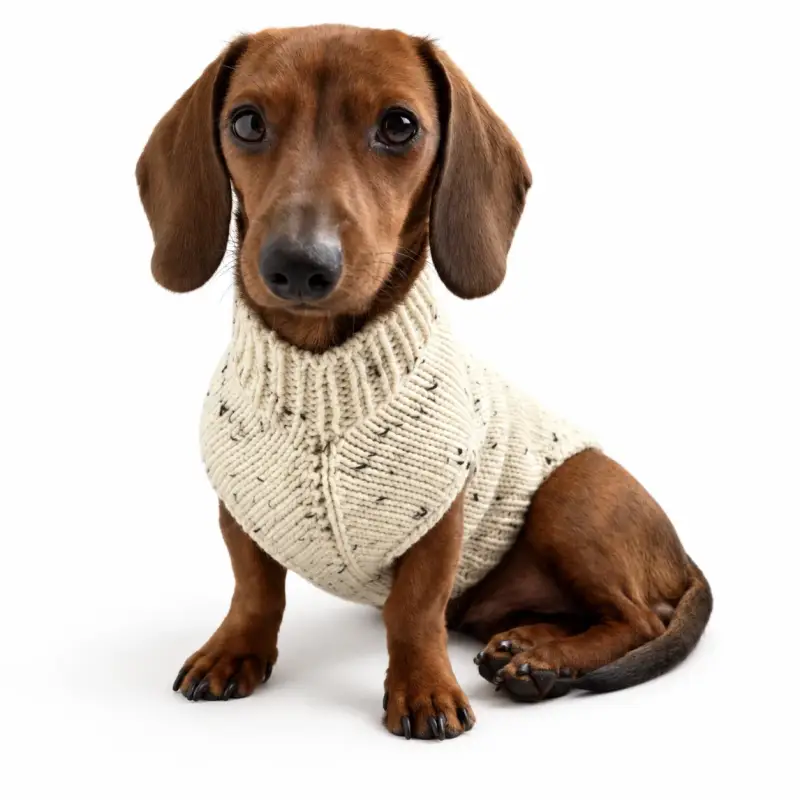
Cream cable-knit dog sweater vest
Sleeveless cable-knit dog sweater; compare chest and neck fit, armholes, back length, yarn, ribbing and stretch.
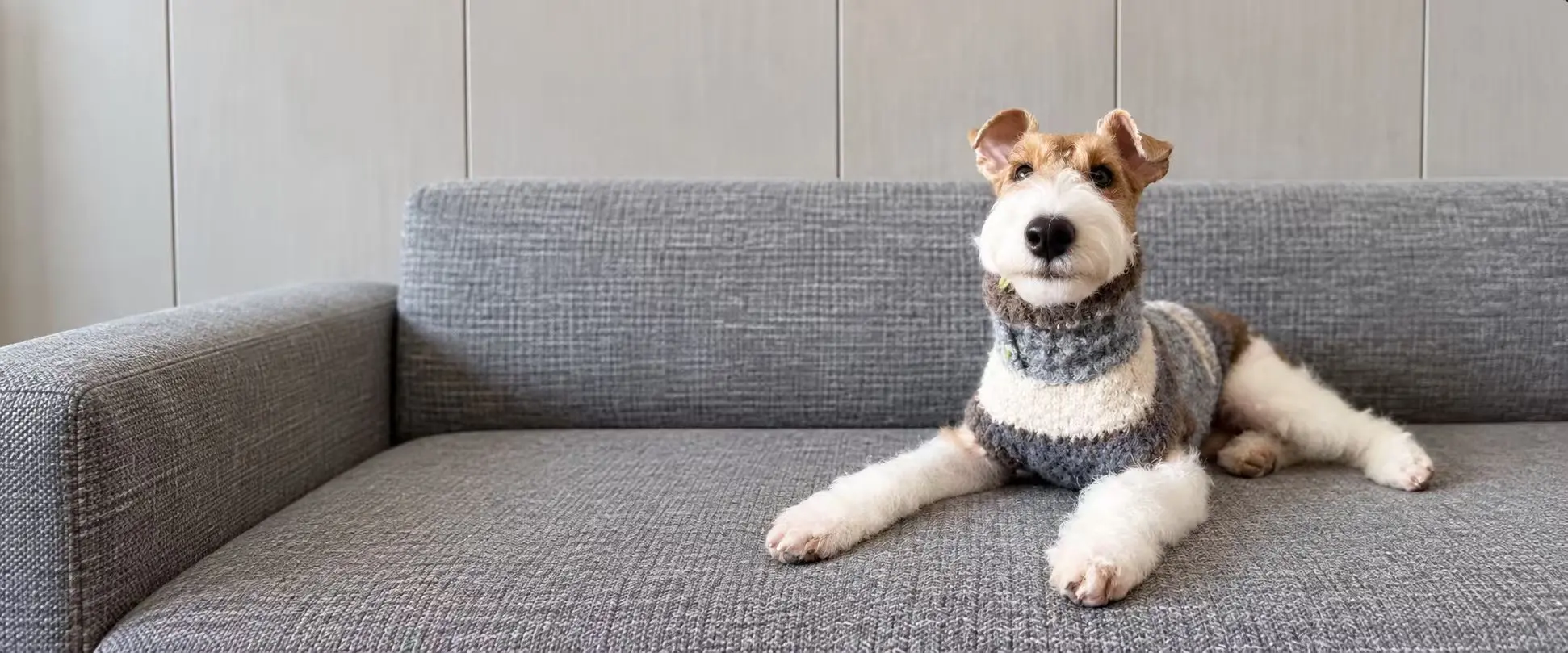
Source dog sweaters, also called dog jumpers, and dog hoodies for wholesale and private-label ranges. Compare knit, sweatshirt and fleece constructions, fit, size grading, branding and packaging.
Find the right garment type before choosing a reference. R10-01, R10-02, R10-07, R10-10 and R10-11 show knitted dog sweaters or cardigans; R10-03, R10-04, R10-08 and R10-12 show hoodies or sweatshirts. The gallery also includes a printed sleeveless top (R10-05) and a striped full-body outfit (R10-06) as related clothing styles. Compare the actual fabric, dog fit, sleeves, openings and closures for your chosen design. For T-shirts and other everyday tops, see Dog Shirts & Everyday Apparel.
Sleeveless cable-knit dog sweater; compare chest and neck fit, armholes, back length, yarn, ribbing and stretch.
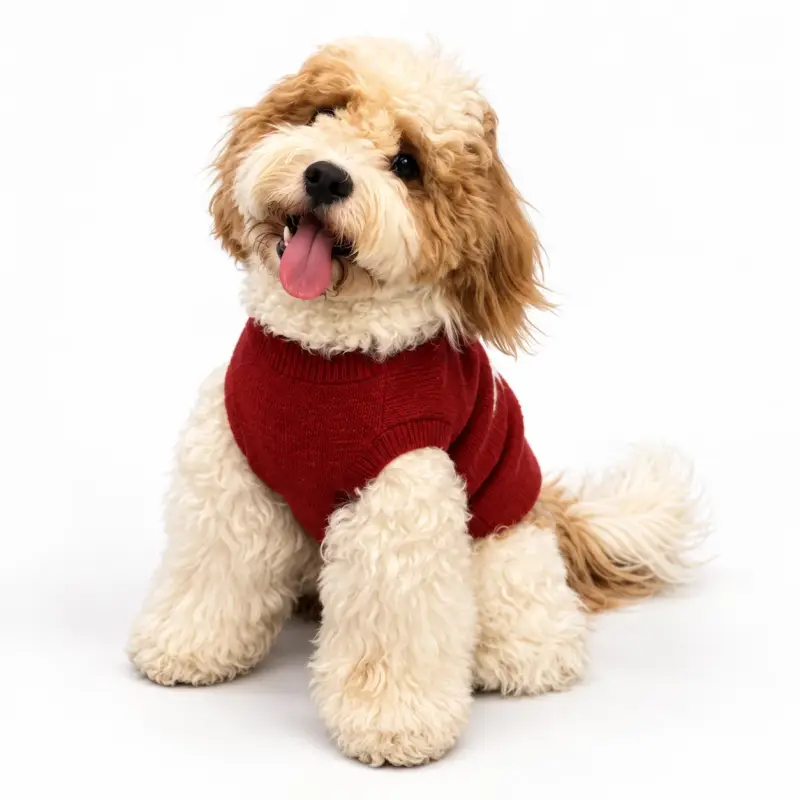
Pullover dog sweater; compare neckline, chest, back and belly length, fabric or knit stretch and finished measurements.
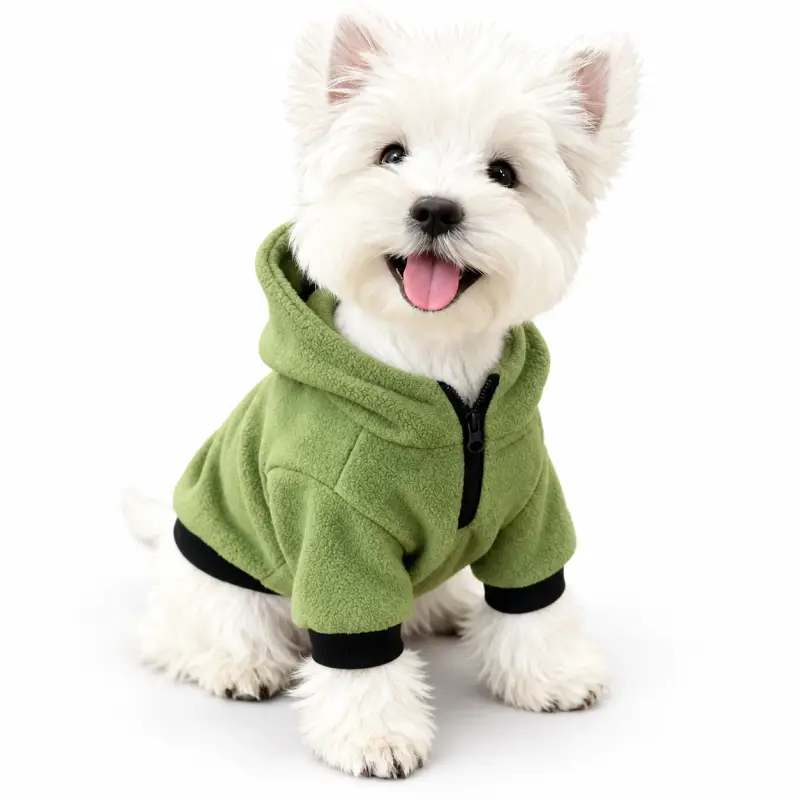
Front-zip dog hoodie; compare chest fit, zipper backing, fur clearance, hood, sleeves, cuffs and fabric weight.
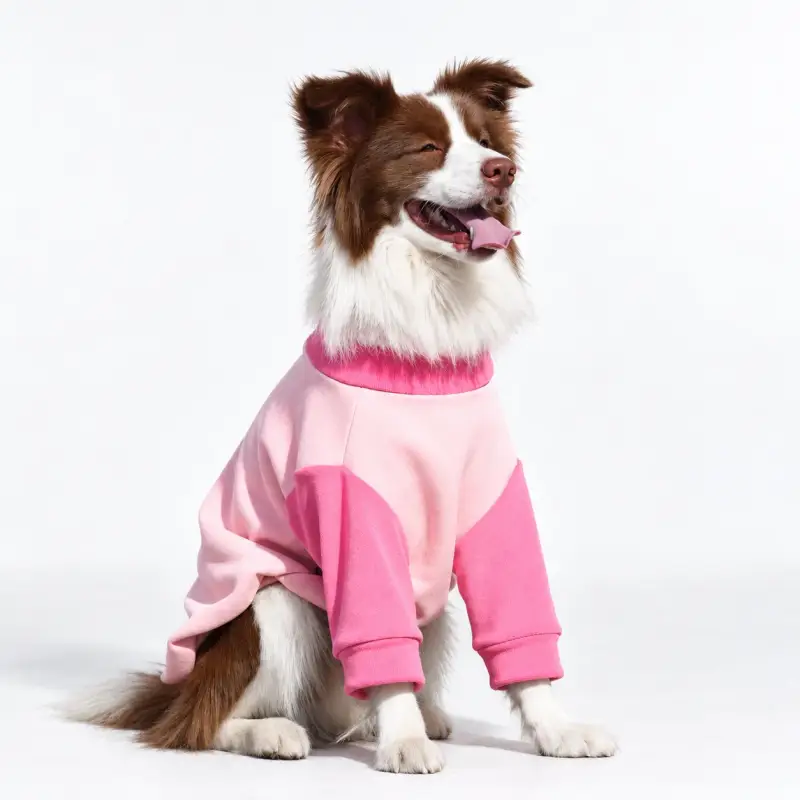
Colour-block dog sweatshirt; compare chest fit, sleeves, cuffs, hem recovery, fabric weight, stretch and panel seams.
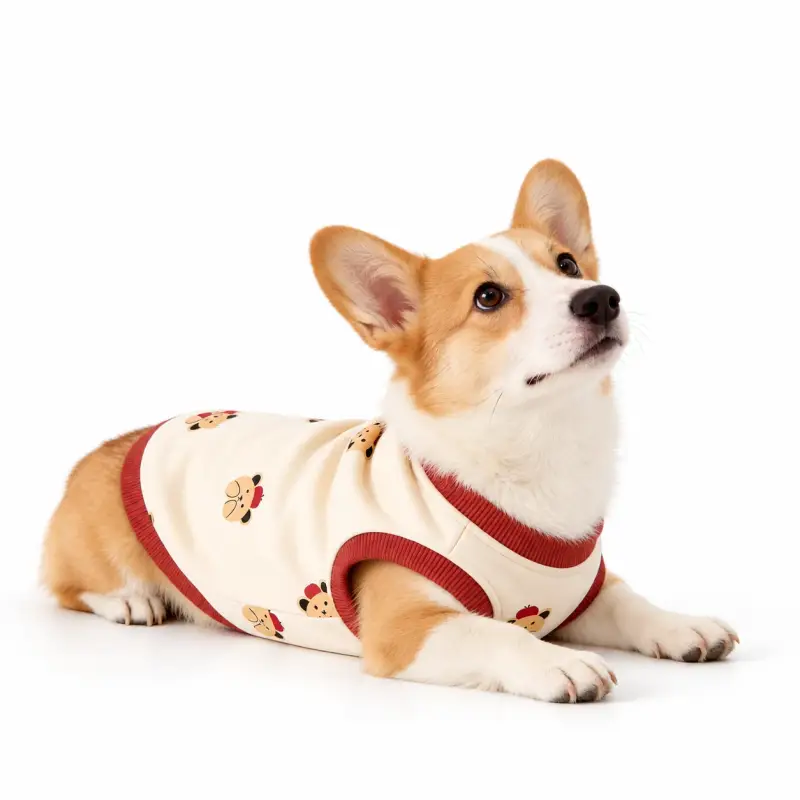
Sleeveless dog apparel reference; compare chest, neck and back fit, armholes, fabric weight, print and seasonal role.
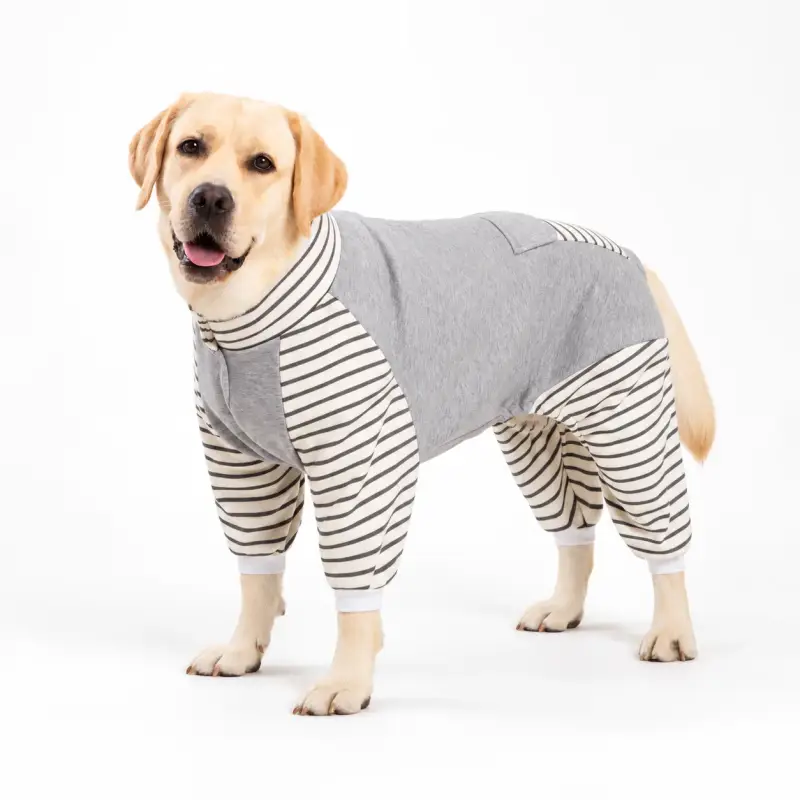
Full-body dog apparel reference; compare chest and back fit, leg length, openings, stretch, underside clearance and care.
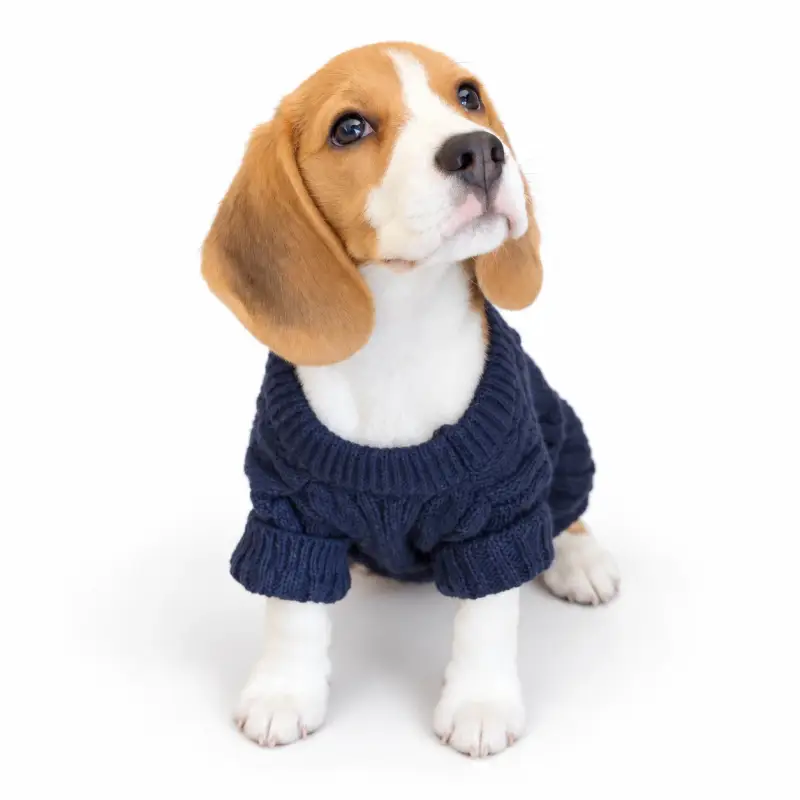
Cable-knit dog sweater; compare chest, neck, back length, knit gauge, yarn, ribbing, stretch and shape recovery.
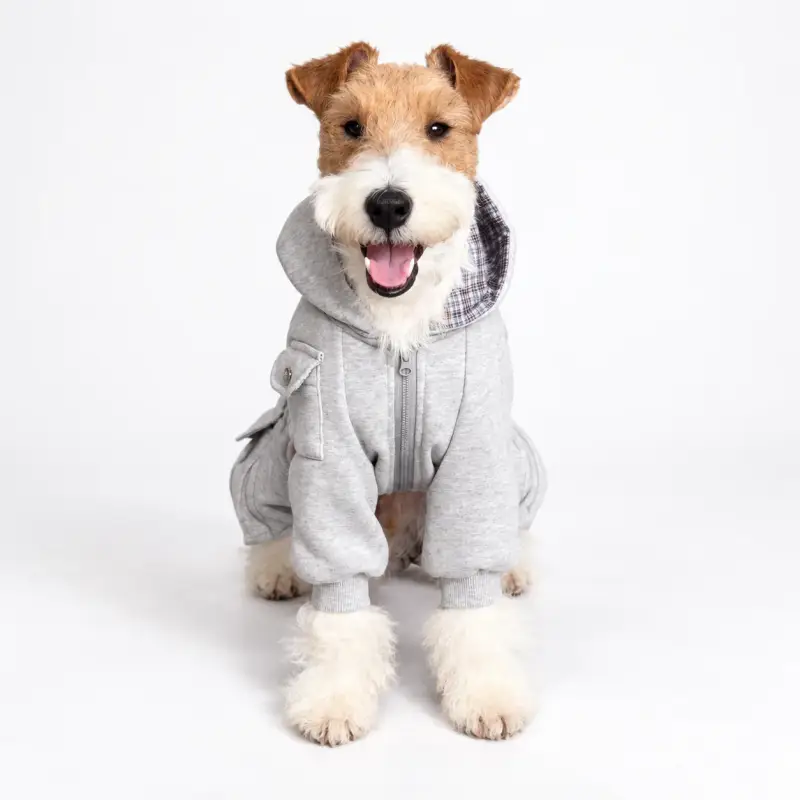
Zip-front dog hoodie; compare sizing, zipper and fur clearance, hood, sleeves, cuffs, belly cut and sweatshirt fabric.
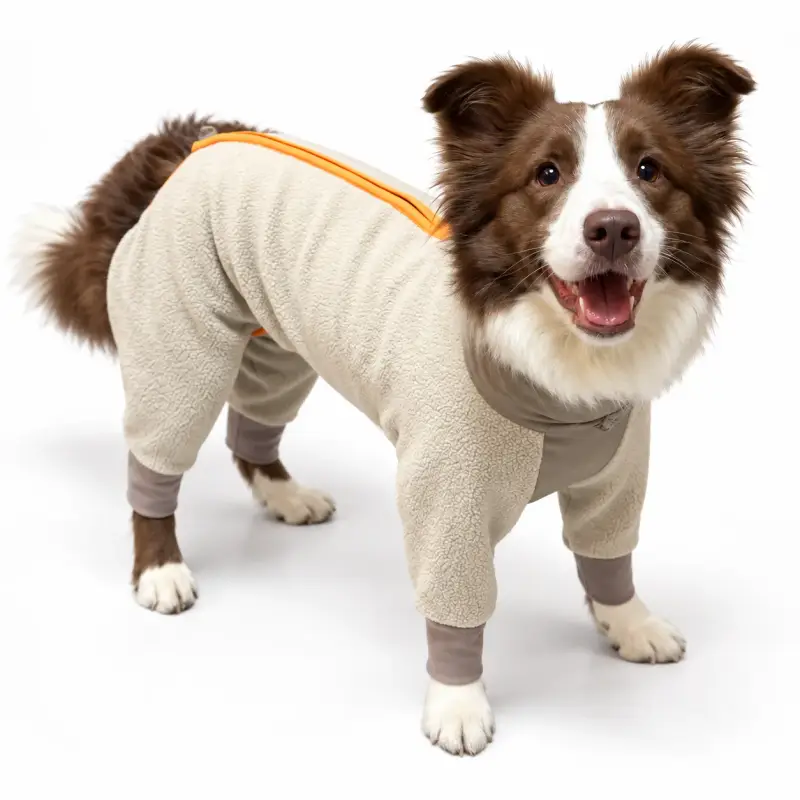
Trimmed dog apparel reference; compare dog fit, openings, trim recovery, fabric construction, coverage and care.
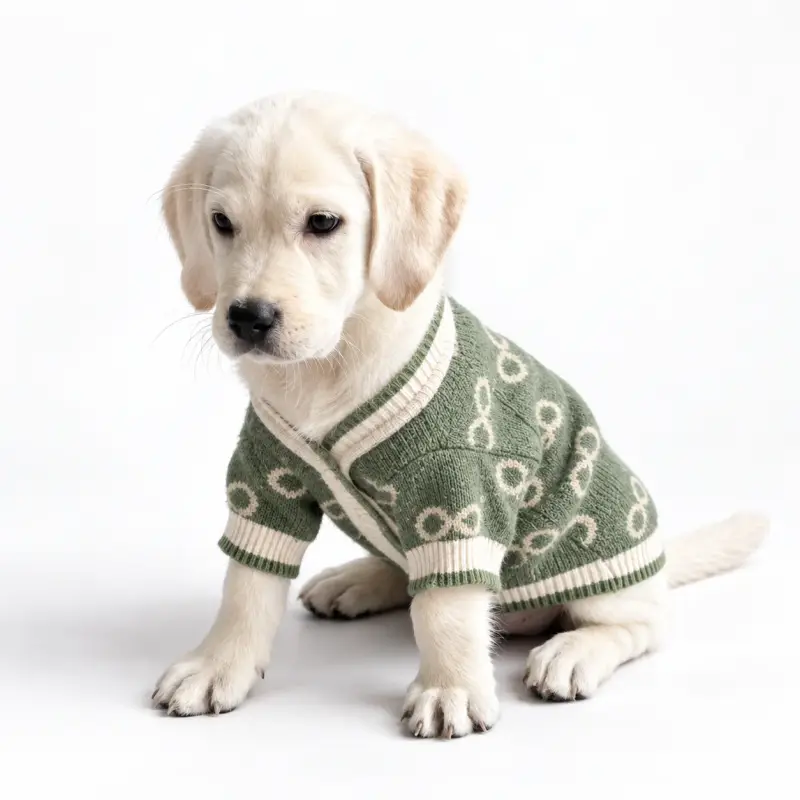
Opening-front dog cardigan; compare chest fit, front closure, knit structure, pattern scale, neckline, back length and care.
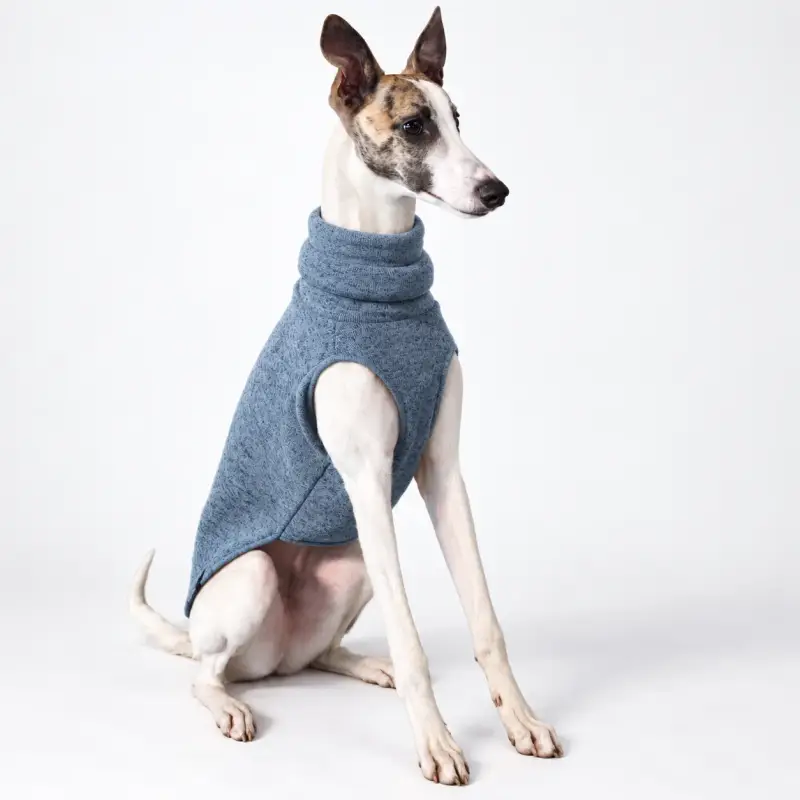
Sleeveless turtleneck dog sweater; compare neck stretch, chest, back length, armholes, knit recovery and yarn composition.
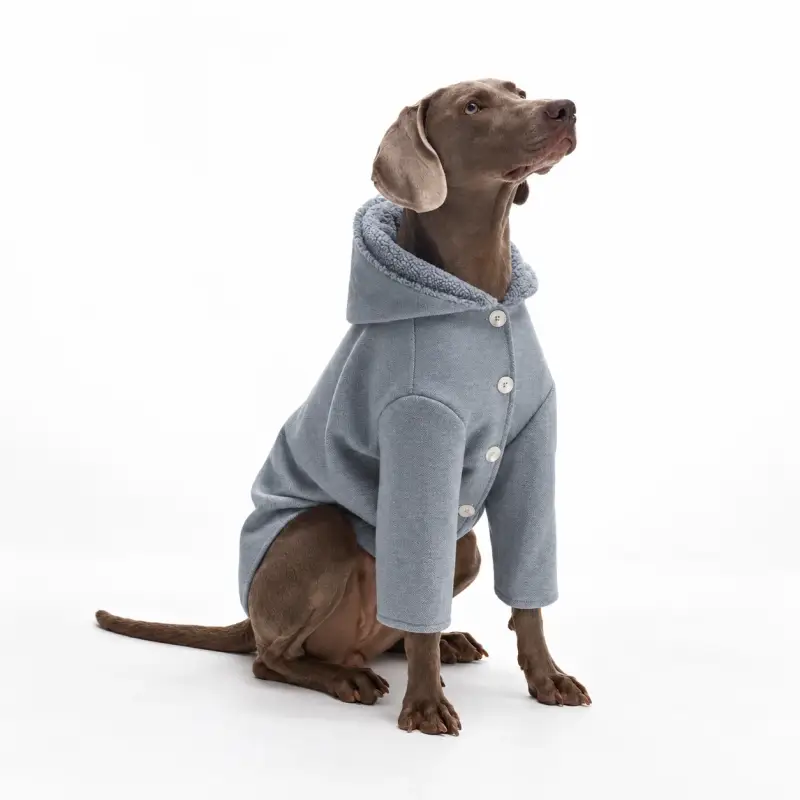
Button-front dog hoodie; compare chest fit, button placement, hood, sleeves, fabric weight, backing and movement.
These 12 references show part of the PETMERO dog sweater and hoodie range. Send a Ref. ID, image or product link if you need another knit, sweatshirt, closure, sleeve or size direction.
Compare knit structure, stretch, neck and chest fit, size grading and care requirements when selecting dog sweaters and hoodies.
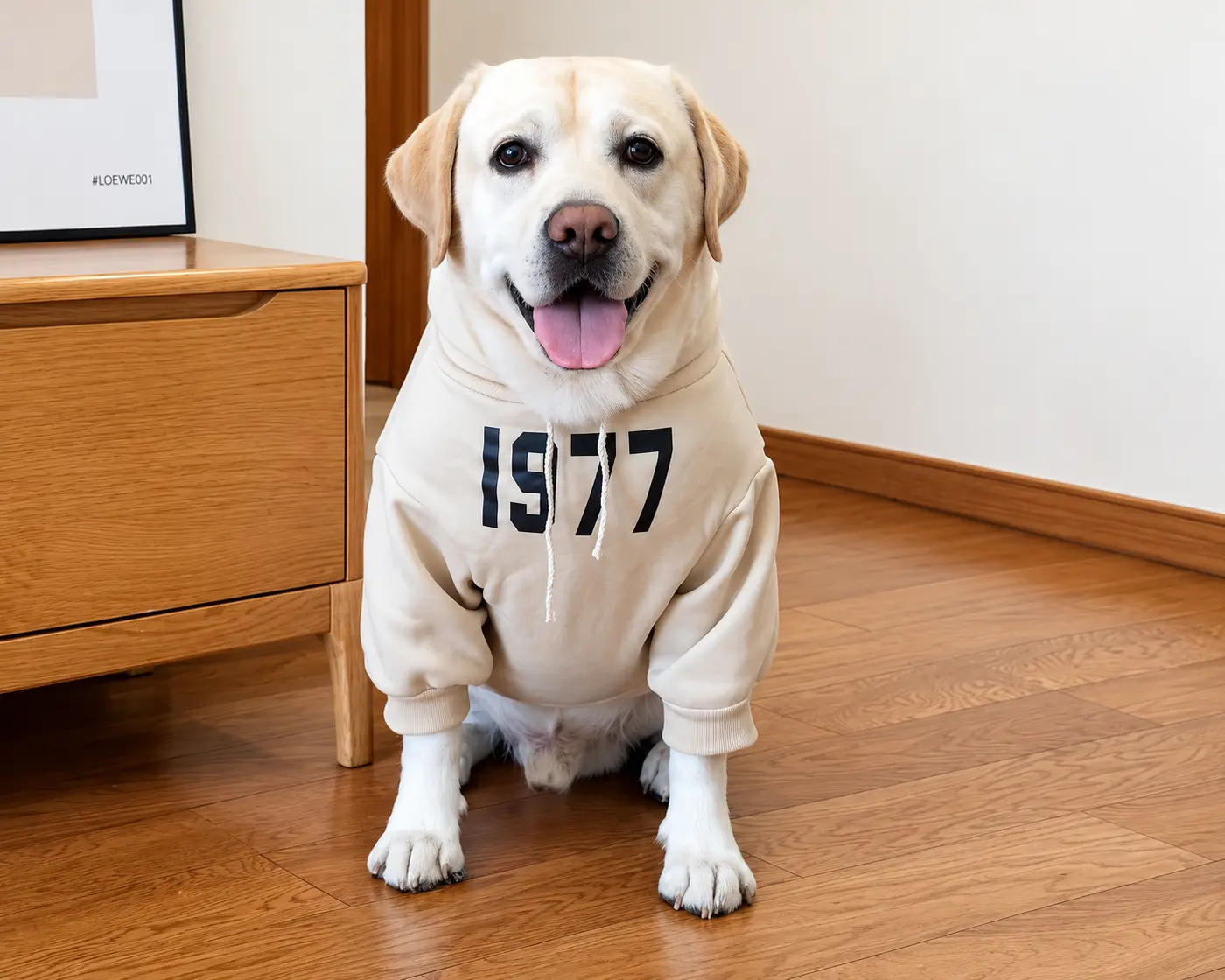
Stretch, opening shape and the actual garment measurements determine the size range.
A hood and panels add fit details that should be shown from several angles.
Compare the same pattern across colors while keeping each size clearly labelled.
Dog sweaters and hoodies can share a similar silhouette while fitting very differently. Start with the intended dog measurements and garment construction, then compare warmth level, stretch, closures, sleeves, hood details and branding on the approved sample.
Use the garment type to set the fit and material questions first. A cable-knit sweater, sleeveless vest, pullover hoodie and zip-front hoodie should not inherit one size chart without checking the finished pattern.
Yarn, stitch structure and ribbing create the stretch, texture and shape recovery.
Chest, neck and back length; yarn composition; knit gauge; rib recovery; armhole size; snagging and care.
Less leg coverage can simplify dressing while keeping a knitted body layer.
Chest fit, neck opening, armhole position, back and belly coverage, yarn stretch and finished garment measurements.
A cut-and-sew body uses jersey, French terry, fleece or another verified sweatshirt fabric rather than knitted sweater construction.
Fabric weight, stretch direction, hood position, sleeve or cuff fit, belly cut, hem recovery and ease of dressing.
A front opening changes dressing, fit adjustment and branding placement.
Closure length and backing, fur clearance, chest fit, hood weight, seam bulk and whether hardware sits comfortably against the body.
Use measurable dog dimensions and finished garment measurements instead of assuming a breed or weight equals one clothing size.
Position the range from the actual yarn or fabric weight, inner finish and construction rather than a generic warmth claim.
Check armholes, sleeves, belly coverage, hood and closures across representative sizes before approving the full assortment.
Dog clothing sizes are not universal. Use body measurements to define the target range, then approve finished garment measurements, stretch and fit on the actual sweater or hoodie pattern.
Measure around the widest part of the rib cage and compare it with the finished garment chest and usable stretch. Do not convert dog weight or breed name directly into a clothing size.
Record neck girth plus the finished neckline or opening. Pullovers need enough controlled stretch for dressing; zip or button styles need comfortable closure placement and backing.
Measure from the base of the neck to the base of the tail, then specify the garment back and shorter underside separately. Keep the belly area clear enough for normal movement and toileting.
Check armhole position, sleeve length, cuff opening and fabric pull while the dog stands and walks. Broad chests, long bodies and short legs can expose fit issues that one overall size label does not show.
Check the hood both up and down, including its weight, opening and position around the ears and eyes. Keep drawcords and decorative parts controlled so the design does not create unnecessary snag or chewing points.
Approve how chest, neck, back length, sleeve and belly dimensions change through the size run. Keep each size, colour and style combination identifiable for ordering and repeat production.
Use the actual fibre composition and yarn specification rather than calling every dog sweater wool. Compare knit gauge, stitch density, stretch, recovery, softness, pilling or snagging and dimensional change after the agreed care method.
These cut-and-sew fabrics can suit lighter or midweight dog hoodies. Confirm composition, fabric weight, stretch direction, loop or smooth inner face, rib compatibility and shrinkage on the selected sample.
A brushed or fleece inner surface can support a warmer seasonal direction, but it does not create a verified temperature rating. Compare weight, loft, hand feel, stretch, seam bulk and care before using warmth language.
Neck rib, cuffs and hems affect recovery and fit, while zips, buttons, patches and embroidery add stiffness or hardware. Check the inside surface, fur clearance, attachment and wash performance as part of the complete garment.
Start with an existing reference, sample or size chart. Then adjust the elements that matter to your range without treating structural fit changes as simple colour changes. The custom pet-product process helps distinguish styling updates from pattern changes.
Discuss knit yarn, sweatshirt fabric, fleece or another verified textile by composition, weight, stretch and intended season. Approve the actual material before using warmth or performance claims.
Develop yarn colours, stripes, jacquard or printed artwork around the garment size. Fine motifs and print placement should be checked on the smallest and largest sizes.
Place branding away from high-stretch openings and confirm backing, stiffness and skin-side finish. Woven labels, size labels, care labels and hang tags can be coordinated as a brand set.
Discuss pullover, zip-front or button-front construction, hood shape, sleeve length, cuff style and leash-opening details where the selected design supports them.
For dog sweaters and hoodies, choose the knit or fabric structure, stretch and size chart first. Discuss colors, trims and minimum quantities for the chosen garment.
For dog sweaters and hoodies, send a reference design and target dog-size range. Knit or fabric type, chest fit, back length, closures and branding determine the sample brief; estimated quantity, packaging and destination can be confirmed before a formal quote.
For dog sweaters and hoodies, identify knit or fabric construction, measurement chart, size/color split, trims, labels and packing. Quote sample work, lead time and freight for that garment range.
Review yarn or fabric composition, weight, stretch, colour and hand feel before approving the garment sample.
Review chest, neck, back length, armholes, sleeves, belly clearance, hood and closures on the actual pattern rather than the size label alone.
Check dimensional change, shape recovery, colour, seams, embroidery, patches and labels after the agreed care method.
Confirm the size chart, finished garment measurements, colour-size assortment and identifiers before bulk production.
A dog sweater usually refers to knitwear or another sweater-style pullover, while a dog hoodie is typically a cut-and-sew sweatshirt-style garment with a hood. The names can overlap in retail use, so confirm the actual fabric, pattern, closure and size chart for each design.
Use chest girth, neck girth and back length as the core body measurements. Then compare those measurements with the finished garment, stretch and pattern because clothing sizes are not standardized across styles.
Weight and breed can help describe the target customer, but they are not precise clothing measurements. Dogs of the same weight can have different chest, neck, back and leg proportions, so the size chart should be built from measurable dimensions.
Not automatically. Knitwear and cut-and-sew hoodies can have different stretch, armholes, sleeves, belly cuts and closures. Review the finished pattern and graded measurements before sharing one chart.
Not necessarily. Lightweight knit or jersey styles can suit transitional or indoor ranges, while heavier knit, fleece or brushed fabrics can be positioned for colder seasons. Use the actual material and construction rather than making a temperature claim from the product name.
No. Knit describes how the fabric or garment is constructed, not the fibre. Dog knitwear can use acrylic, cotton, wool or blended yarns depending on the approved specification.
A pullover has fewer closure parts but depends more on neckline and body stretch for dressing. A zip or button opening can make dressing different, but closure backing, fur clearance, hardware and chest fit need their own review.
Yes, where the selected fabric and placement support them. Check the smallest size, stretch areas, backing and inside finish so branding does not make the garment unnecessarily stiff or uncomfortable.
Agree a care method for the selected yarn or fabric, then compare dimensions, shape recovery, colour, seams and decoration before and after care. Care instructions should follow the approved construction rather than a generic apparel claim.
A Ref. ID, image, product link or question is enough to begin. Estimated quantity and destination can follow when you need a specific quotation. Add your target size range, preferred material, colours, branding or packaging details whenever they are available.