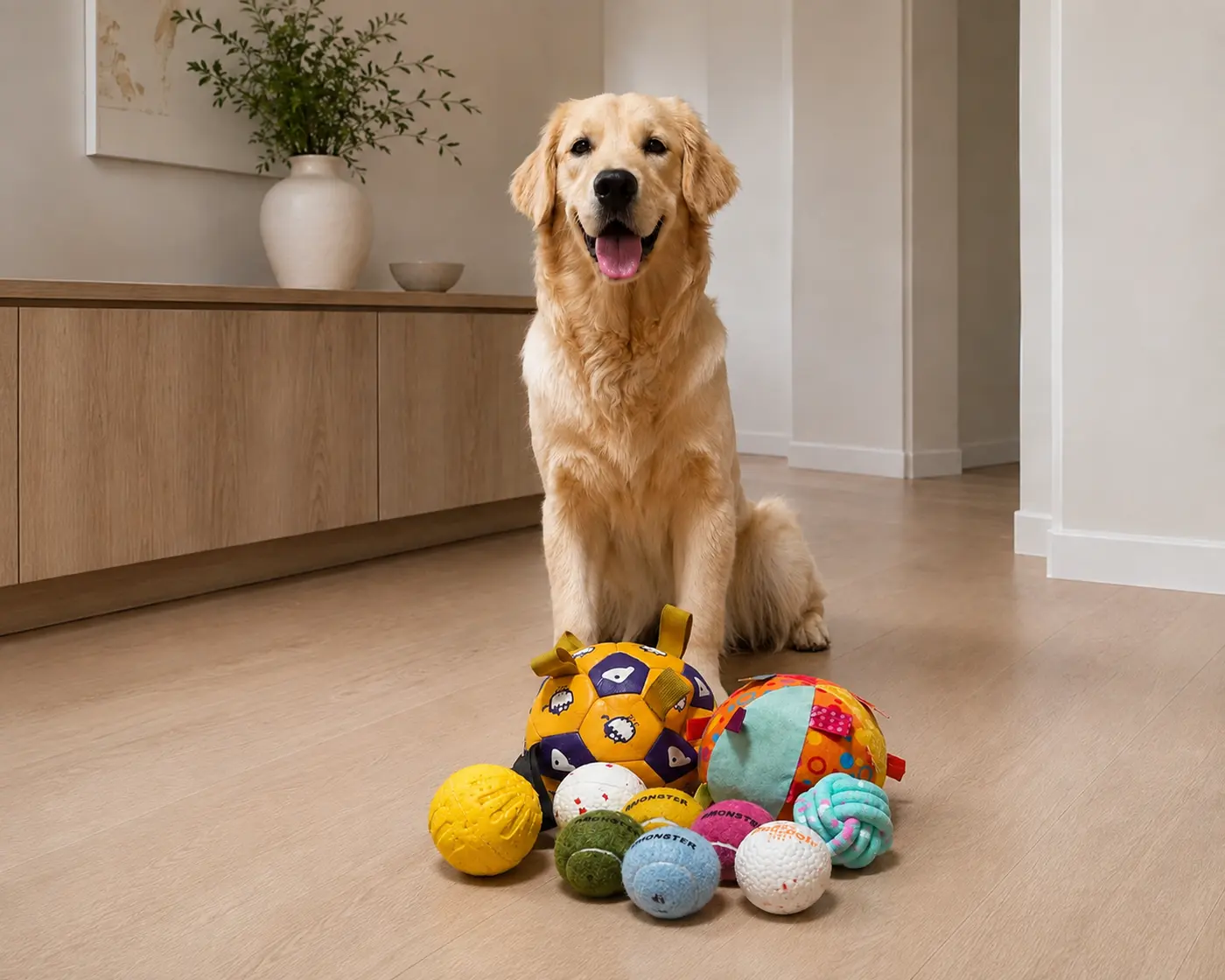
Separate body and garment measurements.
A pet's chest or back length is not the same as the finished garment laid flat. Record which measurement is being used, how it is taken and the units before comparing size charts.
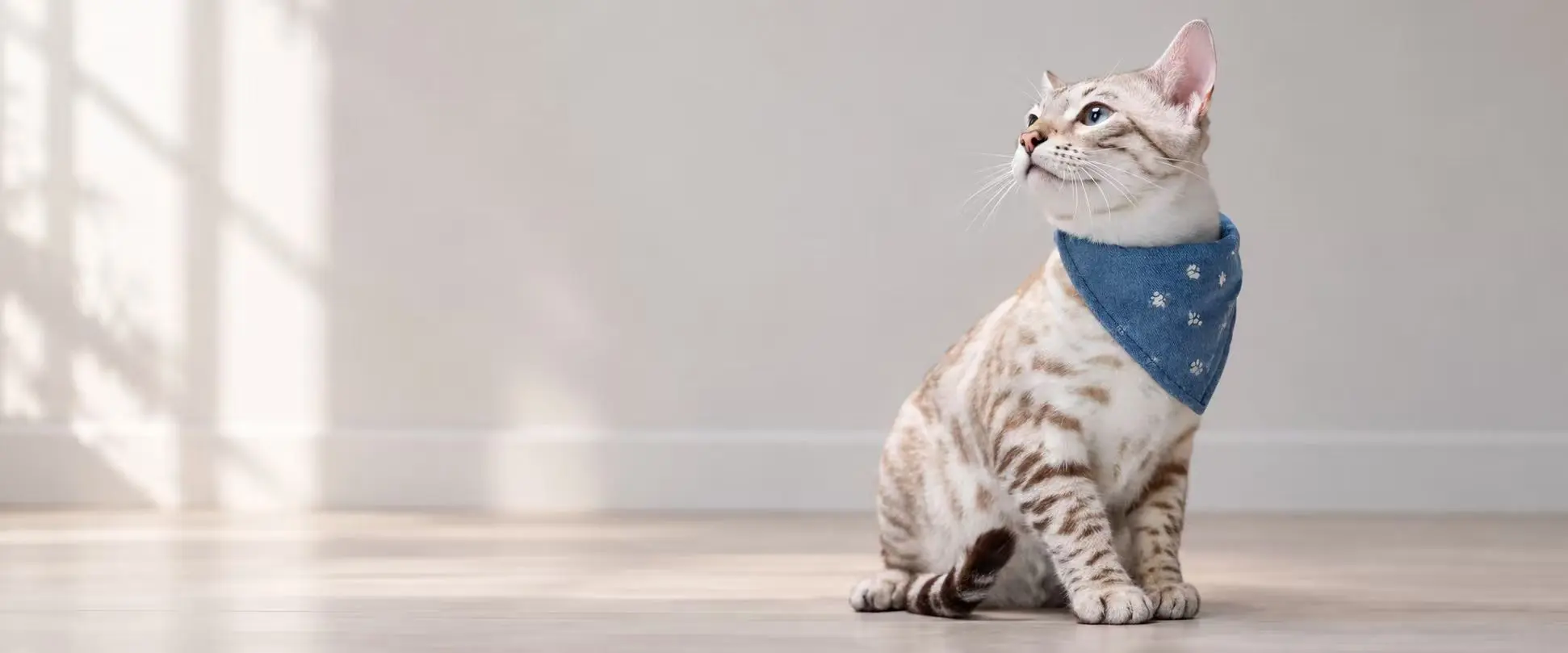
Explore dog sweaters, hoodies, shirts, coats, rainwear and pet bandanas for wholesale and custom collections. Compare fit, fabrics and branding options.
Choose a product type to explore the range, or send a reference or question to start a conversation. You can add quantity and other details later.
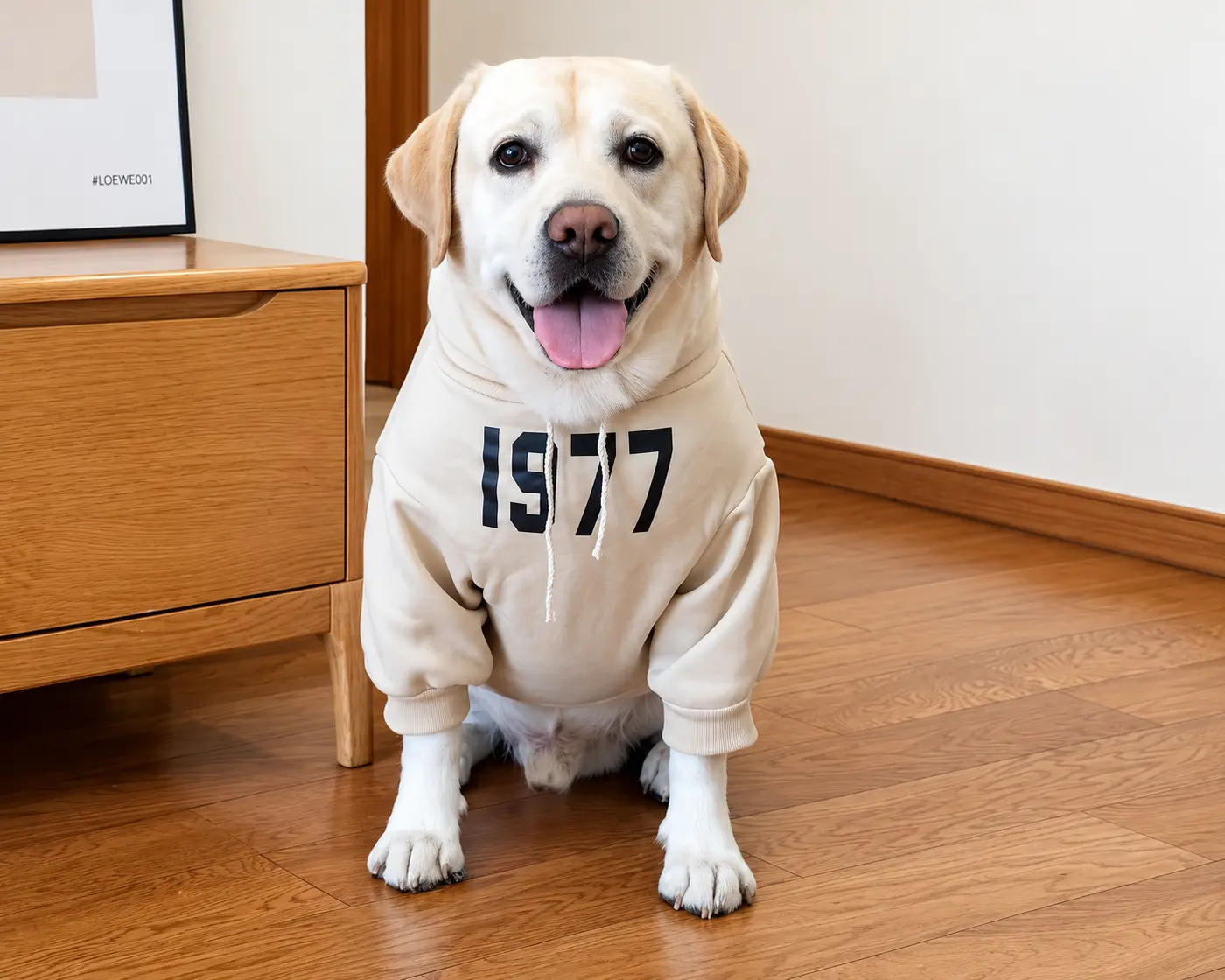
Source dog sweaters and hoodies with defined size ranges, knit or sweatshirt fabrics, and brand details. Explore styles for your wholesale clothing range.
View products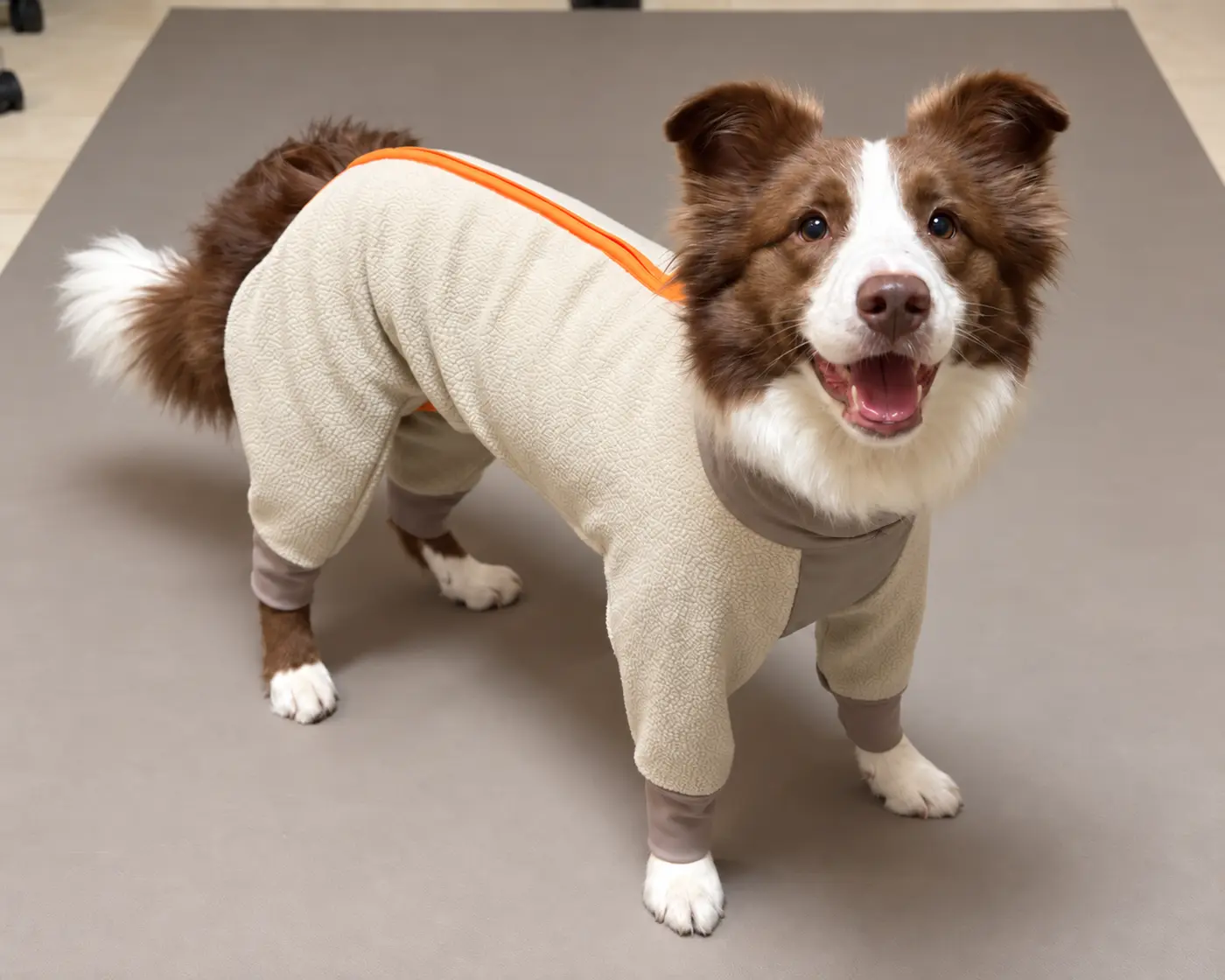
Source dog shirts and everyday dog clothes for wholesale and private-label ranges. Compare lightweight fabrics, dog fit, size grading, prints, branding and packaging.
View products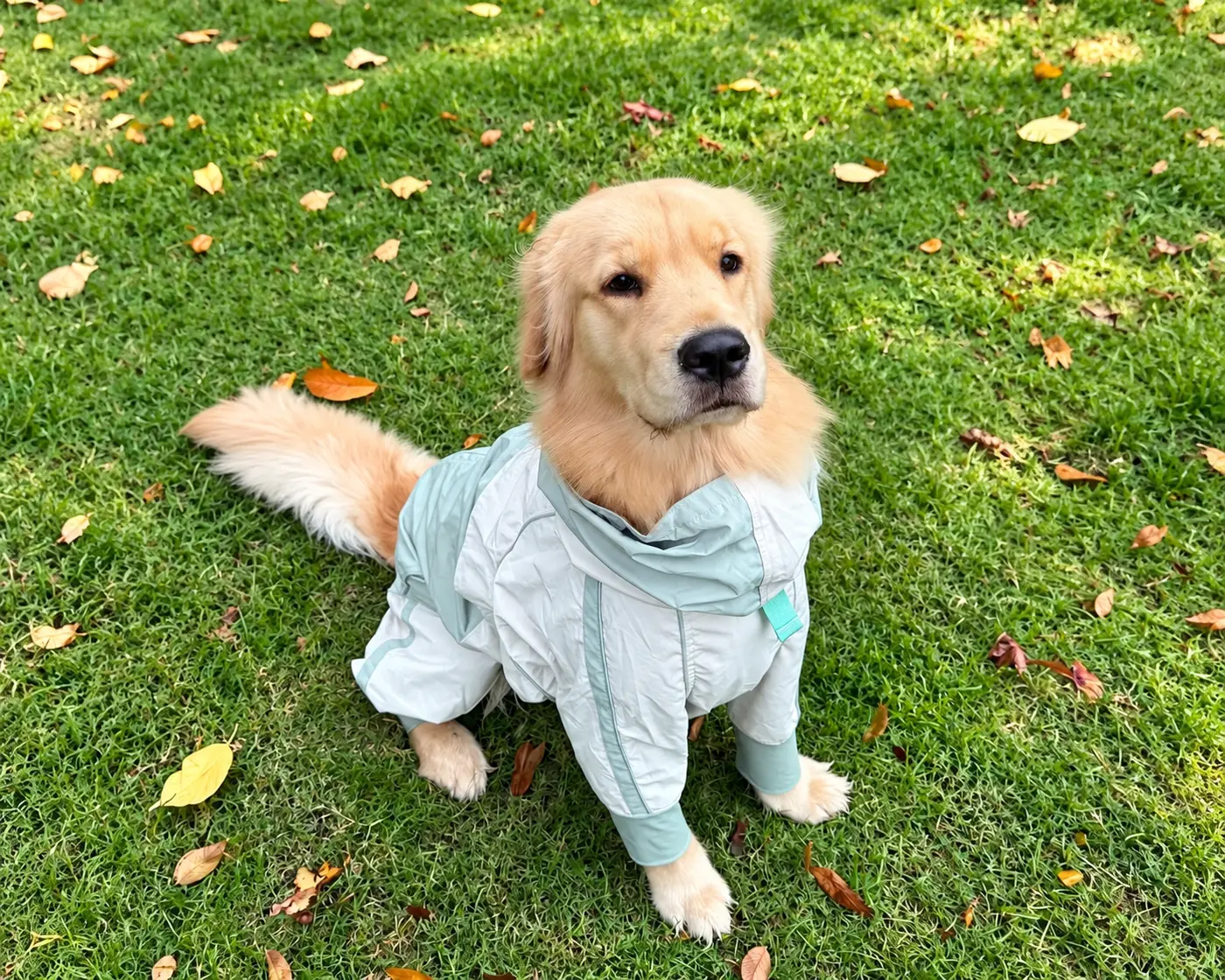
Source dog coats, jackets and rainwear for wholesale and private-label ranges. Compare weather use, coverage, dog fit, outer fabric, lining, closures and harness access before choosing branding.
View products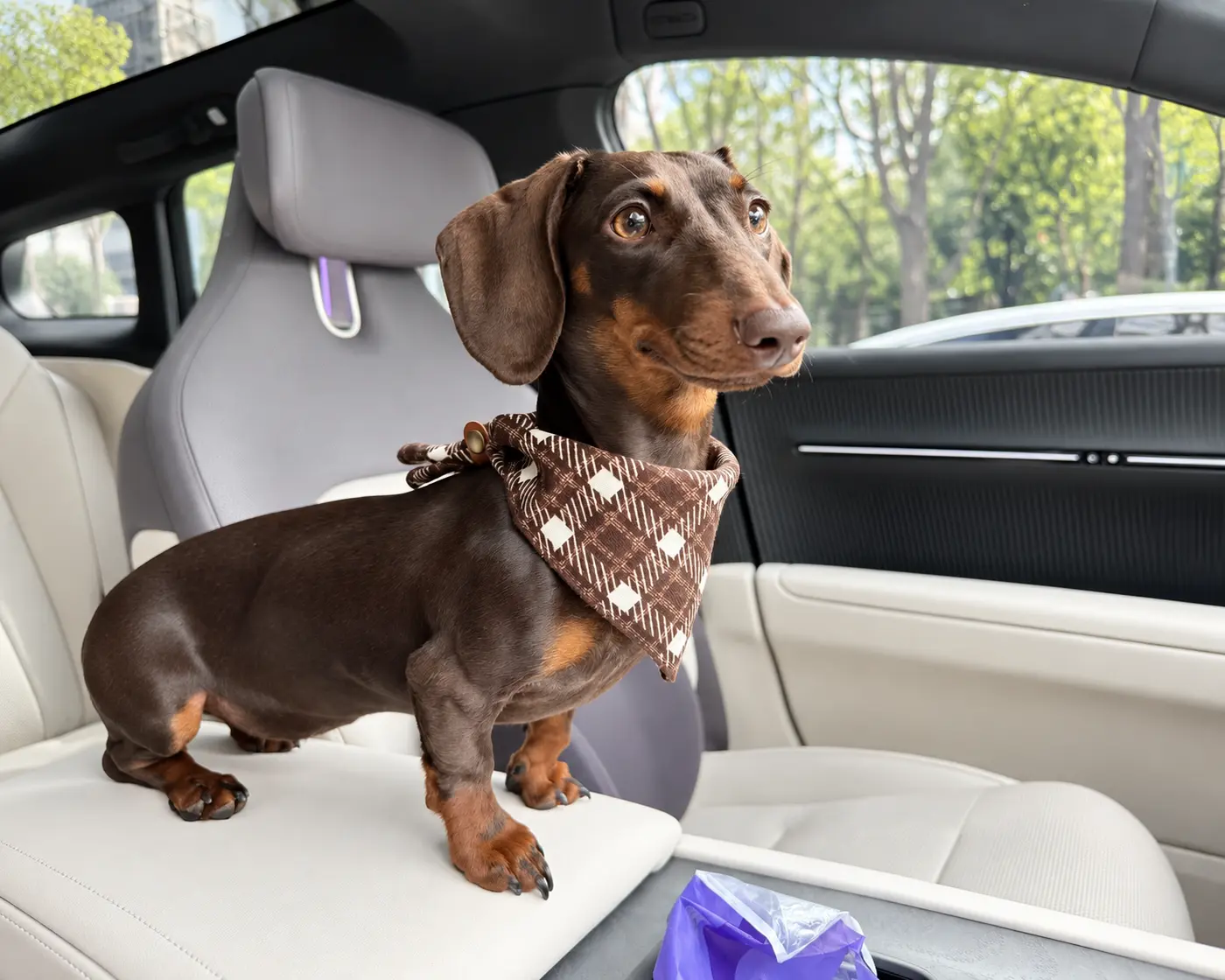
Explore neck-worn pet bandanas for dogs and cats, from classic triangular styles to snap-fastened, over-the-collar and fuller bib-shaped designs. Compare fit, artwork placement and retail presentation around the reference you choose.
View productsBuild the clothing range around the intended season, coverage and size mix. A knitted sweater, lightweight shirt and outerwear coat may use the same size names but need different patterns and fit allowances. Keep each style linked to its own size chart.
A pet's chest or back length is not the same as the finished garment laid flat. Record which measurement is being used, how it is taken and the units before comparing size charts.
S, M and L are labels, not universal dimensions. A sweater, lightweight shirt and structured coat can require different measurements even when the size names match.
Split the expected quantity by the versions you actually want to buy. Review more than the middle size where practical so openings, coverage and branding placement remain workable across the intended range.
Confirm the material or fiber information, care instructions, size identification, branding and pack contents that belong to the finished item. Do not infer a performance claim from appearance alone.
A collection is easier to quote, sample and repeat when the shared brand rules are separated from the fit and construction decisions that belong to each SKU.
Bandanas can coordinate with the clothing range without duplicating garment sizes. For an over-the-collar design, make clear whether the separate collar is supplied. Their neck sizing and wearing format should still be specified separately on the Pet Bandanas product page.
A base sample can look correct while grading, openings or artwork change at other sizes. Review the level that matters to the order before the final specification is locked.
Record the approved reference, finished measurements, openings, closures and intended coverage for the selected sample. Keep the method clear enough to repeat.
Review the sizes that matter to the order. Compare the relevant neck, chest, back length and openings, and check that branding or artwork still sits correctly.
Confirm size identification, labels, care information, decoration and exact pack contents against the approved version before the order specification is closed.
Weather resistance, warmth, cooling, protective performance or similar claims should be supported for the finished product and target market; they should not be assumed from a fabric name, reference image or visual similarity.
Start with a pet apparel reference, photo or question. Fit, collection details, quantity and destination can follow as we clarify your project.
List which of the four product categories belong in the project and attach the reference for each style you want reviewed.
Share the intended size range and any existing body or finished-garment chart. If a chart does not exist yet, identify the reference style first.
Give the estimated quantity by style, color and size where known. This is more useful than one total quantity for the entire apparel category.
Include logo, label, artwork or packaging requirements that are already decided, plus the delivery country and any required timing or launch deadline.
You do not need one technical specification for the whole collection. Start with the range you want to build, then confirm fit, construction, samples and commercial terms for each style.
These answers stay at category level. Exact fit, fabric, construction and product-specific requirements belong on the four product pages above.
Yes. Send the range together, but keep the reference, size plan, quantity split and requested changes clear for each style so the quotation can be compared item by item.
Only when the actual measurements and fit support it. Garment shape, stretch, coverage, openings and closures can change the space available, so approve the chart for the exact style being ordered.
Color direction, branding language, labels, packaging and SKU logic can be coordinated. Fit, garment measurements, construction, care information and supported claims should still be approved for each style.
Use only claims that are supported for the finished garment and intended market. The Dog Coats & Rainwear page should cover the detailed fit, coverage, fastening and any supported weather-resistance claim for that style.