Ref. R12-01
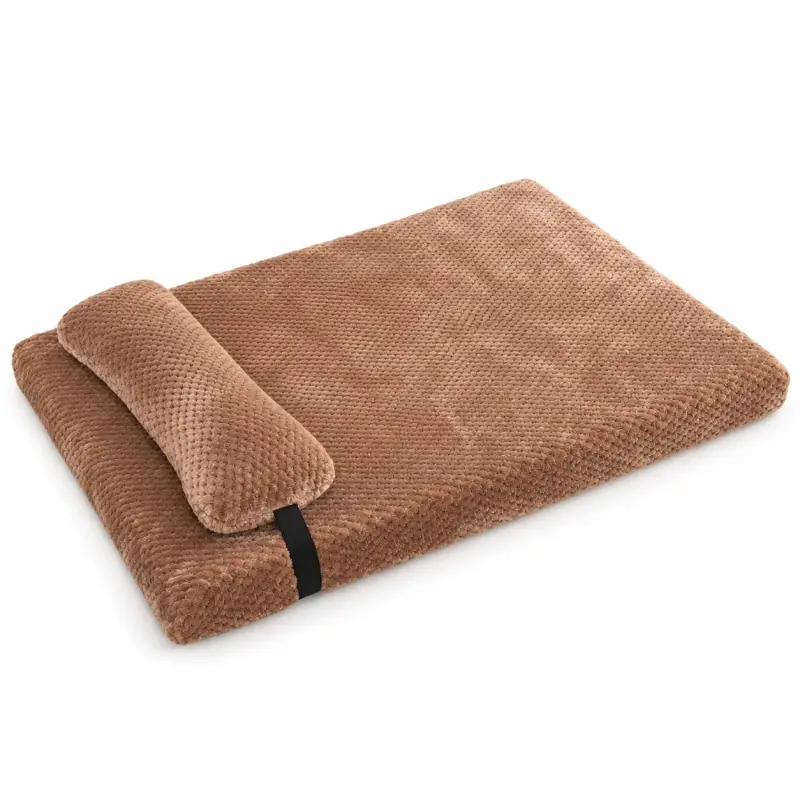
Raised-end pet mat
Rectangular pet mat with a raised end; compare usable area, finished thickness, backing, raised section and care.
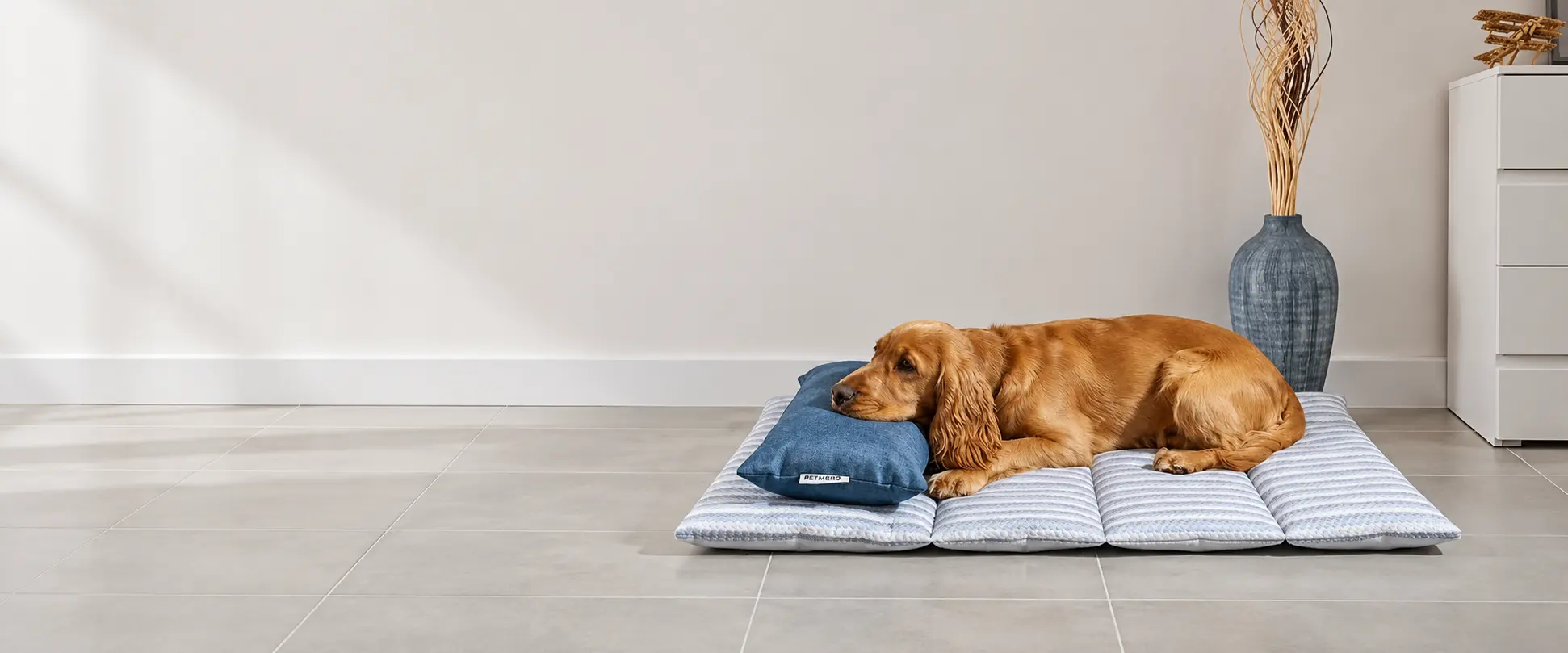
Source pet mats and pet blankets for dogs and cats across home, crate, carrier and travel ranges. Compare usable size, textile layers, intended season, backing and care before choosing colours, branding or packaging.
These 12 references include flat mats, padded and bolstered mats, quilted cushions and pet blankets for dogs or cats. Compare the usable size, surface, inner layers, backing, intended season and cleaning first, then use the Ref. ID to discuss sizes, colours, branding or packaging.
Rectangular pet mat with a raised end; compare usable area, finished thickness, backing, raised section and care.
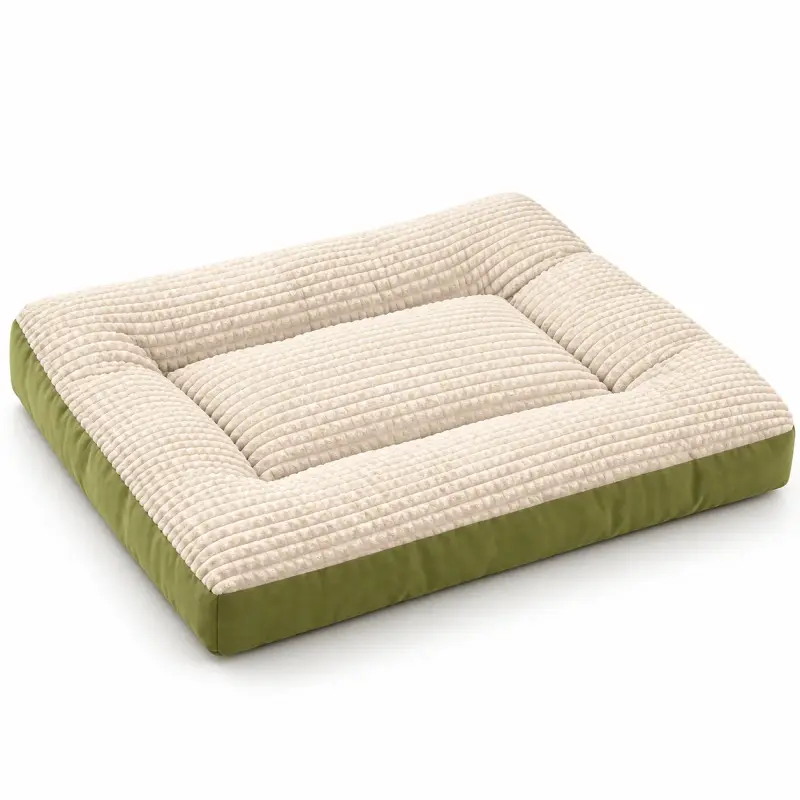
Quilted padded mat; compare usable size, inner layers, quilting, underside, edge finish and cleaning.
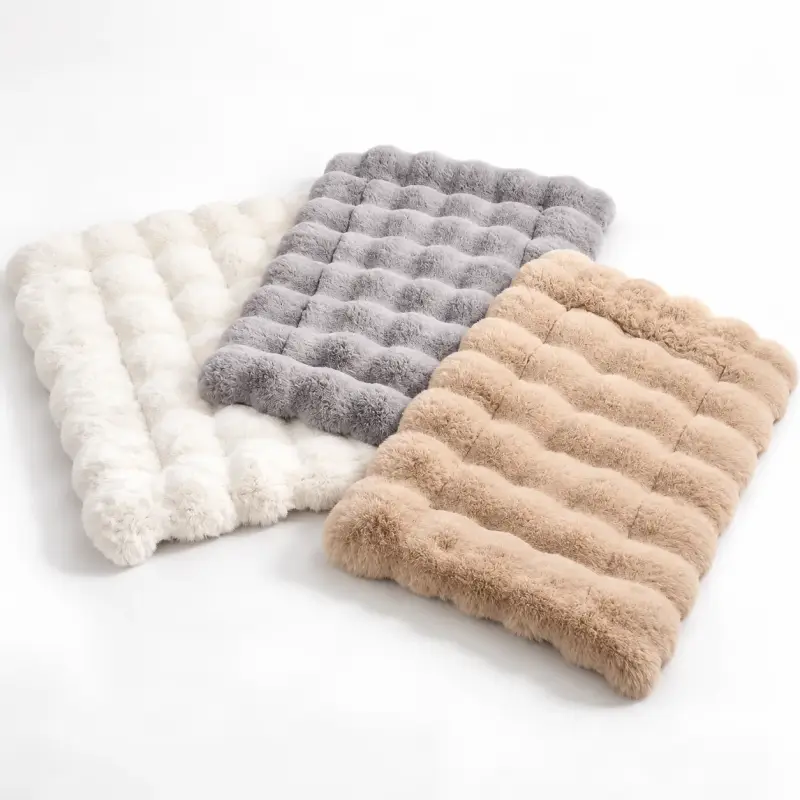
Flat textured mats; compare surface construction, finished size, thickness, backing and intended season.
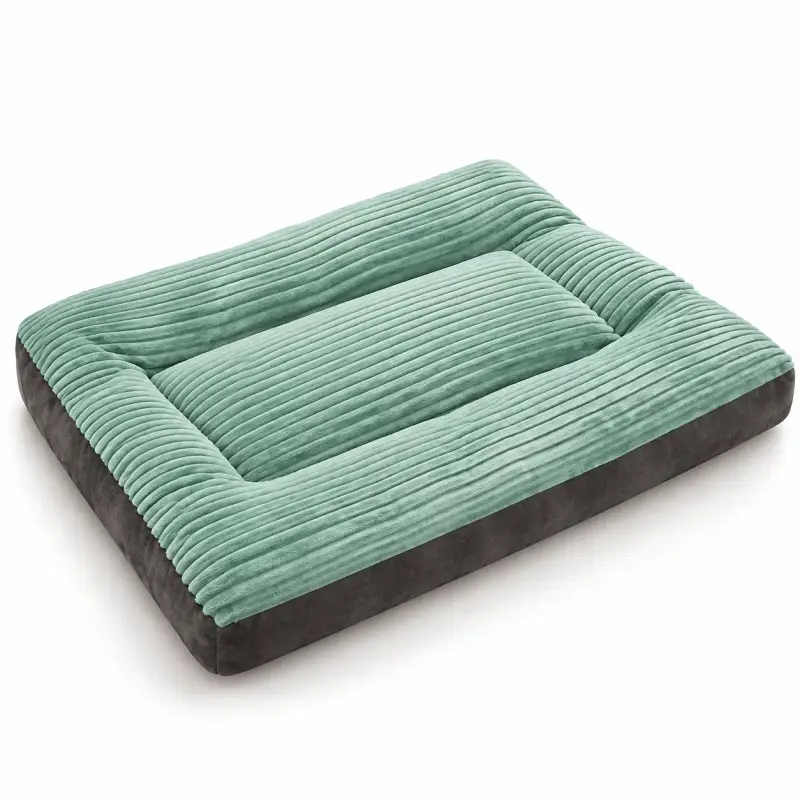
Raised-edge pet mat; compare usable centre, side height, entry, surface, inner layers and underside.
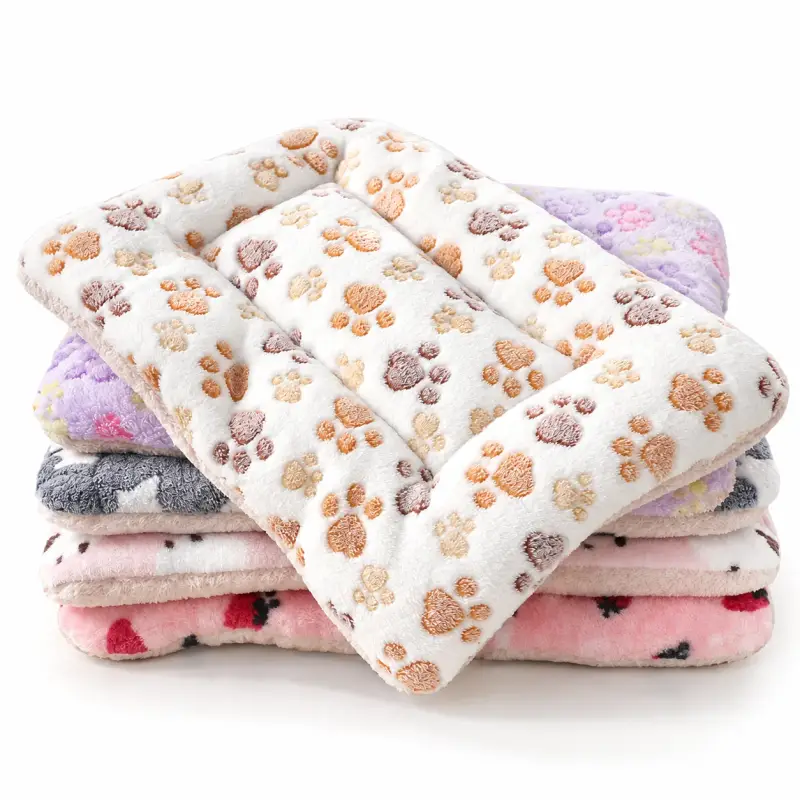
Pet blankets for dogs or cats; compare laid-flat size, fabric, layer construction, edge finish, care and folded pack.
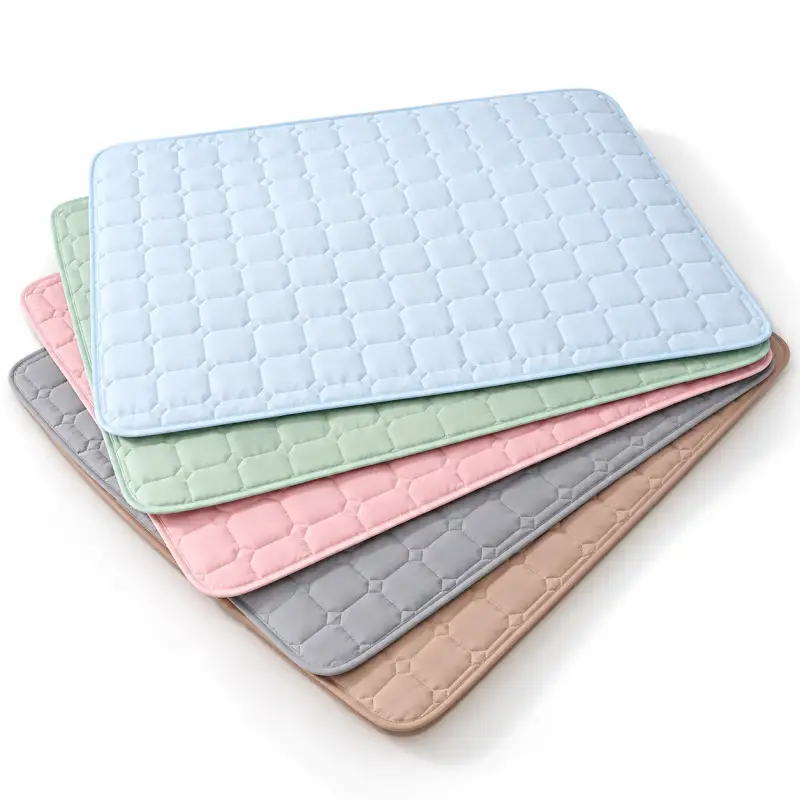
Quilted pet mats; compare finished dimensions, padding, quilting, backing, colours and care by version.
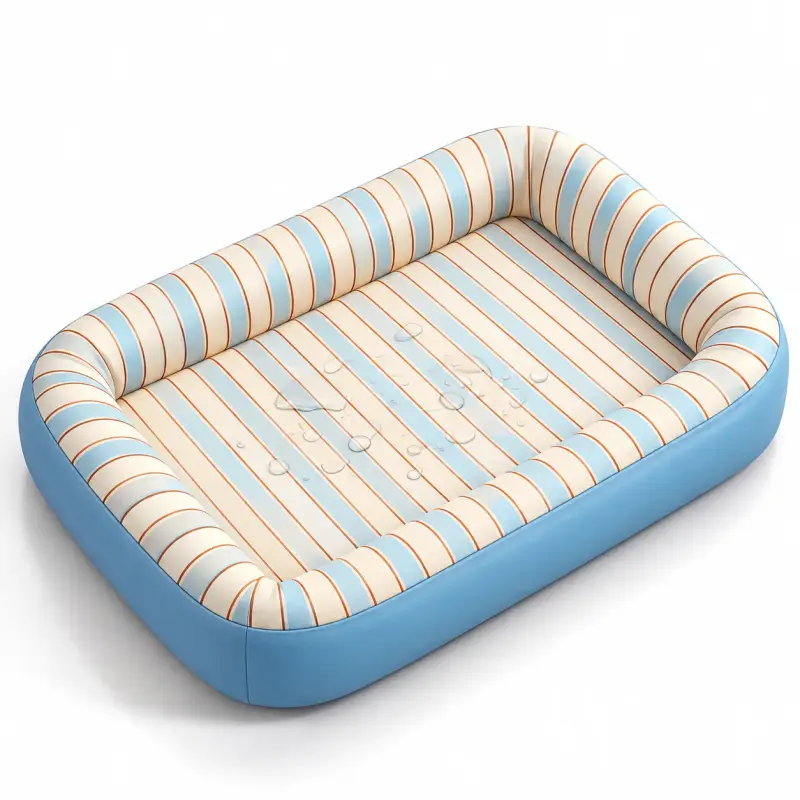
Pet mat with raised sides; compare usable centre, bolster height, entry, padding, cover and underside.
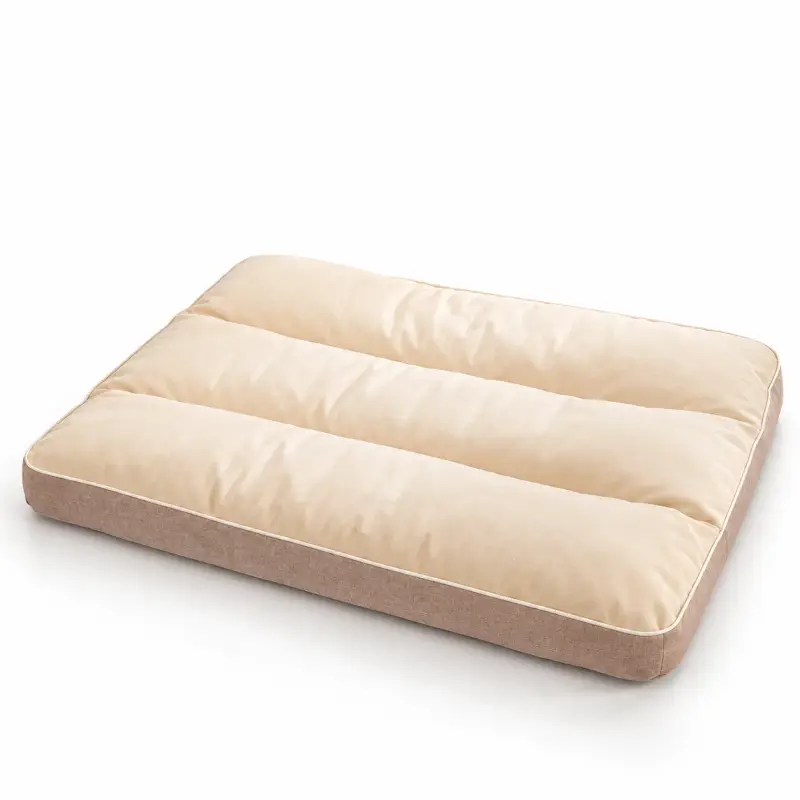
Channel-quilted padded mat; compare usable size, fill distribution, thickness, underside and packed form.
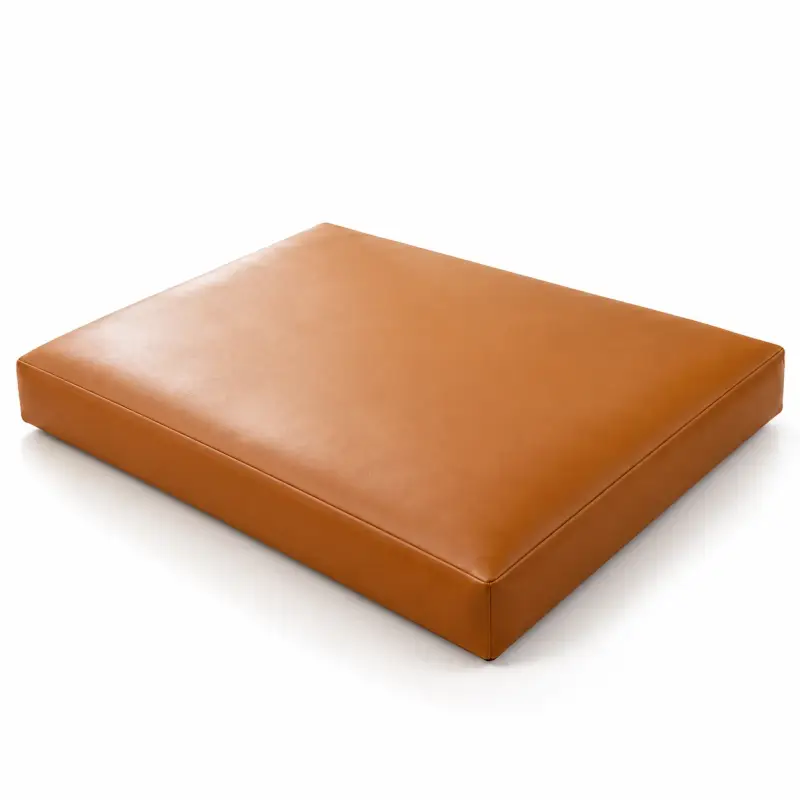
Flat pet mat; compare surface textile, finished size, thickness, underside and intended home, crate or travel use.
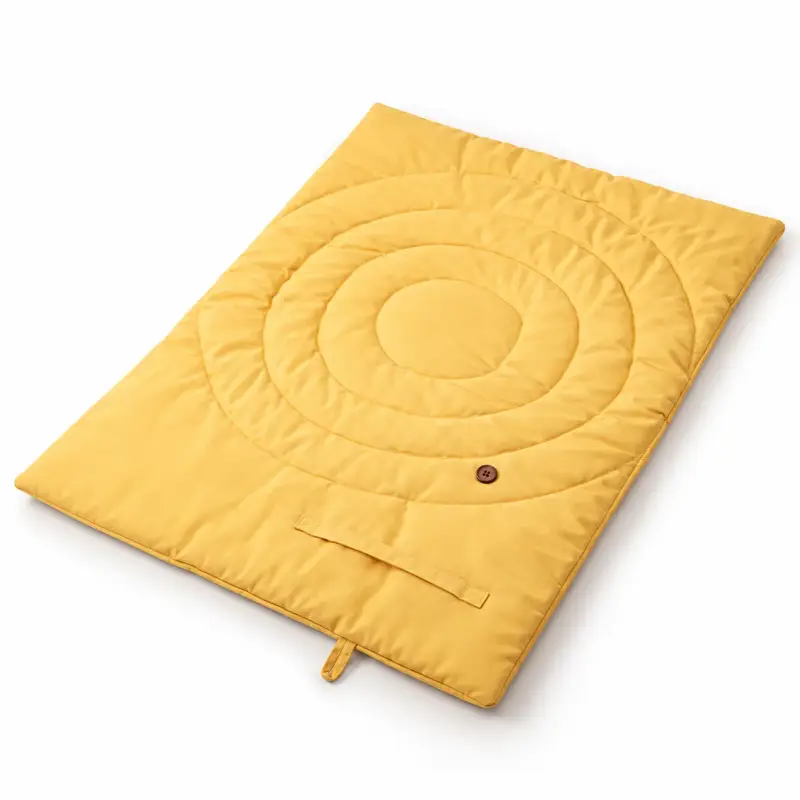
Rectangular quilted pet mat with a circular stitched pattern; compare finished length and width, padding, quilting, edges and care.
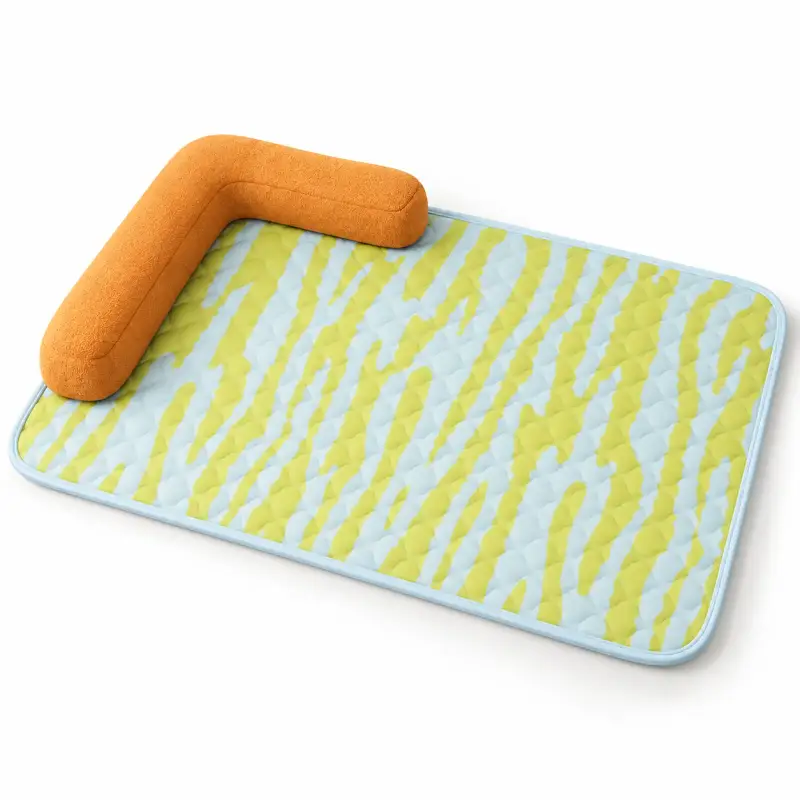
Striped pet mat with a corner bolster; compare usable area, raised section, padding, backing and care.
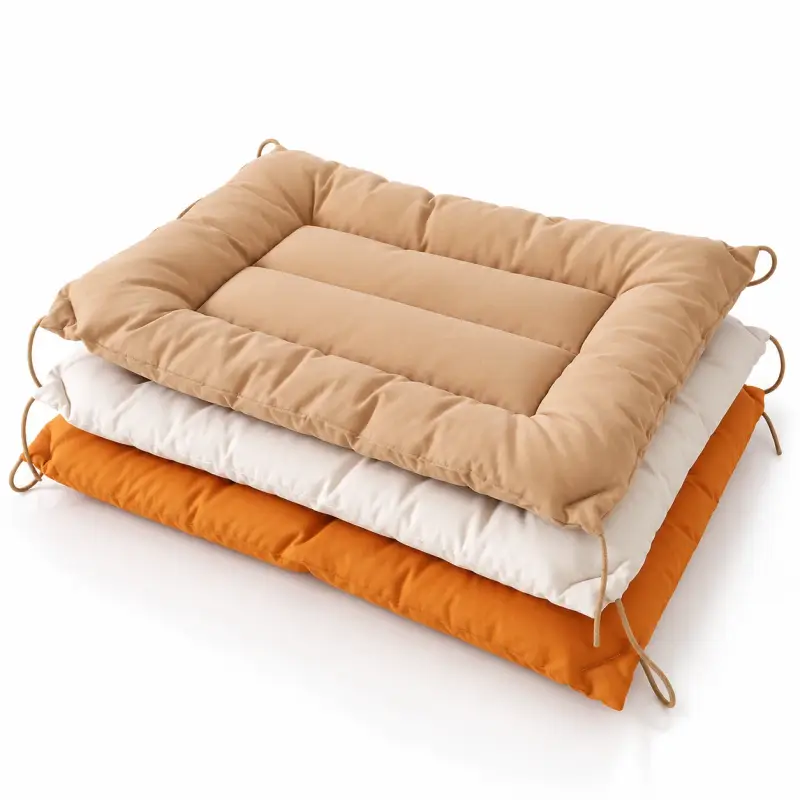
Padded quilted mats; compare usable size, inner layers, finished thickness, backing, colours and care.
These 12 references show part of the PETMERO pet mat and blanket range. If you need another size, intended season, textile construction or backing, send a Ref. ID, image or product link.
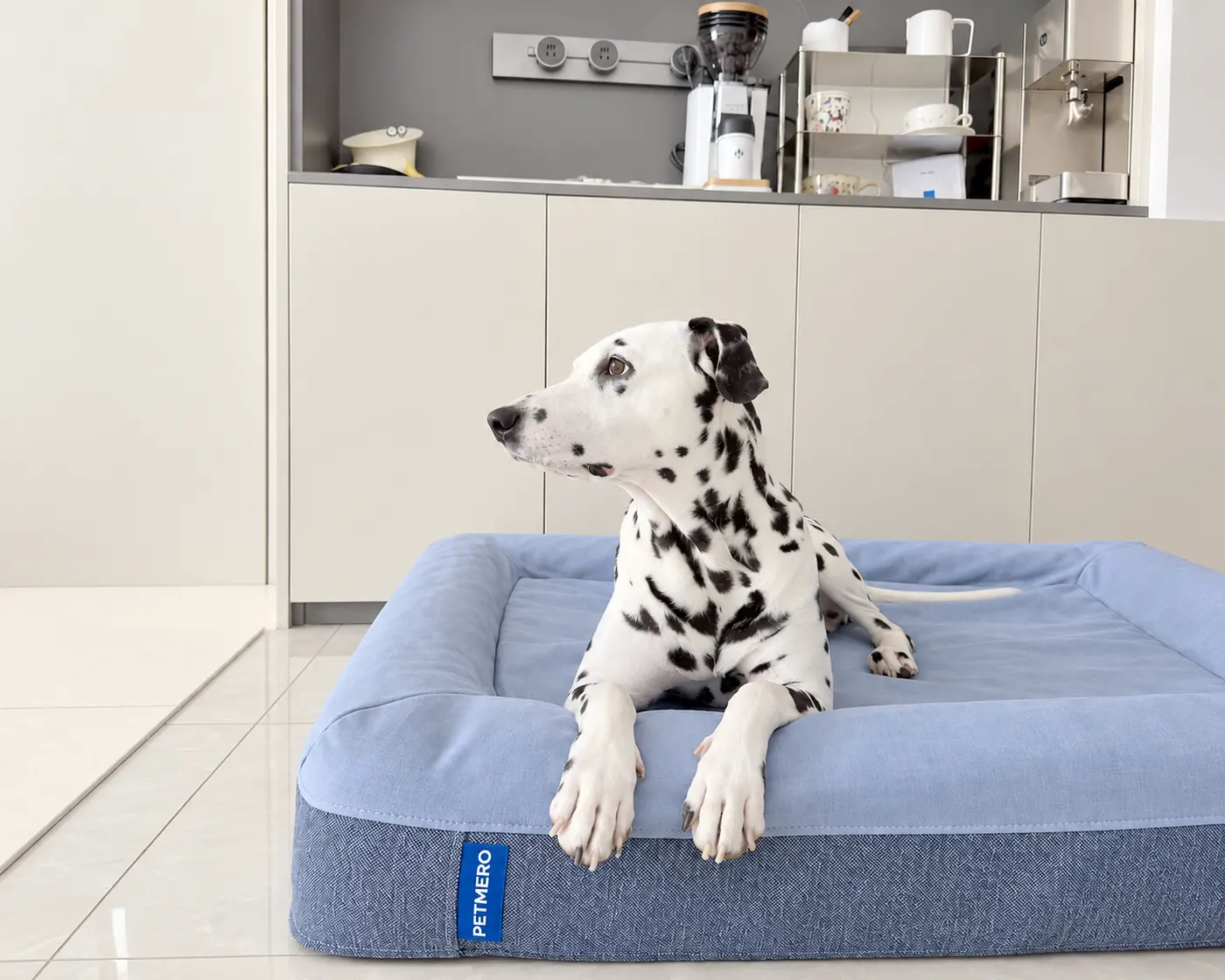
A pet blanket, padded resting mat and cooling-oriented mat can look similar online but answer different needs. Define where the product will be used, how much resting area it should provide and how the material should perform before building the size and colour range.
Compare the usable length and width, finished thickness, backing and how closely the mat needs to fit a crate, carrier, floor or other resting space.
Compare laid-flat dimensions, fabric weight or thickness, edge finish and whether the construction is single-layer, lined or quilted. A blanket is a flexible textile layer rather than a padded floor mat.
Compare the actual resting surface, finished thickness, fill distribution, raised sections and underside. Added padding can reduce packability and change the approved cleaning method.
For warm-weather ranges, compare lighter or more breathable constructions and verify any cooling claim. For winter ranges, compare plush, lined or more padded constructions and support any self-warming or thermal wording with evidence for the exact product.
Compare the use, intended season and layer construction together. A mat or blanket can look similar while serving a different resting or covering role.
Compare finished length and width, thickness, backing and how the mat fits the intended floor, crate, carrier or travel space.
Compare laid-flat size, textile construction, weight or thickness, edge finish and how the blanket will be used with a bed, sofa, crate or travel setup.
Compare the usable resting surface, finished thickness, fill or inner layer, underside and shape after unpacking.
Compare warm-weather and cold-weather directions by actual surface and layer construction rather than by season name alone.
Match the finished footprint and thickness to the actual resting space instead of relying on a crate, carrier or pet-size label alone.
Use the actual textile and layer construction to position the range, and keep cooling, self-warming or thermal claims evidence-based.
Check dimensional stability, surface finish, backing and padding after care and after the approved folded or rolled pack.
Confirm the actual fibre composition, knit or weave, pile, quilting and finish rather than choosing only by colour or hand feel.
Match washable, breathable, cooling, warm or other performance wording to the approved textile and complete construction.
Fibre fill, foam, quilted layers and unpadded textile formats behave differently in thickness, folding, drying and shape recovery.
Confirm each layer and finished thickness on the complete sample rather than inferring support from bulk alone.
The underside can be plain textile, grip-treated or part of a barrier construction. These functions are separate from the upper resting surface.
Check non-slip, water-resistant or waterproof requirements on the exact approved backing, seams and finished product.
Binding, hems, quilting lines and sewn labels affect durability, appearance and care across repeated sizes and colourways.
Confirm stitch finish, edge width and label placement on the approved version before production.
Define whether the item is for a floor, crate, carrier, sofa, vehicle or general home use. The location affects the required footprint, thickness, backing and packability.
Record the laid-flat or usable length and width after finishing, with agreed tolerances. For a fitted mat, use the actual internal space rather than a crate or carrier size name.
For padded mats, record finished thickness and inner construction. Keep folded or rolled pack dimensions separate from the dimensions of the product in use.
Match the surface and layer construction to the intended warm-weather, year-round or cold-weather range. Cooling, self-warming and thermal claims need product-specific support.
Confirm the underside, grip treatment, barrier layer where applicable, binding, seams and edge finish separately. Do not infer non-slip or waterproof performance from appearance.
Confirm which parts can be washed or wiped, the approved drying method and how the finished dimensions, surface and padding change after the agreed care check.
Decide whether the pet range needs a crate mat, floor mat or pet blanket before discussing finishes. Thickness, backing and edging affect the sample differently from a colour change.
Identify whether your pet range needs a crate mat, pet floor mat or pet blanket; then discuss finished dimensions, thickness, backing and folded packaging per reference.
For pet mats and blankets, consider hem labels, printed patterns and sleeve or folded-pack artwork. Confirm how each choice works with any backing or edging present and the agreed care information.
For a new pet mat or blanket, identify changes to thickness, backing, edging and fabric layers. A structural revision may alter cleaning guidance and packaging, unlike a color change. The PETMERO customization process explains how to begin a sample review.
Define the intended resting location, usable dimensions, finished thickness and backing together so a size change does not unintentionally change fit or handling.
Coordinate the approved surface, lining or padding with the intended warm-weather, year-round or cold-weather range, then confirm colours or prints on the finished sample.
Choose logo or care-label placement and define single-item or multi-piece sets, folded or rolled presentation and the exact size or colour mix for each pack.
For pet mats and blankets, first identify a flat mat, padded mat or flexible blanket. Then provide dimensions, thickness or layer construction where relevant, surface and backing materials, intended care method and packing preferences.
“I am interested in R12-05 paw-pattern pet blankets for our brand. Could you review possible sizes, fabric options, private-label tags and folded packaging for this style?” Add your quantity and destination when available so we can prepare a product-specific quotation.
Compare pet mat and blanket pricing by the selected construction, finished dimensions, fabric layers, thickness where applicable and packaging.
For each pet mat or pet blanket style, agree finished dimensions, thickness, edging, backing where present and folded or rolled packing against the approved sample.
Measure the finished mat or blanket and review the surface, layers, seams, binding, backing and padding against the agreed specification.
Use the approved cleaning and drying method, then record dimensional change, surface appearance, padding distribution and any change in grip or barrier performance that is part of the agreed requirement.
Approve the size range, seasonal wording, labels and folded or rolled pack, and use cooling, waterproof, self-warming or similar performance language only when it is supported for the exact construction.
Check how folding, rolling or compression affects quilting, pile, backing and padding, then use the approved pack method for the selected version.
Identify the exact dimensions, piece count and colour or print combination for each SKU so similar-looking mats or blankets remain easy to reorder.
Match washing, drying and performance wording to the exact material, backing and layer construction rather than applying one instruction to the whole range.
Answers about pet mat and blanket layers, backing, care labels, finished dimensions and folded wholesale packaging.
A pet mat is usually a defined resting surface and may include padding, backing or a fitted footprint. A pet blanket is a flexible textile layer that can be spread, folded or used with another resting surface. Specify the actual construction instead of treating the two names as interchangeable.
Use the clear internal floor dimensions and required clearance, then confirm the mat's finished thickness and any rounded or tapered corners. Do not rely only on the crate or carrier size name.
Confirm the surface and layer construction, intended conditions of use, cleaning method and evidence for the cooling claim. A light colour, smooth fabric or breathable appearance alone does not establish measurable cooling performance.
For warm-weather ranges, compare lighter or more breathable surfaces and lower-bulk constructions. For cold-weather ranges, compare plush, lined or more padded directions. Cooling, self-warming and thermal wording should remain tied to the exact material and product evidence.
No. The surface, padding, liner, backing and binding can have different care requirements. Confirm the approved washing and drying method for the complete selected construction.
No. Water-resistant, waterproof and non-slip are separate requirements. Confirm the backing, barrier layer, seams and any grip treatment on the exact model before using those claims.
Yes, where the size, fabric and care method suit the intended use. For a dog-focused range, define the laid-flat dimensions, surface, edge finish and whether it is intended as a light cover, layered bedding or a coordinated accessory.
No. Resting mats and blankets are not absorbent toileting products by default. Puppy training pads have a different product function and specification.
Yes, subject to the selected construction and project feasibility. Confirm the approved fabric, colour or print, label position and folded, rolled or set presentation on the sample.
A Ref. ID, image or product link is enough to begin. Add intended use, finished size or fitted-space dimensions, quantity, destination, intended season, material, branding or packaging requirements whenever those details are available.