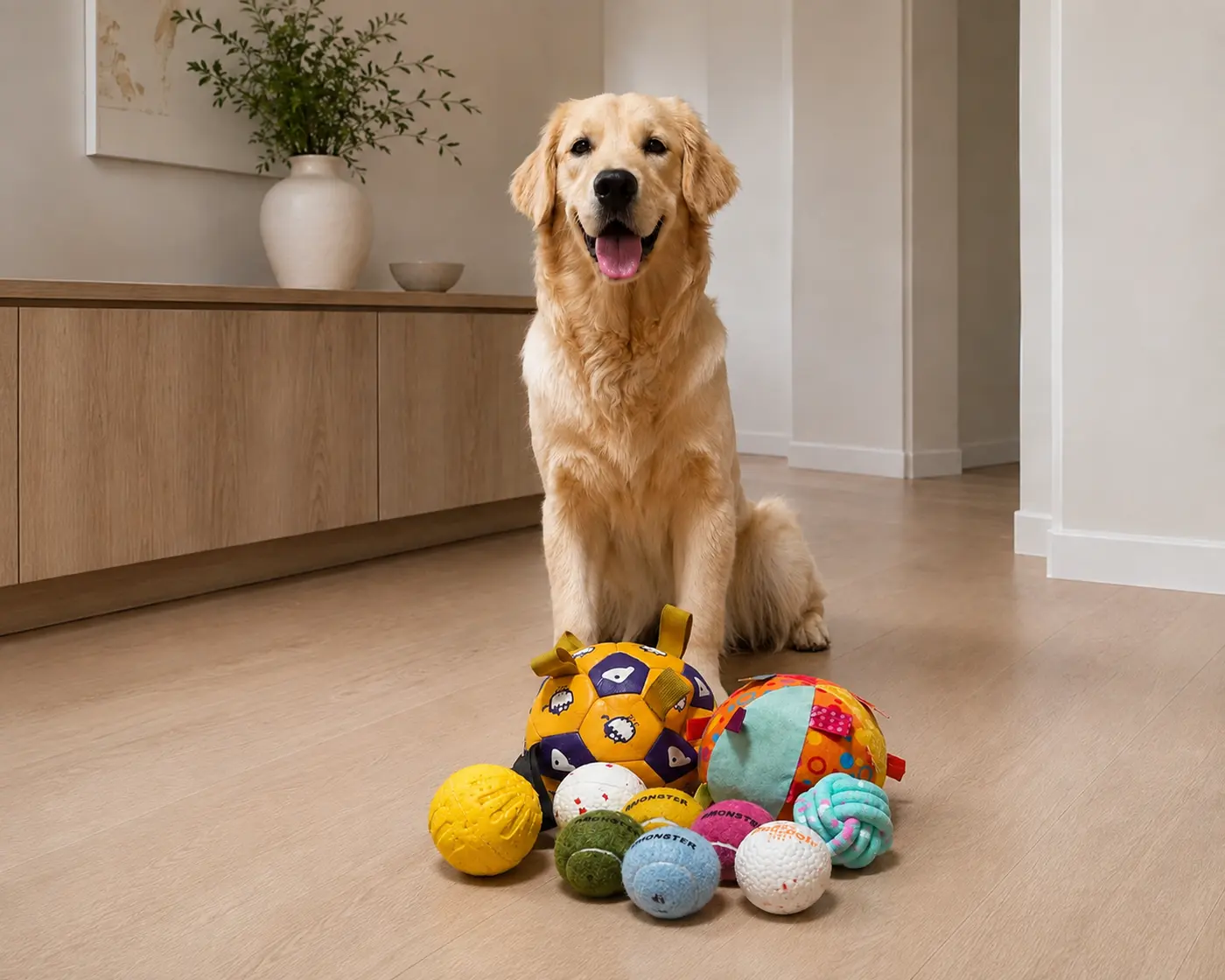
Ref. R15-01
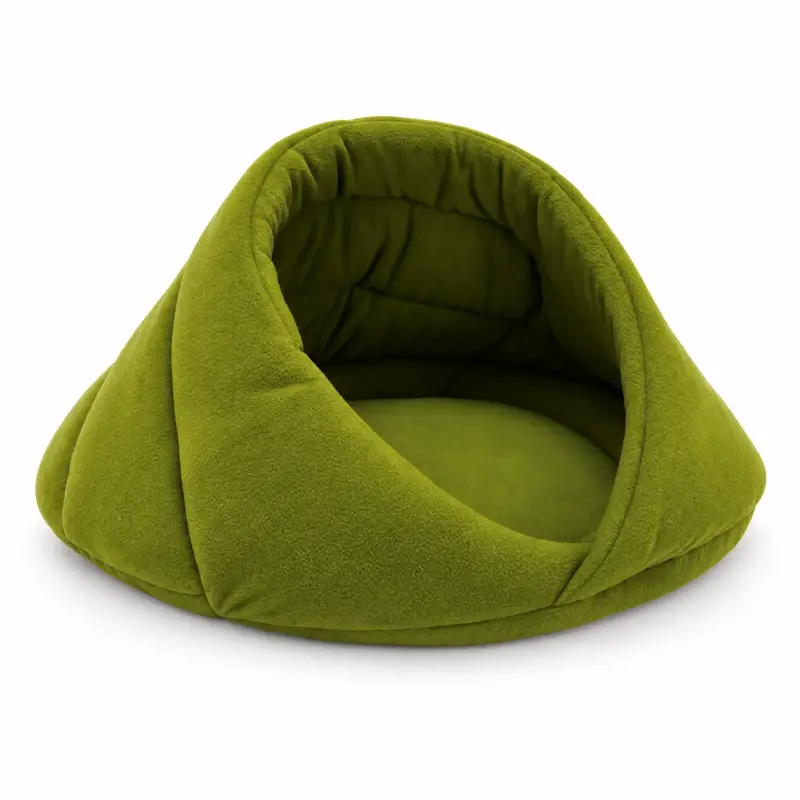
Hooded cat bed
Covered cat bed; compare entrance, usable interior, hood support, cushion, removable parts and care.
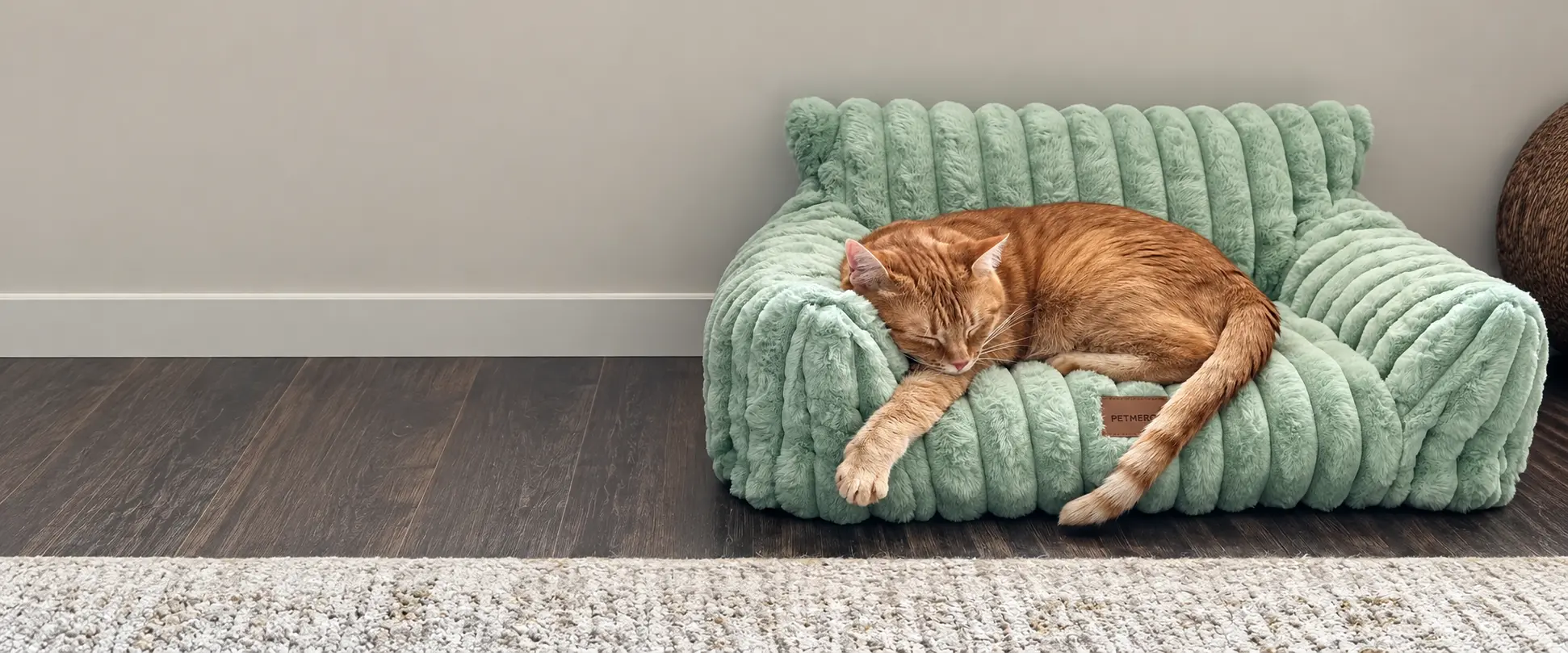
Source cat beds for wholesale and private-label collections. Compare usable resting space, entrance or access, seasonal comfort direction, cover construction, removable parts and cleaning before confirming colours, branding or packaging.
Explore open cat beds, round nests, hooded beds and enclosed cat caves. R15-07 combines a resting area with a scratching surface; R15-09 is a structured indoor cat house with scratching panels. These two are combination products, not ordinary soft beds. Compare usable resting space, entrance size, materials and cleaning for the exact design, then send its Ref. ID to discuss samples, quantities and branding.
Covered cat bed; compare entrance, usable interior, hood support, cushion, removable parts and care.
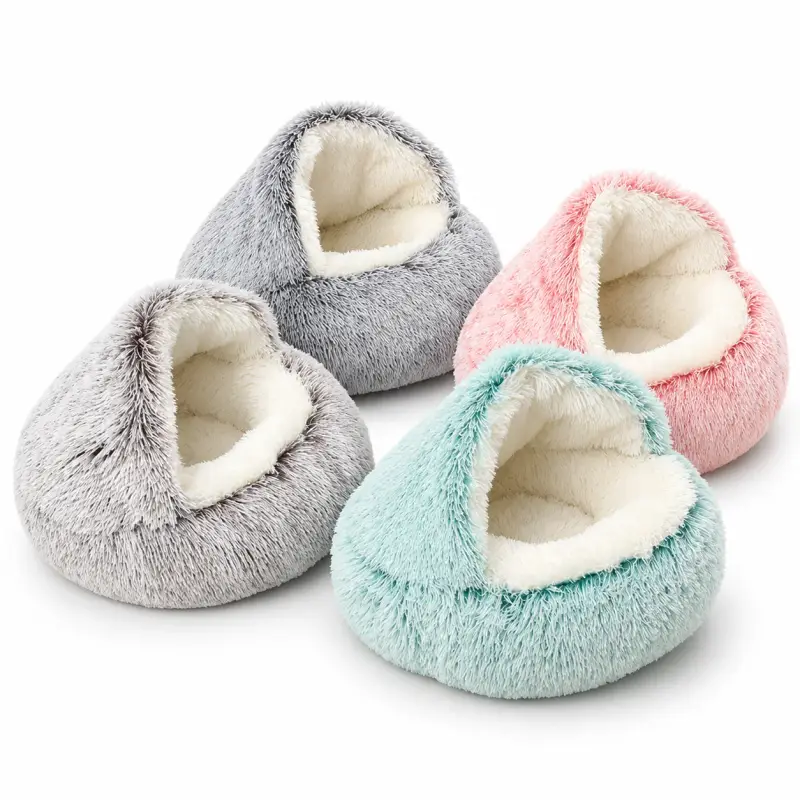
Hooded cat-bed range; compare entrance, interior, shell support, cushion, colours and cleaning by size.
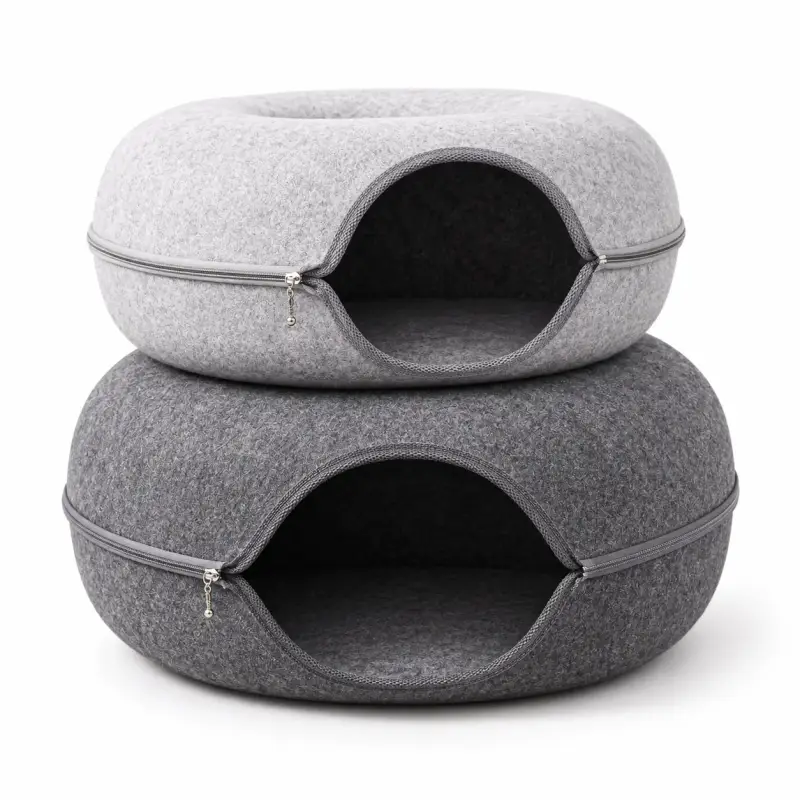
Round covered format; compare opening, interior diameter, headroom, shell support, cushion and care.
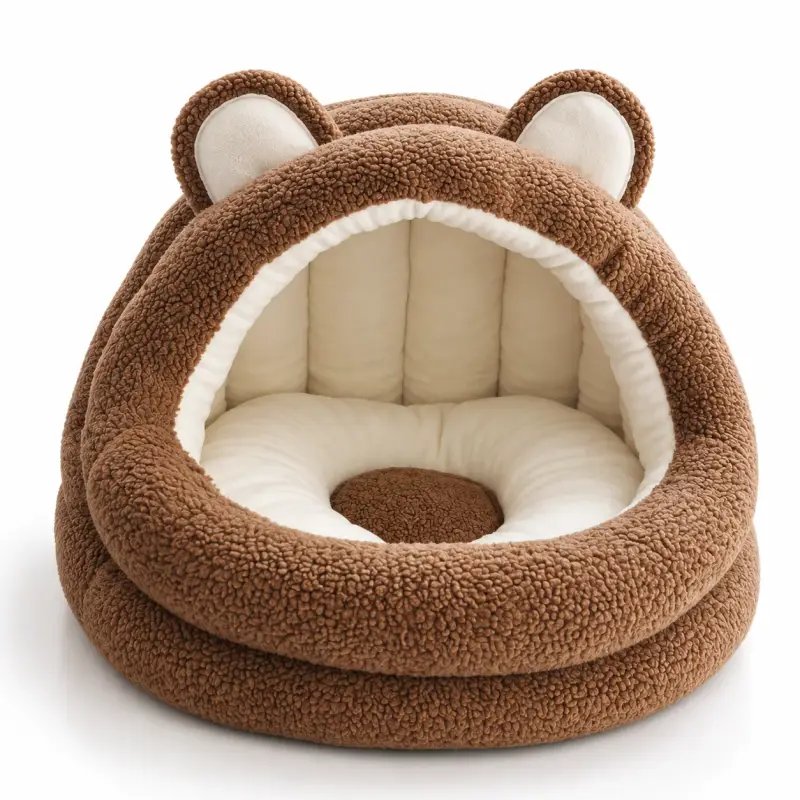
Shaped hooded cat bed; compare entrance, usable interior, hood support, decorative parts and care.
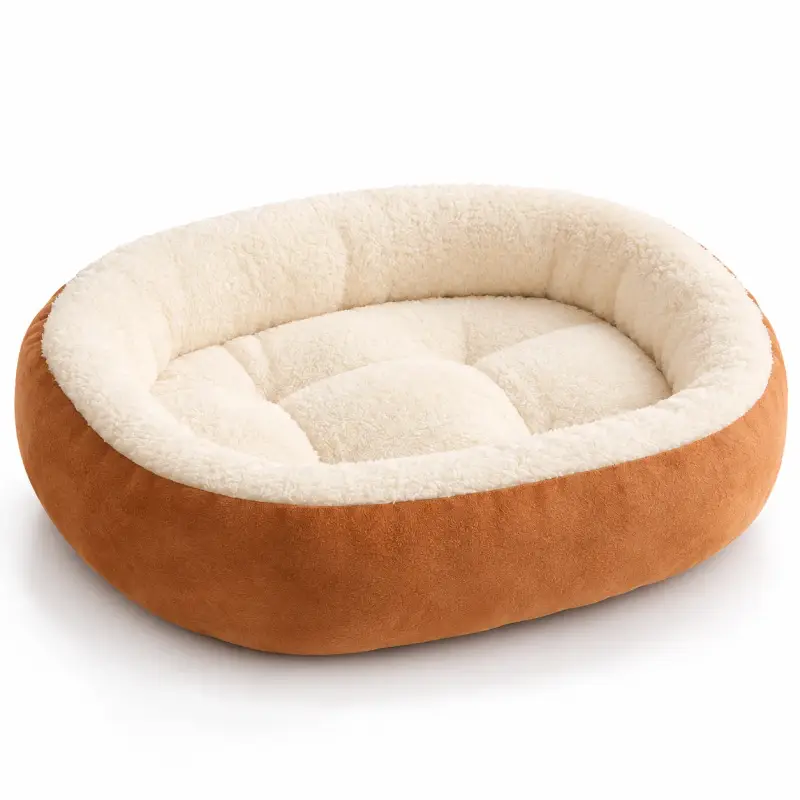
Open oval cat bed; compare usable resting area, low edge, cushion, underside and removable parts.
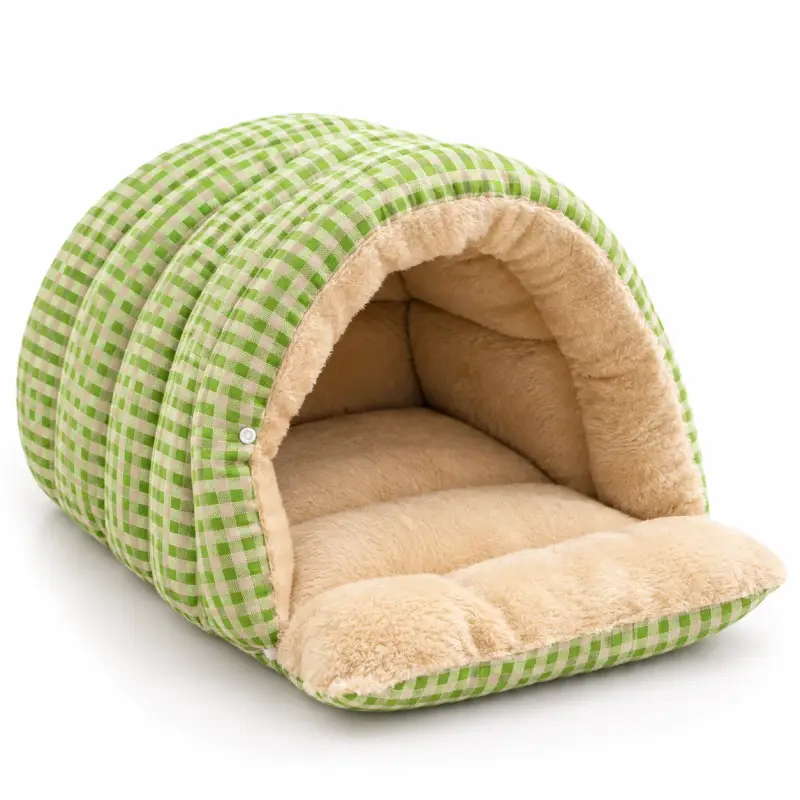
Cat cave; compare entrance, usable interior, covered shell, cushion, shape recovery and cleaning.
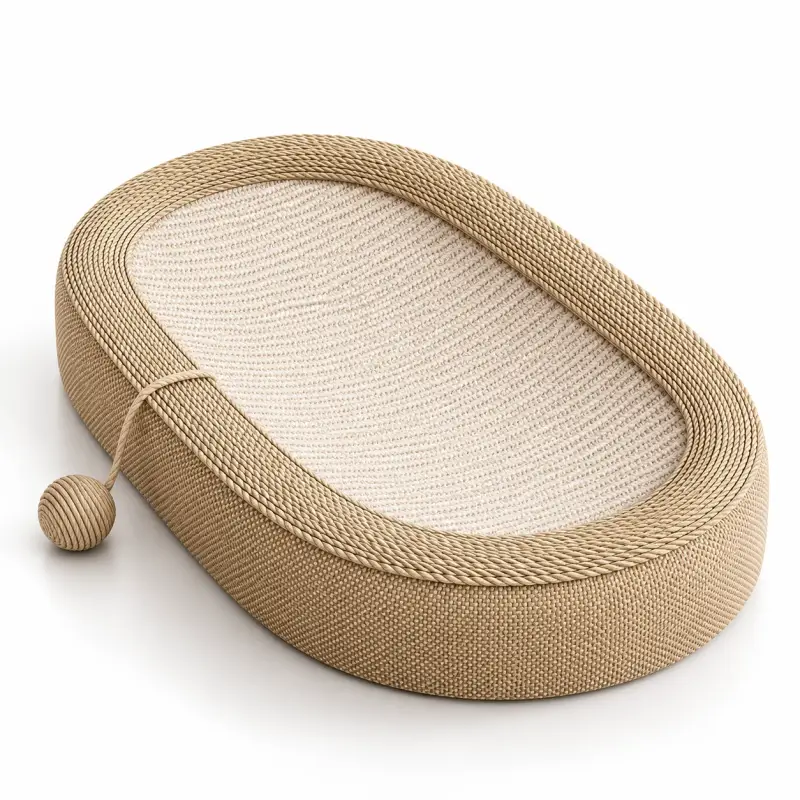
Combined resting and scratching format; compare lounge area, scratching surface, base and replacement needs separately.
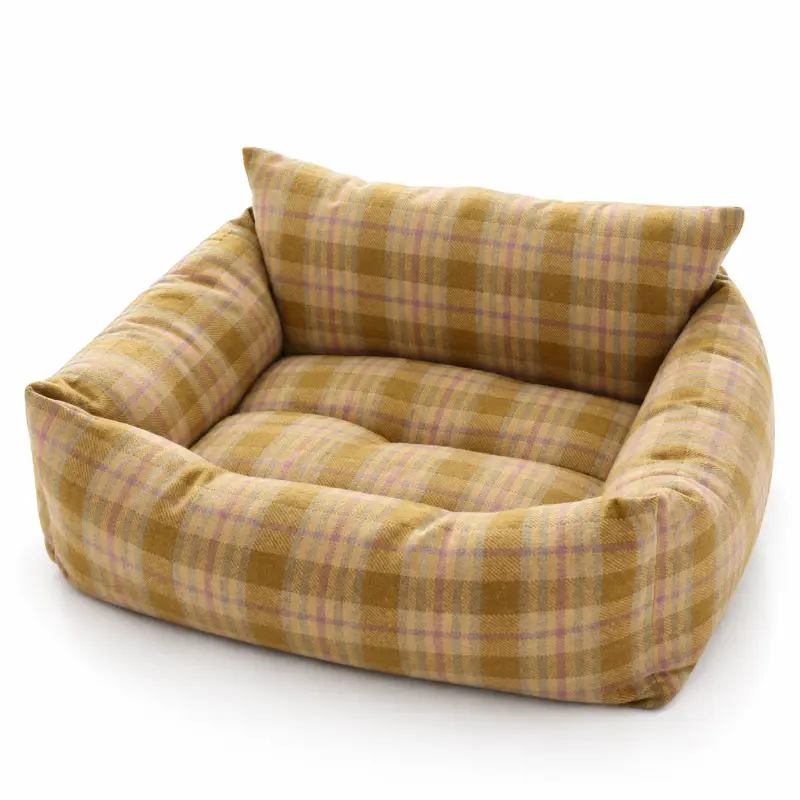
Raised-edge cat bed; compare usable interior, side and entry height, cushion, surface and care.
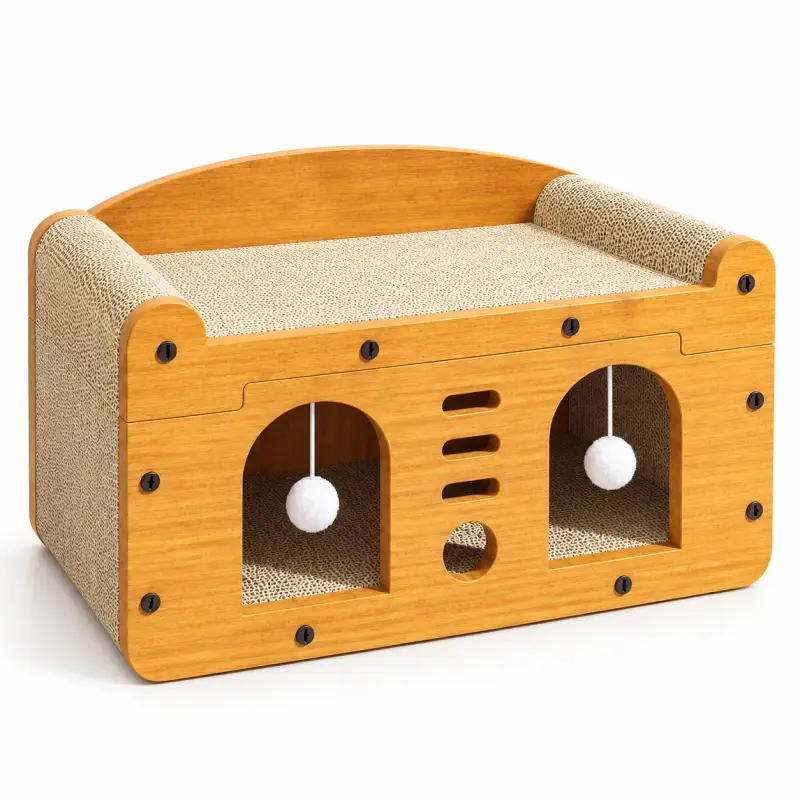
Structured cat house; compare resting space, openings, panels, scratching zones, assembly and packed form.
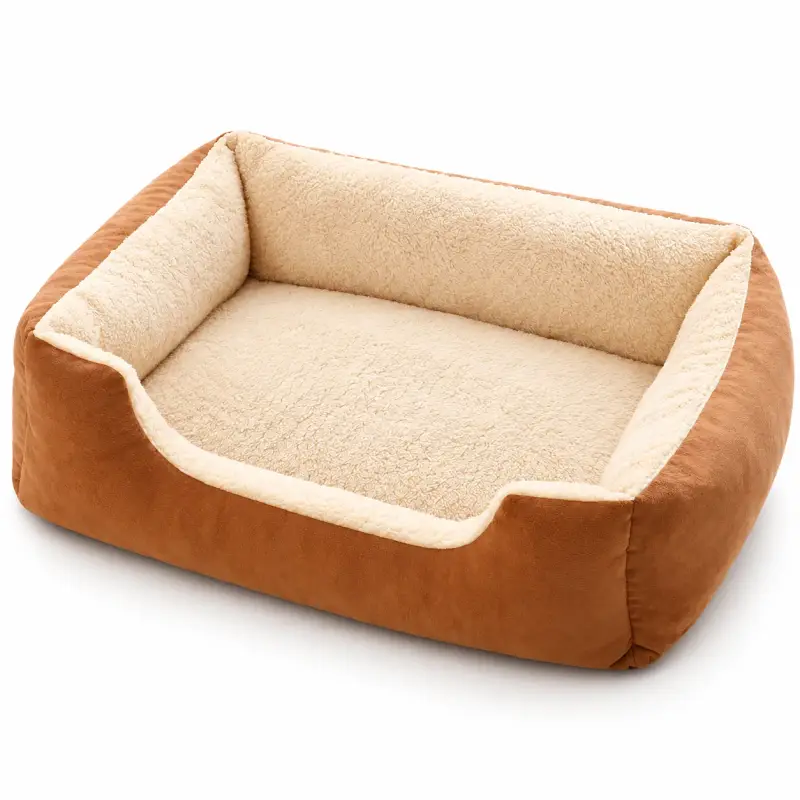
Open low-entry cat bed; compare usable space, entry height, side construction, cushion and underside.
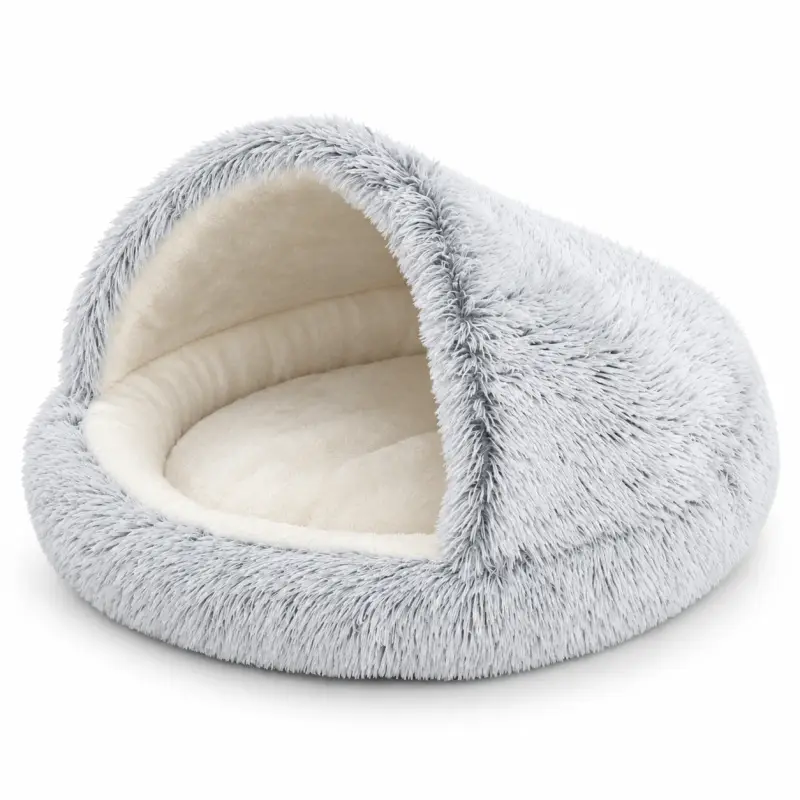
Plush covered bed; compare entrance, usable interior, hood support, cushion, removable parts and care.
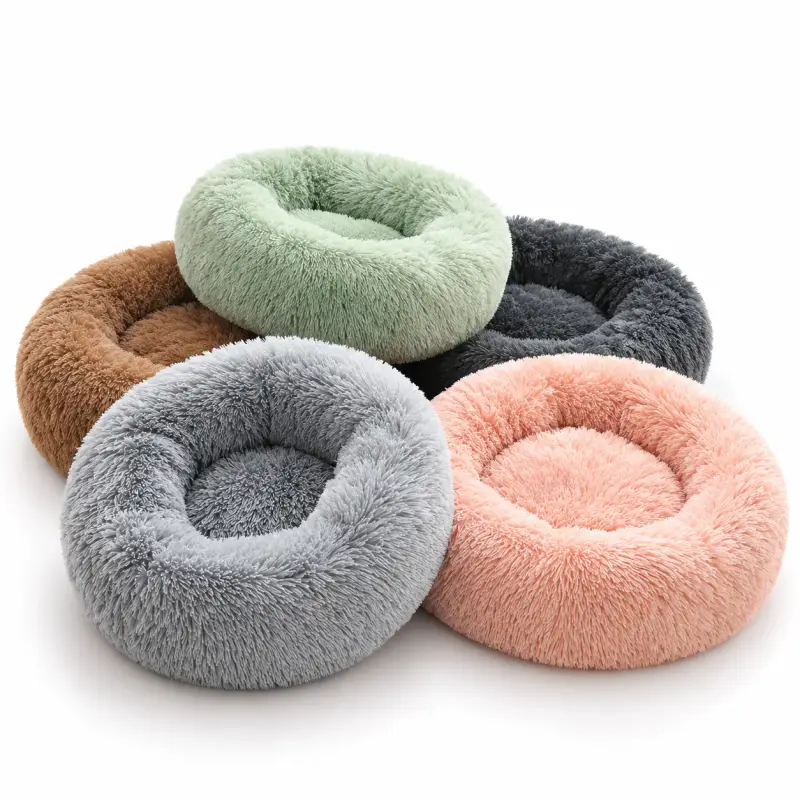
Round plush range; compare usable centre, rim depth, filling, colours, underside and cleaning.
These 12 references show part of the PETMERO cat bed range. If you need another resting format, entrance, seasonal direction or construction, send a Ref. ID, image or product link.
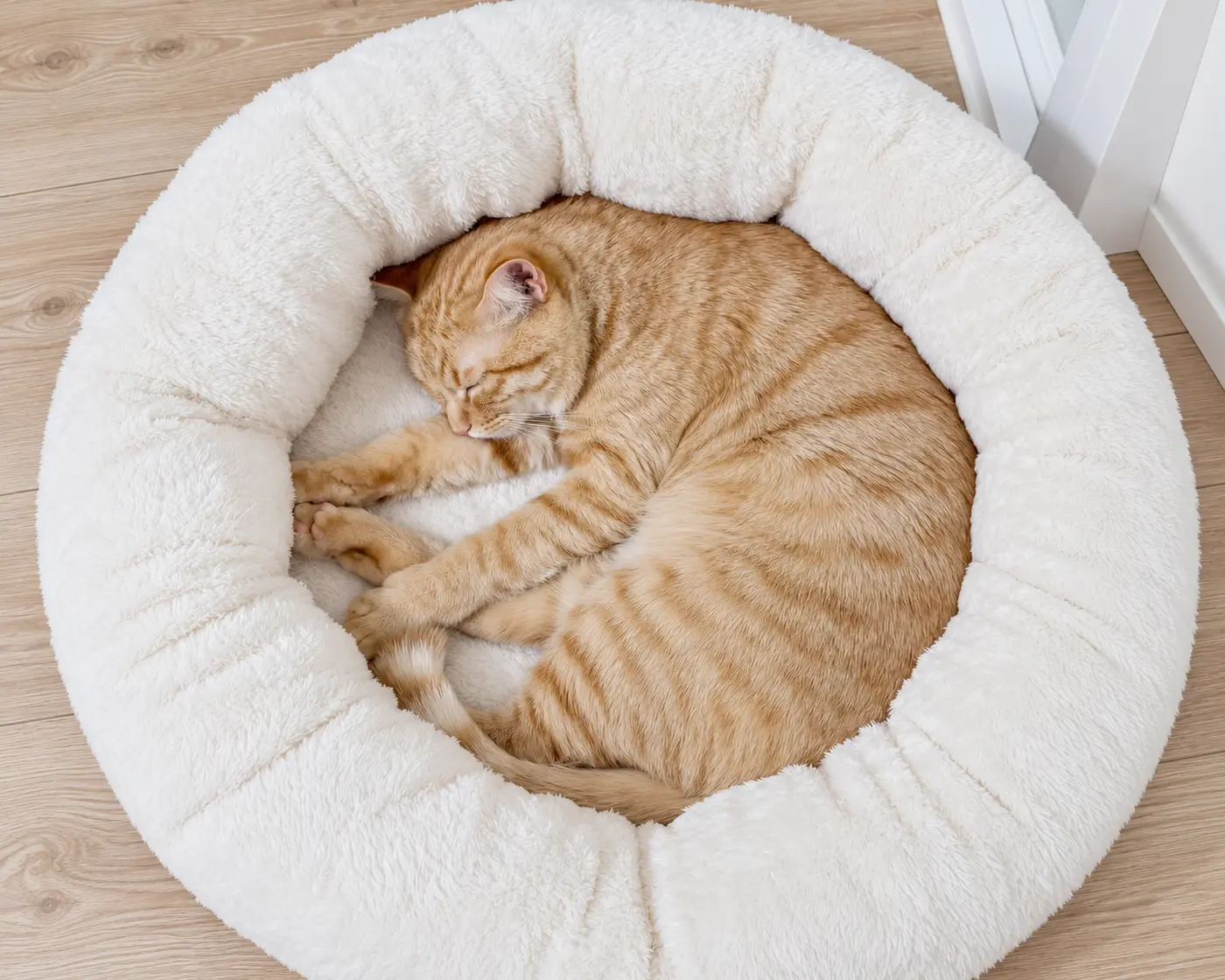
An open cat bed, a raised-edge nest and a covered cat cave answer different needs. Compare the space the cat can actually use, how easily it can enter, how the construction holds its shape and how the complete bed will be cleaned.
Compare usable length and width, cushion thickness, edge or entry height and the underside. Open access can suit cats that prefer an unobstructed resting surface.
Compare the usable centre with the outside diameter or footprint. Rim depth, fill distribution and the lowest entry point all affect the actual resting space.
Compare entrance width and height, usable interior, headroom and the construction that supports the covered form. Confirm whether the cushion, liner or hood can be removed.
R15-07 combines an oval resting area with a scratching surface. R15-09 is a structured indoor cat house with scratching panels. Check the resting area, entrances, scratching material, assembly and cleaning separately. These are not outdoor cat shelters, flat cat mats or standard cat trees.
Compare usable resting space, access and seasonal construction together. A similar outside shape can provide very different interior space.
Compare entrance size, usable interior, headroom and the structure that holds the covered form.
Compare the usable resting surface, edge or entry height, cushion thickness and underside.
Compare the usable centre with the full outside diameter or footprint.
Compare the resting area, openings and supporting panels or structural parts as one system.
Match the cat's dimensions and resting posture to the actual interior, entrance and headroom where relevant.
Use the actual surface and construction to build warm-weather or cold-weather ranges without making unsupported cooling or thermal claims.
Keep cushions, liners, covers and care instructions matched to each approved size and version.
Confirm the actual fabric, pile or weave, lining and surface finish for the selected cat bed.
Use warm-weather, winter, washable, cooling or self-warming wording only when the approved material and product construction support it.
A removable cushion, fibre fill, foam insert or structural support can create very different interior space and care requirements.
Confirm the actual construction and keep orthopedic, calming or comfort-performance language tied to evidence for the exact version.
Covered and structured cat beds may use separate shell, underside, panel or supporting components.
Review the complete structure, assembly and shape recovery on the approved sample instead of judging it from the outside silhouette.
Zips, cushion attachments, liners and removable covers affect cleaning and repeat orders.
Record what removes, how it is refitted and how spare parts are identified for each approved size.
Record the space the cat can actually occupy separately from the full outside dimensions. Deep rims, thick walls and covered shells can reduce the interior significantly.
For caves, hooded beds and low-entry designs, record entrance width and height, entry height and interior headroom rather than relying on a size name.
Match the usable interior to the intended cat body dimensions and resting posture. A label such as Small or Large is not a complete fit specification.
For warm-weather ranges, compare lighter or more open constructions and breathable surface choices. For cold-weather ranges, compare plush, padded or covered constructions. Heated, self-warming, cooling or thermal claims require support for the exact material or product.
Confirm whether the resting surface is fixed, removable or separately filled, and record the actual filling or supporting construction instead of inferring it from appearance.
Identify what can be removed, washed or wiped, the approved method for each part and how the bed should be dried, reshaped or reassembled.
Start with the cat's resting space, entrance shape and base support. Fabric or label changes and changes to the bed structure need different sample and packing checks.
Choose between open, cave and hooded cat beds, then compare entrance width, usable space, base construction and fabric options for that particular model.
For a cat bed, compare label, embroidery or print placement on the exterior without obstructing the entrance or changing the usable resting area. Check the approved pack.
For a redesigned cat bed, show any change to the entrance shape, enclosed support, cushion or base. These affect the sample differently from print, label or color changes. The custom development process provides a starting point for reviewing these changes.
Define the usable resting area, entrance dimensions, headroom and outside footprint together so design changes do not unintentionally reduce the space inside.
Coordinate the approved fabric, colour, texture and trim with the intended warm-weather or cold-weather range after material and care requirements are confirmed.
Discuss cushion thickness, filling, liners, removable covers or shells and replacement parts as one complete bed specification.
Choose logo or label placement, care information and packing after the finished construction is approved. Keep reshaping or recovery instructions tied to the exact version.
For cat beds, specify the intended cave, nest, bolster or open-pad structure, usable interior space, entry opening, fill and cover construction. Add desired materials, packing and quantity for a model-specific quotation.
“I would like to source R15-06 cat cave beds for my brand. Can we review entrance size, cushion construction, fabric and packaging options?” Include your target quantity and destination when available so we can discuss sampling and a product-specific quotation.
Compare cat bed quotes using the same usable interior size, bed shape, entry opening, filling, cover and packing requirements.
For each cat bed, check usable resting space, entrance dimensions, base support, cushion construction and any care instructions against the approved sample.
Measure the usable resting area, entrance and headroom where relevant, then review seams, closures, cushion, liner, underside and supporting parts against the approved specification.
Remove and refit the cushion, cover or liner where applicable, and carry out the agreed cleaning and drying method on the complete sample.
Check how covered, plush or structured beds recover after packing, and approve any seasonal, washable, self-warming, cooling or calming wording only when it is supported for the exact product.
Check covered, plush or structured beds after unpacking and follow the agreed reshaping or recovery method before approving the retail pack.
Identify removable cushions, liners and covers by the approved bed size and version so repeat orders and replacements remain compatible.
State exactly which shell, cushion, liner or cover can be removed, washed, wiped or dried by each method.
Common questions about cat bed entrance shapes, usable resting space, fabric care, labels and sample approval.
Start with the cat's body dimensions and preferred resting posture, then compare them with the usable interior rather than the outside bed size alone. For covered beds, include entrance size and headroom in the fit check.
An open bed gives access from most or all sides. A cat cave or hooded bed adds a covered shell and defined entrance, so opening size, interior headroom, shape support and removable parts become additional buying variables.
Compare open access, surface construction, fabric specification, padding level and cleaning. A lighter or more breathable-looking design should not be described as cooling unless the actual material or product supports that claim.
Compare covered or plush construction, padding, entrance size, removable cushion and cleaning. PETMERO focuses on non-electric products, not electrically heated cat beds. Any self-warming or thermal claim still needs evidence for the exact construction.
No. The shell, cushion, fill, liner and base may have different care requirements. Confirm which parts remove and the approved cleaning and drying method for each part.
The enclosed shape, raised rim or soft surface describes construction, not a guaranteed behavioural result. Use calming wording only when it is appropriately supported for the exact product.
Yes, where the selected construction supports it. Confirm cushion dimensions, attachment or zip position and how spare covers or cushions will be referenced for each size.
Treat the resting bed and scratching component as separate specification areas. Confirm usable resting space, scratching material or panel, assembly and replacement requirements without turning the page into a general cat-scratcher range.
A Ref. ID, image or product link is enough to begin. Add cat-size range, quantity, destination, entrance or interior dimensions, seasonal direction, fabric, branding or packaging requirements whenever those details are available.