Ref. DB-01
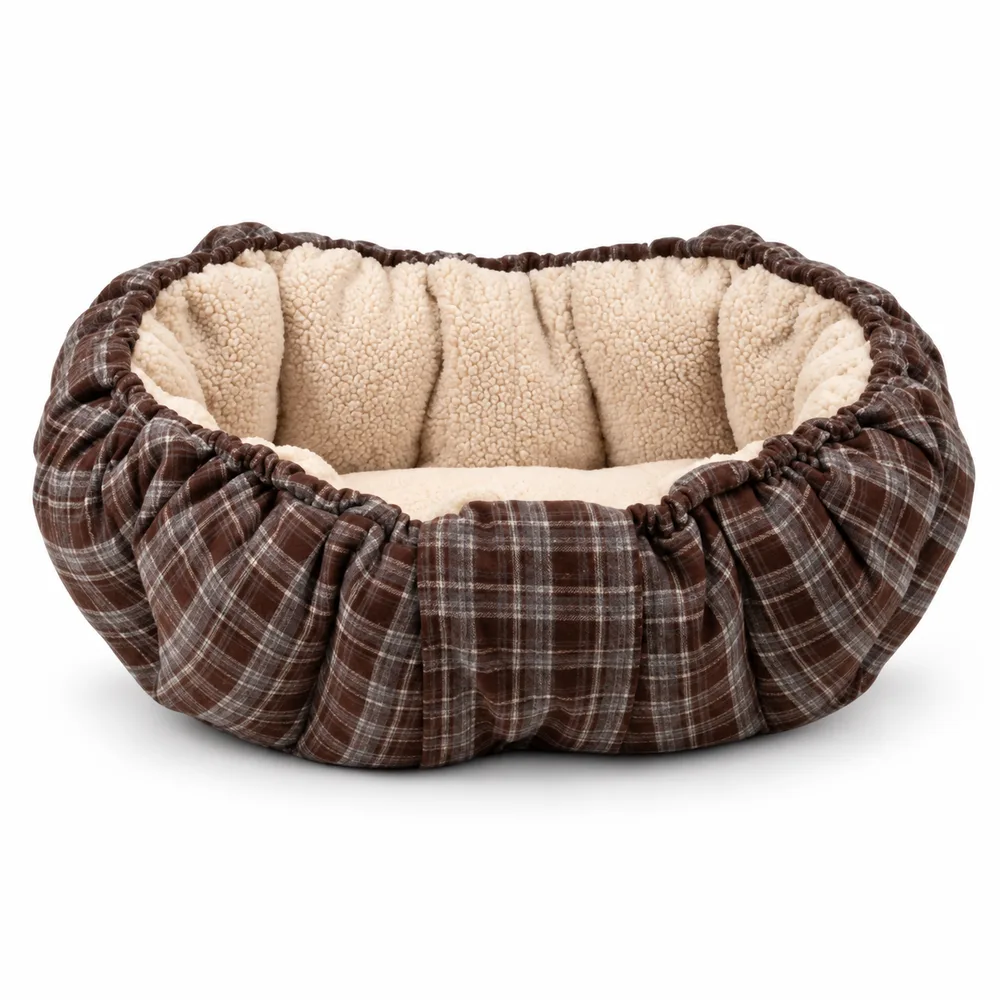
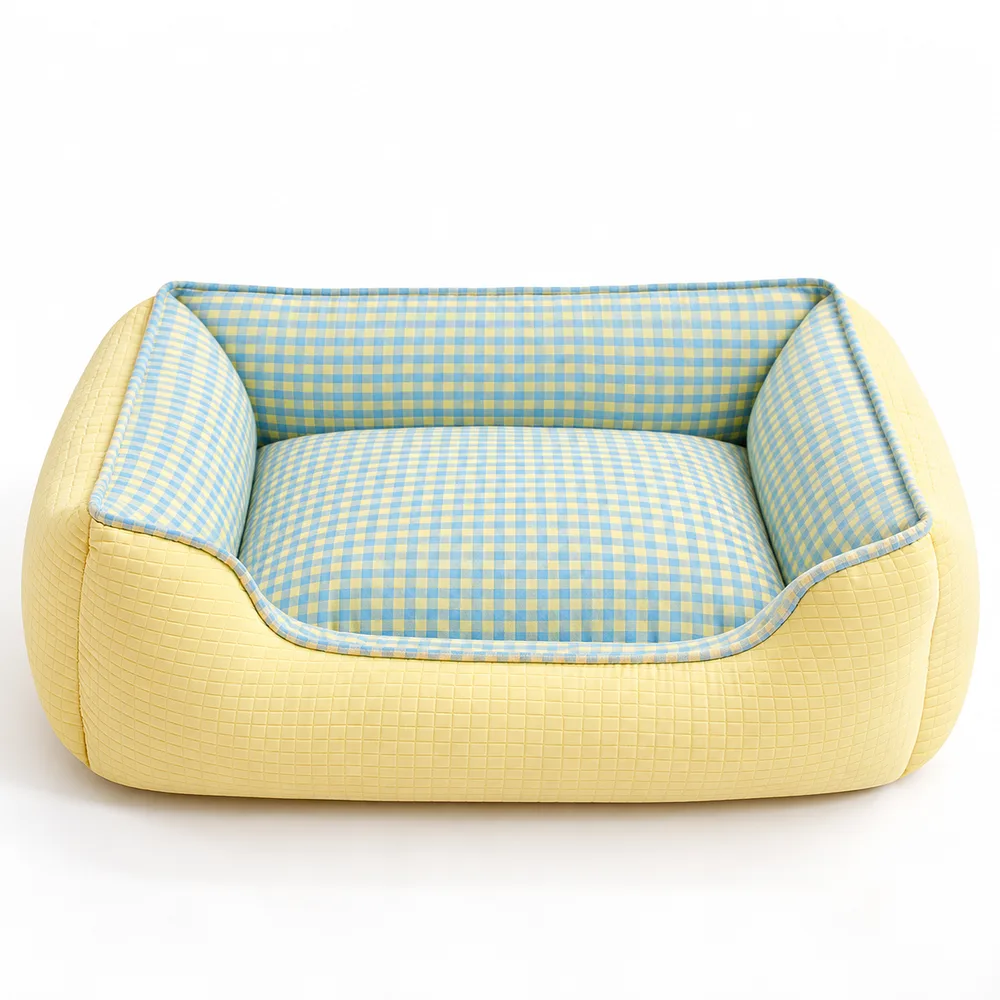
Plaid bolster dog bed
Bolster dog bed; compare usable sleeping area, side height, entry, separate cushion and cover construction.
Source dog beds for wholesale and private-label collections. Compare usable sleeping space, bed construction, covers, filling, cleaning and packed size before confirming colours, branding or packaging.
Explore 12 dog-bed references: raised-side sofa beds, round and oval beds, an elevated mesh cot, a covered cave bed and a shaped design. Choose the closest photo and share its Ref. ID. We can then discuss sizes, fabric, filling, removable parts, branding and packaging for that style.
Bolster dog bed; compare usable sleeping area, side height, entry, separate cushion and cover construction.
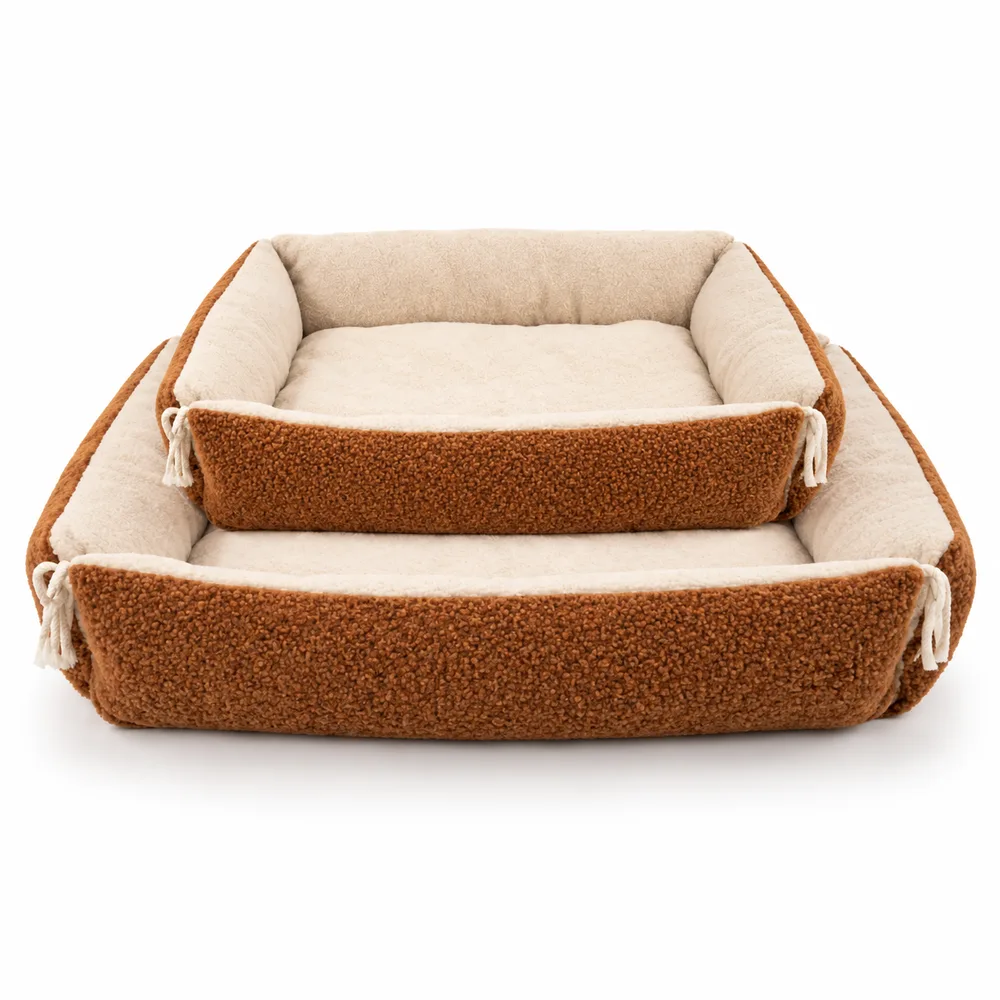
Rectangular raised-side format; compare inner space, cushion, side construction, cover and size range.
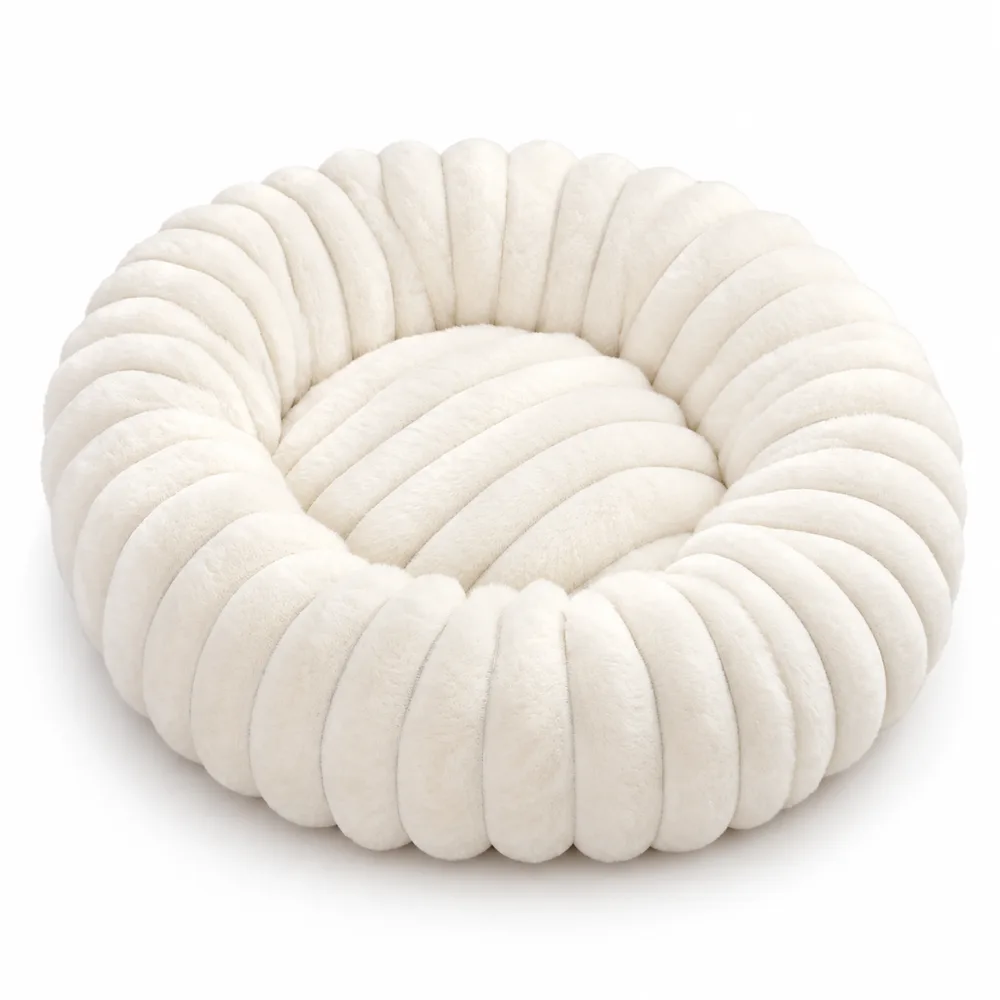
Round dog bed; compare usable centre, outer diameter, rim depth, fill distribution and cleaning.
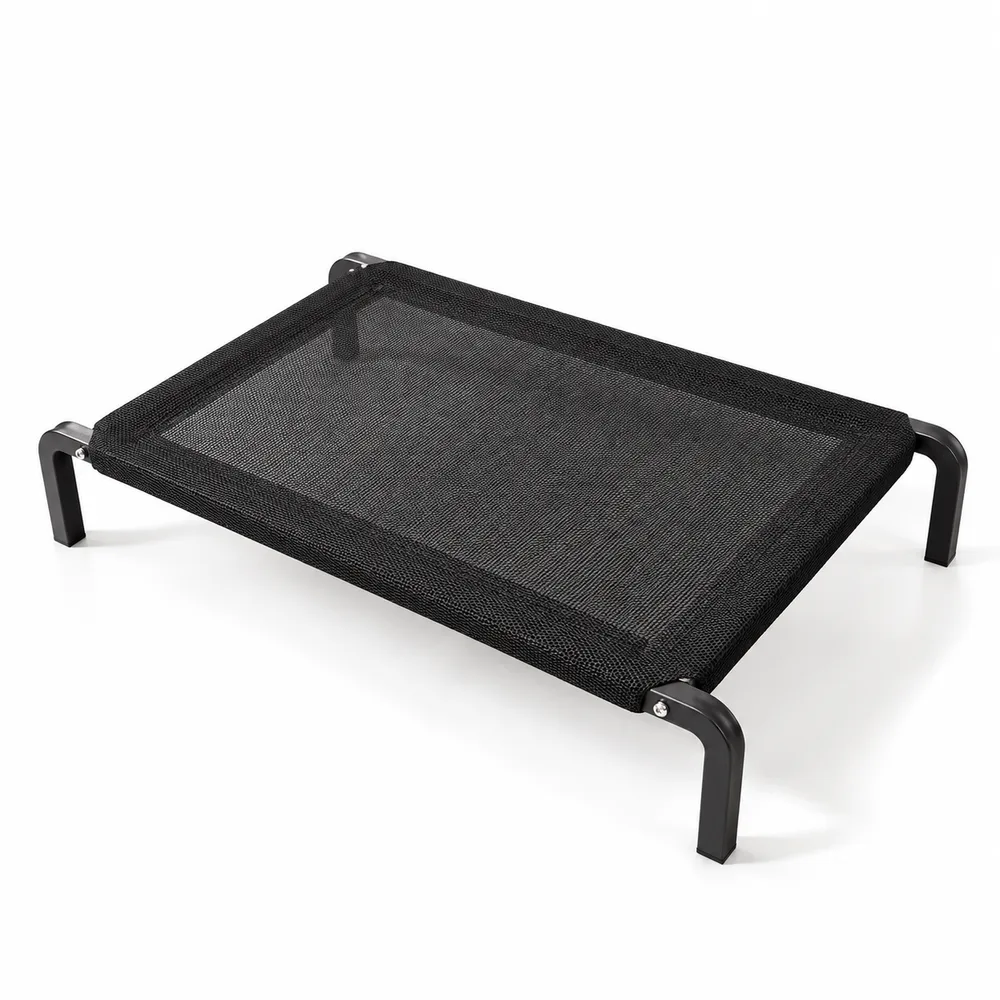
Elevated dog bed; compare usable surface, frame dimensions, joints, mesh or fabric and assembly.
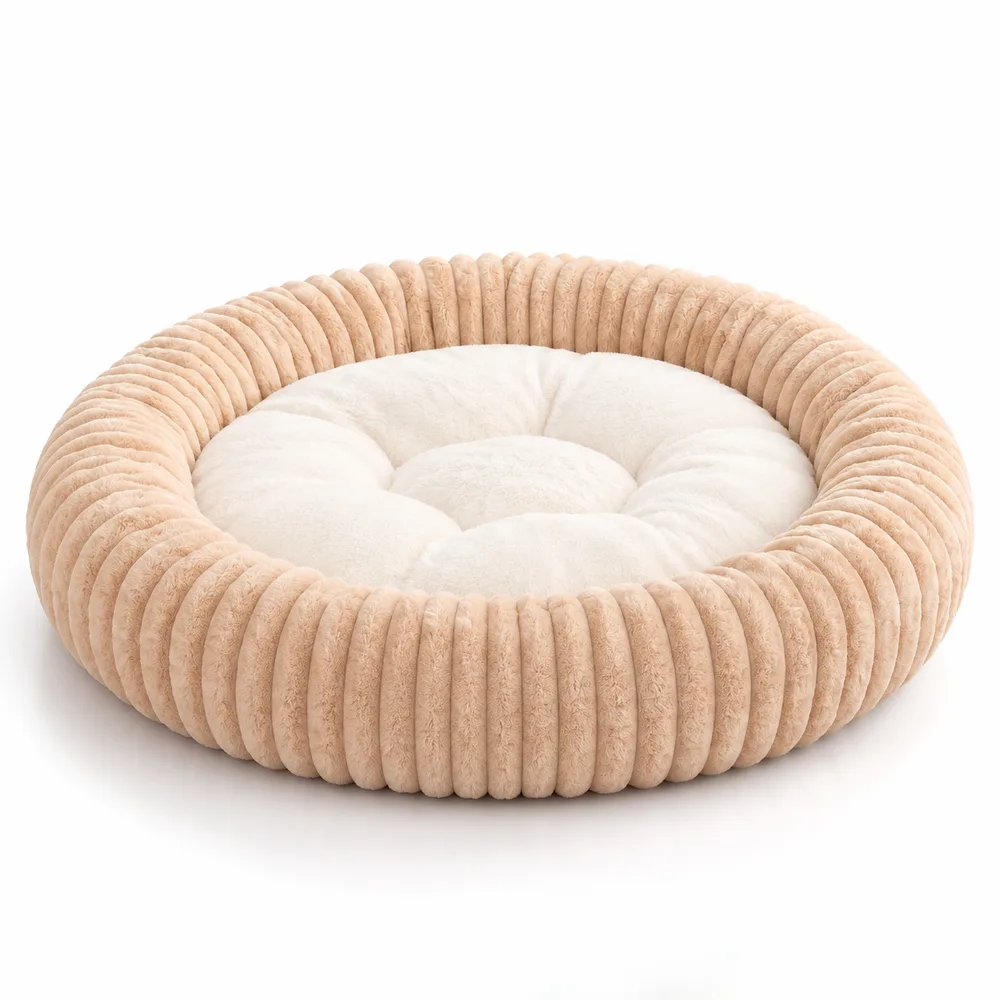
Tufted round format; compare centre space, outer diameter, surface construction, filling and care.
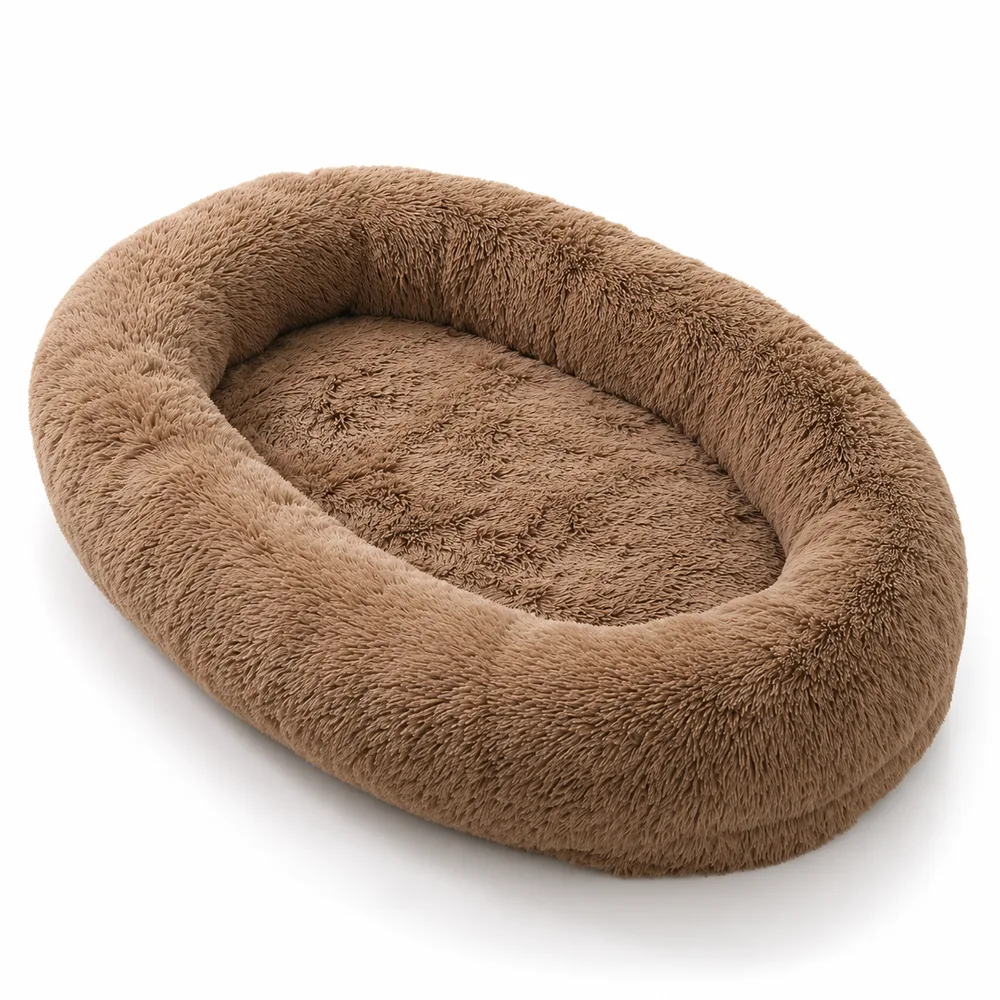
Oval plush bed; compare inner length and width, raised edge, entry, fill, cover and cleaning.
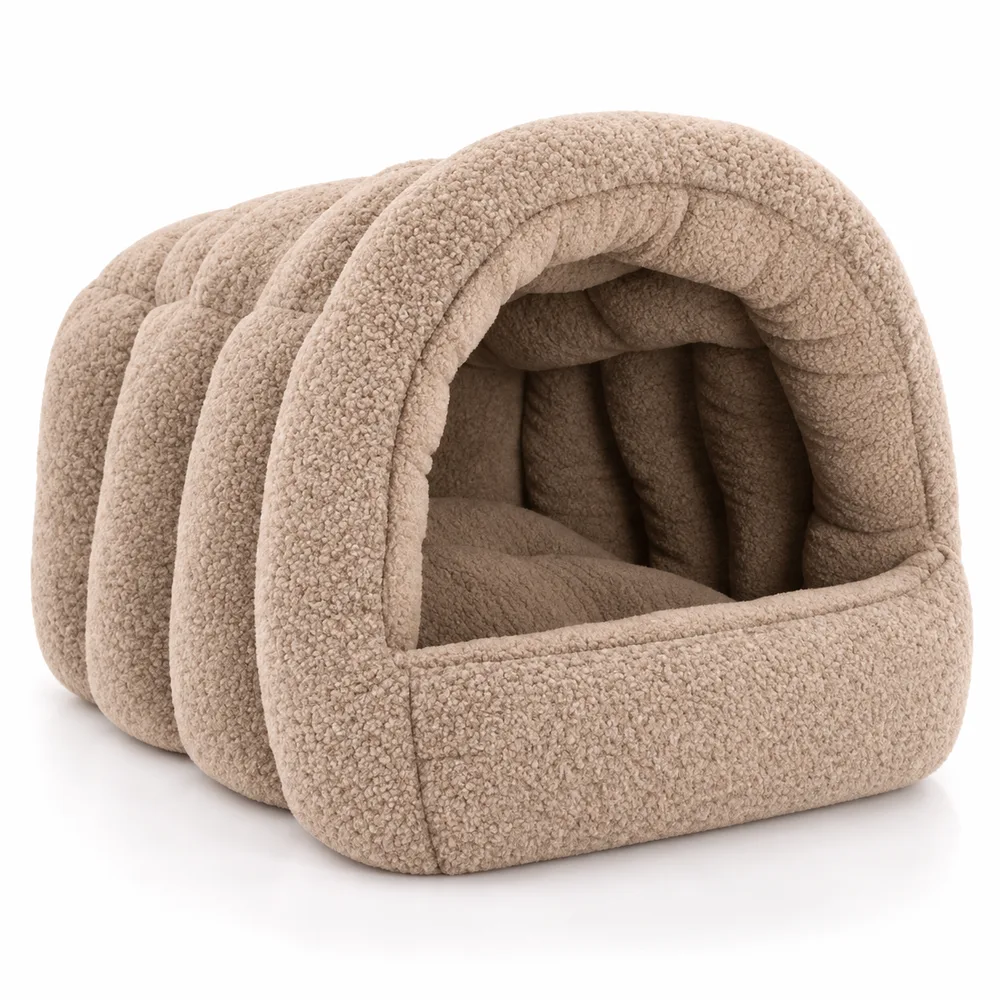
Covered dog bed; compare entrance, usable interior, shape support, cushion, removable parts and care.
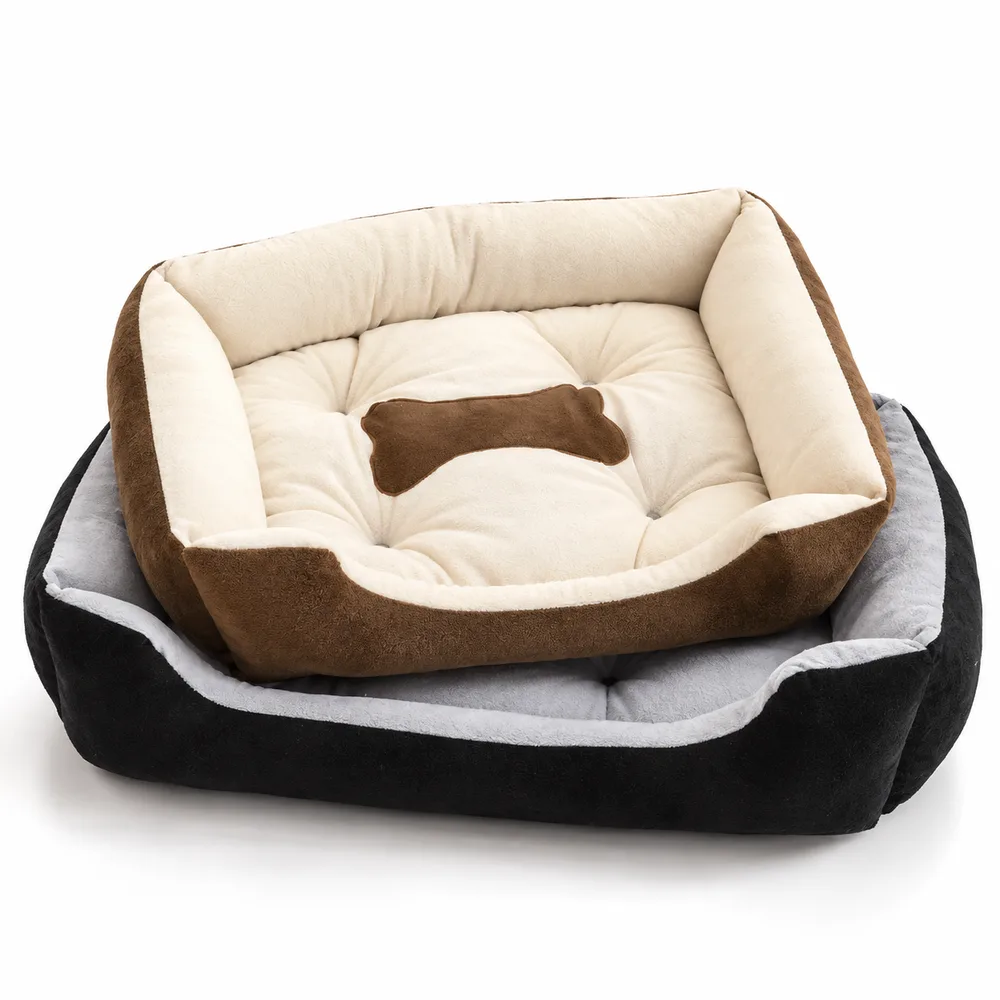
Raised rectangular format; compare inner space, side height, surface direction, cushion and removable parts.

Shaped dog bed; compare usable interior, opening, support, filling and how the form recovers after packing.
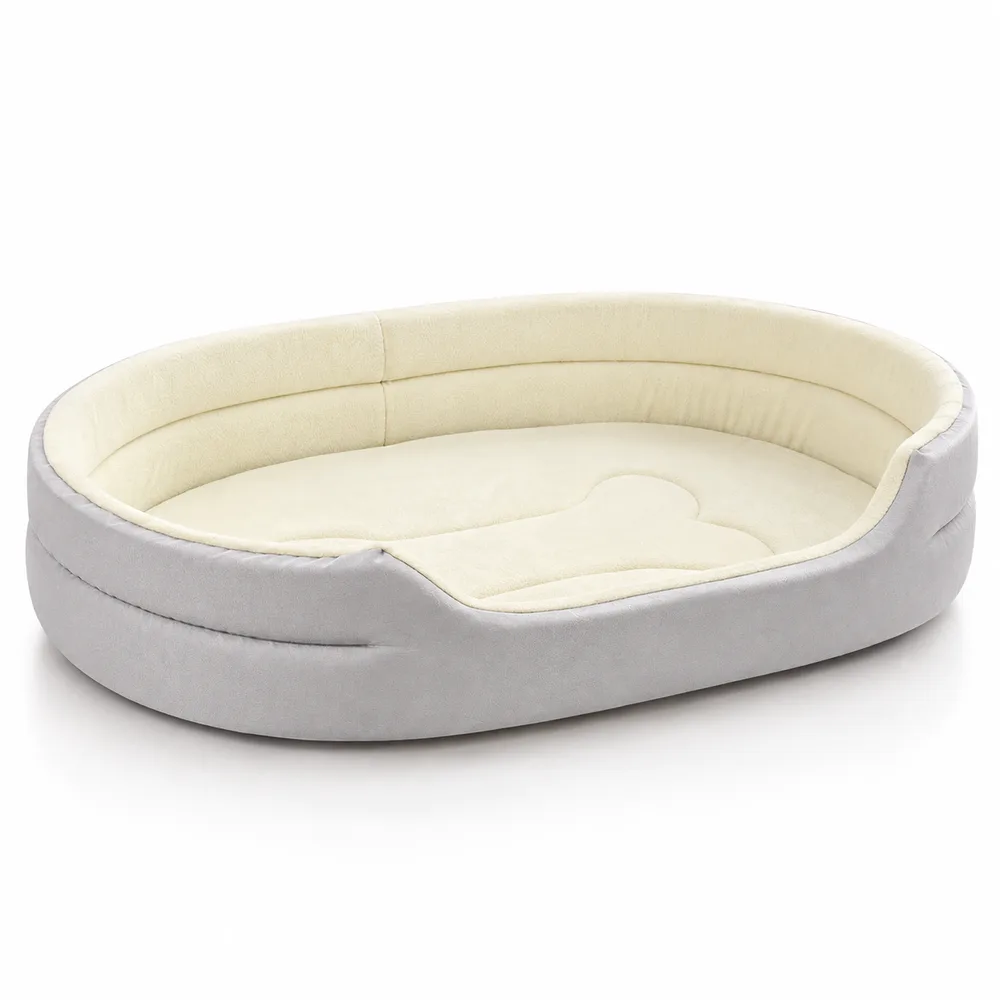
Oval dog bed; compare usable sleeping area, edge height, entry, filling, underside and care.
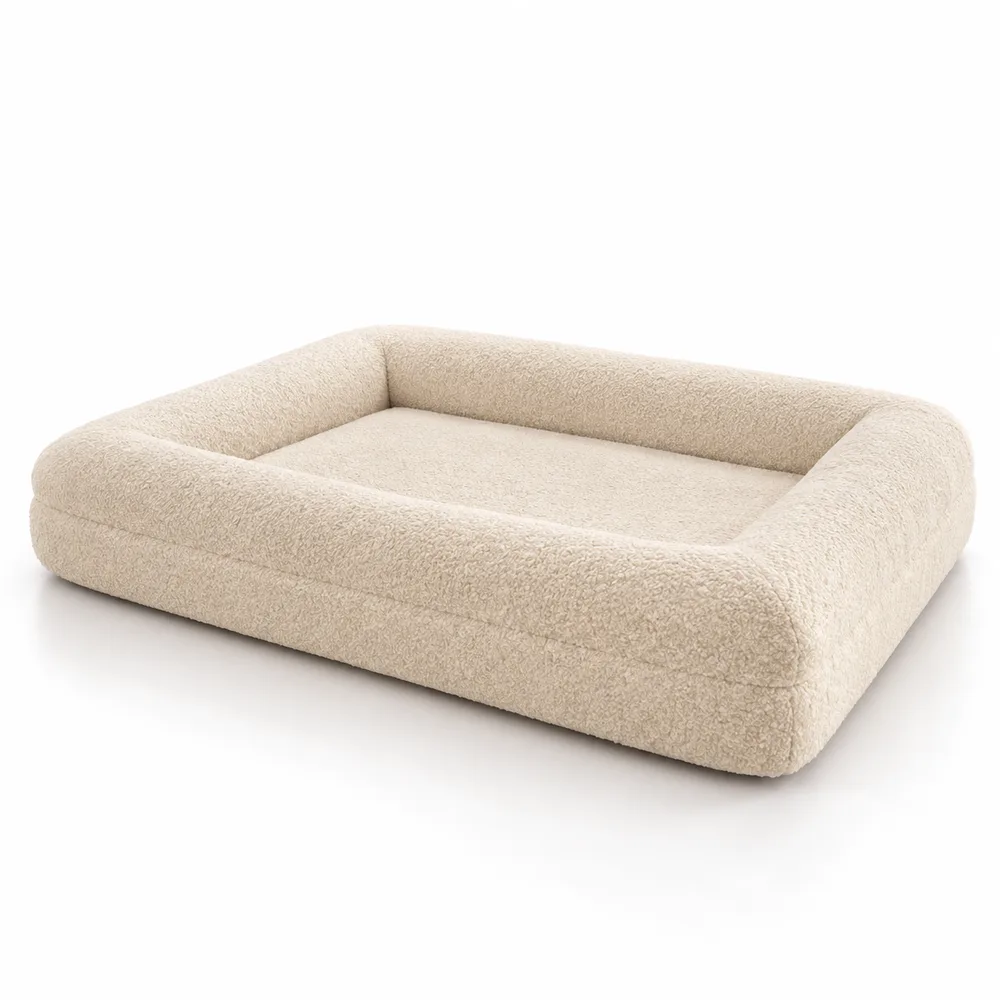
Bolster dog bed; compare inner and outer dimensions, entry height, cushion, filling and cover access.
Patterned dog bed; compare usable space, side construction, filling, cover, underside and size options.
These 12 references show part of the PETMERO dog bed range. If you need another sleeping format, size direction or construction, send a Ref. ID, image or product link.
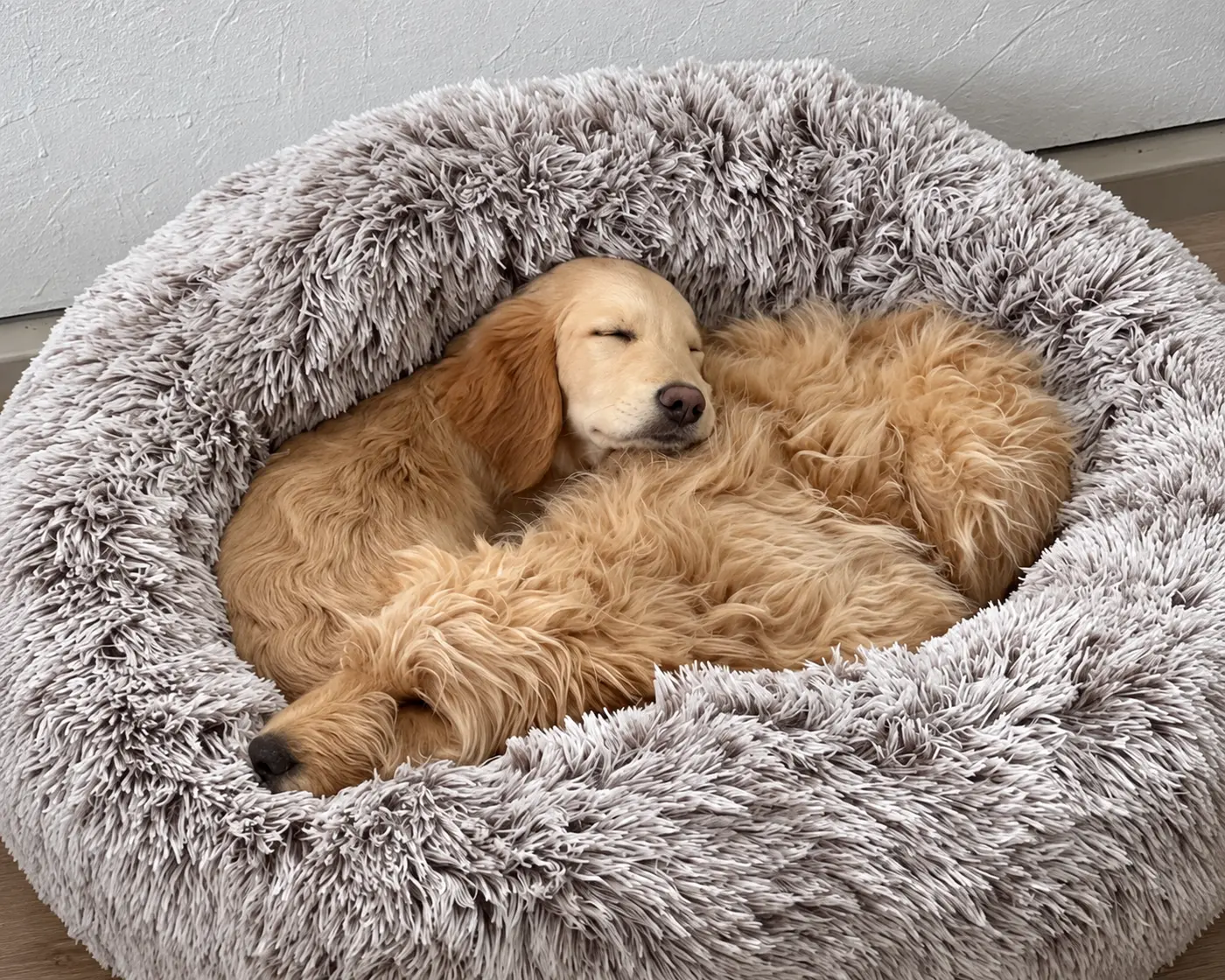
Buyers may ask for a dog sofa, round dog nest, raised dog cot or cave bed. These names describe different shapes and constructions. Use the examples below to find the right style, then check dimensions and materials in the next section. For flat crate liners and blankets, see Pet Mats & Blankets.
Sofa-style beds, sometimes called dog couches, have raised sides around the resting area. Start with DB-01, DB-02 or DB-11 and check the space inside the bolsters.
See DB-03, DB-05, DB-06 and DB-10 for round or oval styles. A donut dog bed has a raised ring around the centre; a flat round cushion is a different design.
DB-04 is an elevated mesh dog bed, also called a raised dog cot. Its frame and suspended sleeping surface are different from a padded floor bed.
DB-07 is a soft cave-style dog bed with a covered resting area and an entrance. This indoor fabric bed differs from a rigid outdoor dog house or kennel.
Compare usable sleeping space, support construction and care together. The same outside size can give a different amount of room inside.
Compare the inner resting area with the full outside footprint and the lowest entry point.
Compare the usable centre with the outside diameter or oval footprint rather than using the outer size alone.
Compare the suspended sleeping surface and the complete frame as one construction.
Compare the entrance, usable interior and the structure that keeps the covered form open.
Use the actual inner area and planned dog dimensions rather than the outside bed size or a size name alone.
Confirm the cover, fill or support, base and cleaning method on the complete approved bed.
Check recovery after packing and keep covers, inserts and care instructions matched to each approved size.
Confirm the actual composition, pile or weave, lining and surface finish for the selected dog bed.
Check the finished sample and approved care method before using washable, water-resistant, durable or similar wording.
These are different constructions and can change thickness, shape, feel and packing.
Confirm the actual fill, insert or suspended surface and keep any orthopedic or support claim tied to evidence for the exact version.
The underside, grip treatment, elevated-bed frame, joints or inserts can have different materials and functions from the upper sleeping surface.
Review the complete base or frame, assembly and any model-specific performance information on the approved sample.
Covers, cushions, liners and inserts may use separate closures and care methods.
Record what removes, how it is refitted and how spare covers or parts are identified for each size.
Record the flat area the dog can actually use. Keep inner sleeping dimensions separate from the overall length, width or diameter.
Use the planned dog body dimensions and sleeping position together with the usable area. A label such as Small, Large or XL is not a complete size specification.
For warm-weather ranges, compare lighter or more open constructions, breathable surface choices and elevated formats where relevant. For cold-weather ranges, compare covered, plush or more insulated constructions. Keep cooling, self-warming or thermal claims tied to the actual material or tested product rather than the season name alone.
Confirm whether the bed uses fibre, foam, a suspended surface or another construction, together with finished thickness and any removable insert.
Confirm the outer surface, seams, zip access, liner and base or underside separately. Do not infer waterproof, non-slip or durability performance from appearance alone.
Identify which parts are removable, which parts can be washed, the approved cleaning method and how the bed should be dried or reassembled.
For compressed, folded or flat-packed beds, record the packed configuration and check how the approved sample returns to its intended dimensions and shape after unpacking.
Begin with the intended sleeping space, bed core and cleaning expectations. Changing a cover colour is a different development task from altering the cushion or fill structure.
Select the bed profile, resting-area size and fill or cover construction before requesting a quote. Check the approved sample and packing volume for that design.
For a dog bed, discuss woven labels, cover decoration and care information with the proposed fabric and filling. Approve the position and retail pack for the exact bed sample.
For a redesigned dog bed, identify changes to resting-area dimensions, cushion core, filling and removable covers. Review these separately from a fabric color or label change. See our customization process for how a selected reference is developed and sampled.
Coordinate the approved cover fabric, colour, piping or trim after the bed construction and care method are confirmed.
Define usable sleeping dimensions, outside dimensions, bolster or entry height and finished thickness together so a size change does not unintentionally reduce the space inside.
Discuss the fill or insert, separate cushion, liner and removable-cover configuration as part of the complete approved bed rather than as isolated material choices.
Choose logo or label placement, care information and the packed configuration for the selected bed. Keep any compression or recovery instructions tied to the exact construction.
For dog beds, share the sleeping area and finished dimensions, cushion or fill construction, cover design, care requirements and preferred packing method. A reference style is useful, but materials and washing claims must be agreed for the selected model.
“I would like to source DB-04 elevated dog beds for my brand. Could we review size options, sampling and private-label packaging?” Share your preferred Ref. ID, quantity and destination when available so we can discuss the right specification and quotation.
Compare dog bed prices using the same finished and usable dimensions, fill construction, cover materials, packing method and delivery terms.
For each dog bed, check sleeping-area dimensions, fill distribution, seams, removable components and the proposed packing method against the approved sample.
Measure both usable sleeping space and outside dimensions, then check seams, zips, liners, base or frame parts and the finished fill or support against the agreed specification.
Carry out the agreed cleaning, cover-removal and unpacking checks on the complete sample. Record any change in shape, dimensions, surface appearance or reassembly before approving care instructions.
Approve the final size range, materials, removable parts, labels and packed configuration, including any model-specific wording such as washable, waterproof, orthopaedic or calming only when it is supported.
For compressed or folded dog beds, check the finished sample after unpacking and follow the agreed recovery method before approving the retail pack.
Identify covers, cushions, liners and inserts by the approved bed size and version so replacements and repeat orders remain compatible.
State exactly which part can be washed, removed or dried by each method rather than applying one care instruction to the whole dog bed range.
Answers about dog bed size, cushion construction, washable components, artwork placement and packing volume.
Start with the dog's body dimensions and sleeping position, then match them to the usable sleeping area rather than the outside bed size alone. Keep the inner area, overall dimensions and entry or bolster height separate in the size specification.
Check usable length and width, finished thickness or support construction, entry height where relevant and the exact fill or insert specification. A larger outside footprint or thicker-looking cushion does not by itself establish support performance.
No. A removable or washable cover does not mean the insert, filling, liner or complete bed can use the same cleaning method. Confirm care for each part of the selected construction.
Do not use the term only because a bed contains foam or looks thick. Confirm the actual insert or support construction and the evidence behind any orthopedic or health-related wording you intend to use.
The round shape, raised rim or soft surface describes the construction, not a guaranteed behavioural effect. Use calming wording only when you have appropriate support for the exact product and claim.
Compare the usable sleeping surface, frame dimensions, joints or legs, suspended fabric or mesh, assembly method and any model-specific load information. Treat it as a different construction from a padded floor bed.
Yes, where the selected construction supports them. Match the cover to the approved bed dimensions, insert, zip position and version so replacement covers fit the intended product.
That depends on the filling and structure. Review packed dimensions and the approved sample after unpacking, and confirm any recovery steps before finalising the pack.
A Ref. ID, image or product link is enough to begin. Add the planned dog-size range, quantity, destination, usable sleeping dimensions, cover, filling, branding or packaging requirements whenever those details are available.