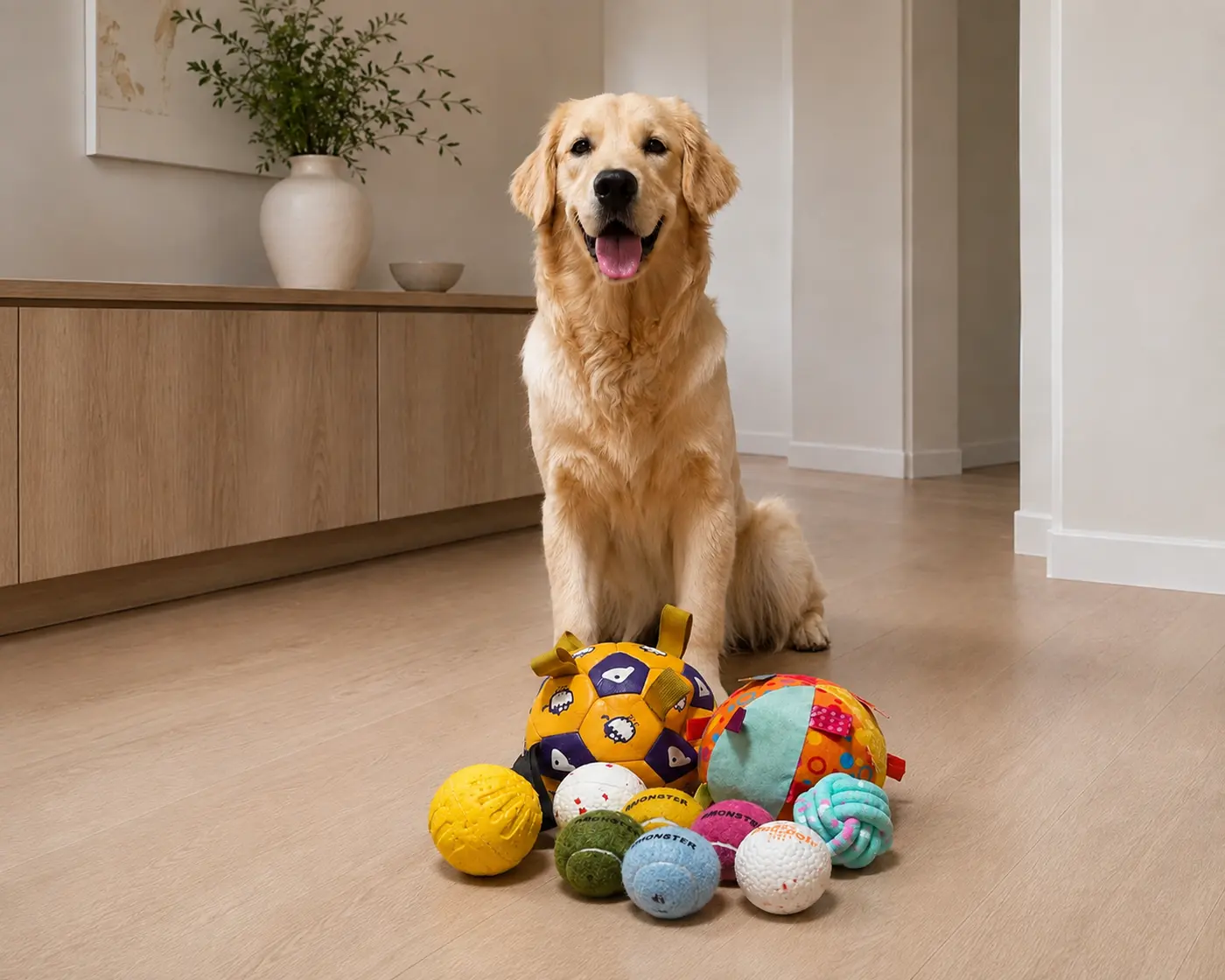
Soft bedding
Beds are three-dimensional soft goods. Compare usable resting area, covers or removable parts, internal construction, care and packed form on the selected design.
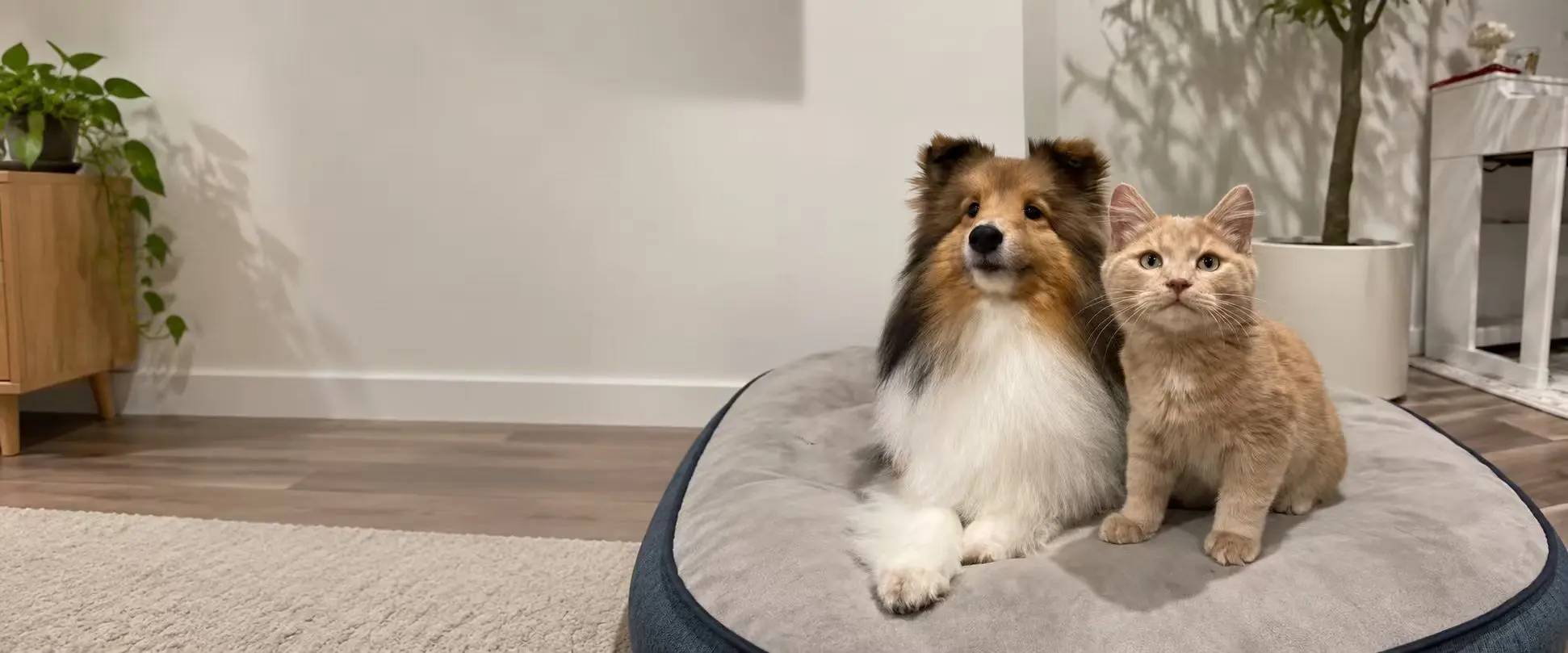
Build a coordinated range of pet beds, mats, blankets, cat trees and scratchers. Explore reference styles and discuss sizes, fabrics and your own branding.
Selected designs to start the conversation. Explore a product type, ask for more styles or share your own idea.
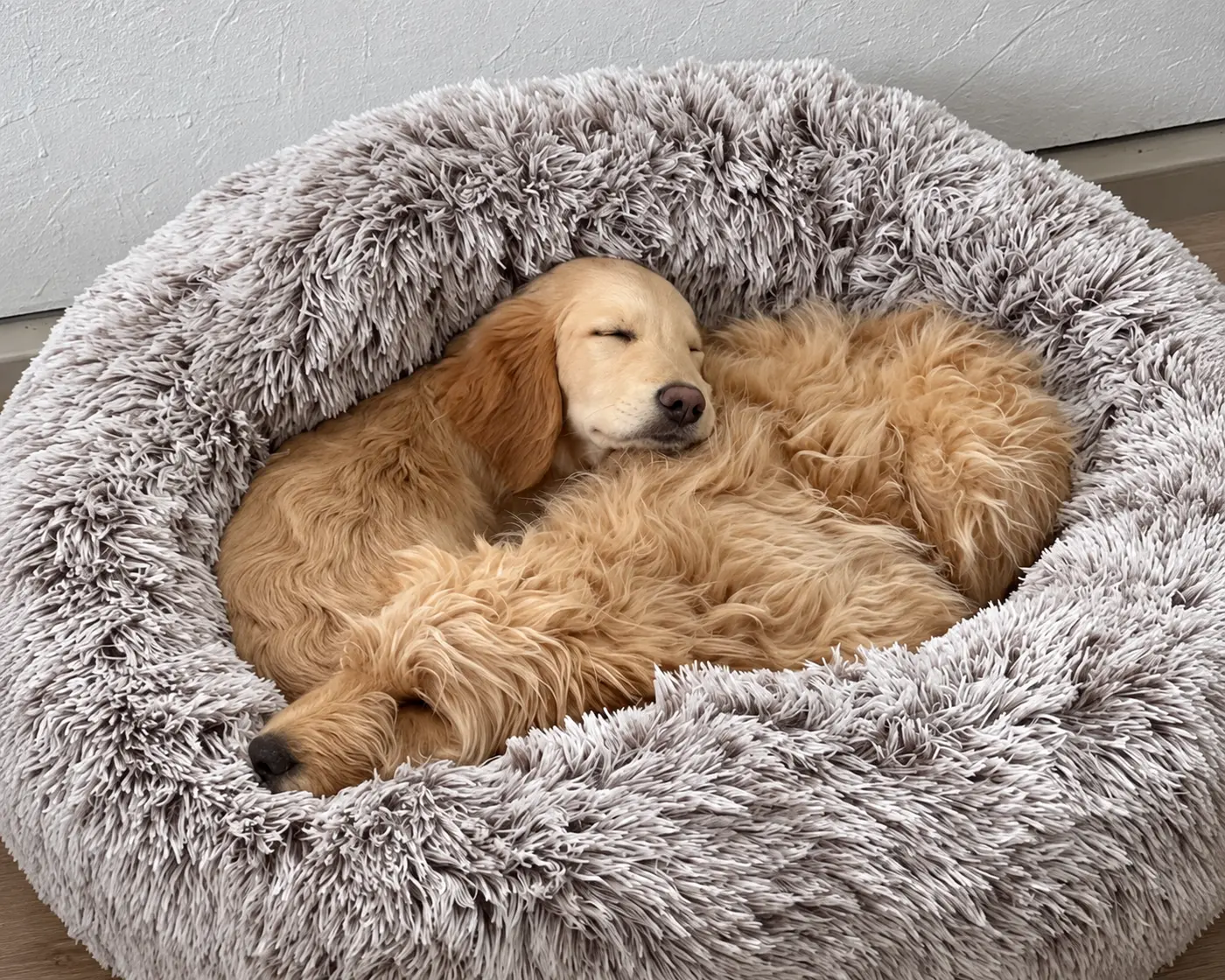
Start with usable sleeping space, not the outside size.
Explore collection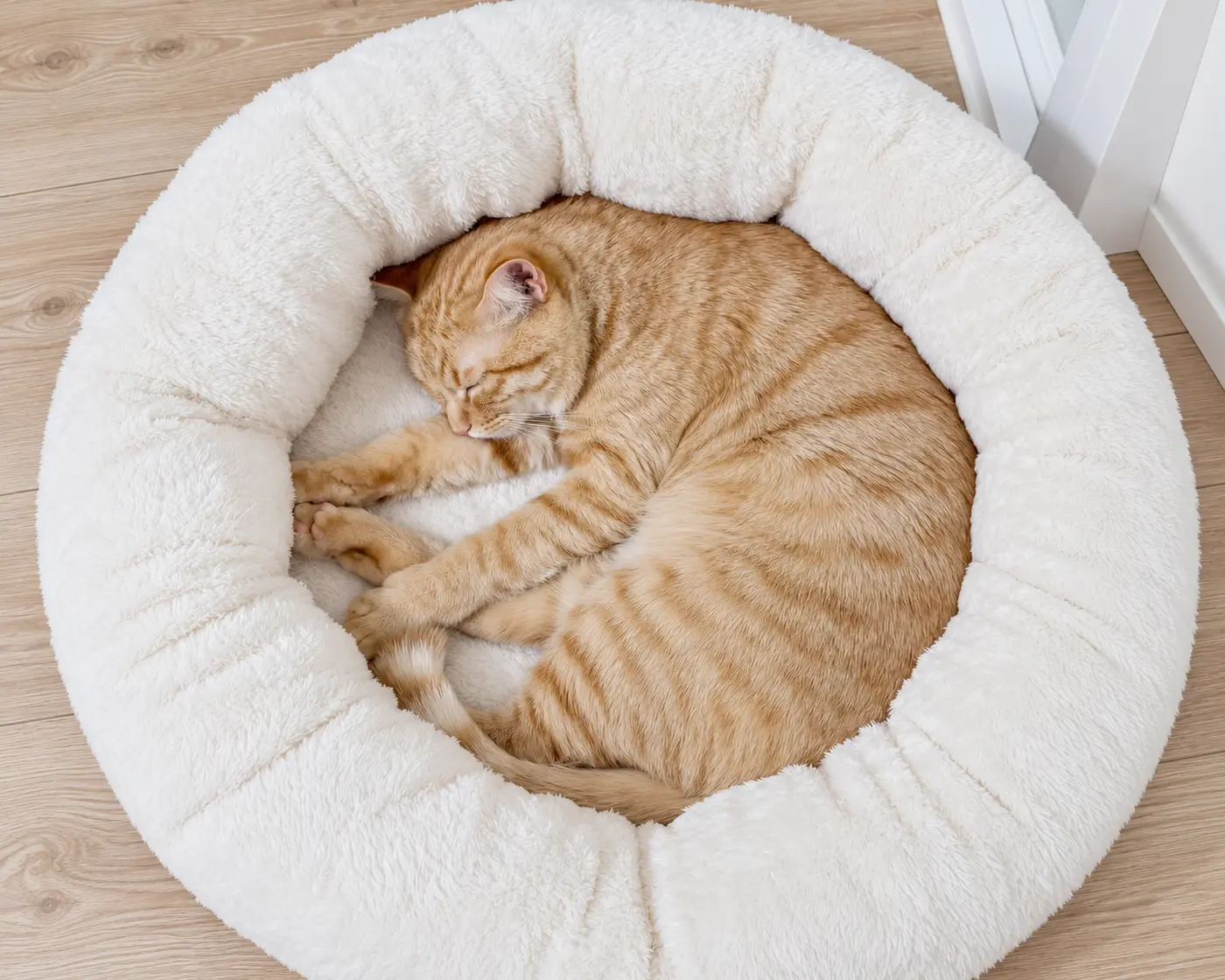
Start with the resting format and usable interior.
Explore collection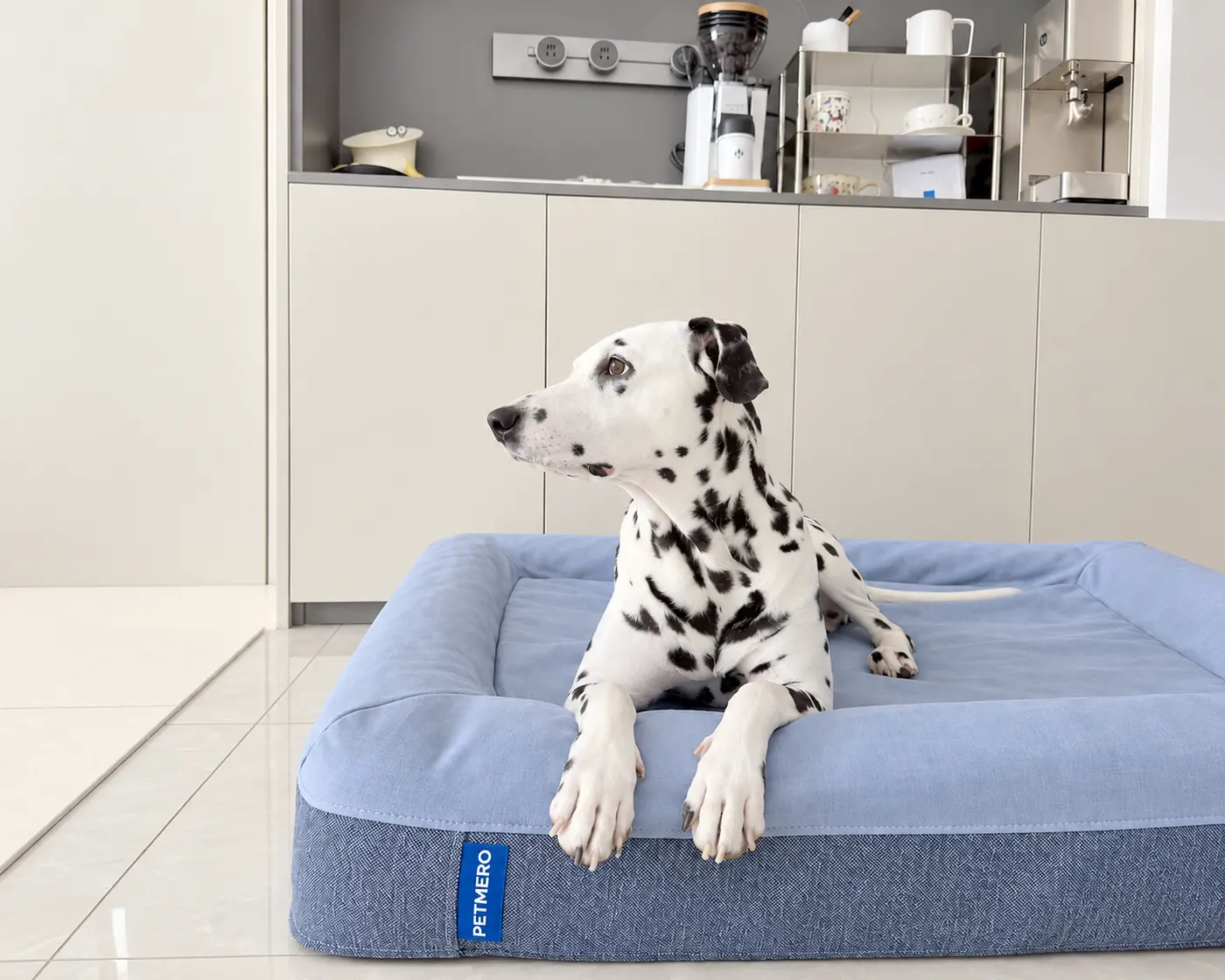
Choose the use, season and construction before the colour.
Explore collection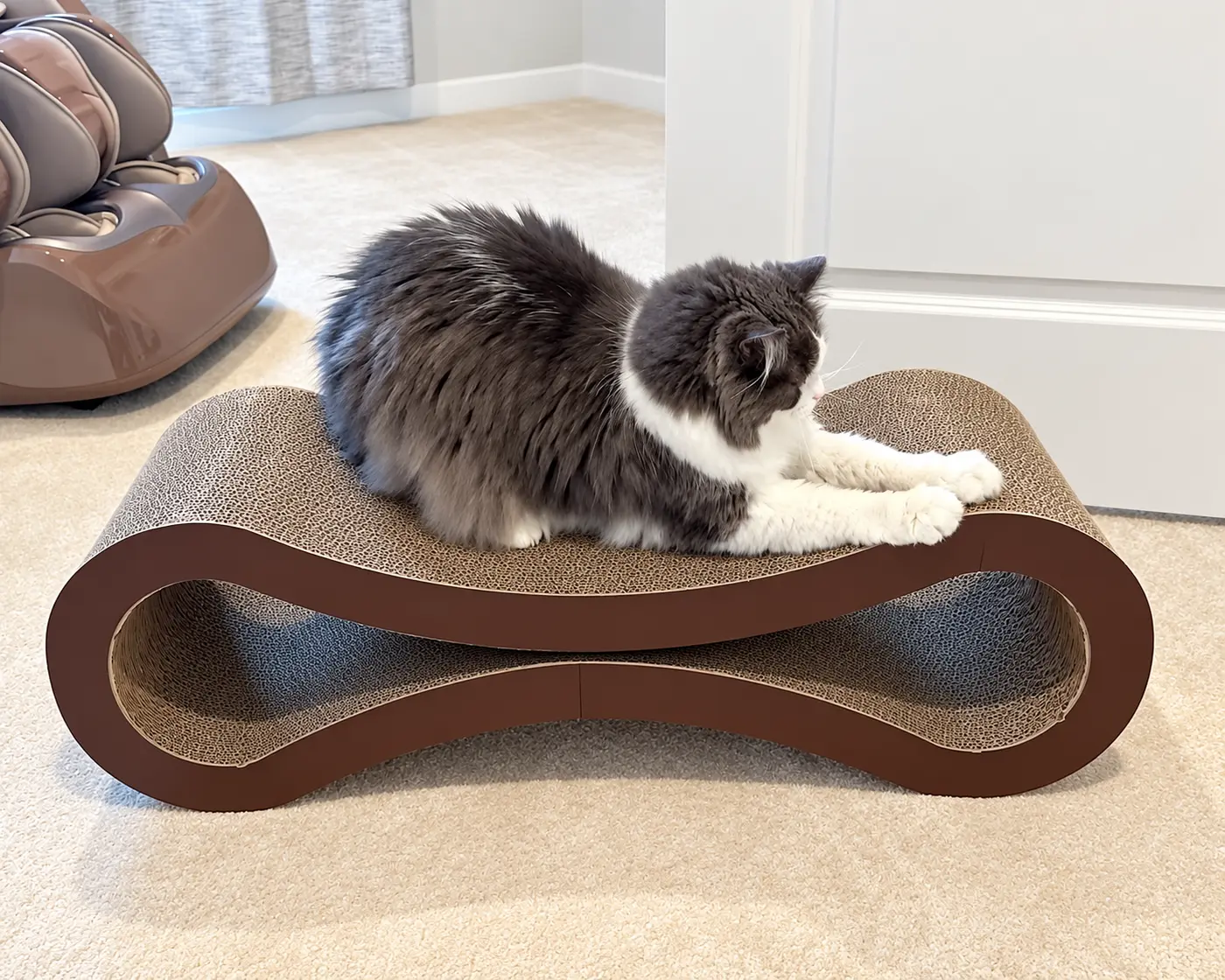
Start with scratching direction, then compare the surface and support.
Explore collection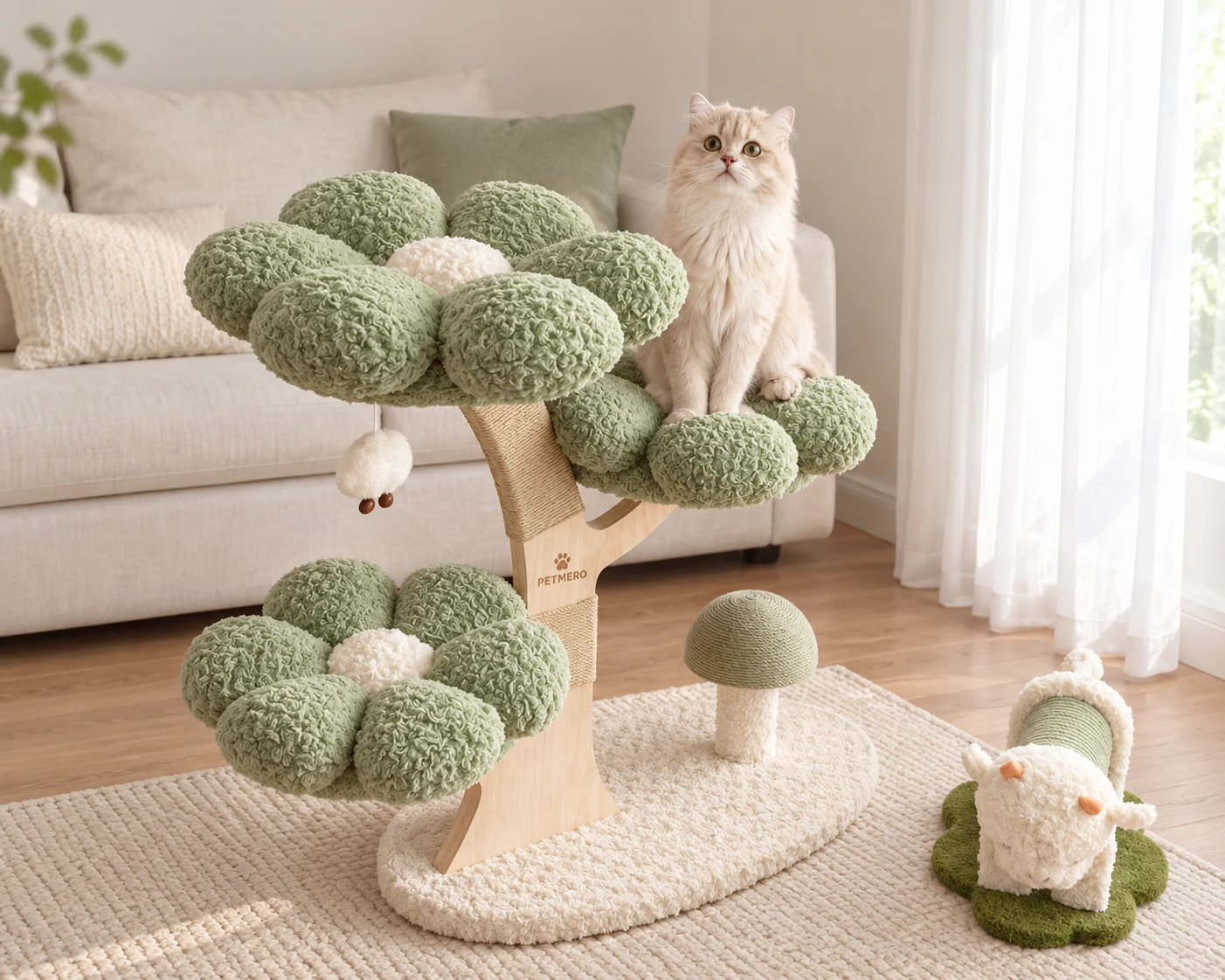
Start with the footprint, cat route and usable resting spaces.
Explore collectionSoft beds, blankets and assembled cat furniture can share a colour palette, but they take up different space in a shop, parcel or warehouse. Choose the product mix with the selling channel and packing method in mind, then develop the sizes and finishes for each item.
Beds are three-dimensional soft goods. Compare usable resting area, covers or removable parts, internal construction, care and packed form on the selected design.
Mats and blankets are defined by finished dimensions, layers, edge construction, underside where relevant, care and pack format. Treat them as their own specification rather than as a smaller version of a bed.
Scratchers and cat trees need their own checks for usable surfaces, footprint, connections, included parts and any assembly or replacement plan that applies.
A low unit price does not tell you the whole shipping or after-sales cost. Compare the packed volume, parts the customer must assemble, and any cover, insert or scratching surface you may want to reorder separately. Availability of replacement parts is agreed for the selected design.
Use resting area for beds, finished dimensions for mats and blankets, and footprint or usable levels for structured products. Keep the measurement method clear for each SKU.
Separate covers, inserts, replaceable surfaces, fasteners and care instructions only where they apply. A shared collection should not inherit one generic care statement.
Confirm the approved packed or carton dimensions, included components and any folding, compression or assembly plan for the selected product rather than assuming one packing method fits the range.
Coordinate colour direction, logo placement, label hierarchy and packaging family across the collection while keeping product-specific labels, instructions and pack structure accurate.
A product can pass on its own and still look inconsistent beside the rest of the collection. Review each selected SKU once for product accuracy, then once more for collection consistency.
Specification matchMatch the agreed dimensions, included parts and construction to the quotation or approved specification.
Use & care detailsCheck removable or replaceable parts, care and assembly information only where they apply to that product.
Packing matchConfirm the approved pack format, included components and retail information against the actual sample.
Visual consistencyCompare colour direction, logo scale and packaging hierarchy under the same viewing conditions.
Choose for each pet activityA bed provides resting space, a blanket adds a flexible layer, and a scratcher provides a scratching surface. Give each item a clear role so the range offers useful choices rather than only colour variations.
Packing contextCompare carton dimensions and pack format across the range, and keep approval records by SKU rather than treating the collection as one specification.
An initial enquiry does not need every technical answer. It needs enough information to identify the product families, the commercial scope and the decisions that still need to be confirmed.
Shortlist the beds, mats and blankets, scratchers or cat trees that belong in the range.
Use a PETMERO reference, your own photo or a sketch, and note what you want to keep or change.
Give estimated quantities by SKU or variant and the delivery country so the commercial discussion starts in the right context.
Share any known size or use context, logo and colour direction, packaging needs and market requirements for the selected items.
A photo can start the discussion. Before ordering, the important questions are which versions are included, how they are packed and how the approved product can be identified again for a repeat order.
Yes. Use the reference to show the product direction and note what you want to keep or change. Final dimensions, materials, construction and packaging still need to be confirmed for each selected SKU.
Confirm the commercial terms for each selected SKU or configuration. The range can be discussed together, but one MOQ or price should not be assumed to apply to every product.
A coordinated visual system can be planned across the range. Logo placement, label size, instructions and the physical packaging format should still be confirmed for each product.
That depends on the selected products and how the order is produced and packed. Include the mix you want in the enquiry so it can be confirmed in the quotation rather than assumed.