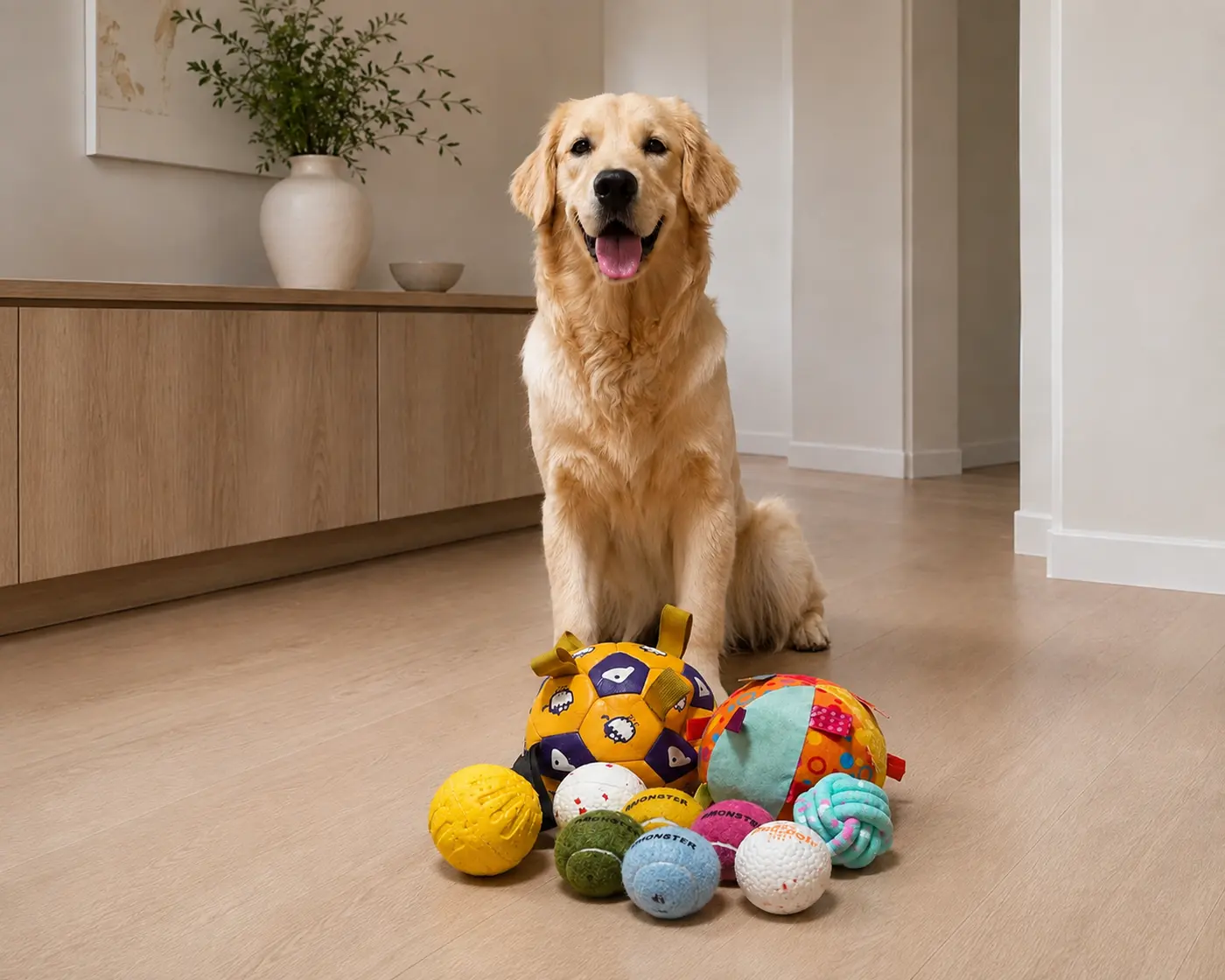
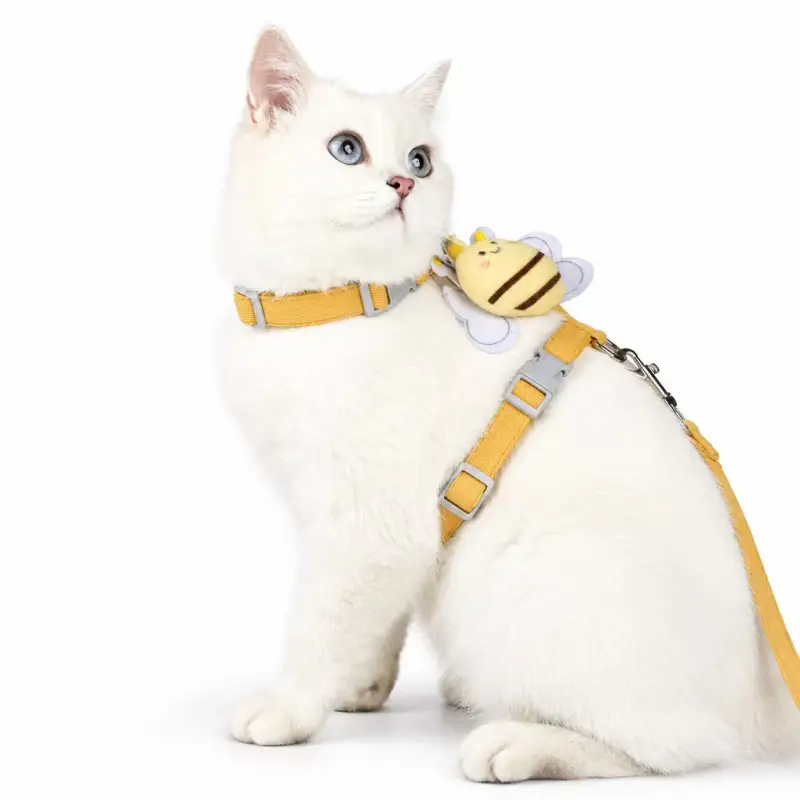
Ref. R23-01
Yellow adjustable cat harness
Compare neck and chest adjustment, back attachment and decorative detail.
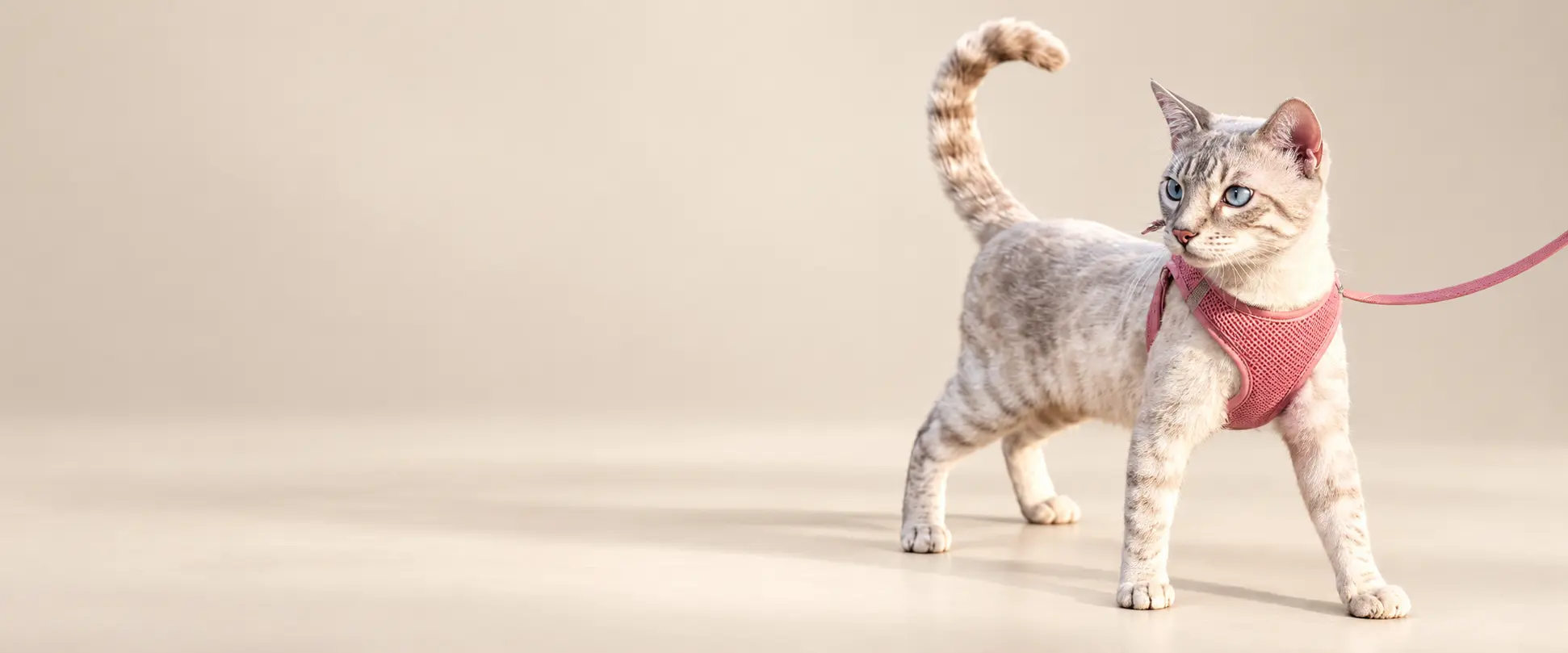
Compare strap-style and vest-style cat harnesses, some pictured with matching leads. Confirm the cat-specific fit, adjustments, closures, attachment hardware and whether a leash is actually included for the selected SKU rather than using a small-dog size chart.
These 12 references show strap-led builds (R23-02, R23-05, R23-08 and R23-10), vest or chest-panel styles (R23-03, R23-04, R23-06, R23-09, R23-11 and R23-12), and different photographed leash combinations. R23-09 displays several colours, which does not establish identical sizing across the pictured items. Select a Ref. ID, compare neck and chest openings, adjusters and lead connection, then confirm the actual SKU and pack contents.
Compare neck and chest adjustment, back attachment and decorative detail.
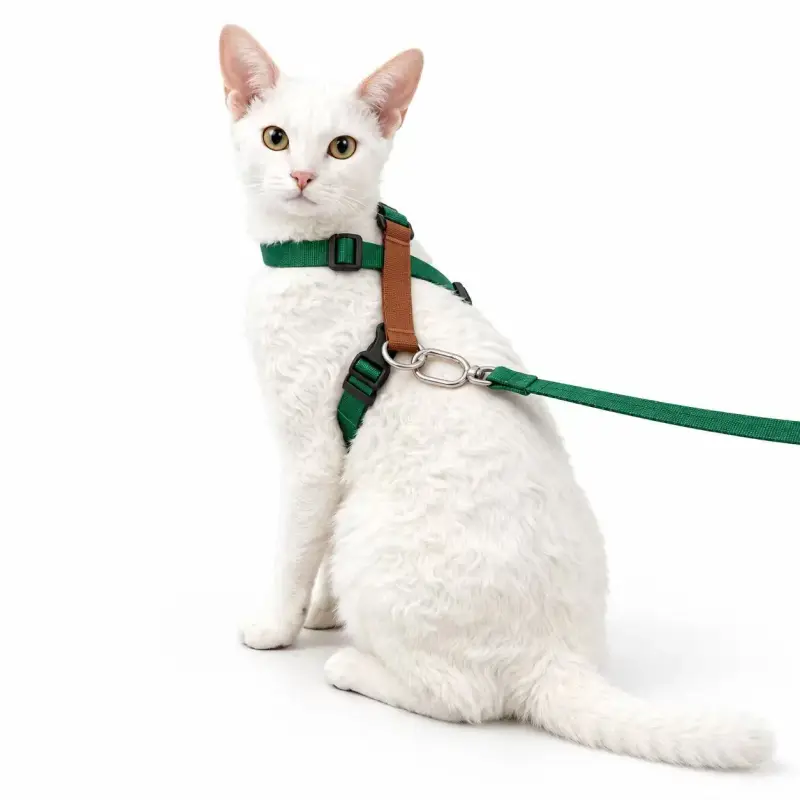
Review strap geometry, adjustment positions and leash connection.
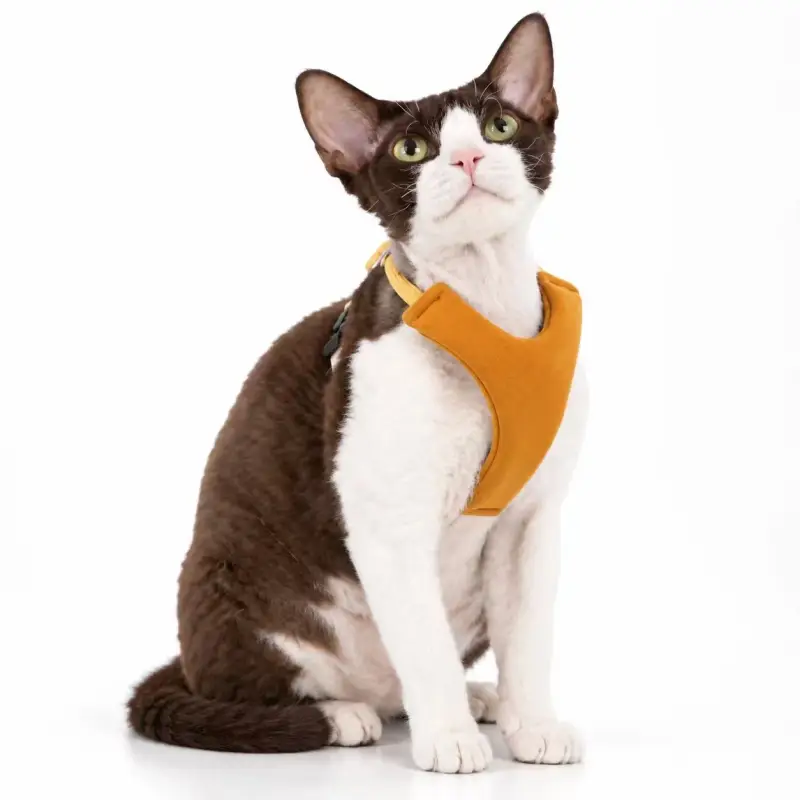
Compare body coverage, neck and chest openings, and back attachment.
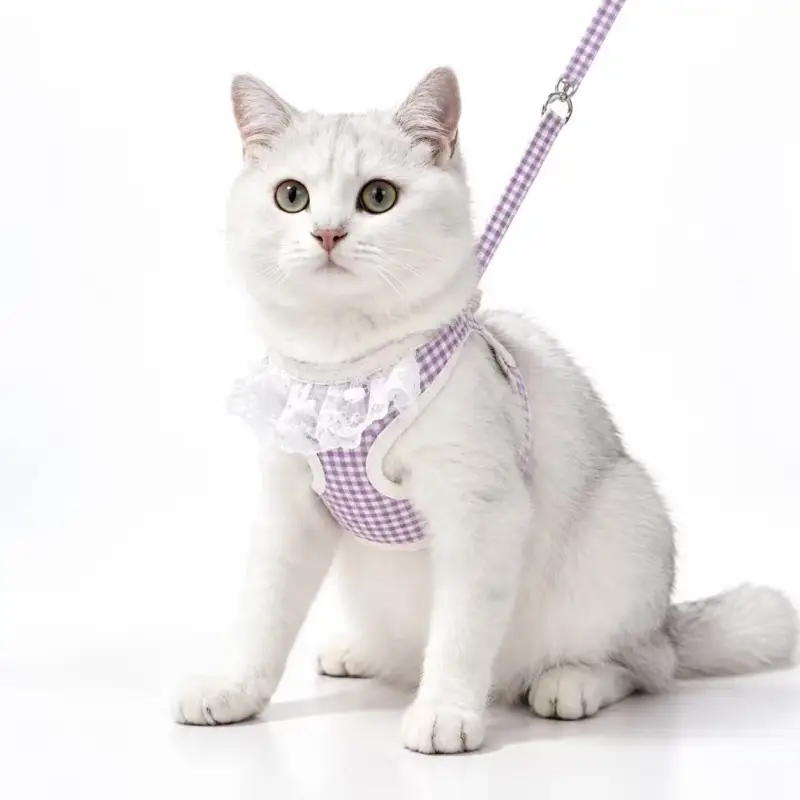
Review vest coverage, closures and the supplied leash configuration.
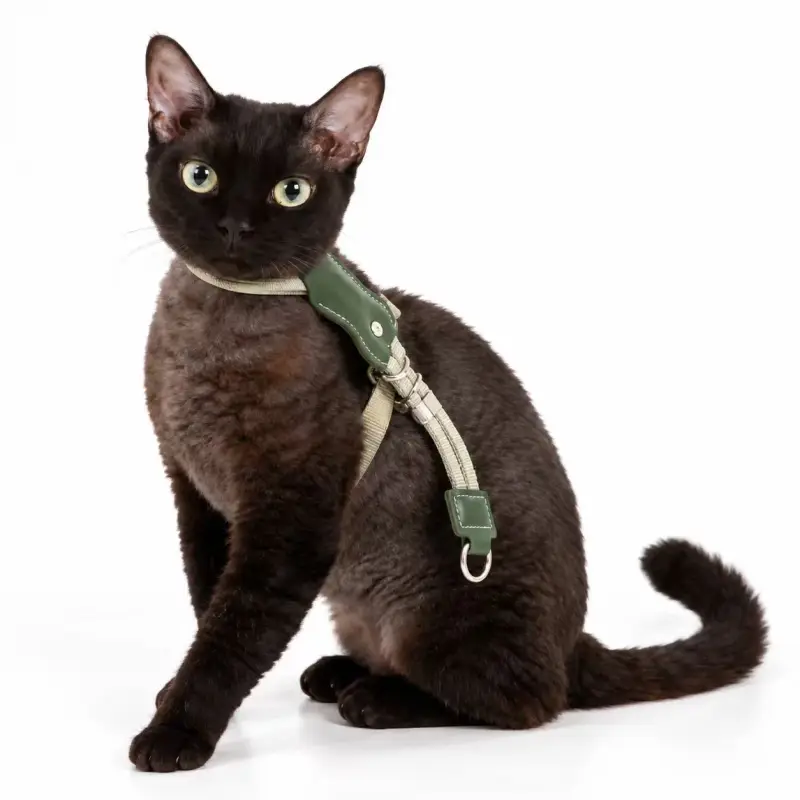
Compare loop position, adjustment range and back attachment.
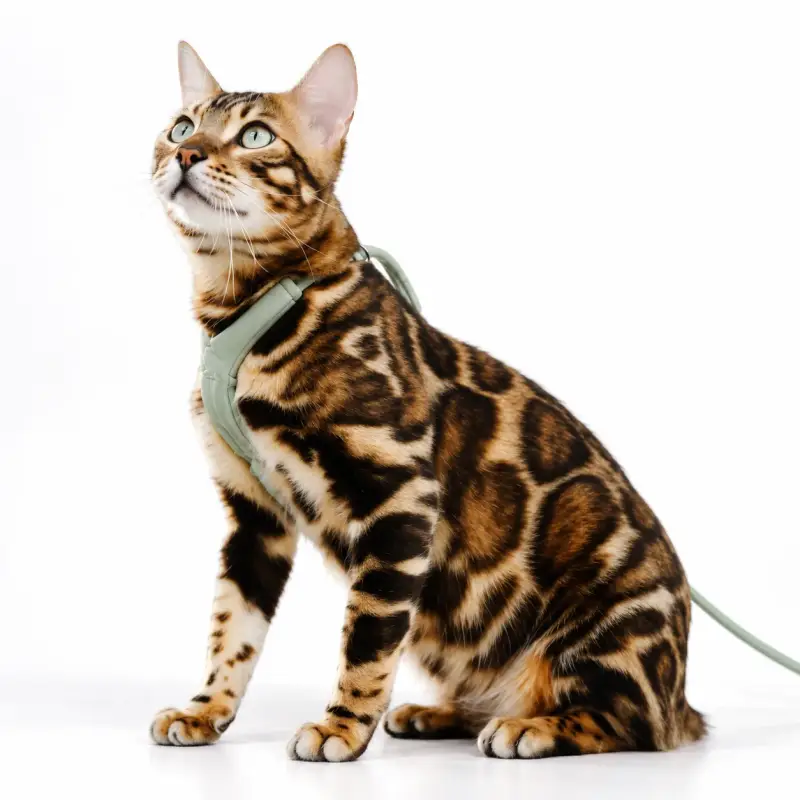
Review chest coverage, openings and finished-harness measurements.
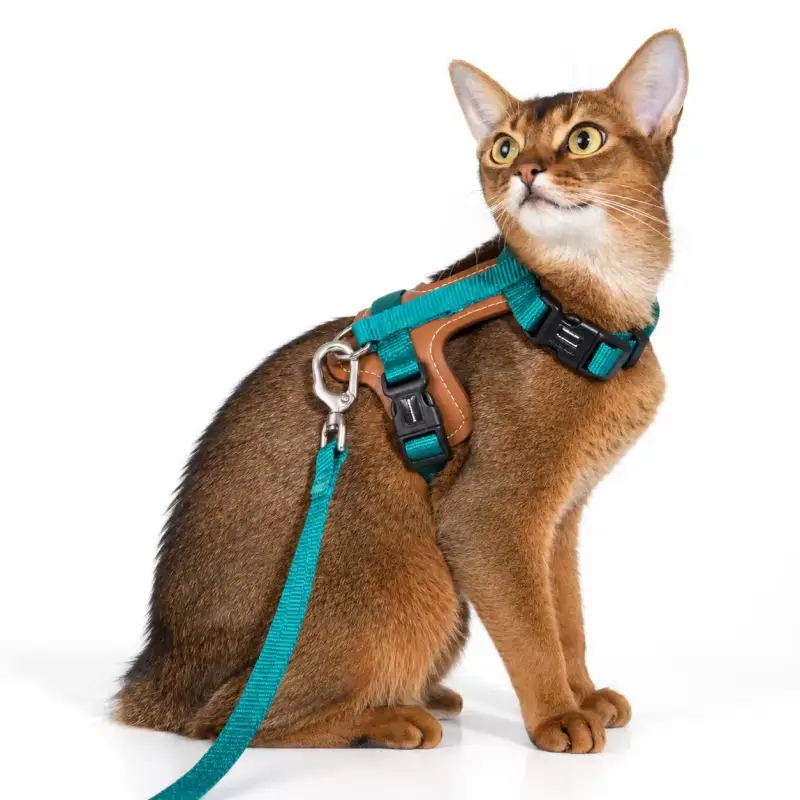
Compare panel coverage, adjusters, back connection and leash setup.
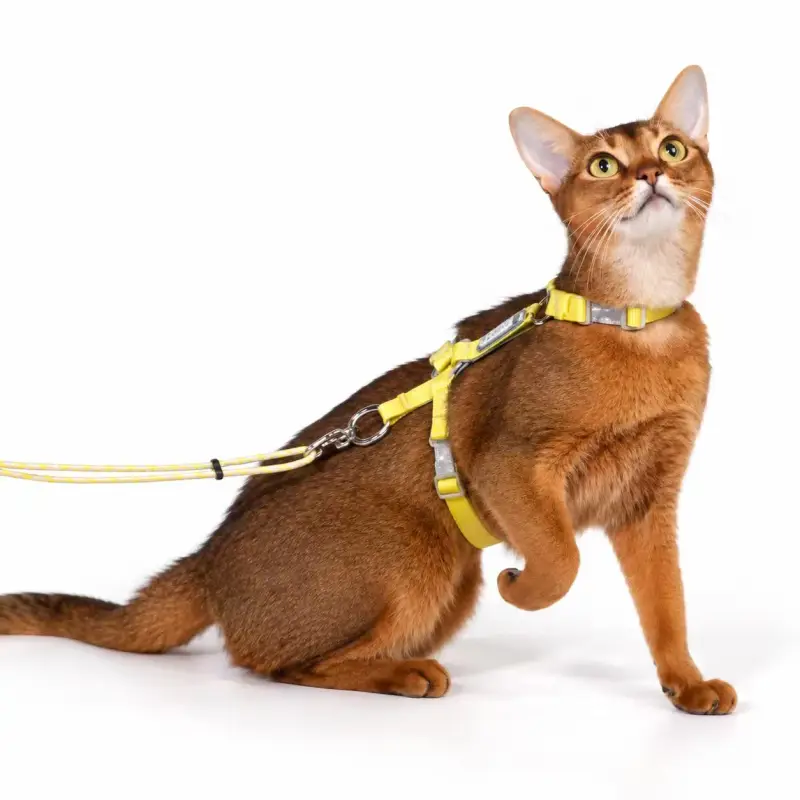
Review H-style strap path, adjustment, sizing and leash connection.
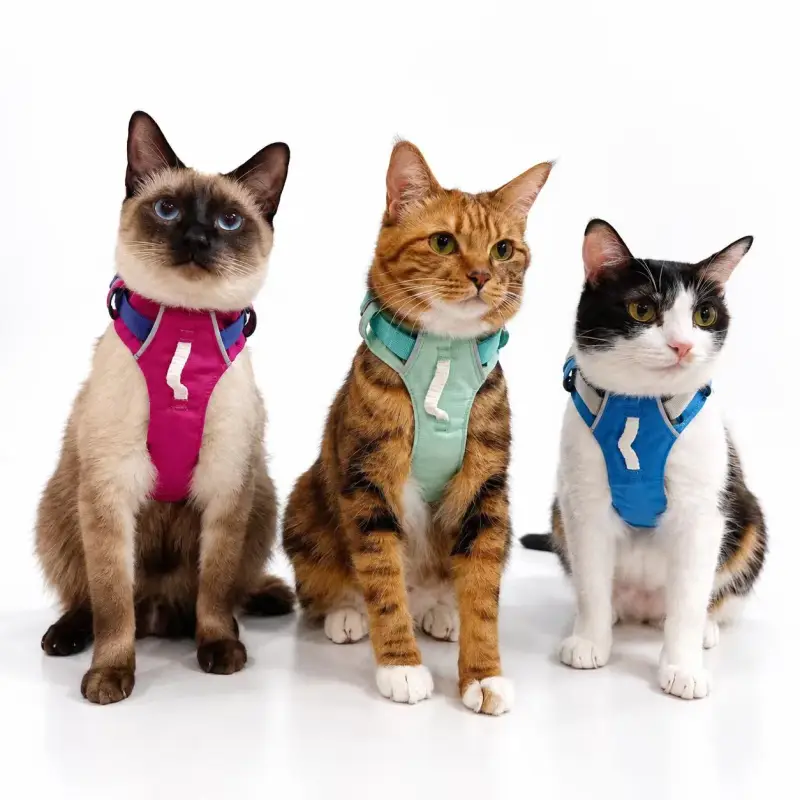
Plan color variants around one approved vest fit specification.
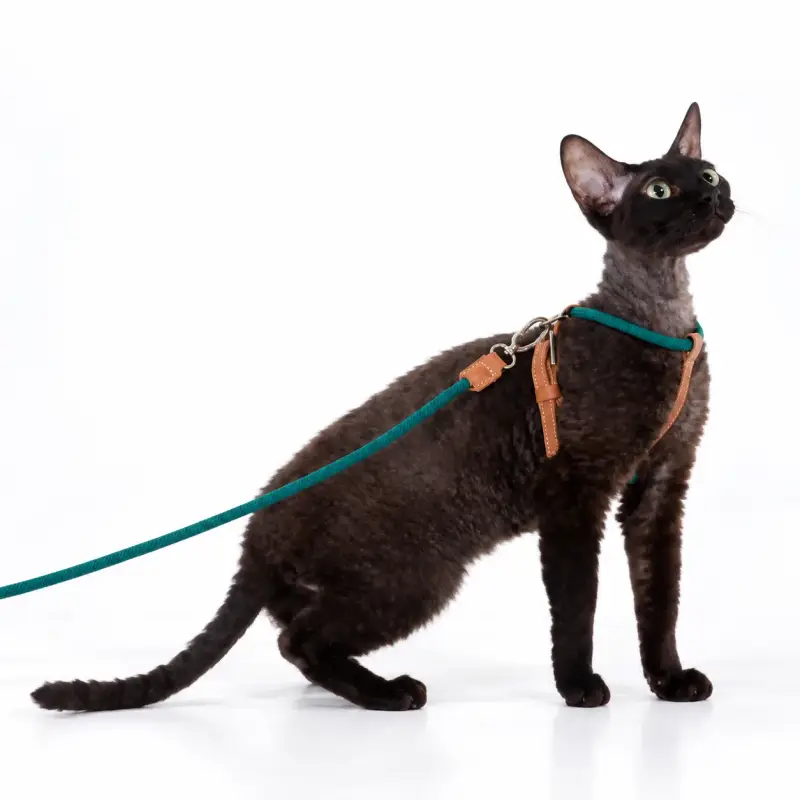
Compare strap geometry, attachment point and leash dimensions.
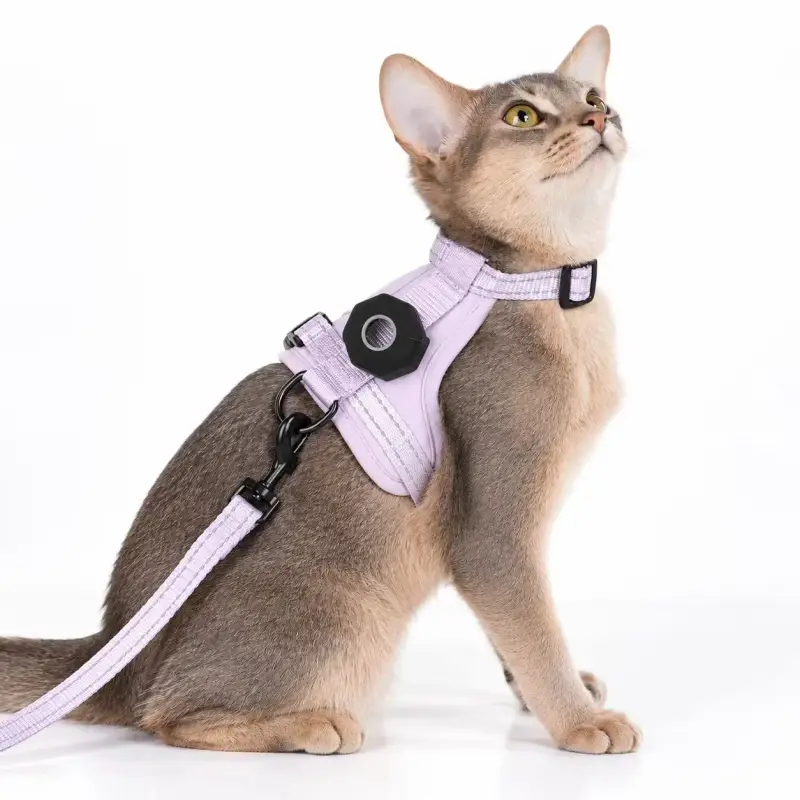
Review coverage, closure sequence and back leash attachment.
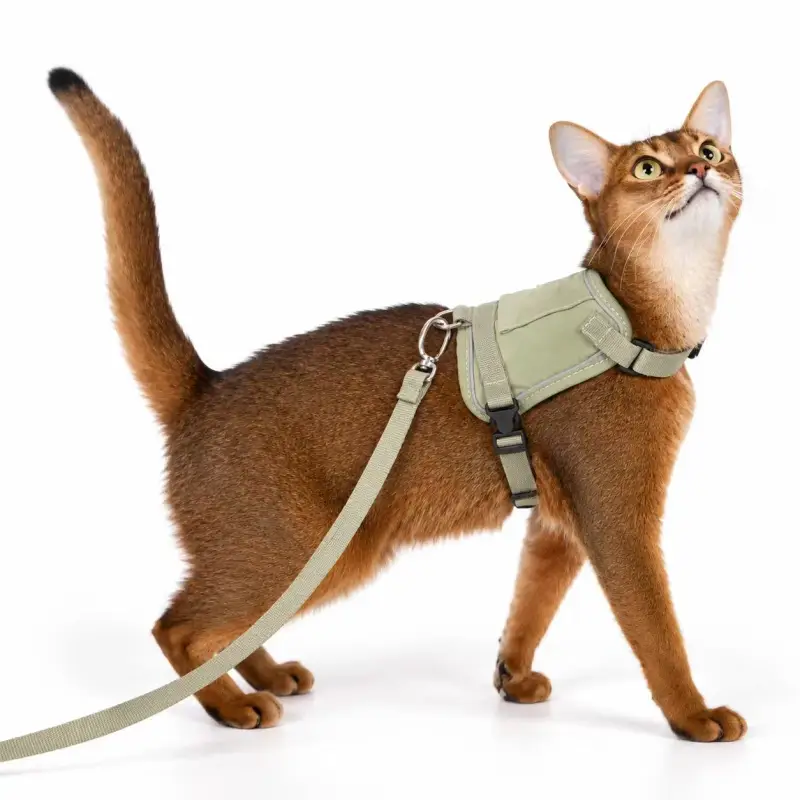
Compare vest coverage, adjustment hardware and exact set contents.
Have a different cat harness reference? Send the image or Ref. ID with the target size range, quantity and leash or set requirement.
A cat harness should be specified from the actual harness design and fit on the cat, not from a small-dog chart or a generic S/M/L label. Start with the selected construction, then define measurement points, adjustment, closures and the supplied leash around that exact design.
Record where the neck and chest loops sit, which sections adjust and how the connecting strap positions the harness on the body. An H-style cat harness can use a different measurement method from a vest even when both use the same size names.
Record the relevant neck and chest openings, panel coverage, entry method and closure sequence. A cat harness vest should be sized from its own design rather than from the dimensions of a strap-only reference.
Confirm the leash length, connector, harness attachment point and exact set contents. If the leash is optional, bundled only with selected SKUs or packed separately, make that distinction part of the quote brief.
Cat harness sizing becomes useful only when everyone measures the same points in the same way. Keep body measurements, finished-product measurements and adjustment ranges separate so the quoted size chart can be checked against a real sample. For changed harness patterns, the custom development process explains how to begin a sample review.
Do not assume a larger cat simply needs a small-dog size. Body proportions, panel geometry and opening positions still belong to the exact cat harness design being reviewed.
Size labels such as S, M, L or XL are not specifications by themselves. Define the measurement points and adjustment range for the selected harness design, then verify the intended size run against the approved sample.
Buyers often ask for an escape-proof cat harness, but the phrase describes a performance expectation rather than a visible feature. The safer sourcing approach is to define fit, closure behavior, adjustment and leash connection for the finished version, then decide what claims are actually supportable.
Include backward movement and changes in body position in the fitting review for the intended size range. Record any gap, opening or adjustment issue that appears on the approved sample instead of assuming an extra strap makes the design inescapable.
Confirm closure type, location and the way adjustable sections retain their setting on the exact reference. If a buckle, hook-and-loop area or strap route changes, review the revised sample rather than carrying the old fit conclusion forward.
Specify the attachment point, connector and required leash dimensions for the quoted cat harness and leash set. Check that the connection shown in the sample is the one described in the pack contents and retail information.
Make the fitting method and size information match the final construction. If packaging or product copy will use security, escape-resistance or other performance wording, define the evidence required for the finished product and target market before the claim is approved.
The sample should connect the size chart to the physical harness and the supplied leash. If a change affects the design, construction, adjustment, closure or connection hardware, update the written specification rather than relying on the previous version.
A reference or question is enough for the first discussion. The details below are optional at this stage. A reference plus the decisions that affect fit, the leash set and the SKU split gives a useful starting point for a custom or wholesale cat harness project.
Send a PETMERO reference number, product link, photo, sketch or physical-sample direction for the cat harness style you want reviewed.
Give the intended size range and the body or finished-product measurement method you want the chart to use.
Mark the required strap or vest construction, closures, adjustment points and any changes from the selected reference.
Specify leash length or other required dimensions, connector, attachment point and whether the leash is included in every quoted pack.
Add the estimated quantity split, color or branding direction, packaging requirements, destination country and any required timing where known.
If the project also includes cat collars or dog walking products, coordinate the visual direction at range level while keeping each product’s sizing, construction and claims in its own specification.
These questions focus on cat harness and leash sourcing. For broader walking collections or other collars, harnesses and leashes, use the relevant product category page for product-specific guidance.
Do not assume so. Build the chart from the selected cat harness design, its measurement points, adjustment system and intended body coverage. The same S/M/L label can represent different dimensions on different constructions.
Only when the finished product and appropriate evidence support that performance claim for the intended use and target market. Extra straps, a vest shape or a tight-looking fit do not prove the claim on their own.
No. Treat set contents as a quote variable. State whether the leash is included in every SKU, which connector and dimensions are required, and whether any version is harness-only.
They can use different strap paths, openings, body coverage, adjustment points and measurement methods. Choose the actual construction first, then approve the size chart and fitting instructions for that style.
Use the same documented body-measurement method and finished-product checks used for the rest of the size run. Do not size by breed name or weight alone unless the approved chart and sample program specifically support that method.
Send a reference, intended size range, estimated quantity, required harness changes, leash and set requirements, color or branding direction, packaging needs and destination country. Unknown details can be confirmed during development.