
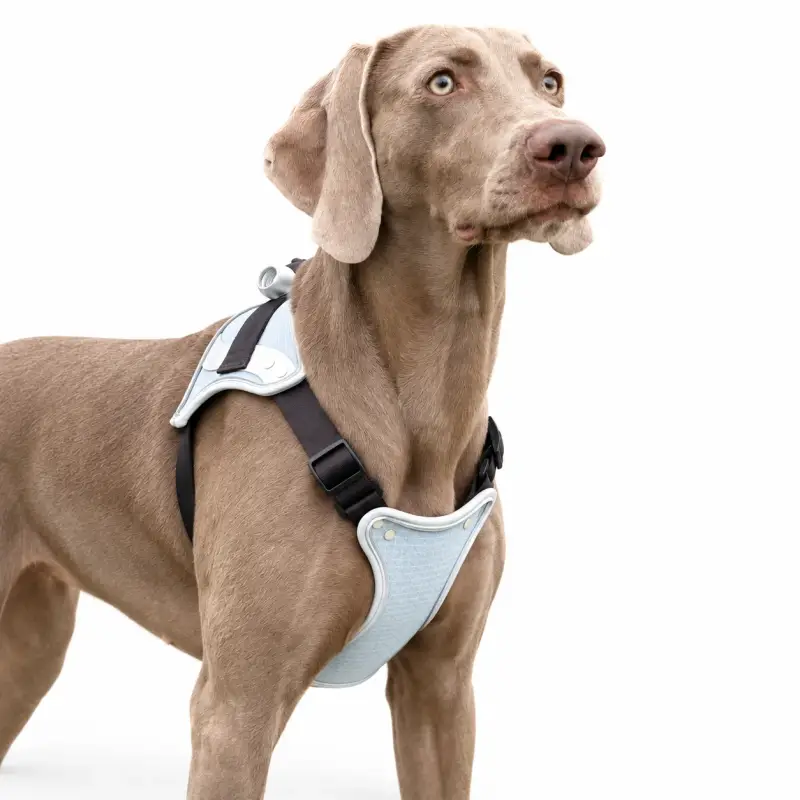
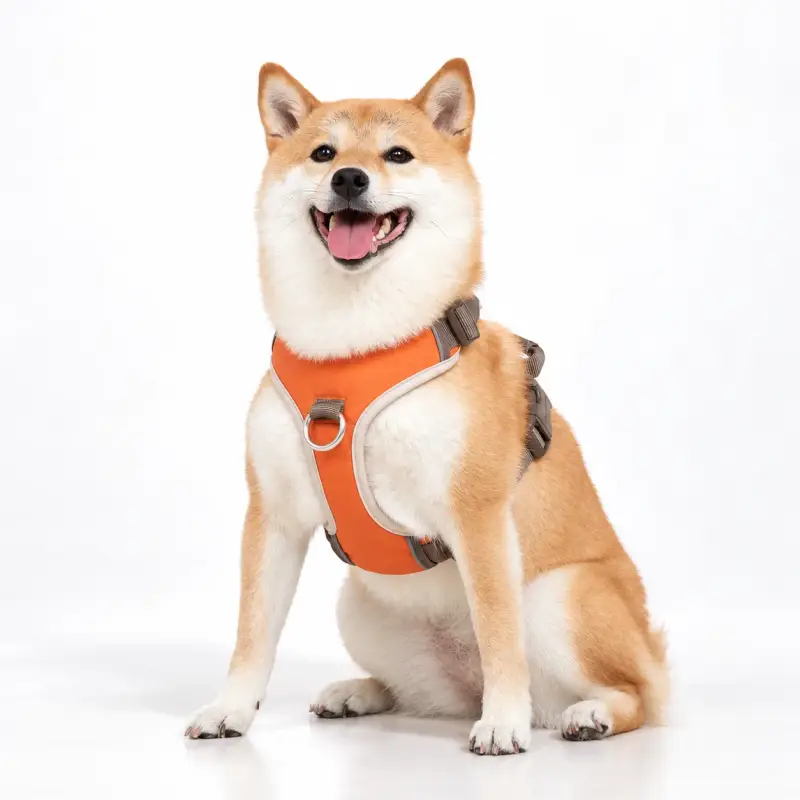
Ref. R21-01
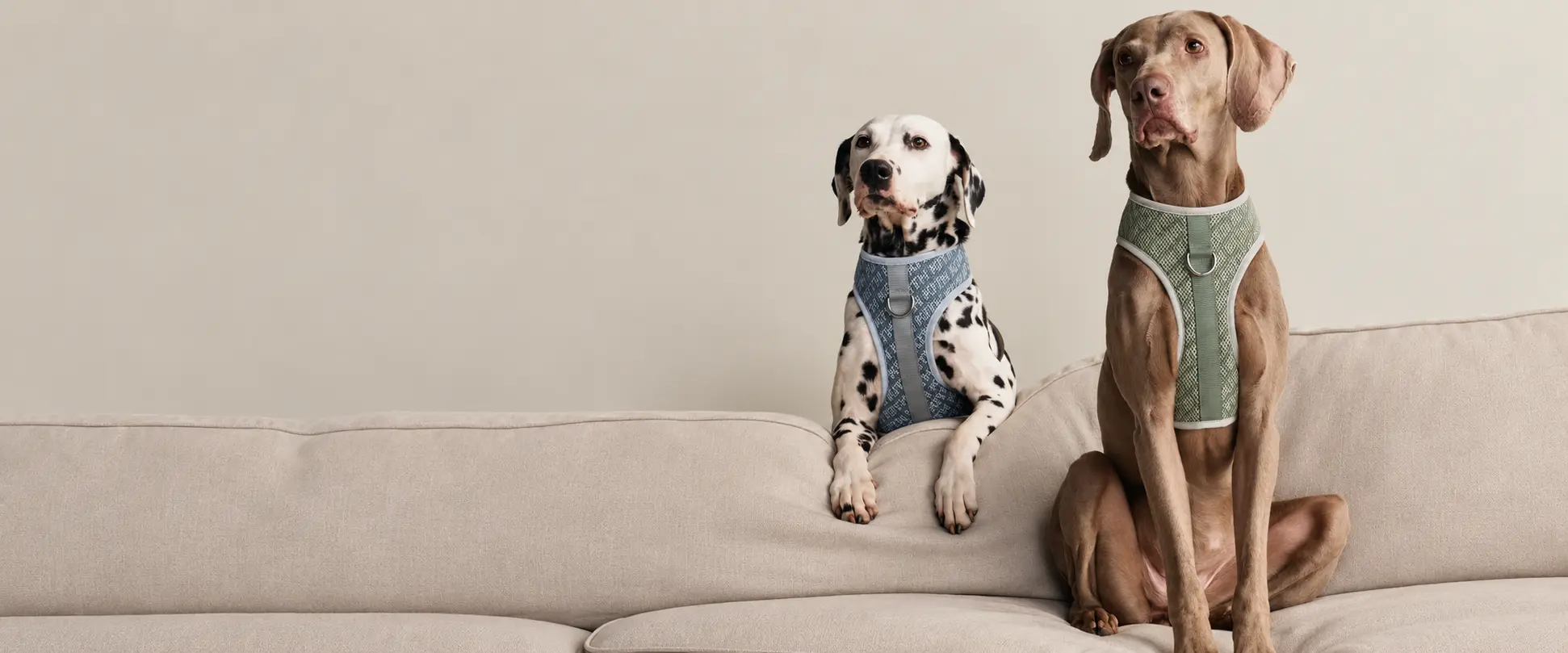
Compare vest, strap and chest-panel dog harness references for your range. Use the selected design to define size coverage, adjustment, closures and leash attachment before confirming colours, branding or packaging.
These 12 references show several distinct builds: R21-01, R21-09 and R21-10 have front chest panels; R21-02 and R21-11 are vest-style; R21-03–05 and R21-07 use visible strap layouts; R21-08 has broader panels and a top handle; R21-06 is pictured with a leash; and R21-12 has a front attachment ring. Choose the required geometry first. Confirm fit, hardware, actual set contents and size grading on that model, rather than assuming similar colours or photos indicate interchangeable constructions.
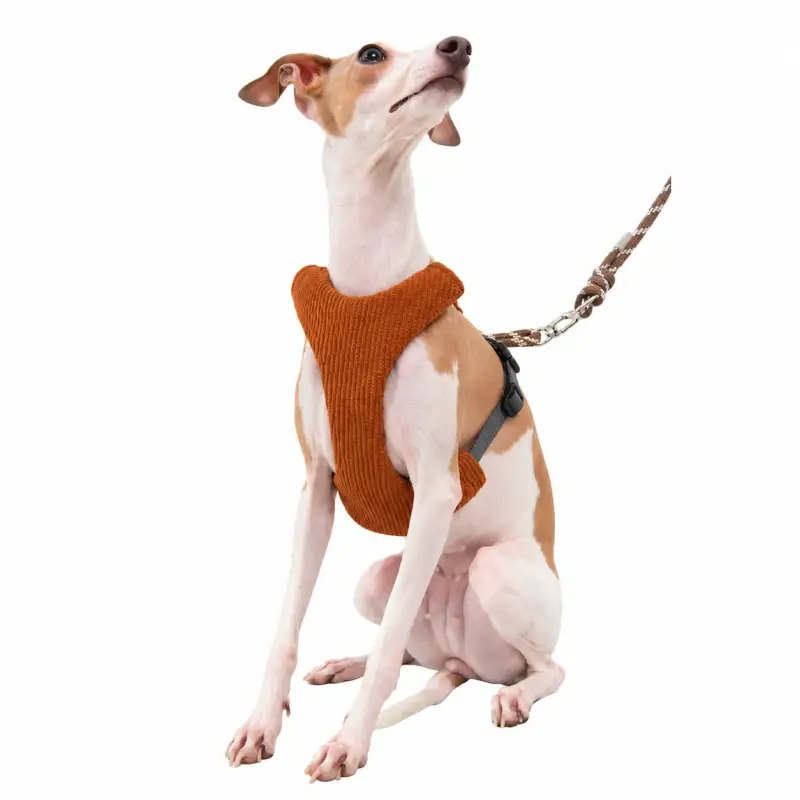
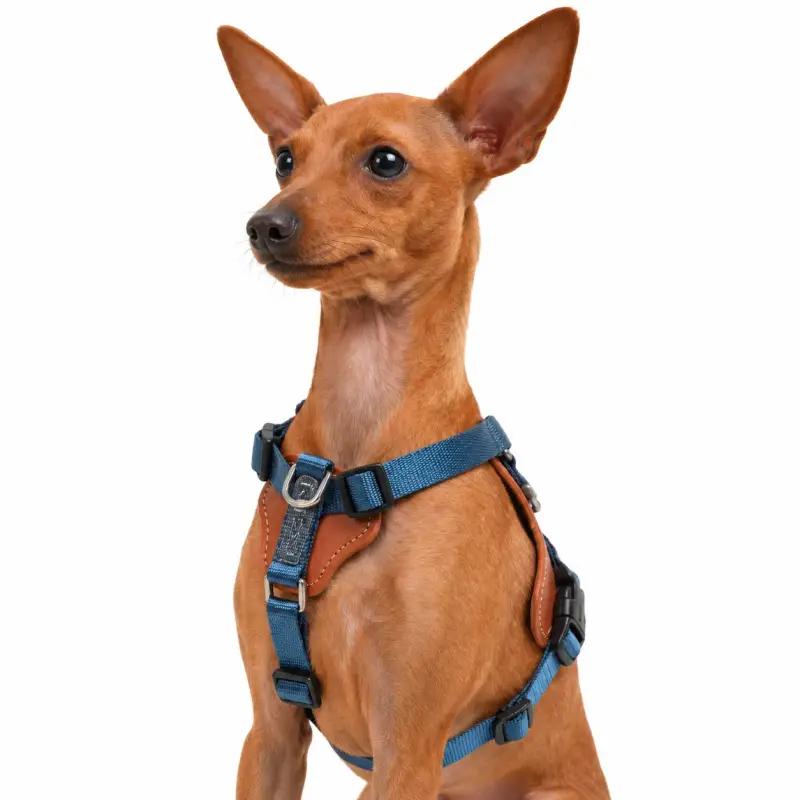
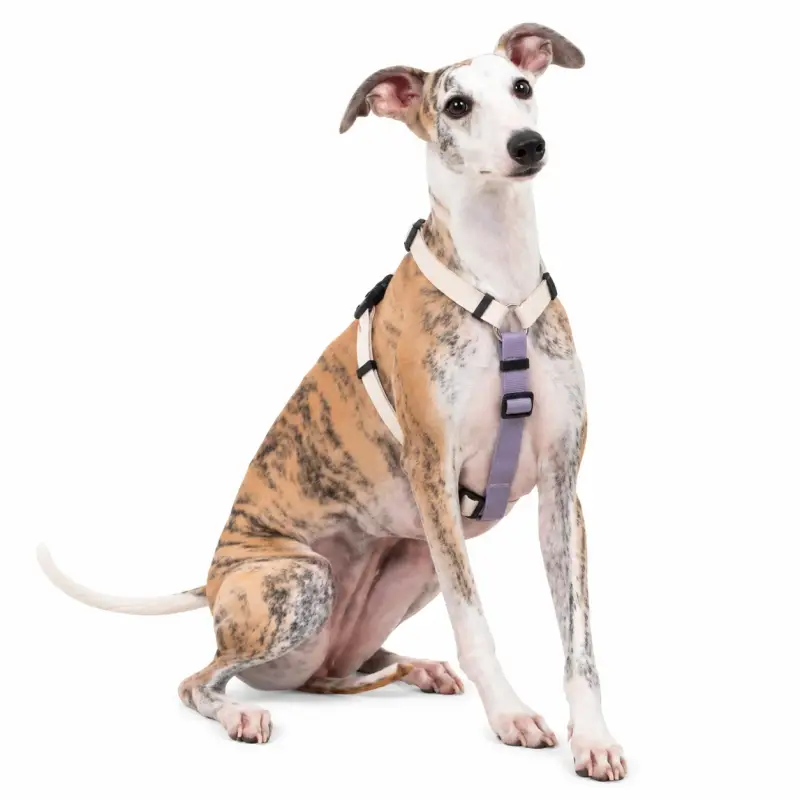
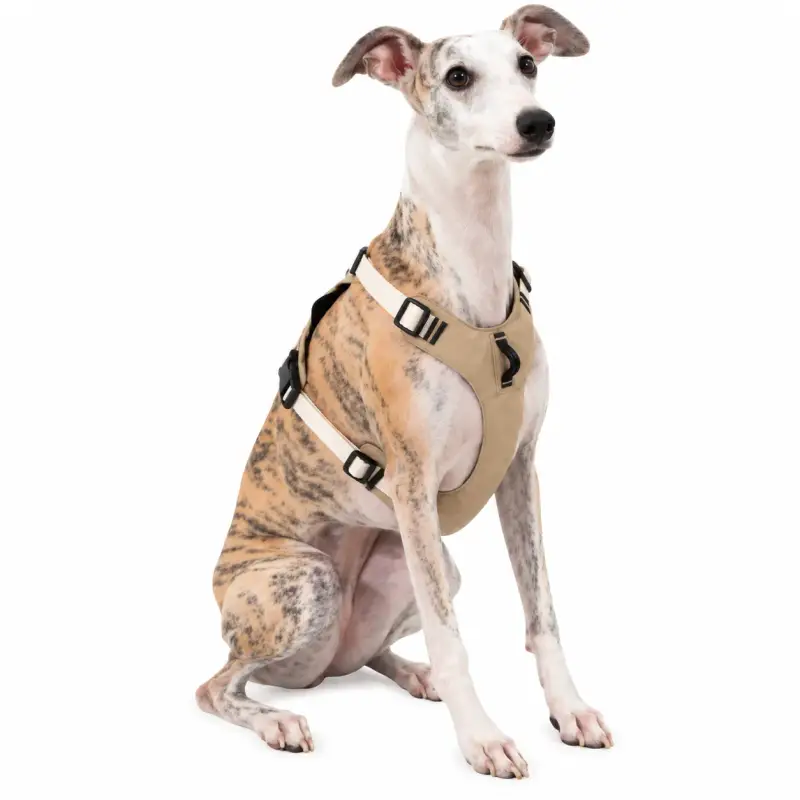
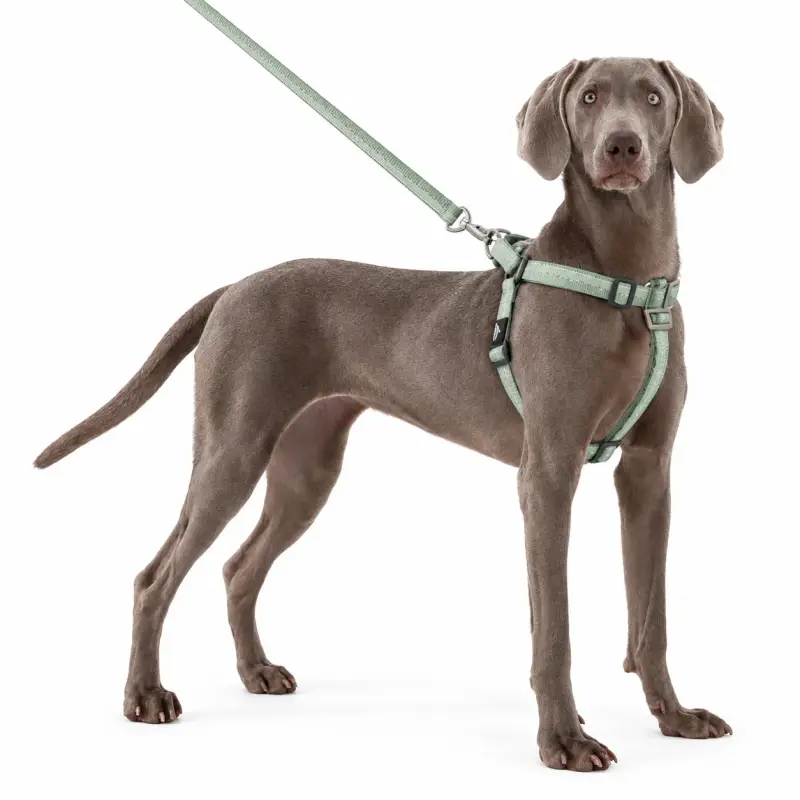
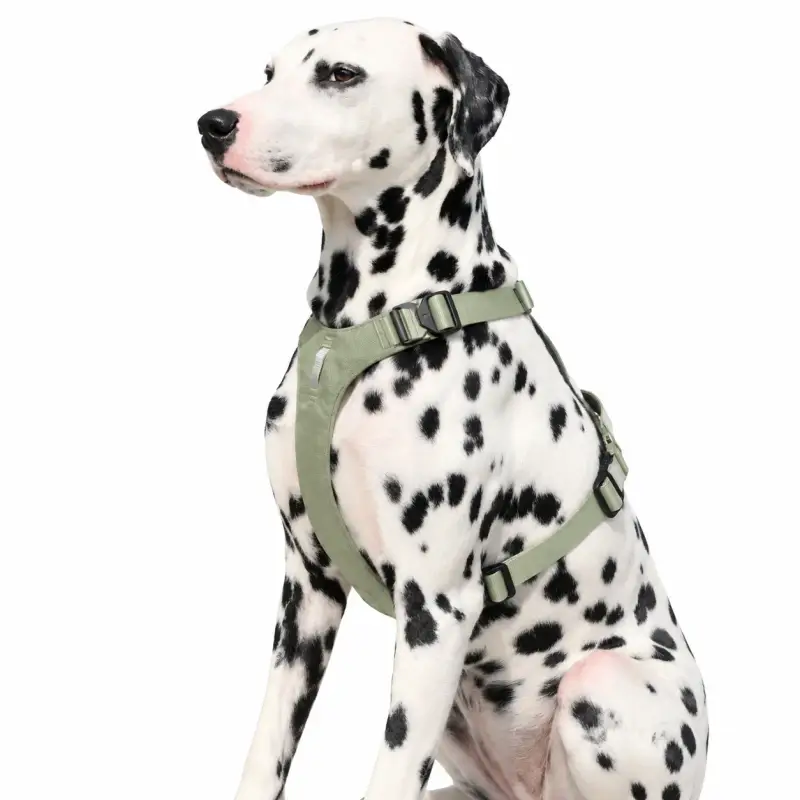
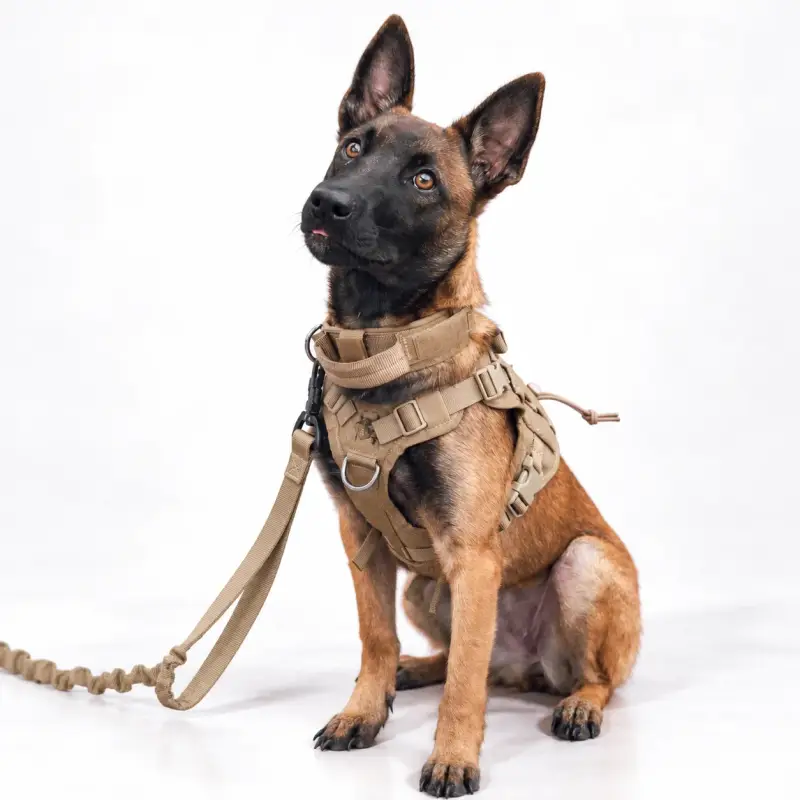
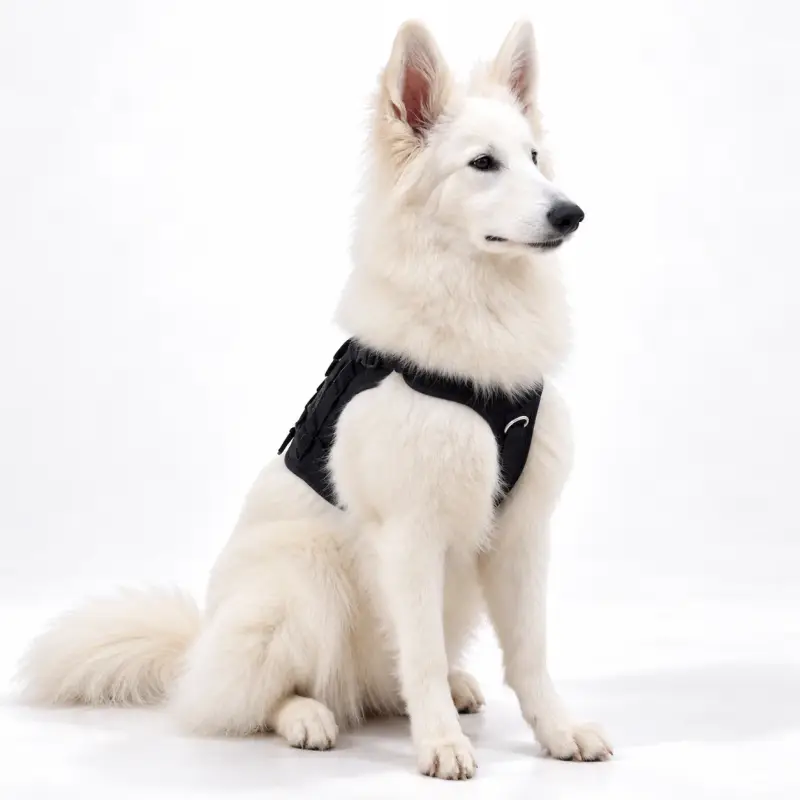
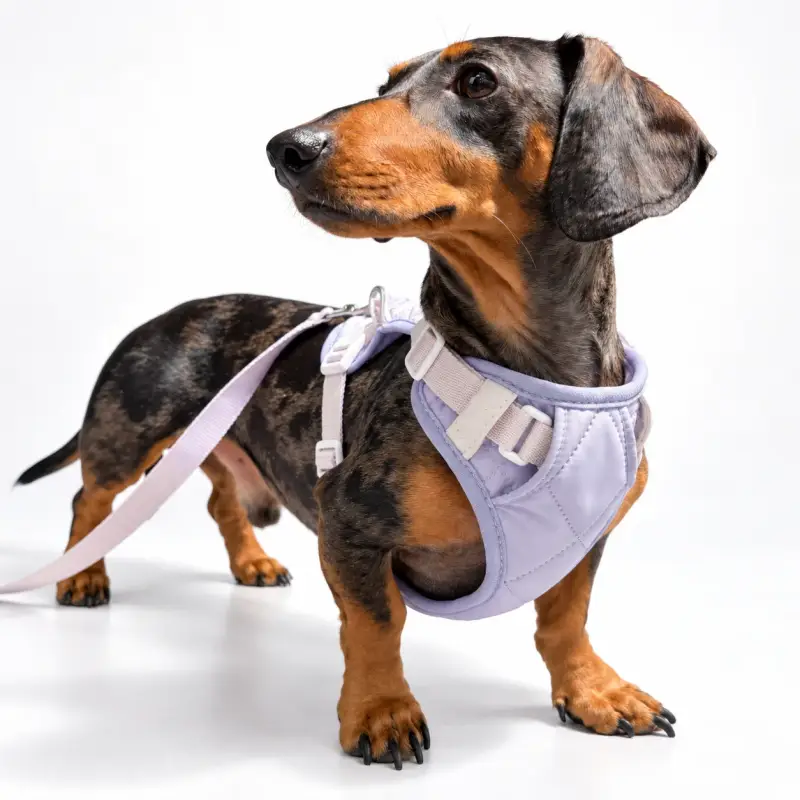
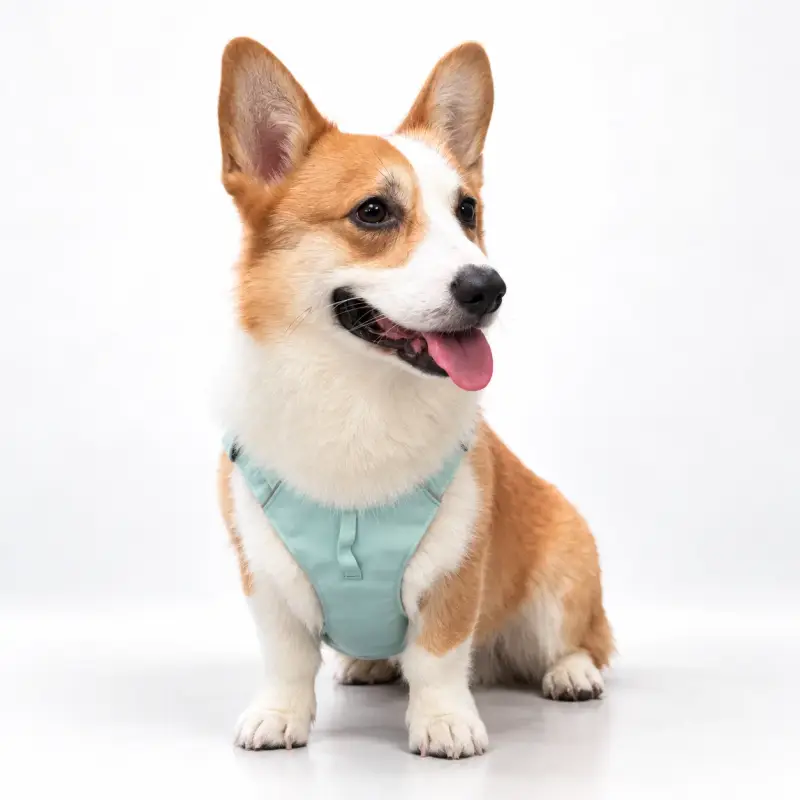

Choose how the harness goes on before comparing colours. An overhead style passes over the head; a step-in style fits around the front legs. Front panels, strap routes and vest coverage also affect the fitting sequence. These model photos do not reliably establish the entry method for every design: confirm the actual closure and fitting steps on a sample before labelling a reference overhead or step-in.
For a size chart, start with chest girth around the widest part of the rib cage and the other body measurements required by the selected pattern. Show the measuring points: a finished strap length is not a dog body measurement.
Overhead and step-in designs need different fitting illustrations on the retail pack or product listing. On the sample, check how the dog enters and how the straps sit around the shoulders and front legs.
List the actual adjustment and closure positions on the quoted version. A different strap path or buckle position can change the usable fit range.
Back and chest attachment points give different lead positions. Choose the intended arrangement and check the ring connection on the complete harness; an attachment position alone does not establish a no-pull or escape-proof claim.
XS, S, M and L are names. The useful specification is the measurement method and fitting range tied to the selected pattern and approved sample.
| What to define | What the buyer should confirm |
|---|---|
| Measurement basis | Use the same body measurement points in the size chart, quotation and approved sample for the selected harness. |
| Adjustment range | Record the usable minimum and maximum range at the relevant adjustable areas on the finished version rather than assuming the nominal size label defines fit. |
| Size grading | Define how the chosen geometry changes across the planned size range. Do not copy another harness design’s chart without checking the actual pattern and sample dimensions. |
| Size identification | Align the product label, hangtag or package size name with the approved chart so the quoted SKU and the finished pack refer to the same size. |
The R21 references cover four distinct sourcing directions. Use the relevant reference IDs to shortlist the harness structure, then confirm its actual fittings and size chart on the selected sample. Colours alone do not establish a new construction.
Compare the actual routing, neck and chest loop positions, buckle locations and usable adjustment range. R21-04 and R21-05 look similar in overall strap geometry but appear in different colours; confirm whether they share the same pattern, buckle specification and size range before treating them as identical variants. Do not reuse a size chart without checking the finished sample.
Compare body coverage, entry method, panel shape and fasteners. R21-08 visibly has a wider torso assembly and a top handle, unlike the softer vest appearance of R21-02 and R21-11. Confirm how the handle is attached and whether it is part of the quoted version; appearance alone does not prove handling strength. Measure the selected construction rather than copying a strap-harness chart.
Review the front-panel footprint, neck and leg openings, adjustment points and the back attachment arrangement. Check the exact geometry and panel edges on the approved version.
R21-06 shows a matching harness-and-leash set; confirm the leash is included in the quoted pack. R21-12 shows a front attachment ring; verify its actual fitting and surrounding structure. Do not assume either feature is standard on other references.
Check sizing, adjustment, construction and product claims before approving the harness for your range.
Not reliably. Panel geometry, strap paths and adjustment systems can fit differently. Build the chart from the measurement method and finished dimensions of the selected design.
Mark the required front and/or back positions in the brief. The selected construction, rings and surrounding structure should then be reviewed together to confirm whether that configuration is feasible for the quoted version.
Use performance wording only when the finished design and your supporting evidence justify it. A front ring, vest shape or similar visual feature alone does not establish performance.
Start with a PETMERO Ref. ID, photo, sketch or sample direction, target size range, estimated quantity, requested construction changes, branding or packaging needs and destination country.
You do not need a finished technical specification for the first discussion. A reference or question is enough to start narrowing the project.