
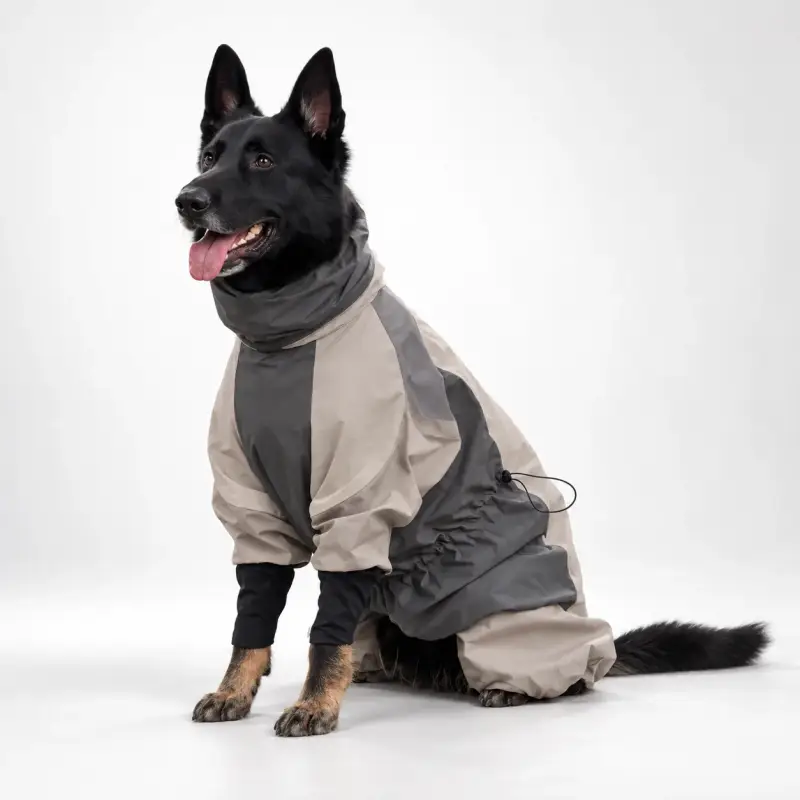
Ref. R09-01
Beige-and-charcoal full-body dog coat
Full-body dog outerwear; compare chest, neck and back fit, leg coverage, cuffs, belly clearance, closure route and shell layers.
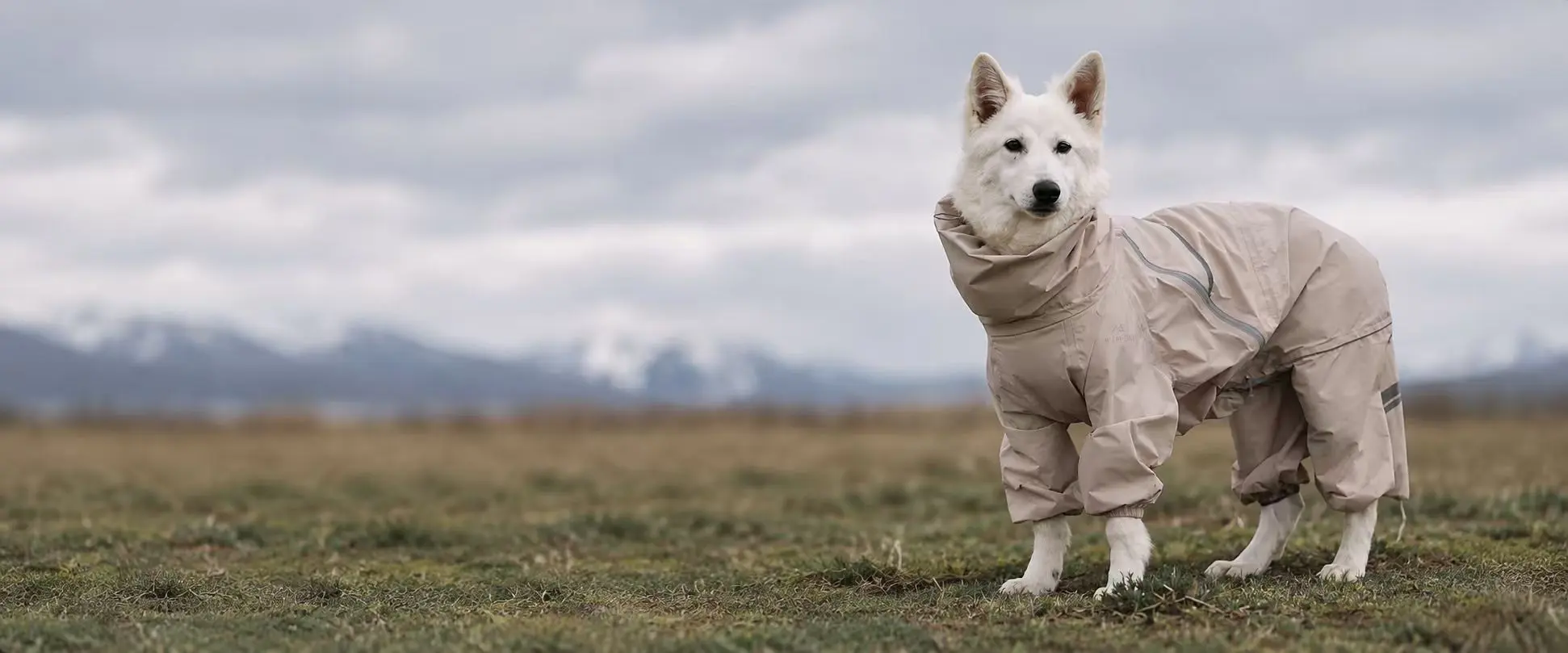
Source dog coats, jackets and rainwear for wholesale and private-label ranges. Compare weather use, coverage, dog fit, outer fabric, lining, closures and harness access before choosing branding.
Choose a design by its actual shape. R09-01, R09-03, R09-06 and R09-12 have sleeves or legs for more body coverage. R09-02, R09-08 and R09-10 have high collars; R09-05 has a hood; R09-07 is a wrap-style coat. Compare the dog’s chest, neck and back measurements, freedom of movement, closures and harness access. The photos show designs, not verified waterproofing or warmth. Confirm the selected materials and finished coat before making weather-performance claims.
Full-body dog outerwear; compare chest, neck and back fit, leg coverage, cuffs, belly clearance, closure route and shell layers.
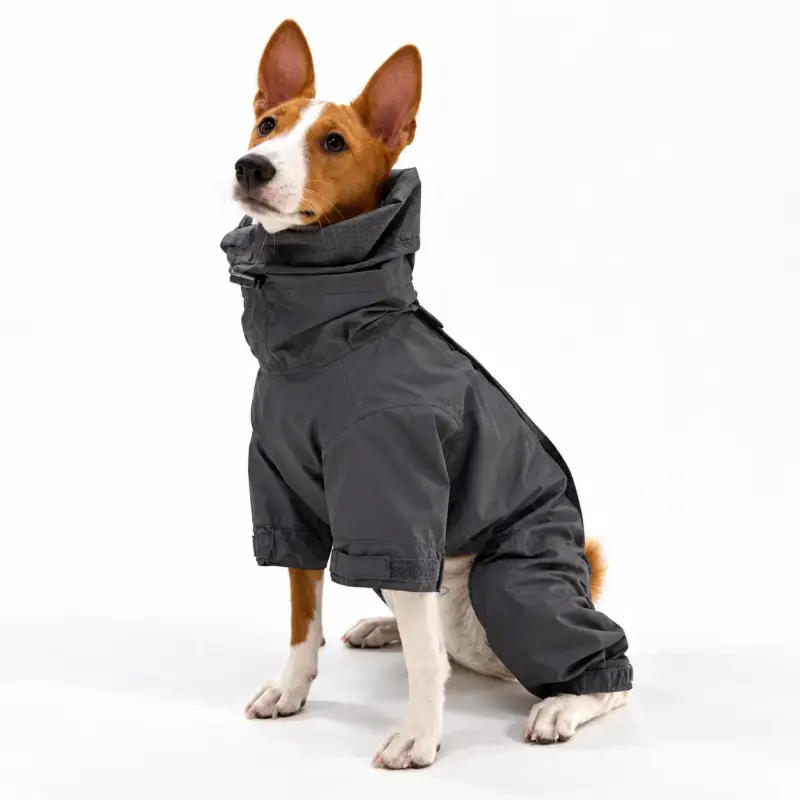
High-neck dog coat; compare neck opening, chest adjustment, back coverage, shoulder freedom, shell, lining and closures.
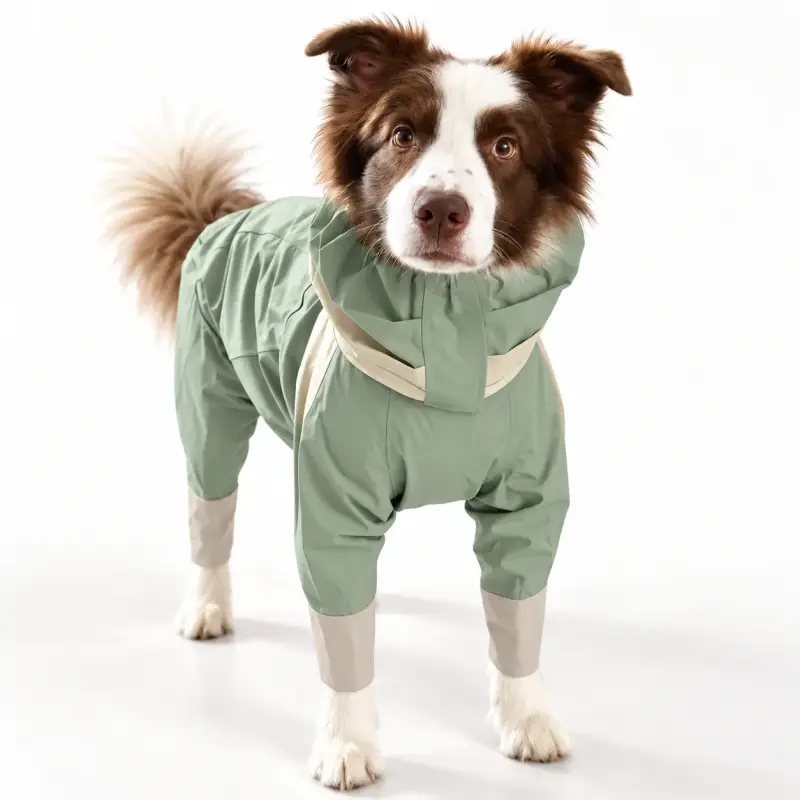
Legged dog coat; compare chest and back fit, sleeve length, cuff openings, movement, shell layers and care.
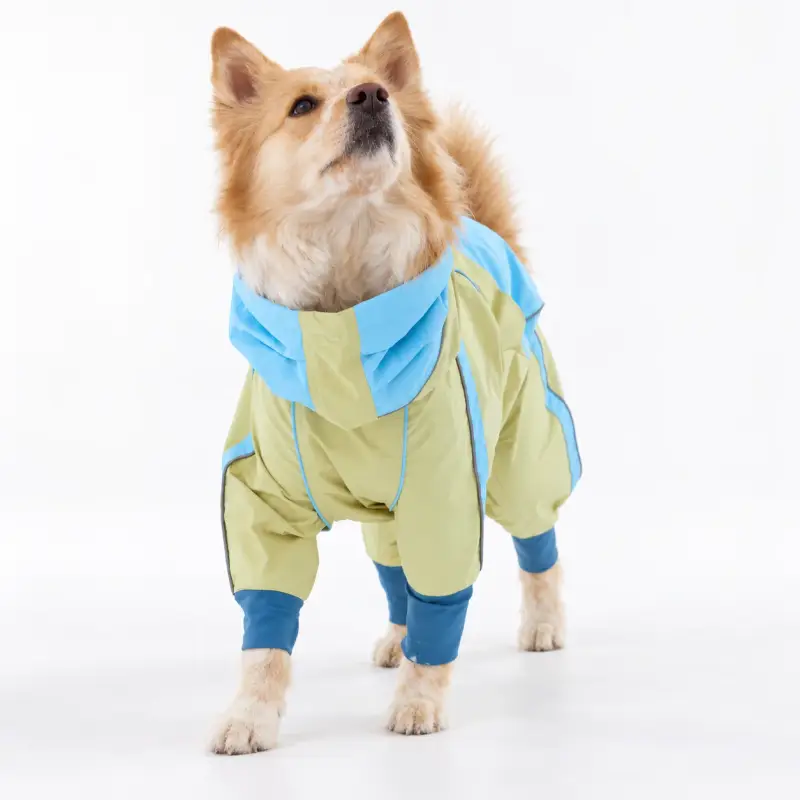
Colour-block dog coat; compare dog fit, body coverage, openings, shell construction, lining, closures and branding areas.
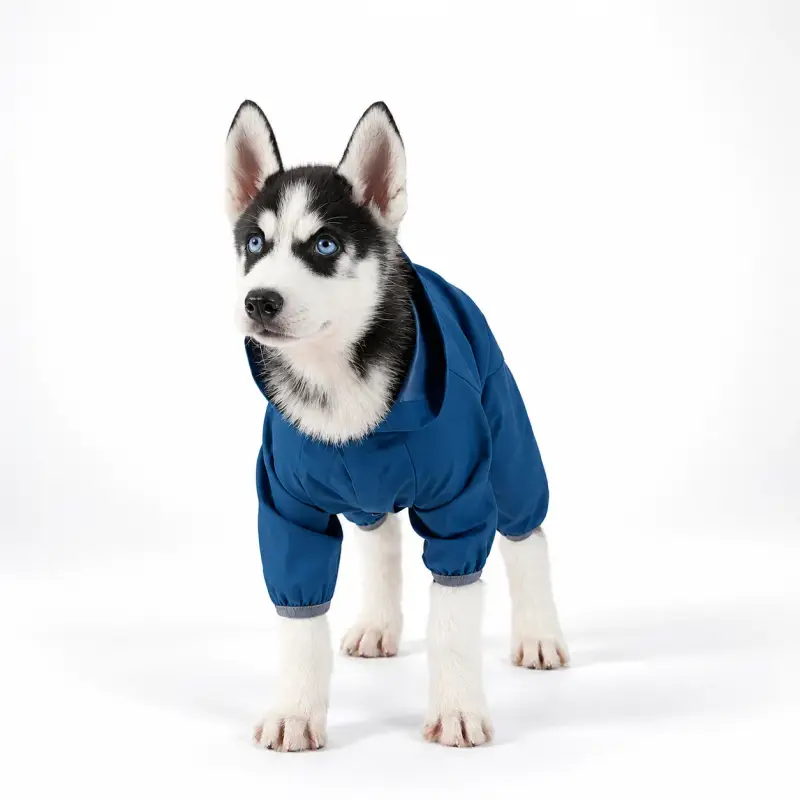
Hooded dog coat; compare hood position, neck and chest fit, back coverage, shoulder movement, shell layers and closures.
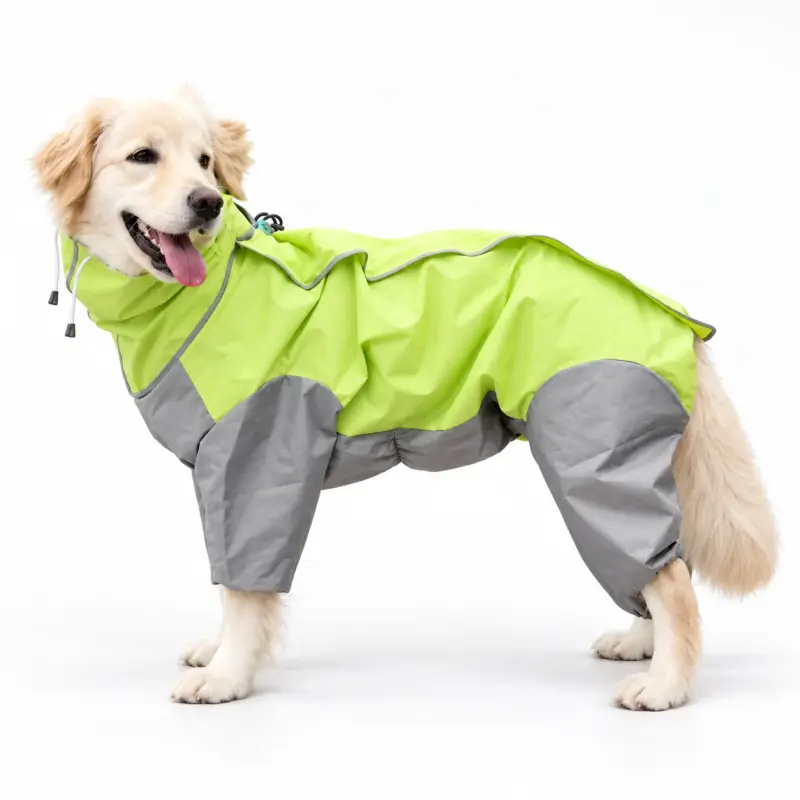
Full-coverage dog coat; compare chest, back and leg fit, cuffs, underside clearance, shell construction and movement.
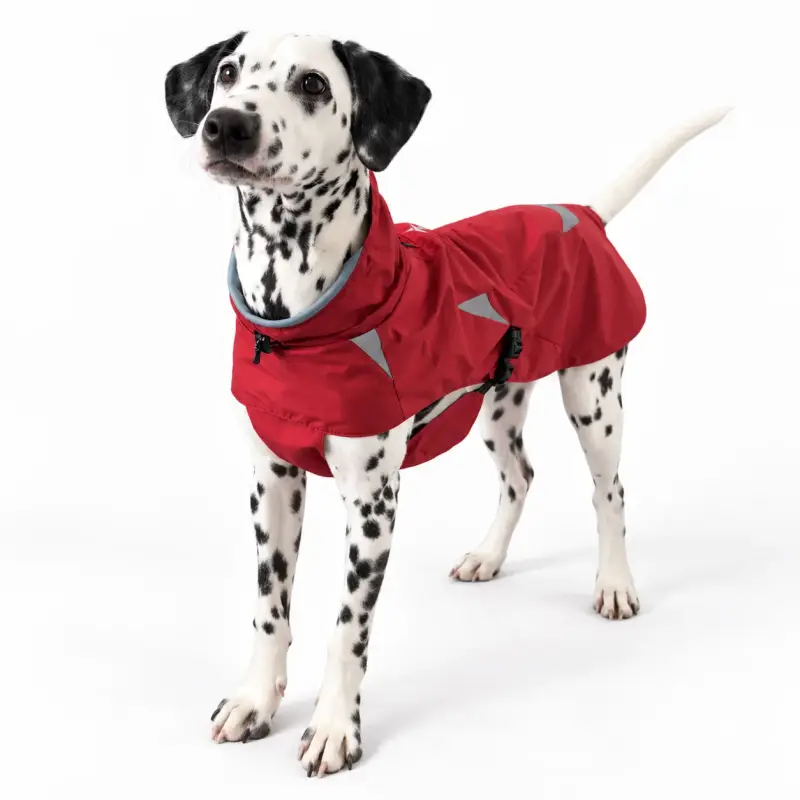
Wrap-style dog coat; compare chest adjustment, neck, back and belly coverage, edging, closures and shell specification.
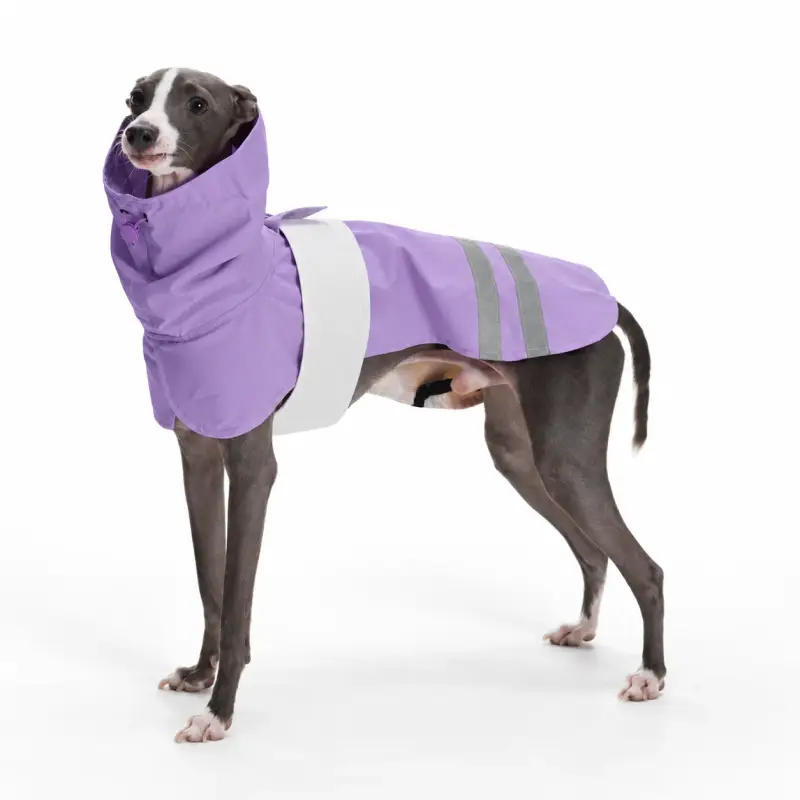
High-collar dog coat; compare neck opening, chest fit, back coverage, adjustment, movement and layer construction.
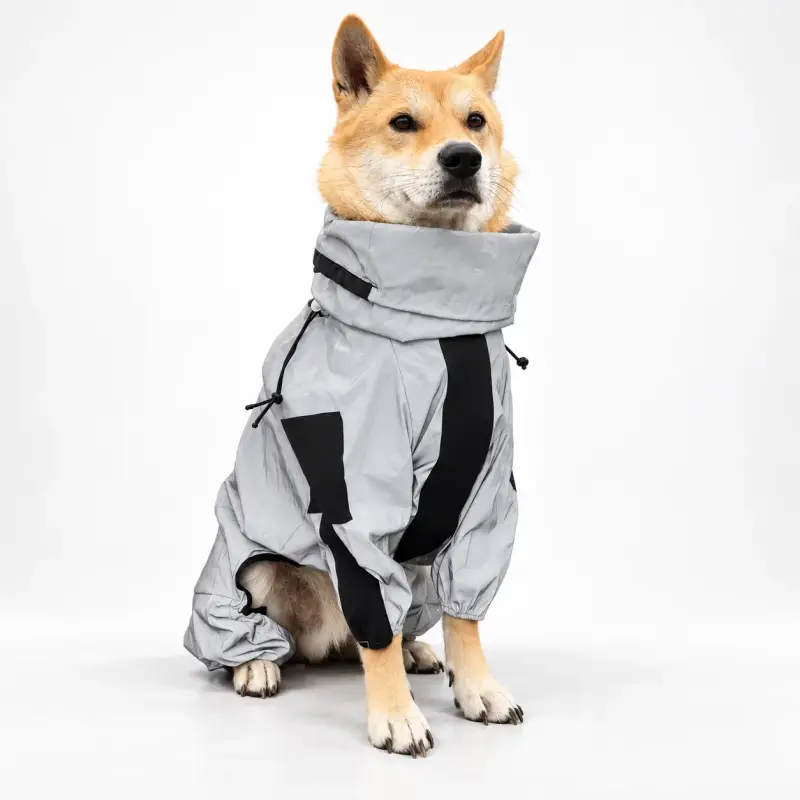
Panelled dog outerwear; compare chest fit, back and belly coverage, panel seams, closures, shell layers and movement.
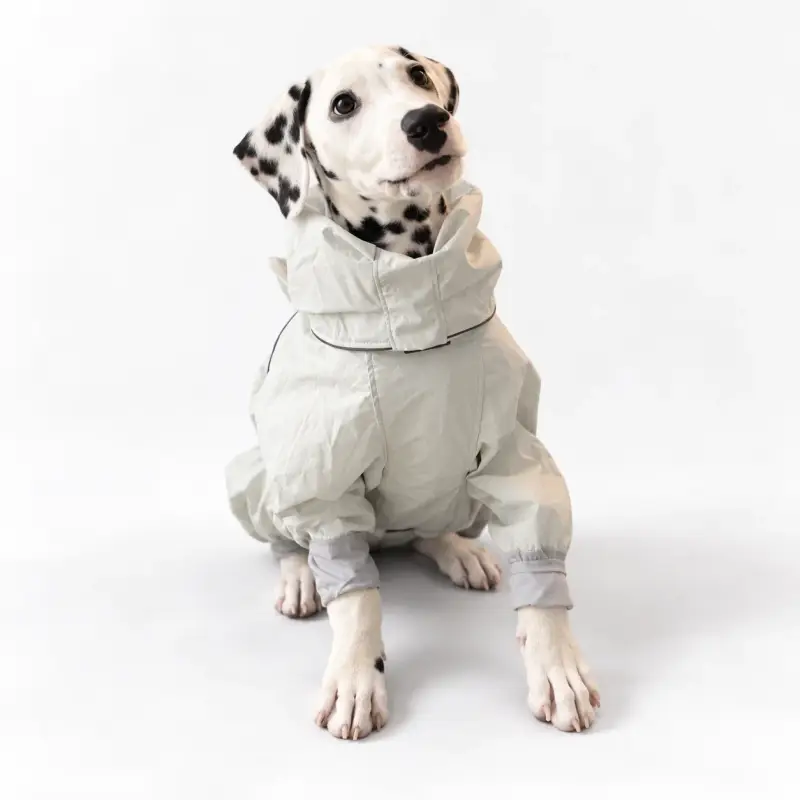
High-neck outerwear coat; compare neck and chest range, back coverage, closures, shell or lining layers and care.
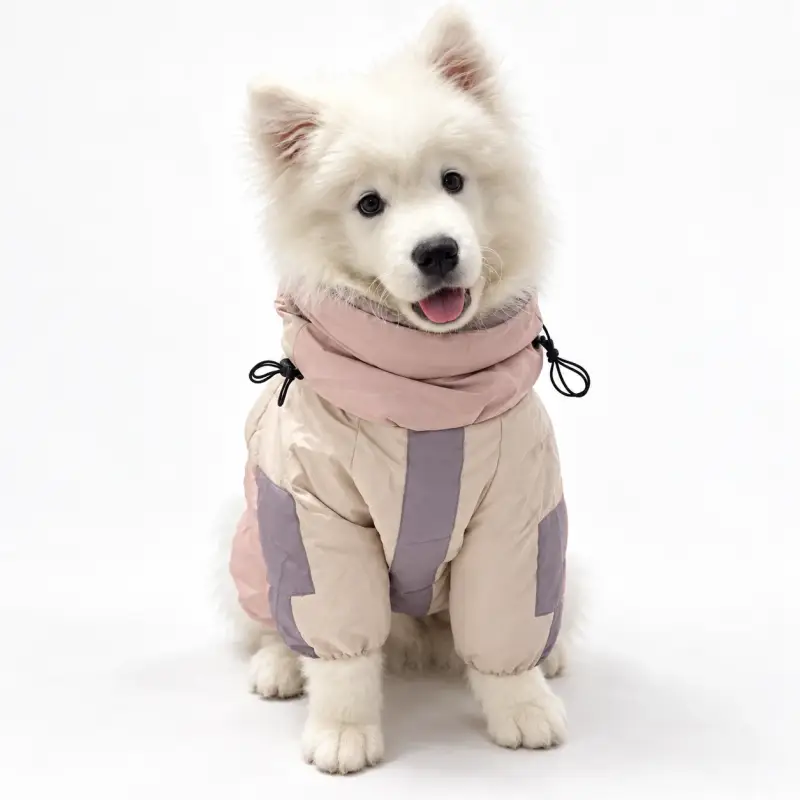
Colour-block dog coat; compare chest, neck and back fit, coverage, closures, shell construction, lining and decoration.
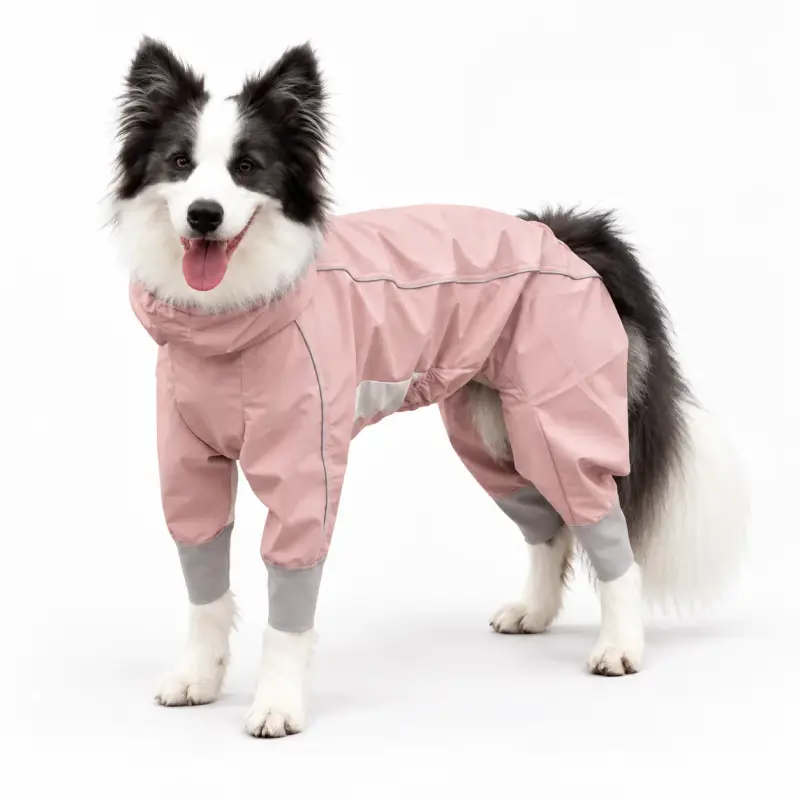
Full-body dog outerwear; compare chest, back and leg fit, cuffs, underside coverage, shell layers and movement.
These 12 references show part of the PETMERO dog coat and rainwear range. Send a Ref. ID, image or product link if you need another coverage, collar, hood, leg, shell or lining direction.
Compare coverage, closure, lining and outer fabric for dog coats; rain protection and visibility claims require evidence for the selected construction.
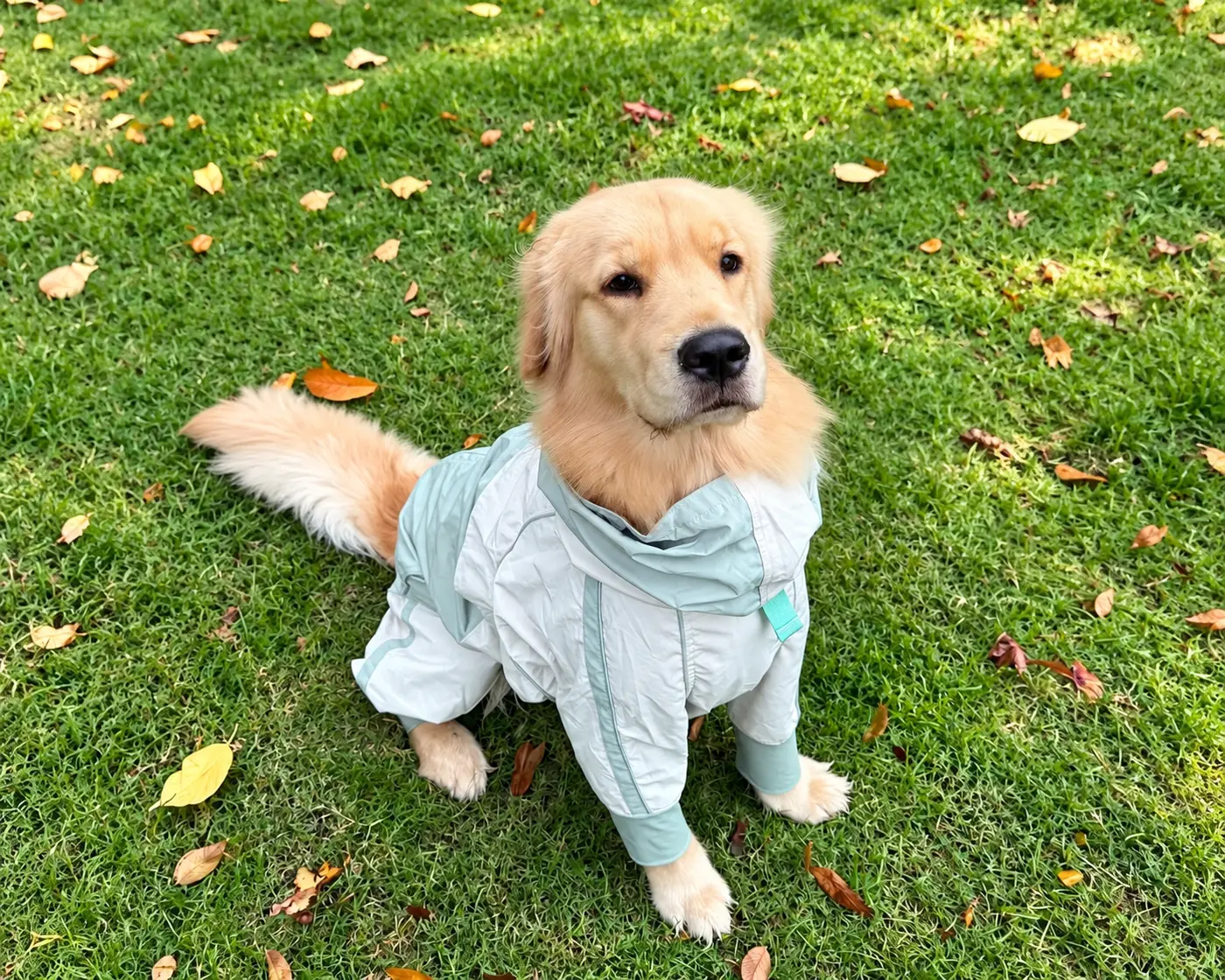
Compare body coverage and closures with the intended season.
A lining changes bulk, fit and care, so compare the assembled garment.
Show seams, openings and fastenings along with the fabric; describe only supported weather performance.
Dog coat and dog jacket are broad names for outerwear. A dog raincoat is intended for wet weather; a padded winter coat is designed with insulation in mind. “Full-body” describes leg and underside coverage, not a waterproof or warmth rating. Choose the intended use first, then compare chest, neck and back fit, shell material, lining, closures, leg movement and harness access. Confirm any weather-protection claim for the finished model.
A lightweight rain shell, lined coat, padded winter coat and full-body rain suit should not share one specification. Set the intended use first, then match the garment shape, material layers and size chart to that use.
A shell-led format prioritizes rain coverage with less bulk and can suit wet-weather or packable ranges.
Shell specification, finished-garment rain claim, seam and opening construction, back and belly coverage, closures, hood or collar, harness access and care.
An outer shell with a separate lining changes warmth, drape, drying and the internal fit allowance.
Outer and lining composition, layer weight, chest room, back coverage, closure overlap, neck shape, movement and care.
Added filling makes the coat thicker and changes the fit, seams, packing volume and suitable weather conditions.
Shell, filling and lining specifications, fill distribution, chest and neck room, shoulder movement, closures, quilting, care and packed volume.
Leg and belly coverage can reduce exposed areas but adds fit points at the shoulders, legs and underside.
Chest, neck and back length, sleeve or leg length, cuff openings, belly and toileting clearance, closure route, shell construction and movement.
Use measurable dog dimensions, the finished coat and its adjustment range instead of choosing outerwear by breed or weight alone.
Define shell, lining and insulation separately so a light raincoat, lined coat and padded winter coat are not treated as the same product.
Check shoulder freedom, underside clearance, hood or collar and leash-access position on the complete garment before approving the size run.
Dog-coat sizes are not universal. Chest girth, neck girth and back length are the core body measurements, but the actual pattern, adjustment range, lining thickness and whether the coat is worn over another layer determine usable fit.
Measure the widest part of the rib cage and compare it with the finished coat and adjustment range. Leave only the room the pattern and intended layering require rather than adding one fixed allowance to every style.
Measure from the base of the neck to the base of the tail and compare it with the actual coat back. More length can improve coverage, but excess fabric can shift, fold or interfere with movement.
Record neck girth and the finished opening, then review high collars or hoods in use. The design should not restrict breathing, ears, eyes or normal head movement.
Check armhole or sleeve position while the dog walks, sits and turns. Full-body coats and deeper chest panels need extra attention because good chest fit alone does not prove free movement.
Rainwear can extend under the body, but underside coverage still needs practical clearance. Specify sex-specific pattern differences only where the actual design requires them rather than assuming them from the product name.
If a harness is worn underneath, confirm the opening location and usable range on the intended harness position. A decorative ring, slit or covered opening is not automatically a load-bearing attachment point.
Use the verified textile specification and finished-garment evidence for the exact rain claim. Fabric performance alone does not establish seam, zipper, hood or harness-opening performance.
Shell weight, hand feel, coating or laminate, tear behaviour and care can affect packability and seasonal use. Confirm the actual material instead of calling every shiny or smooth fabric waterproof.
A lining changes warmth, feel, drying and fit. Mesh can support a lighter construction while fleece can support a colder-weather direction, but neither should be given a temperature rating without evidence.
Confirm filling composition, weight, distribution, quilting and recovery after packing or care. More loft is not automatically better if it restricts movement or creates uneven bulk.
Hook-and-loop, zips, snaps, buckles, elastic, reflective strips and harness openings all affect fit and use. Treat reflective or visibility language as product-specific and do not turn trim appearance into a certified safety claim.
Start from the intended conditions and a reference garment. Then adjust coverage, material layers, closures, colours and branding without treating shell, lining or pattern changes as purely visual.
Discuss lightweight rainwear, lined transitional coats or colder-weather padded constructions by verified material and layer specification. Approve the actual sample before using waterproof, windproof, breathable or warmth claims. For a revised garment structure, see the sampling and customization process.
Adjust back, belly, neck or leg coverage only with a revised pattern review. Full-body and hooded styles need movement and toileting checks as well as appearance approval.
Develop hook-and-loop, zip, snap or other closures, chest or belly adjustment and harness openings around the actual dog-size range and selected harness position.
Coordinate shell colours, colour blocking, reflective-looking trims, prints, patches, embroidery, labels and packaging. Keep claim language tied to the approved material and finished product.
For dog coats and rainwear, define body coverage, fit, fasteners and material construction before requesting variations. Any waterproof claim needs evidence for the finished garment.
For dog coats and rainwear, share the intended coverage, closure, lining, harness access and dog-size range. Any waterproof or visibility claim needs model-specific evidence; quote requirements include materials, packaging, quantity and destination.
For dog coats and rainwear, identify coverage, shell/lining construction, fasteners, size mix and labeling. Quote testing separately if water resistance or other performance claims are required.
Agree whether the design is a light rain shell, lined coat, padded outerwear or fuller-coverage suit, then confirm the relevant shell, lining and filling specifications.
Review chest, neck, back length, shoulder movement, leg openings, belly coverage, hood or collar and harness access on representative sizes.
Check the support for any water-resistance, waterproof, reflective, wind or warmth claim on the exact construction rather than transferring a claim from a raw fabric or another model.
Confirm graded garment measurements, labels, care instructions, colour-size identifiers, folded pack and any spare or accessory parts before bulk production.
Dog coat is the broader outerwear term. A dog raincoat is specifically positioned for wet-weather use, while other coats may focus more on lining, insulation or seasonal warmth. Define the actual shell, layers, coverage and intended claim for each design.
Use chest girth, neck girth and back length as the core measurements, then compare them with the finished garment and adjustment range. If the coat will be worn over a harness or another layer, include that in the fit review.
No. Dogs with similar weight can have different chest depth, neck width and back length. Breed and weight can describe a target range, but the size chart should be built from measurable dimensions and the approved pattern.
Not automatically. Seams, zippers, closures, hoods, leg openings and harness-access points can all affect the finished garment. Use evidence for the complete construction before making a waterproof claim.
Those terms imply different levels of rain protection and should follow the actual material and finished-product evidence. Do not choose the wording from appearance alone or copy a claim from a different fabric or coat.
A hood is a design choice rather than a requirement. If included, check its weight, opening, adjustability and position around the ears and eyes, and confirm that it does not interfere with normal head movement.
Confirm where the selected harness attachment point sits on the dog, then position and size the garment opening around that use. A leash-access slit or cover should be reviewed with the intended harness rather than assumed to fit every harness.
No. Reflective-looking trim can improve visibility when the exact material performs as intended, but it should not be described as certified protective equipment or given unsupported visibility claims.
Not automatically. Filling, lining, seam bulk and layering can change the internal space and movement. Review the finished padded pattern and graded measurements rather than copying a shell size chart.
A Ref. ID, image, product link or question is enough to begin. Estimated quantity, destination and intended weather use can be discussed as your project develops. Add your size range, shell or lining preference, closures, harness access, colours, branding or packaging details whenever available.