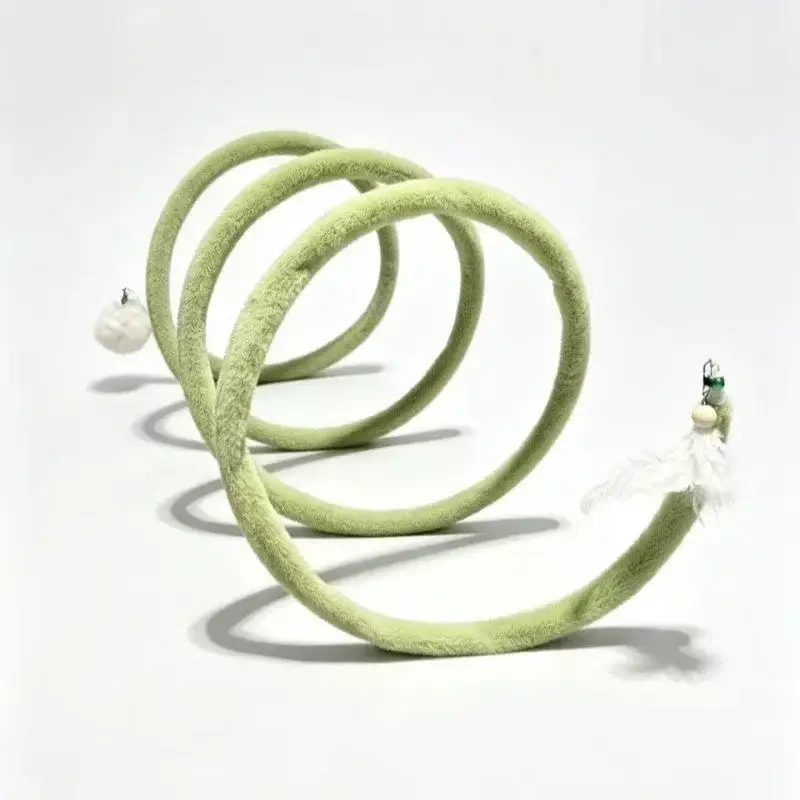
Ref. R32-01
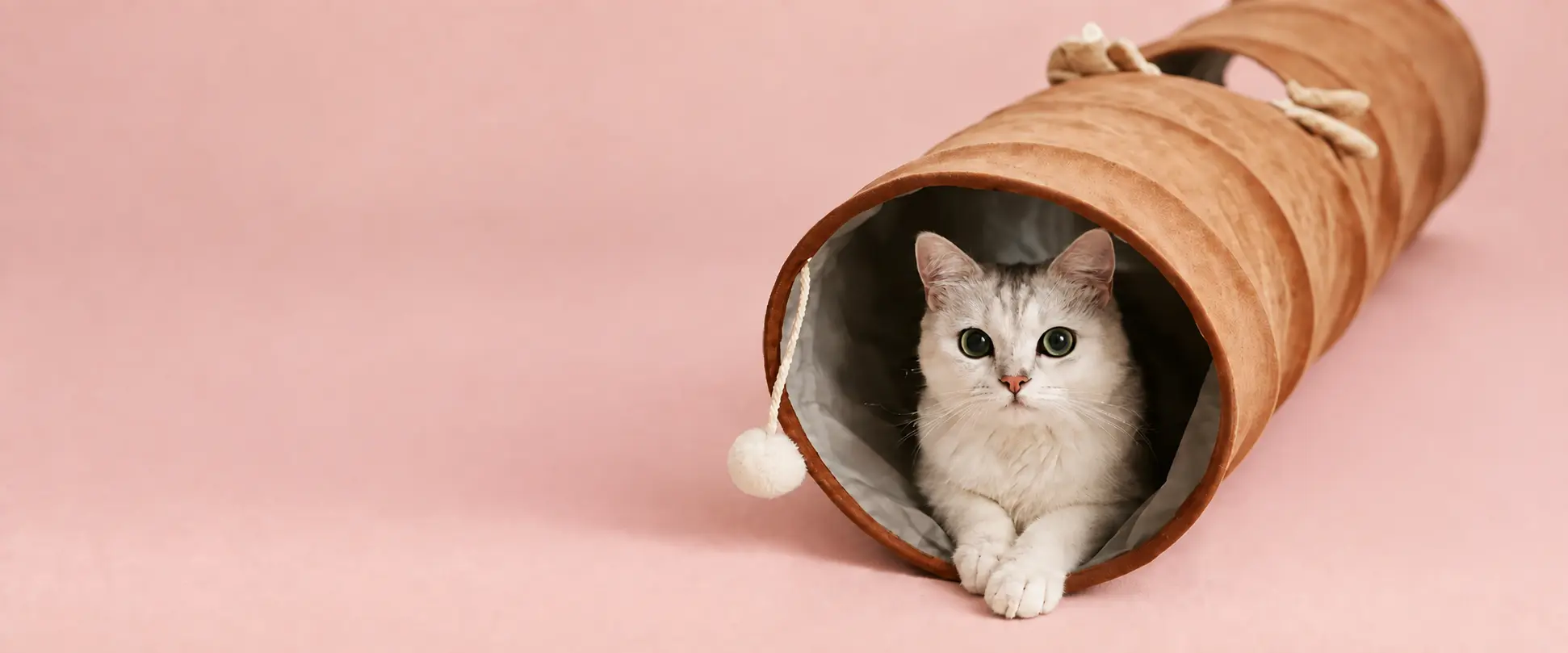
Explore straight, curved, branching, open-spiral and box-style cat play tunnels. Compare usable openings, assembled footprint and packed dimensions before choosing the materials, print, branding and packaging appropriate to each actual structure.
Use the 12 references to compare different structural families: R32-03, R32-04, R32-06 and R32-09 are tube passages; R32-07 branches in three directions; R32-02 includes a resting area; R32-10–12 have box-like sections. R32-01 is an open spiral and R32-08 an open canopy, neither equivalent to a fully enclosed tunnel. Check usable clearance, openings, assembly and packed form by Ref. ID rather than assuming the same material or foldability for every style.
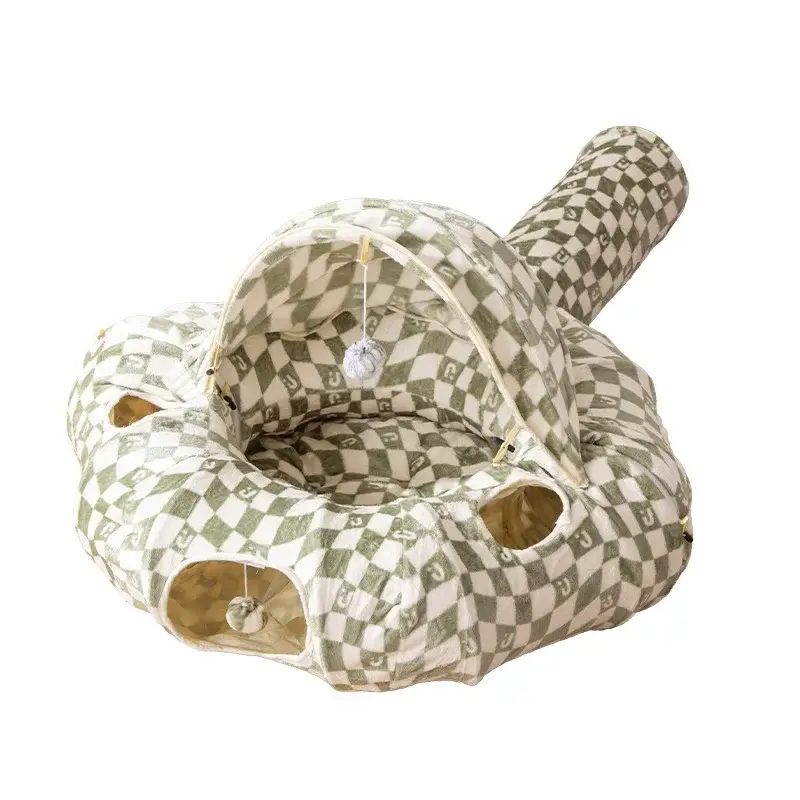
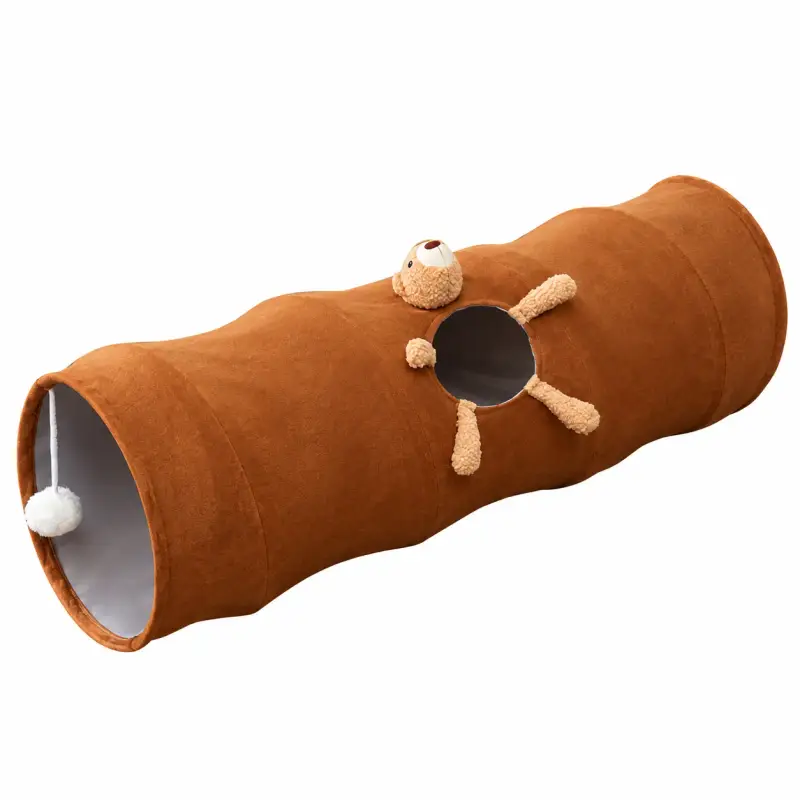
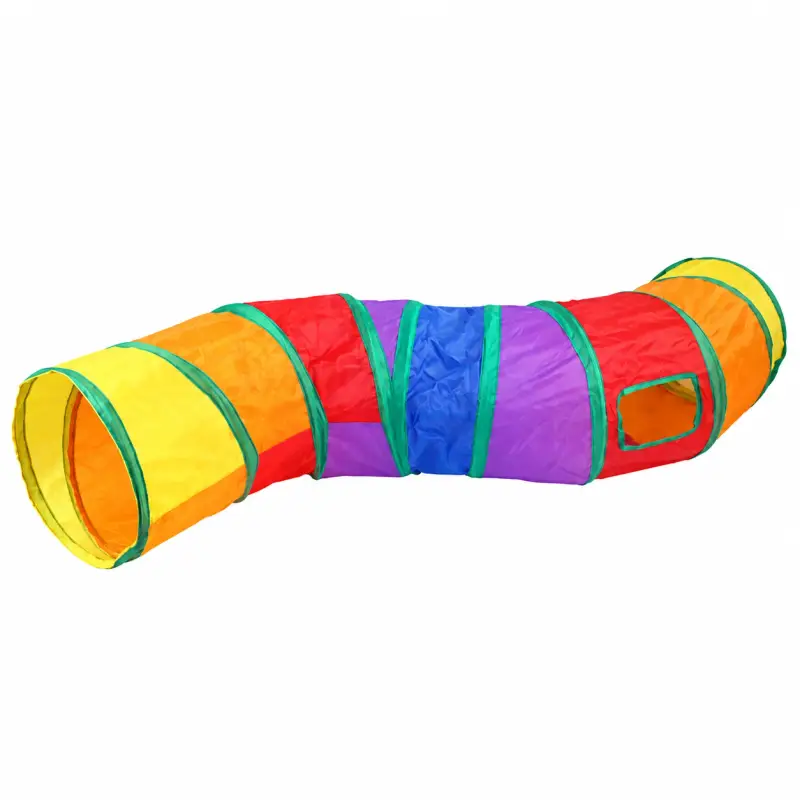
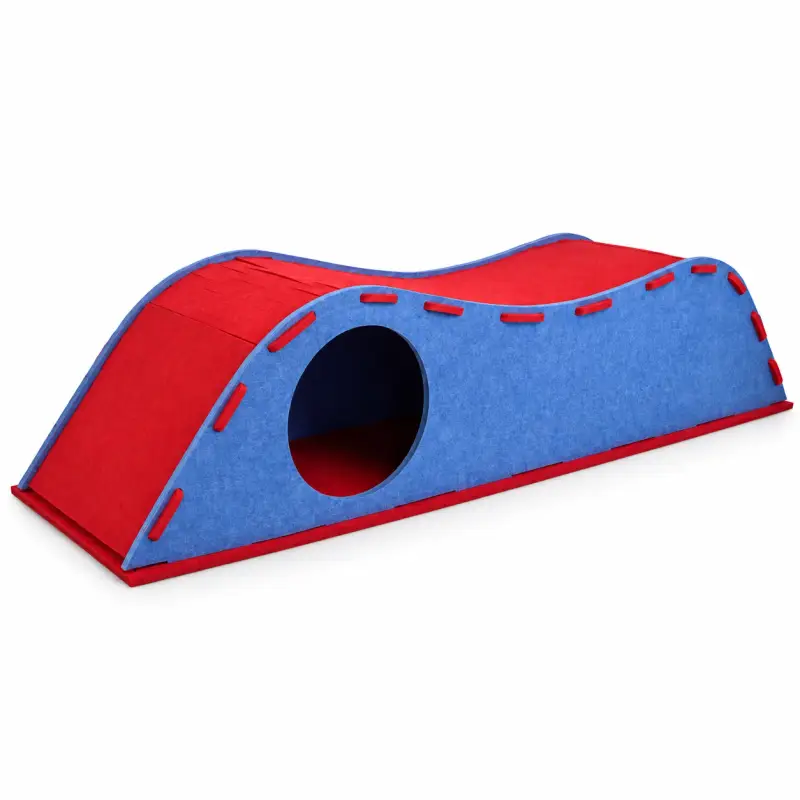
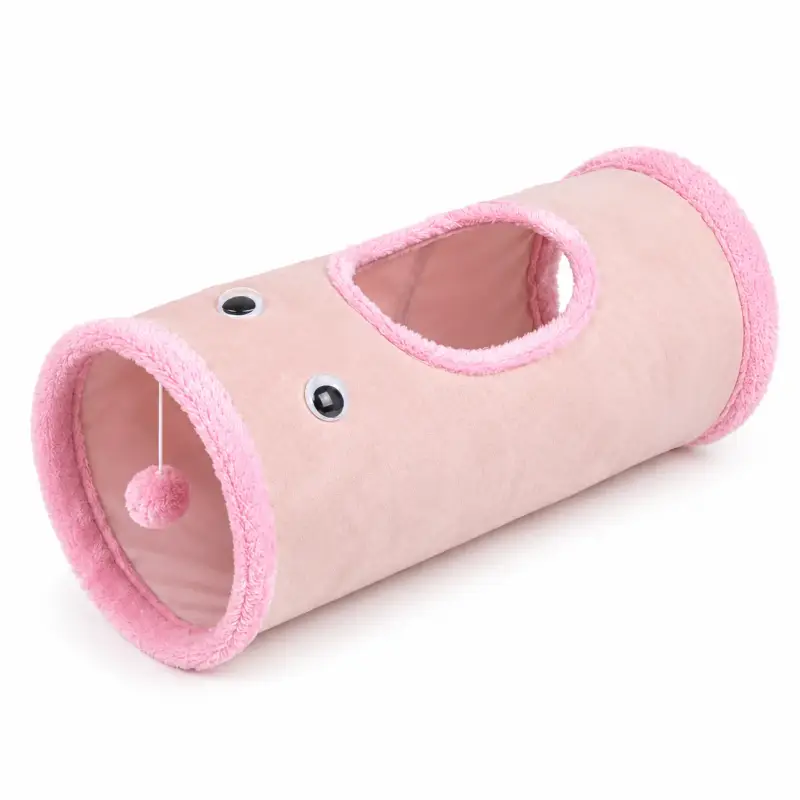
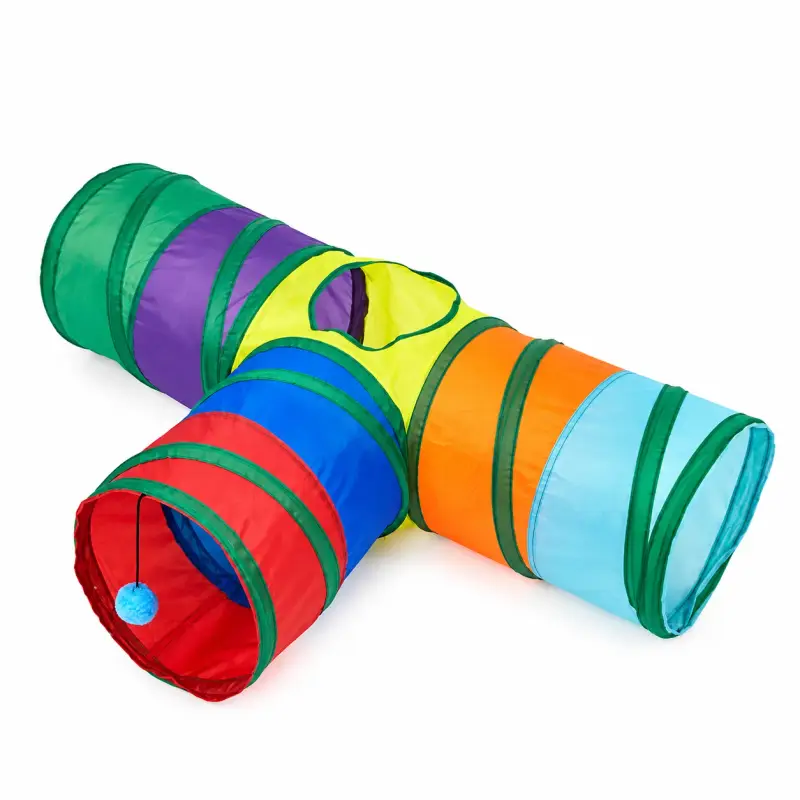
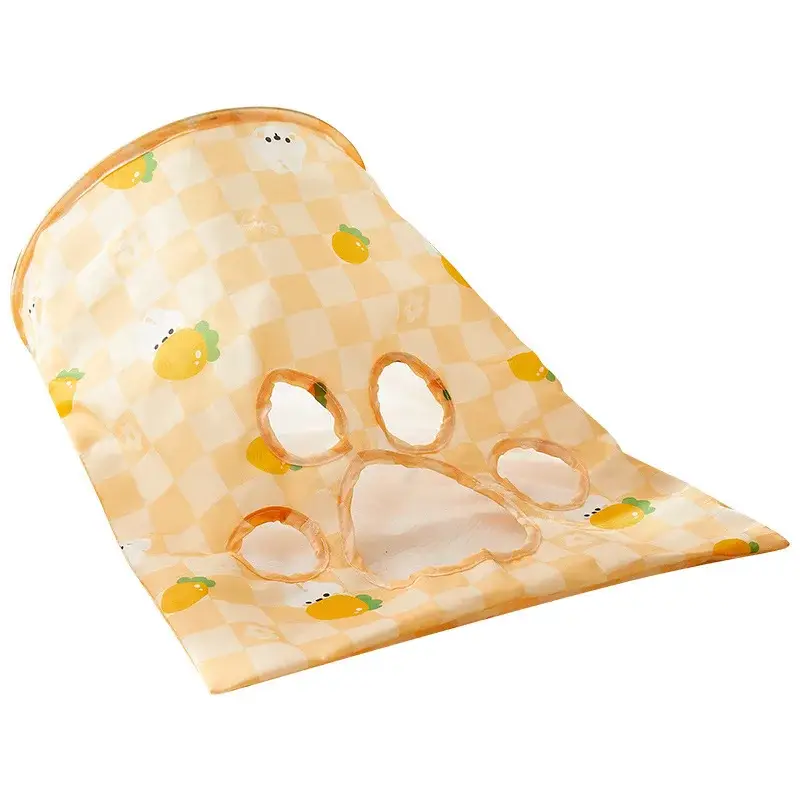
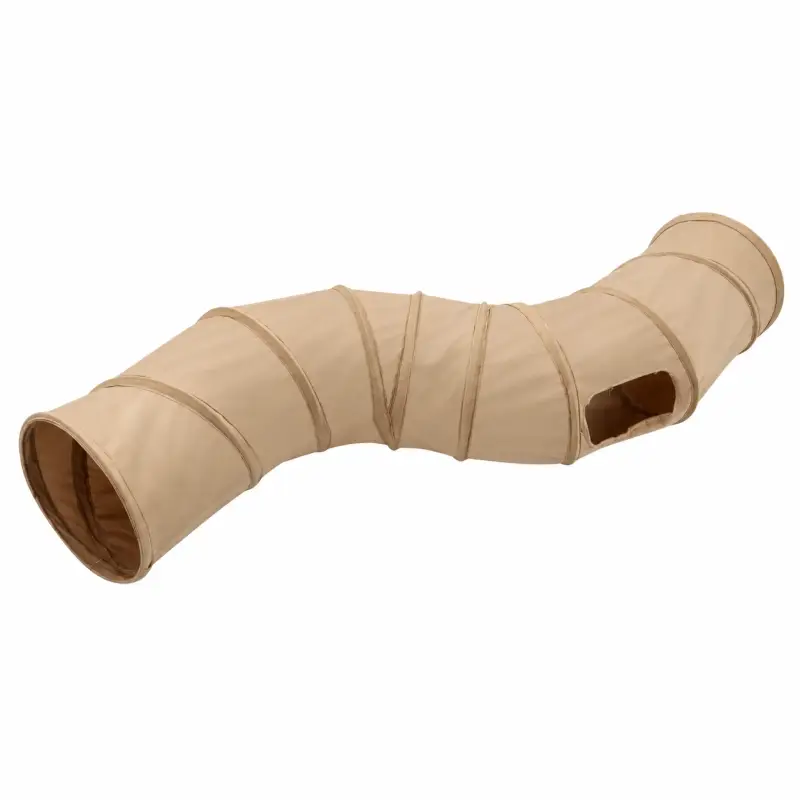
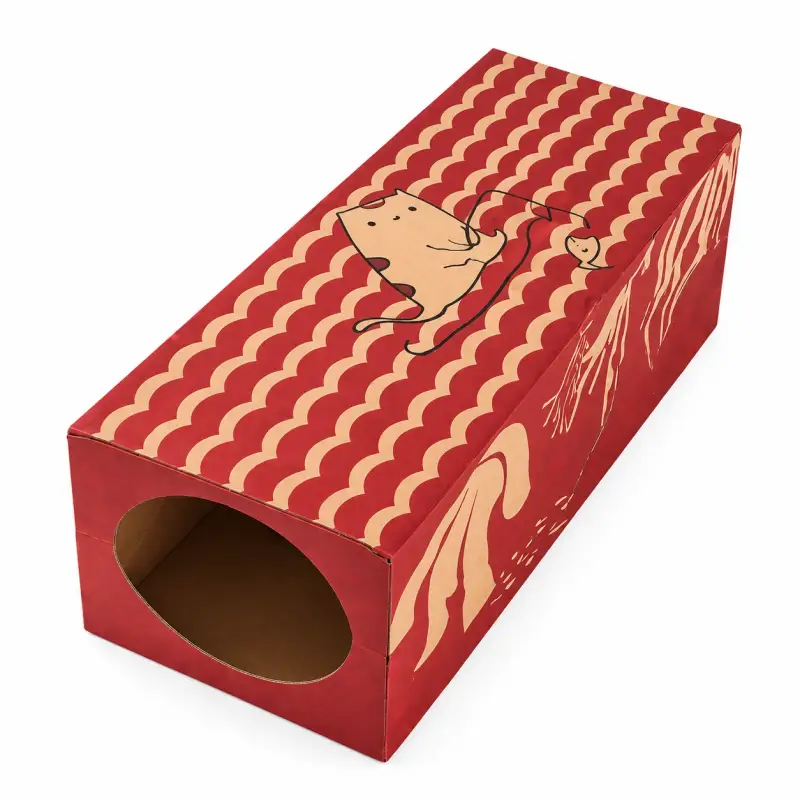
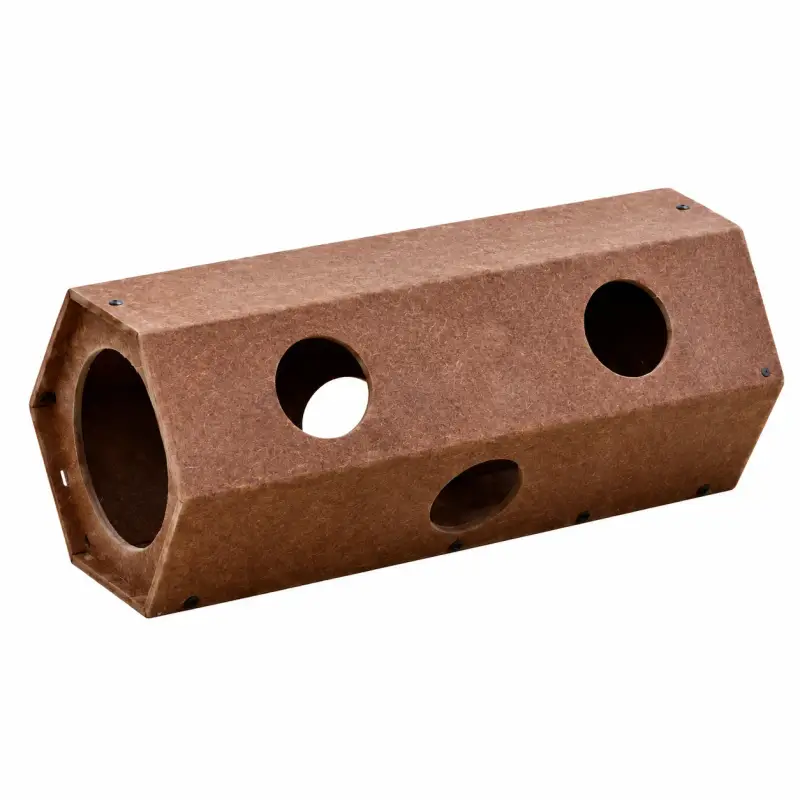
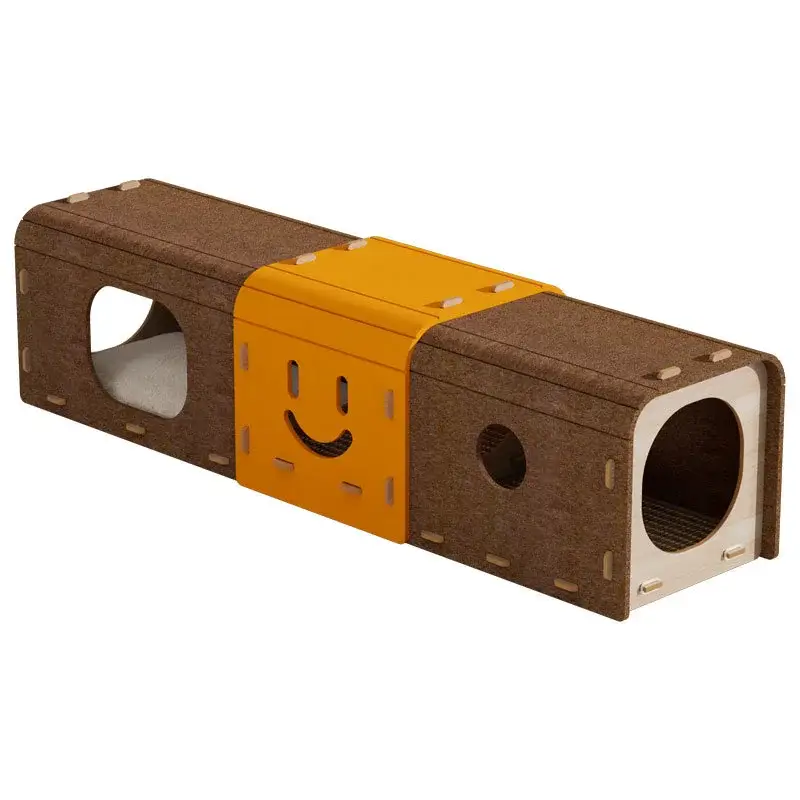
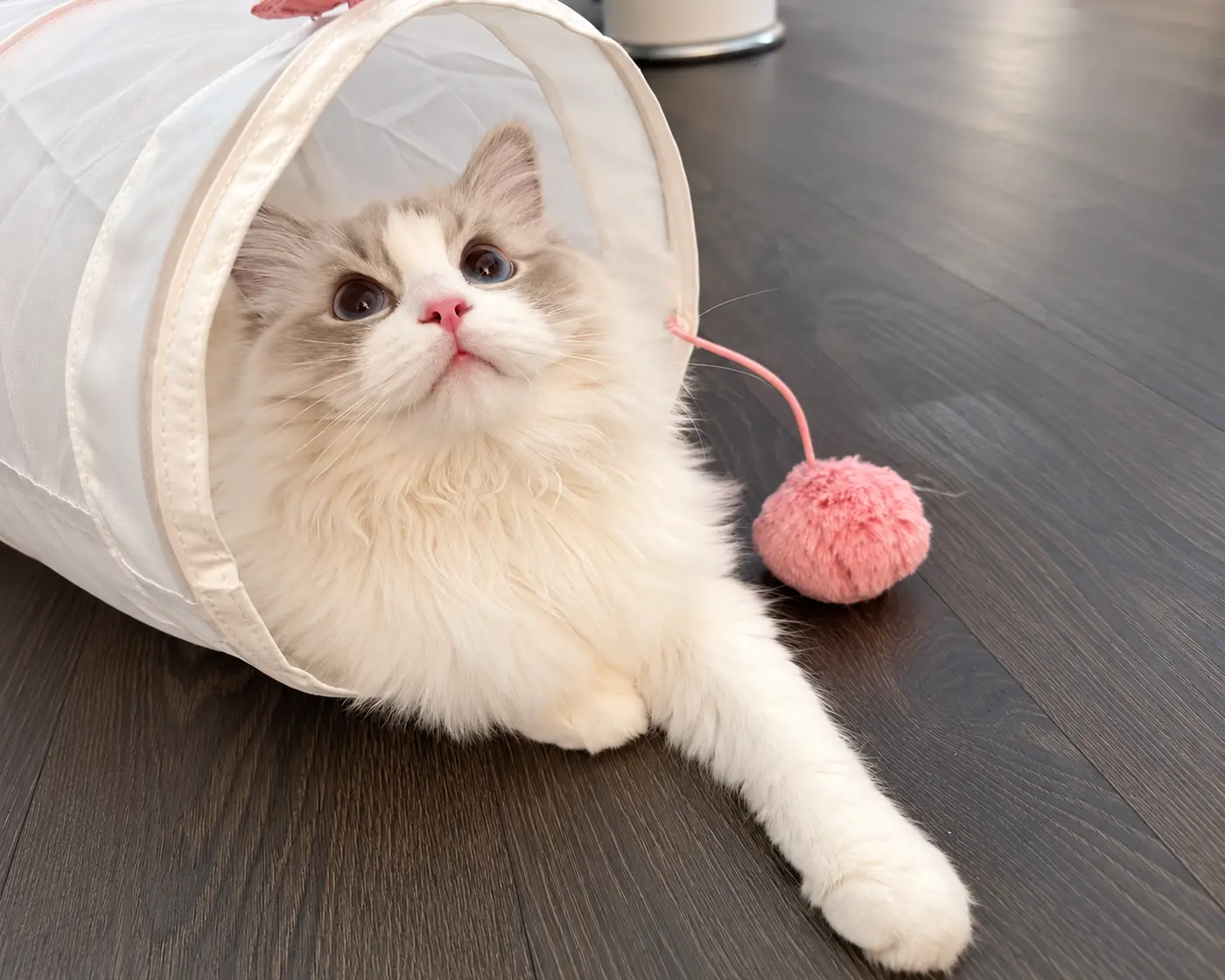
Start with what the cat can actually pass through or occupy: a flexible tube, branching passage, rest-and-play layout, open spiral, canopy or rigid-looking box section. Verify entrance clearance, assembled footprint and support method first; colours, print and branding follow the approved structure.
For a useful quote or sample review, identify the reference style first, then confirm the opening, internal clearance, overall footprint and any branch or resting area that changes the usable space.
Compare entrance size, usable internal clearance and any side or top opening. A longer cat tunnel does not necessarily provide a wider passage.
References R32-03–06 · R32-09
For a three-way cat tunnel, record each entrance and the junction area. If a resting space is included, dimension it separately from the passage.
References R32-07 · R32-02
Compare usable width and height, access openings and assembled length. For linked sections, define how many pieces are included and how they connect.
References R32-10–12
Spiral and canopy references are more open than a covered tube. Compare gaps, covered area, footprint and setup instead of relying on tube diameter alone.
References R32-01 · R32-08
“Large” and “foldable” are useful starting points, but they do not define a cat tunnel’s usable clearance or the finished retail pack. Use the same measurements when comparing quotations.
| What to compare | What to specify or confirm |
|---|---|
| Entrance & passage | For a round tube, record the clear internal diameter; for other shapes, record usable width and height. Check the narrowest point, junctions and side openings. Give the intended cat-size range when requesting a larger version. |
| Fully open size | State length, width and height in use. For curved or branching cat tunnels, include the overall footprint; a centre-line length alone does not show the floor space required. |
| Storage method | Confirm whether the selected construction folds, compresses or separates into pieces, how it is secured and how it opens again. Do not assume all 12 cat tunnel references pack in the same way. |
| Retail pack & carton | Confirm packed length × width × height, included parts, units per carton, carton dimensions and gross weight. Compare freight quotations using the same destination and shipping scope. |
A cat tunnel can look similar in a photo while changing substantially in usable space, openings, attached components or packed form. Keep the commercial brief tied to the exact structure you want to sample.
Share a reference, sketch or sample and discuss a compatible material and structural build for that exact style, followed by colours, print, logo placement and packaging. Fabric choices may suit a soft tube or canopy but must not be assumed for the box-shaped R32-10–12 examples. The customization process explains how to review structural and artwork changes.
List only components used in the chosen design: tunnel body or box panels, support hoops or connectors, lining or crinkle layer if present, any cushion or hanging toys, and the actual joining method. Keep this bill of parts consistent across the quote, approved sample and retail pack; a cardboard-like photograph does not establish the exact panel material.
Changes to entrance size, branches or supports need construction and packing review. Quantity per version, print choice, added components and packaging belong in the quotation brief; MOQ and feasibility are confirmed for the project.
Check cleaning, crinkle sound and indoor or outdoor use before choosing the tunnel for your range.
Check care instructions for the actual structure. Flexible fabric tubes, removable cushions, support parts and box-style panels can require different cleaning methods; do not apply a machine-washable claim to R32-10–12 from photographs. Request component-specific washing, wiping, drying and reassembly instructions before finalizing the retail label.
You can specify the sound preference for the project. Confirm whether any crinkle layer should be omitted, then review the complete sample because fabric and attached components can also affect sound.
The references shown are cat play products, not a weatherproof or escape-proof enclosure claim. If the project is for outdoor use, describe the environment and containment requirement so suitability can be reviewed separately.
Share the reference and requested changes first. Sample type, cost, courier arrangement and timing can vary by project. Use the approved construction, dimensions, components and care instructions to define the bulk-order specification.
Send a reference ID, photo, sketch or question. Estimated quantity and delivery country can follow when you need a specific quotation. Add target dimensions, retail-pack limits or an arrival date if you already know them; a finished specification is not required for the first discussion.
If the main product is a standalone sleeping item rather than a tunnel with a resting area, see Cat Beds.