Ref. R30-01
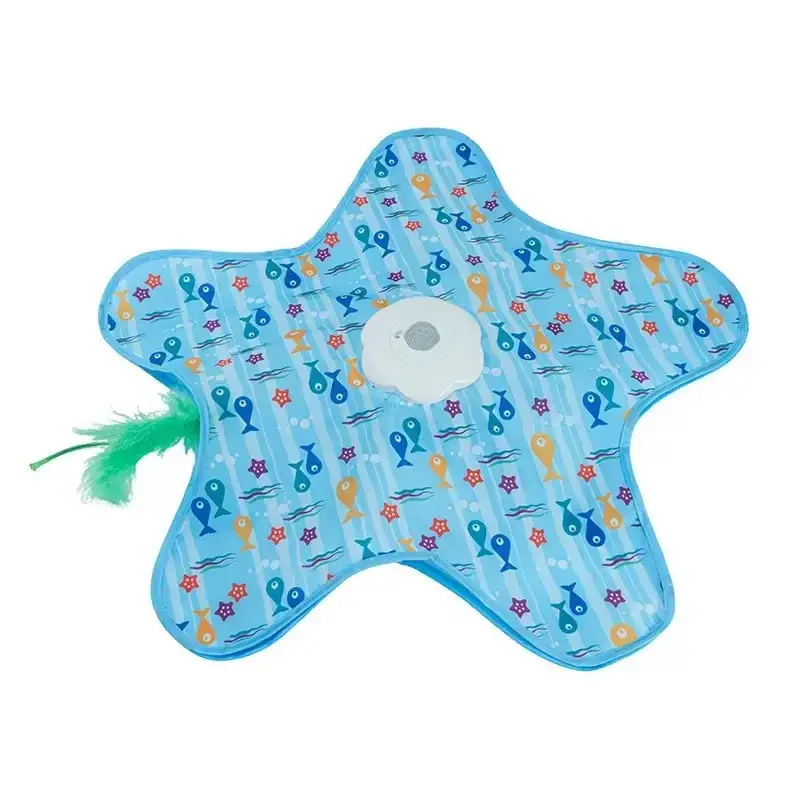
Star-shaped cat activity mat
Mat-style reference with a central play module and attached element.
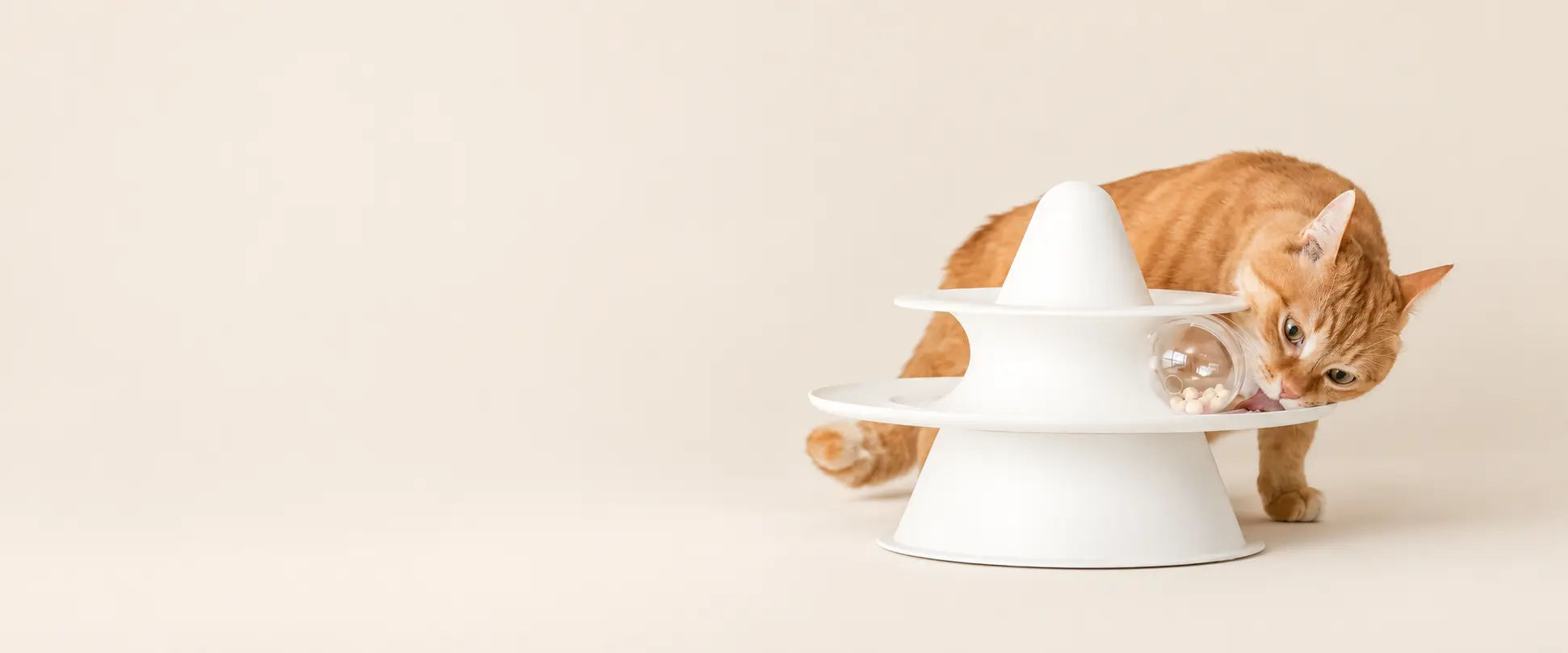
Explore cat puzzles, ball tracks, handheld activity toys and other play formats. Compare how each design operates, what moves or opens, which components are removable, and how it is reset or cleaned before shortlisting a sample.
These 12 references are not one uniform mechanism: R30-03, R30-07 and R30-09 show puzzle or reach-in designs; R30-06, R30-08 and R30-12 show different track layouts; R30-02 is a handheld pompom toy, while R30-05 has a clear upper housing on a blue base. Confirm each version's actual movement, power requirements if any, included pieces and cleaning access before discussing a quote.
Mat-style reference with a central play module and attached element.
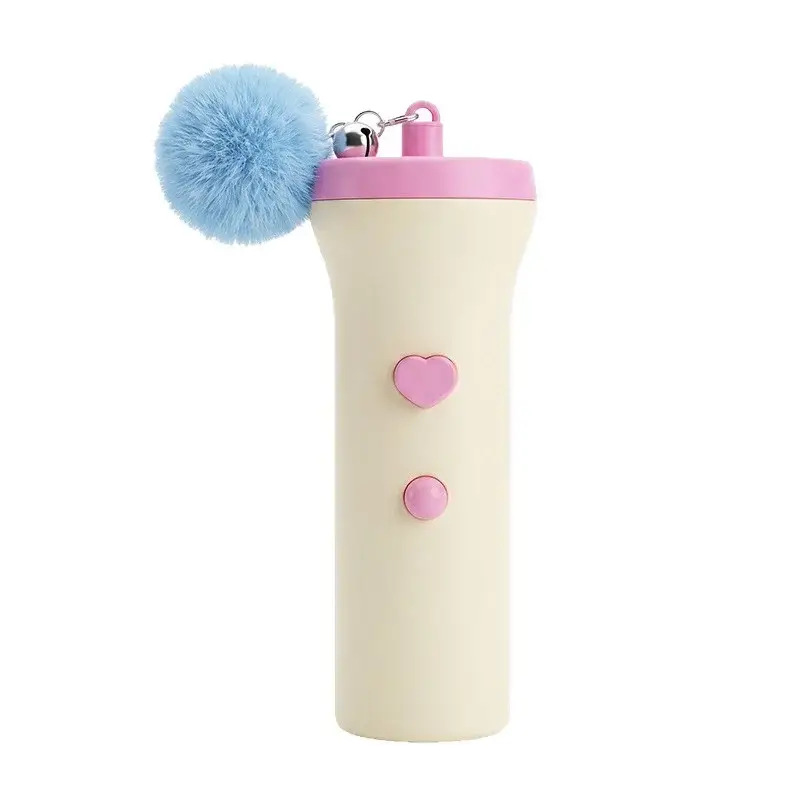
Handheld reference with a cylindrical grip and suspended pompom.
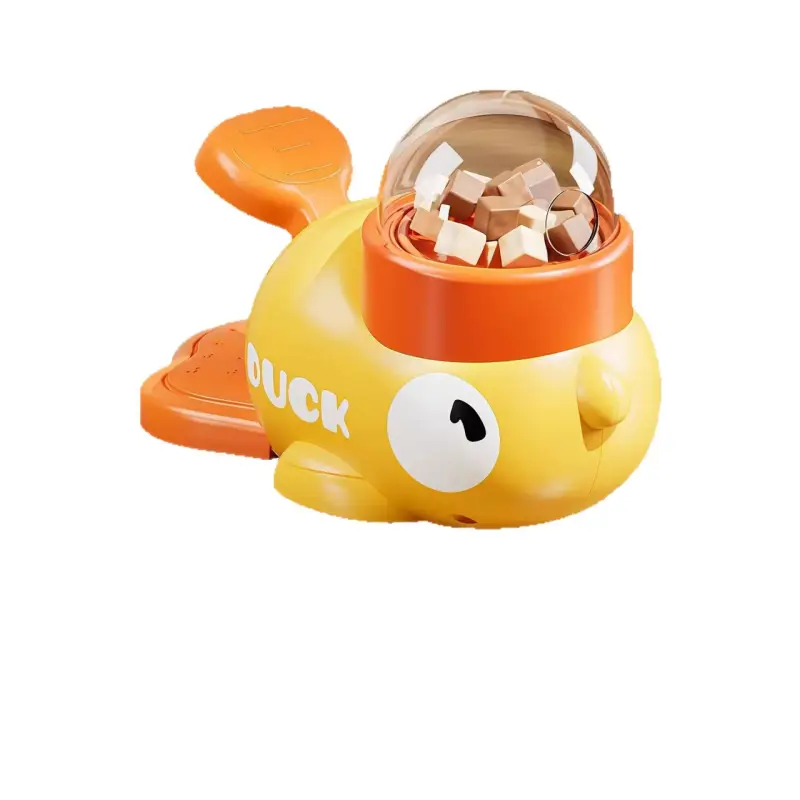
Duck-shaped activity reference with a clear upper section.
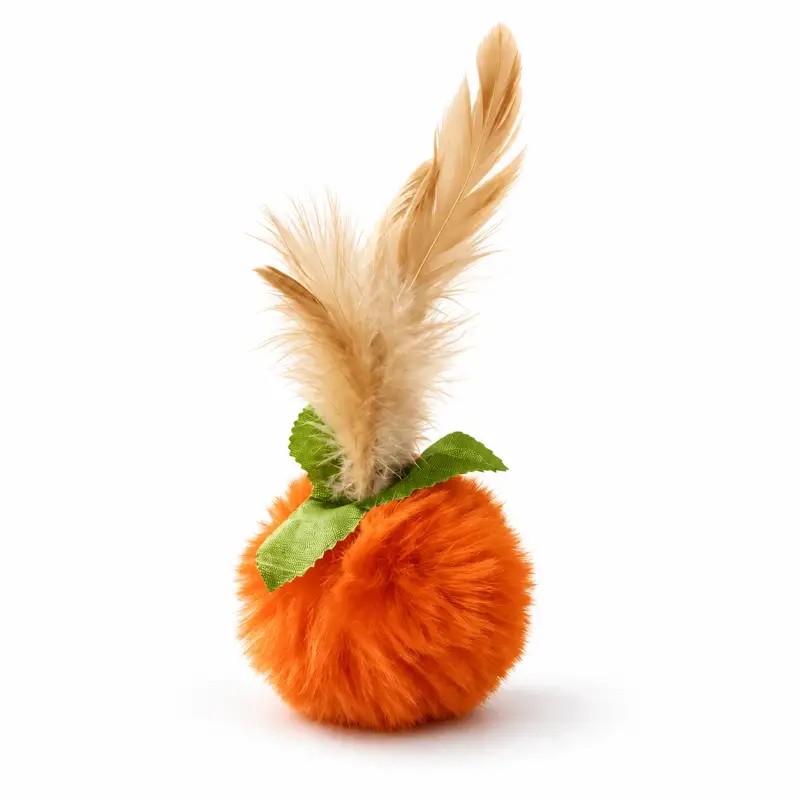
Ball-shaped cat toy with a feather top.
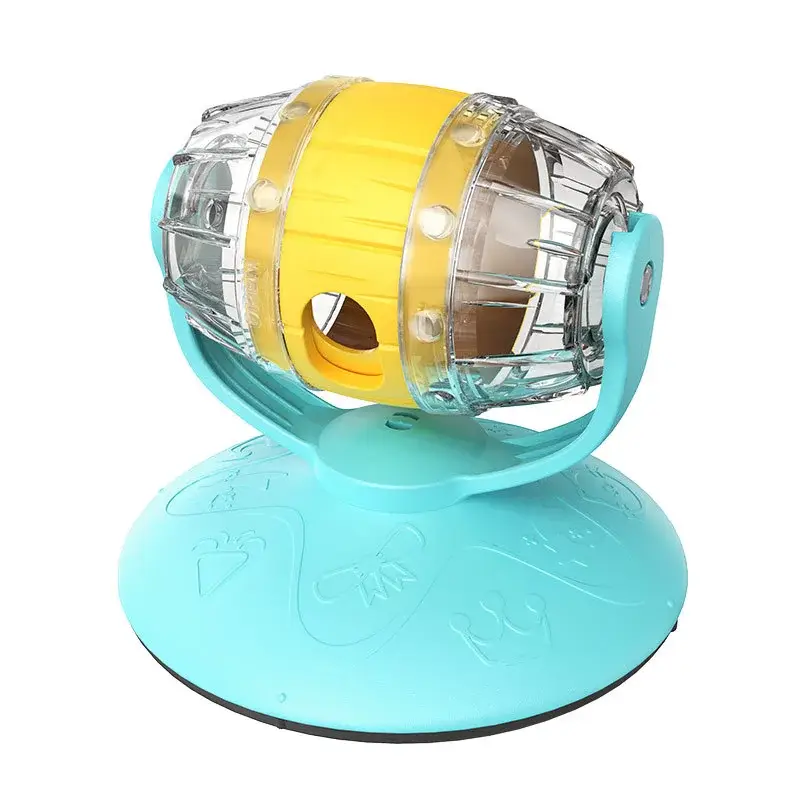
Clear activity reference mounted on a blue base.
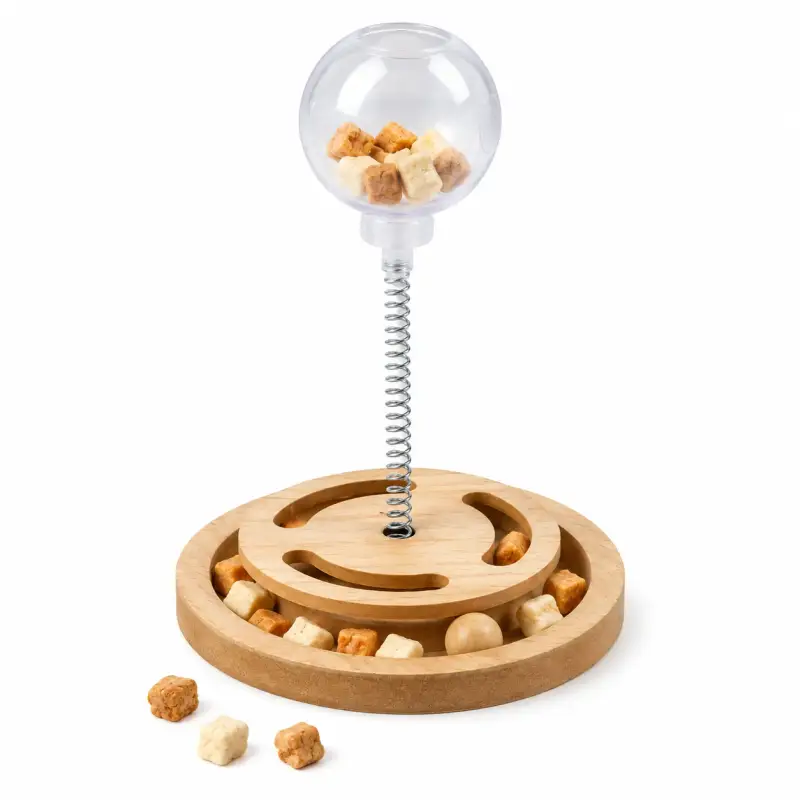
Circular ball track with a spring-mounted upper play element.
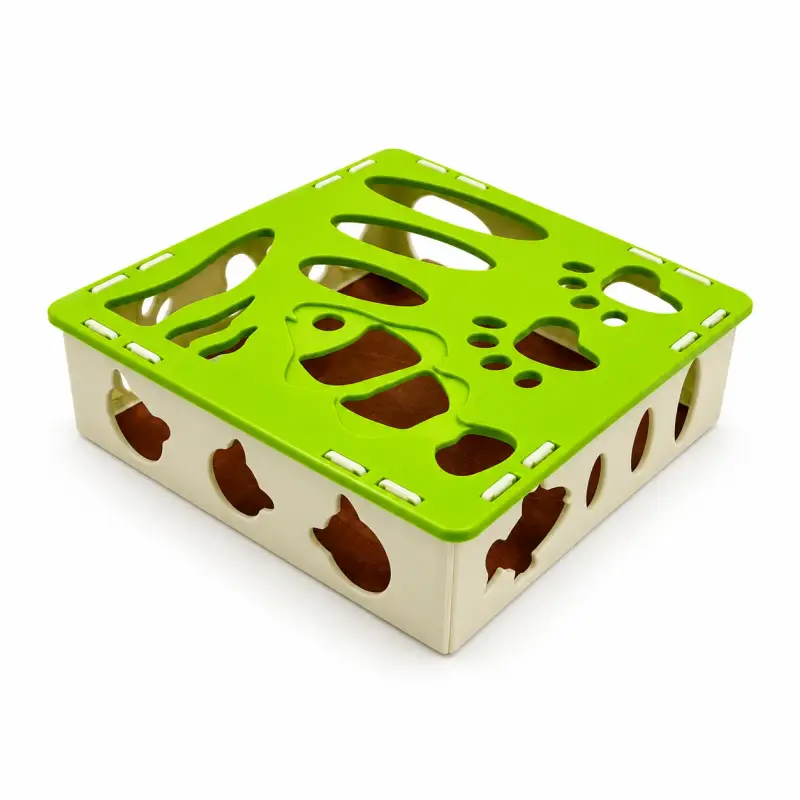
Box-format puzzle reference with multiple reach openings.
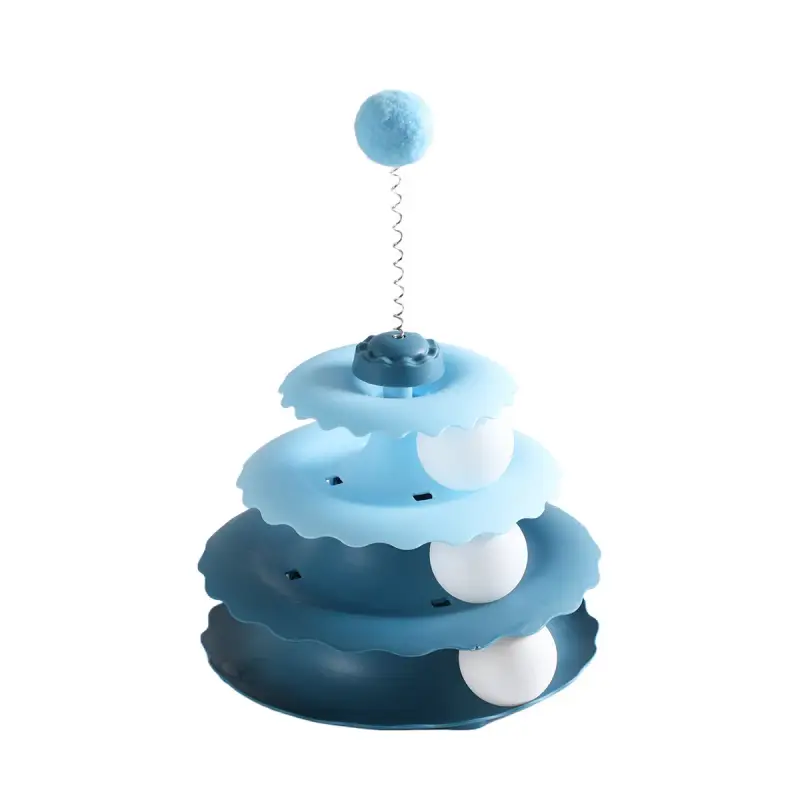
Multi-level ball track with a spring-mounted pompom.
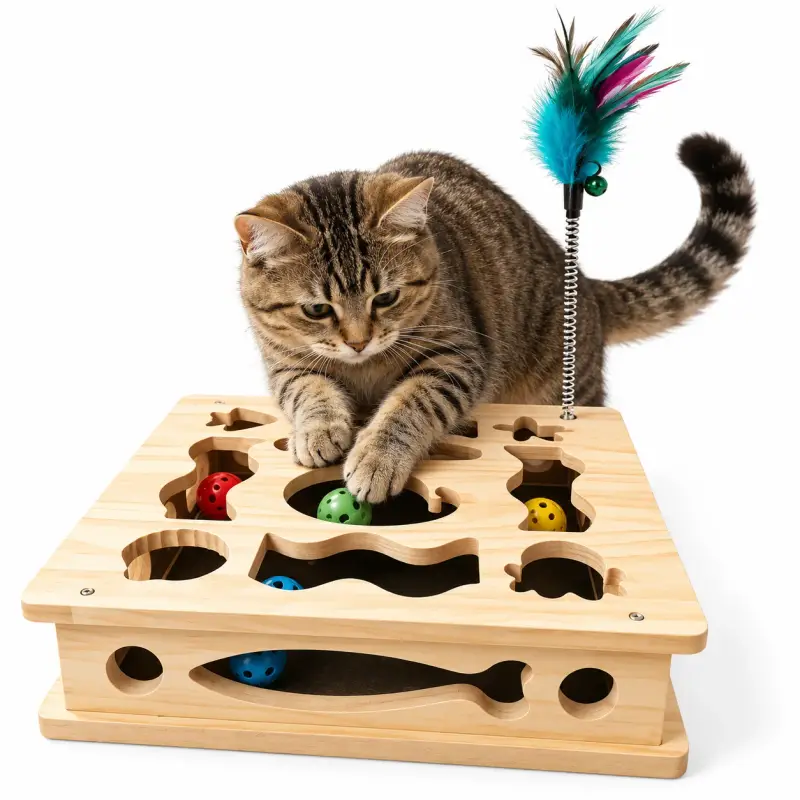
Puzzle-box reference with multiple openings and internal play elements.
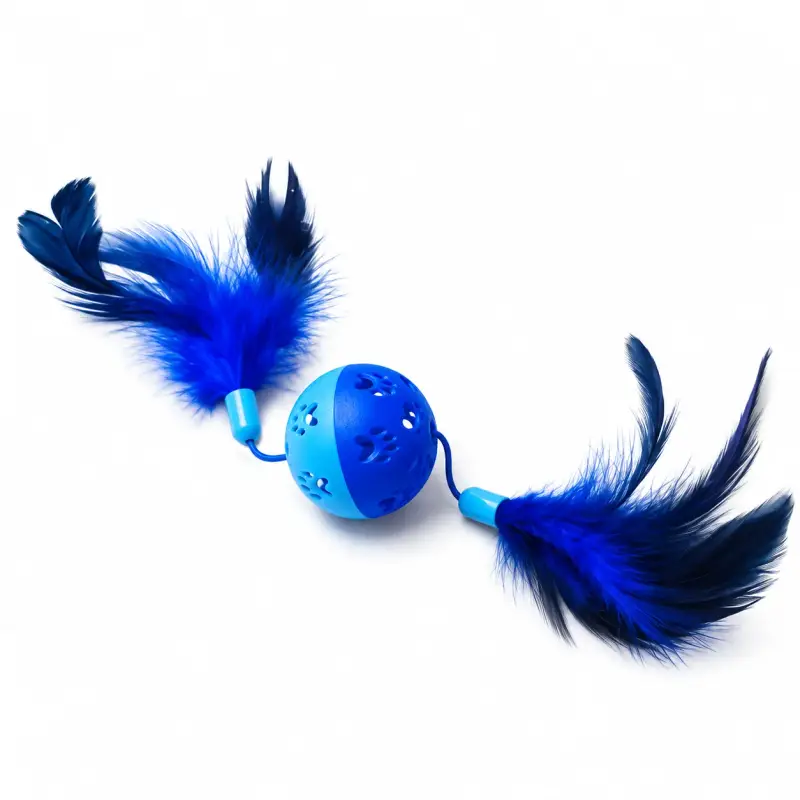
Perforated centre body with feather-ended attachments.
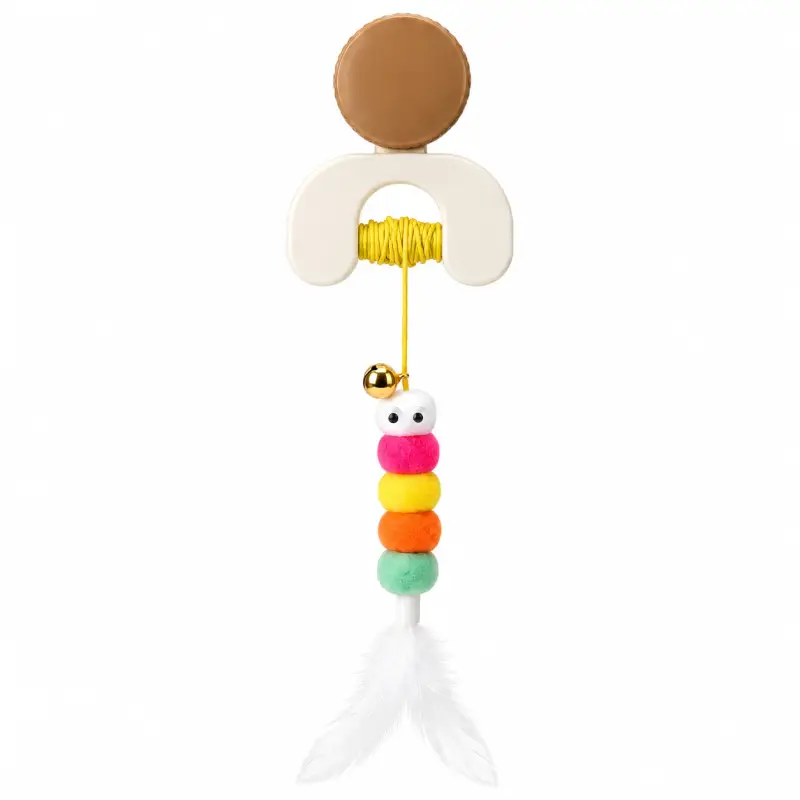
Hanging reference with bead and feather elements.
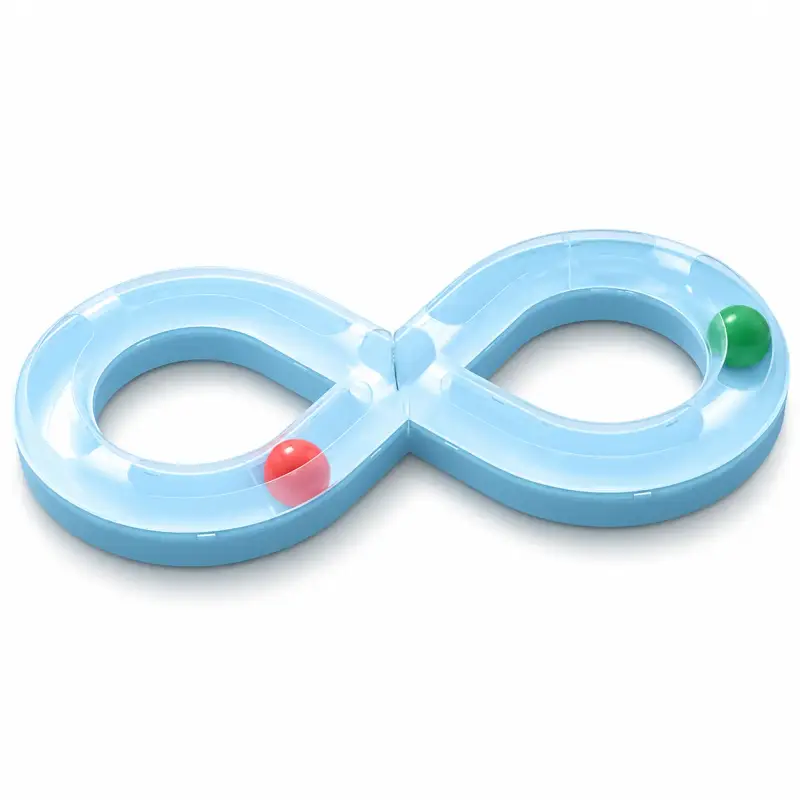
Figure-eight ball track with two visible balls.
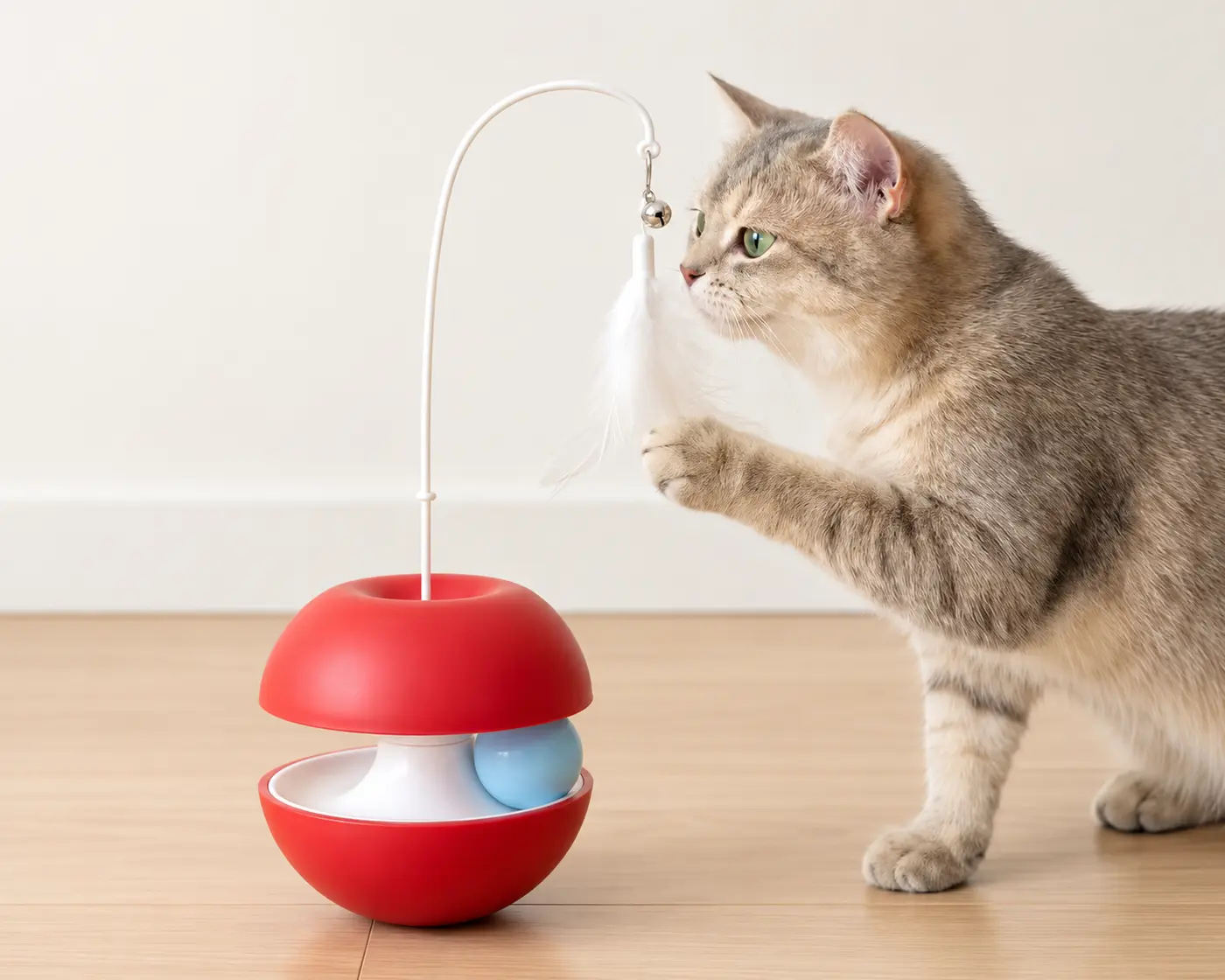
Different interactive cat toys ask the cat to bat, roll, reach or uncover something. Start by choosing the play format, then confirm the parts and dimensions that define that version.
A ball track gives the cat a moving target within a defined footprint. A compact single path and a larger multi-level track occupy different shelf and floor space; more levels are not automatically a better choice. Check that the ball moves freely and stays retained during the intended play.
A reach-in box hides the target rather than keeping it fully visible. Compare how easily a paw can reach it and how the owner retrieves it for cleaning. Identify whether the target is a toy or food: not every puzzle box is a treat feeder.
Spring-mounted and hanging targets add movement above the base. Check the footprint, stability and attachment clearance as well as the target itself. A feather or string changes the supervision and storage instructions, even when the main body is self-contained.
Confirm the overall footprint, track levels, opening positions and fixed elements that define the finished toy.
Record the size and position of reach openings, track paths and the access needed to parts behind or beneath them.
Confirm the size, count and position of balls, inserts or attached elements, and which parts stay captured or can be removed.
Define which parts must stay in place, how removable parts are reset or reloaded, and how internal areas are accessed for routine cleaning.
Keep the play format clear first. Then confirm the exact parts, dimensions and project details that should appear on the sample and quotation. For revised versions, see the customization process.
Choose one reference and mark the track, opening or attached element that defines the play action you want to keep.
List the balls, inserts, covers or attached pieces, including which stay fixed, captured or removable on the sample.
Once the interaction and part set are clear, add colour, branding and packaging requirements for the same approved version.
Check the chosen sample against the same brief: overall size, actual play action, movement and retention of balls or attached parts, access for reset and cleaning, and any power or food-contact requirements applicable to that model. Verify the approved colour, branding, complete parts list and packaging without assuming every reference shares the same mechanism.
Tracks and puzzles can give a cat something to bat or reach without an owner moving a wand, while handheld toys and hanging teasers involve different forms of play. The reference photos do not establish the power source of every design: check the selected model's actual mechanism and any battery or charging requirement before making a non-electric claim. Confirm removable parts and supervision guidance for that product.
Choose a track when you want a visible moving target along a set path. Choose a reach-in puzzle when the activity is finding or reaching a partly hidden target. Compare access, footprint and cleaning on the sample. The number of levels or openings alone does not show how engaging or suitable a toy will be.
They can be discussed where the design allows replacement. Give each refill its own dimensions and compatibility reference, then state whether it is included or sold separately. Review how the owner fits the replacement and how the toy retains it; a similar-looking ball or feather head may not fit.
No. Self-play describes how the cat starts the movement, not a promise that supervision is unnecessary. Strings, feathers, removable pieces and worn parts need particular attention. Agree instructions for checking damage, supervised use and storing the selected toy between sessions.
The owner should be able to remove hair and debris from the path or interior without damaging the toy. Compare cleaning access, removable parts, drying and reassembly. If the toy uses food, check every food-contact area and the proposed care method; decorative openings alone may not provide adequate access.