Ref. R31-01
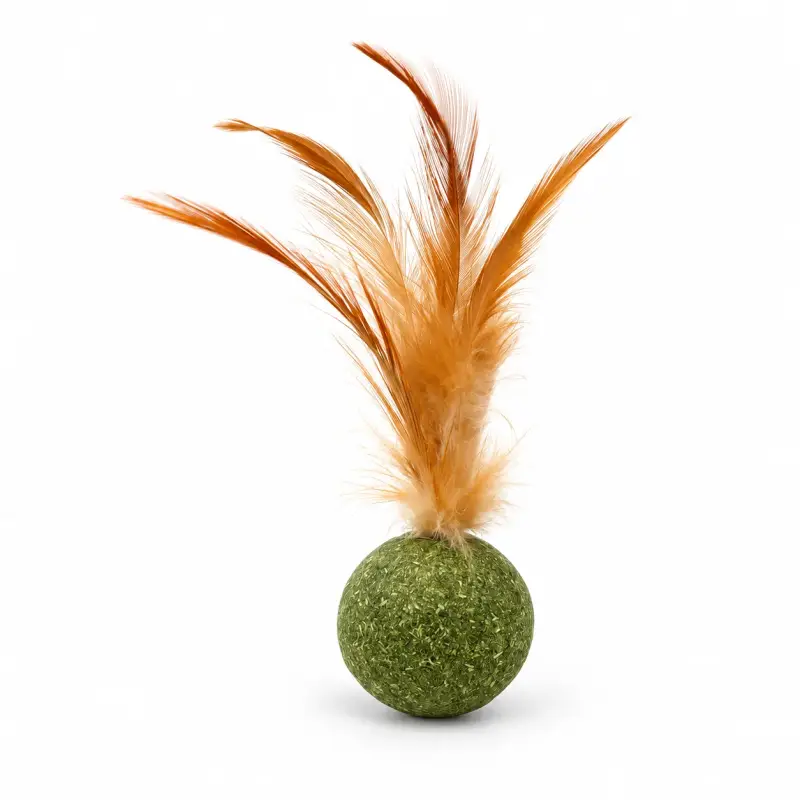
Catnip ball toy with feather plume
Rounded ball-style reference with a feather plume.
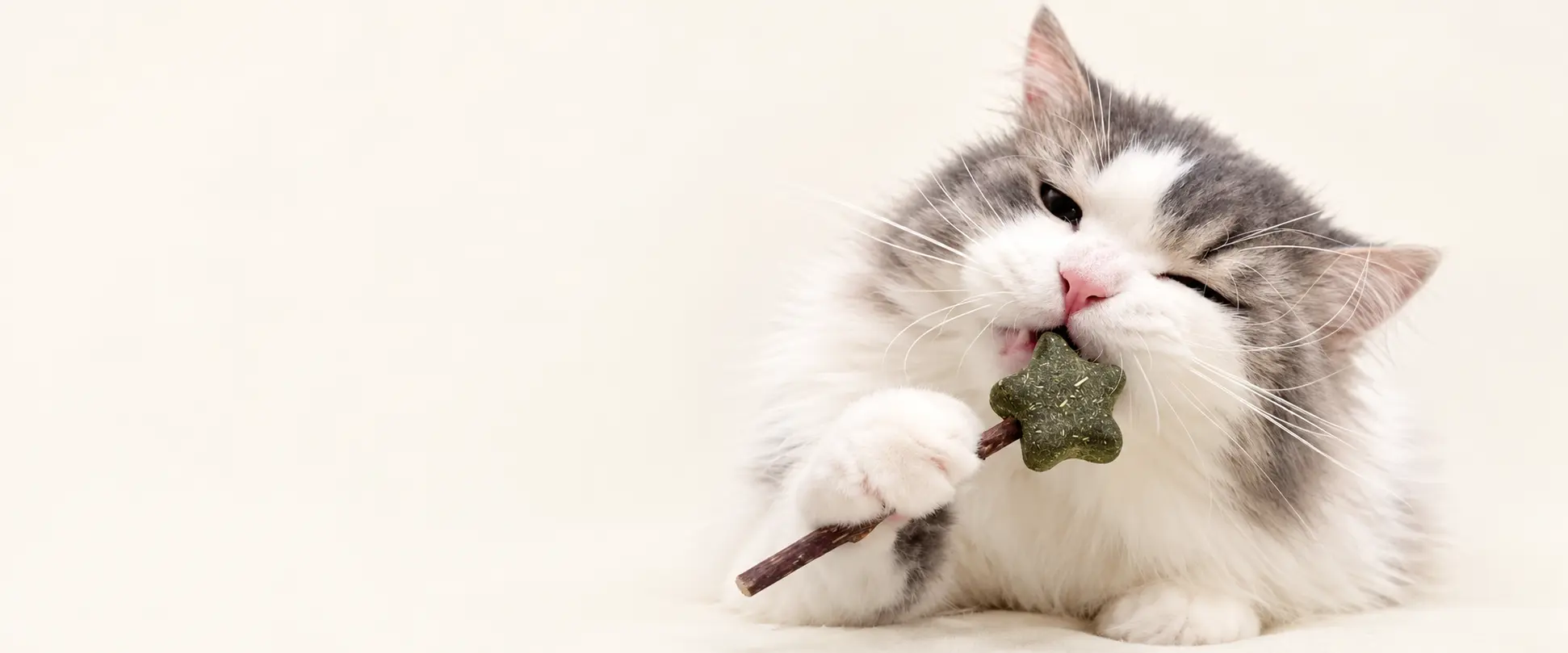
Explore catnip toy shapes and holders for your next collection. Start with the look you want, then confirm the plant ingredient, construction and packaging for the selected design.
Choose by the actual toy structure: R31-01 and R31-05 are loose ball styles, R31-02 and R31-11 retain a ball in a stand or holder, R31-07 and R31-12 show cat-shaped holders, and R31-03 and R31-08 are fish-shaped toys. R31-04 and R31-10 use stick and feather or textured attachments. Compare dimensions, access, secure joins, refill or pack contents on the selected Ref. ID. A green texture or a pile of plant matter does not confirm the botanical ingredient; verify catnip, silvervine or other filling before product and label approval.
Rounded ball-style reference with a feather plume.
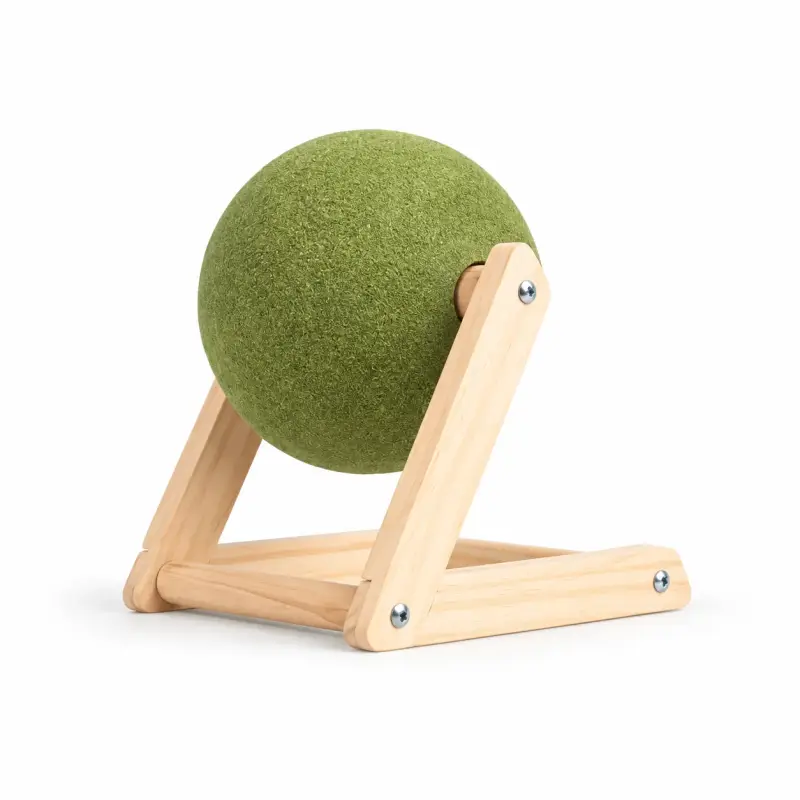
Ball-style reference presented on a wood-tone holder.
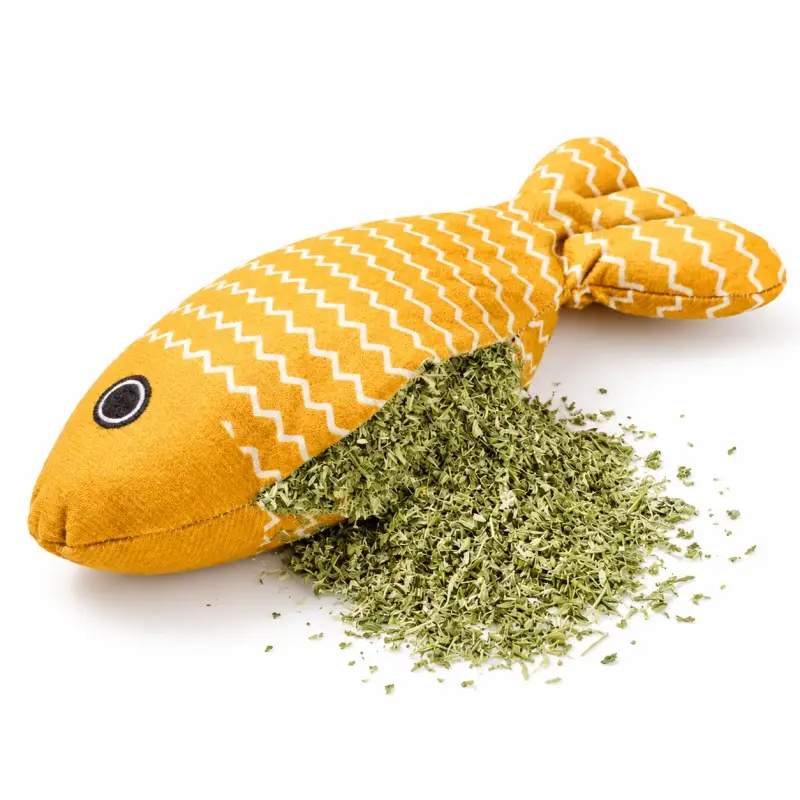
Soft fish-shaped reference shown alongside loose plant material.
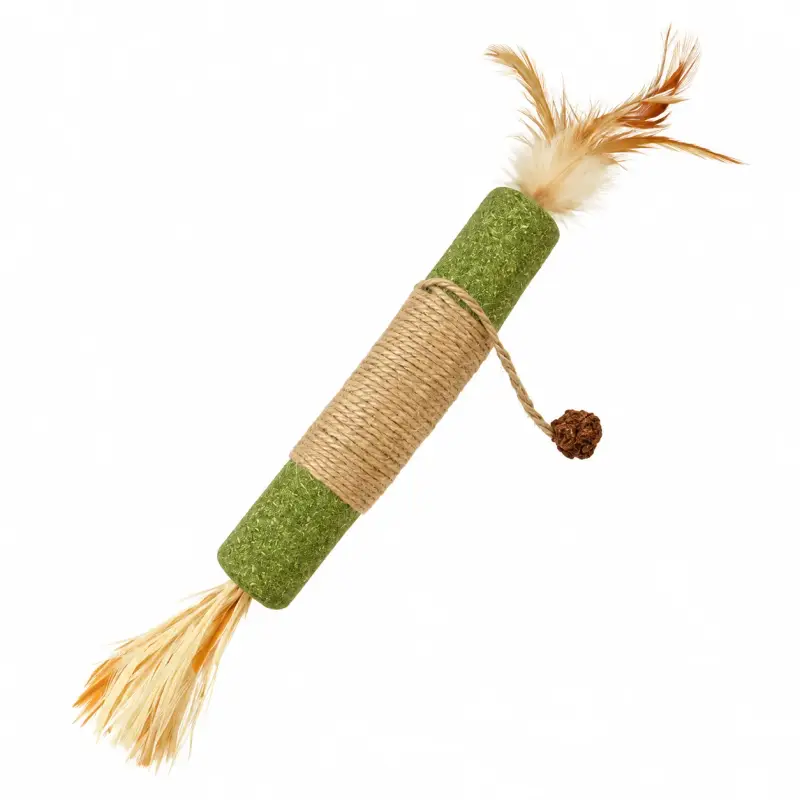
Wrapped stick-style cat toy with feather details at both ends.
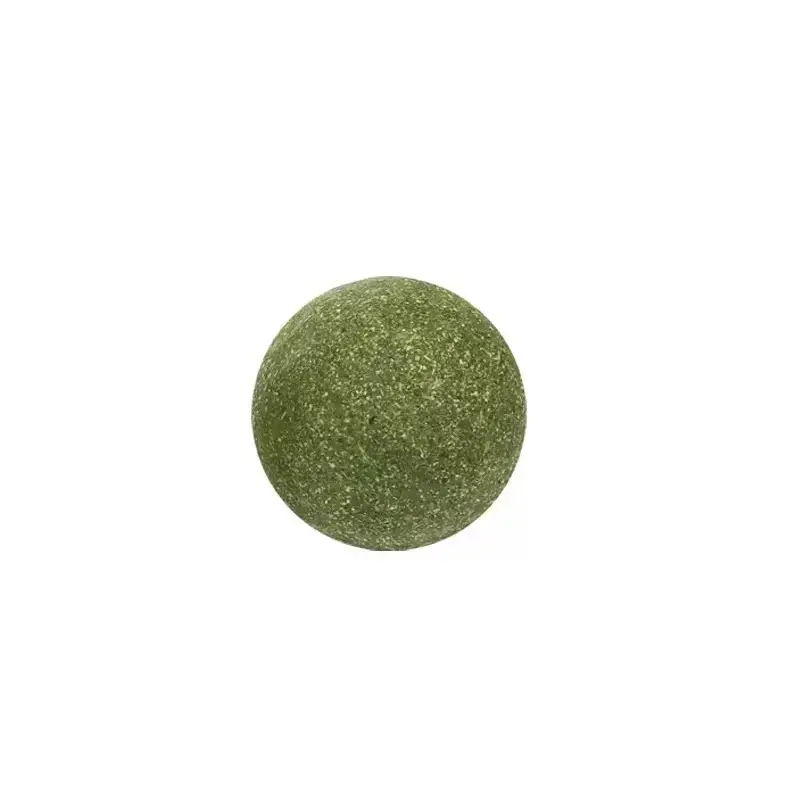
Simple rounded catnip ball reference.
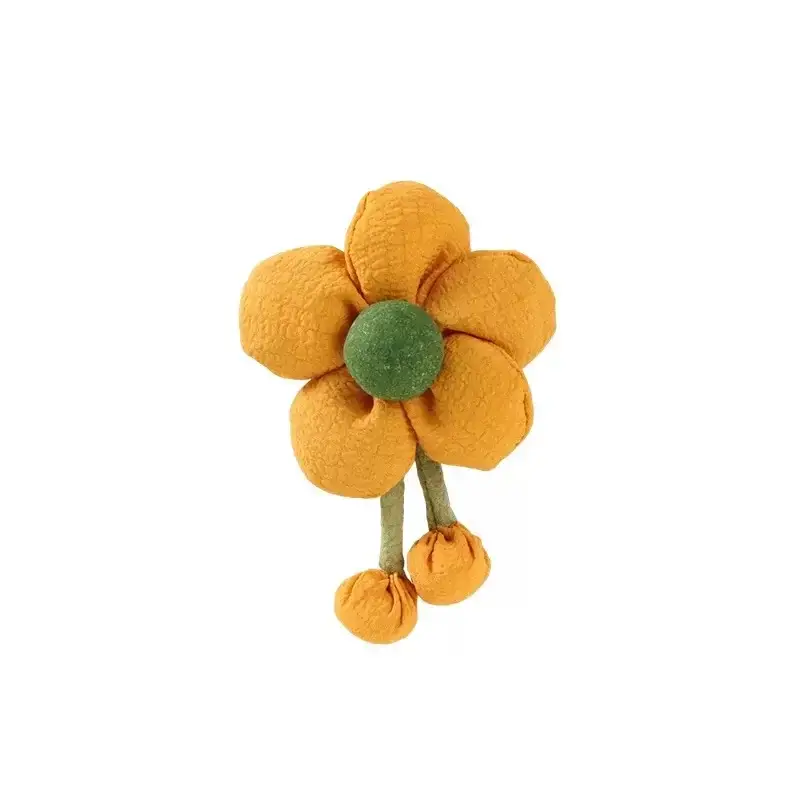
Flower-shaped cat toy reference with a contrasting centre.
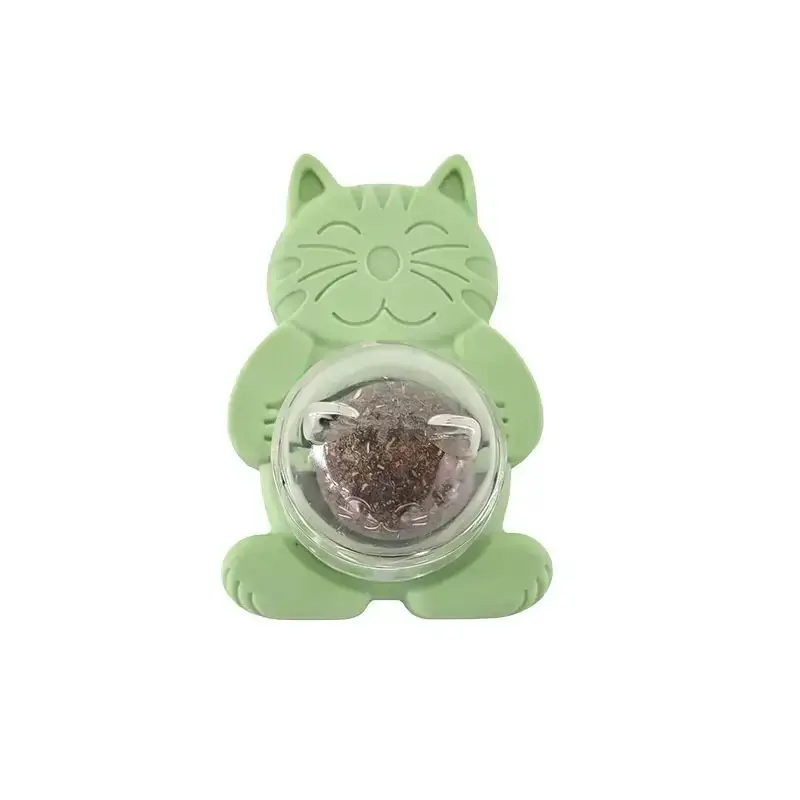
Cat-shaped holder reference with a clear central cover.
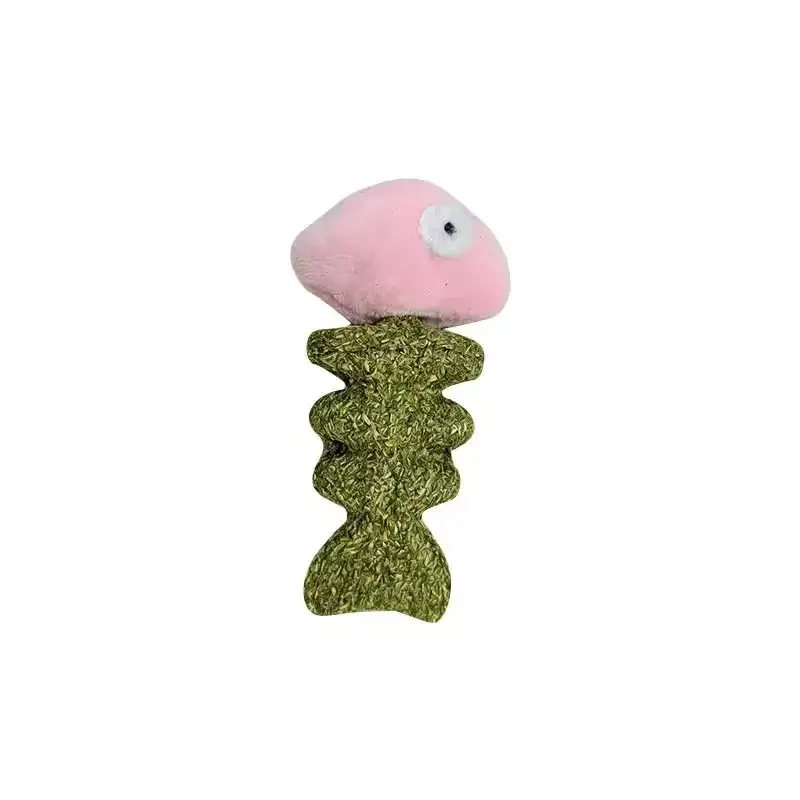
Fish-shaped cat toy with a segmented body.
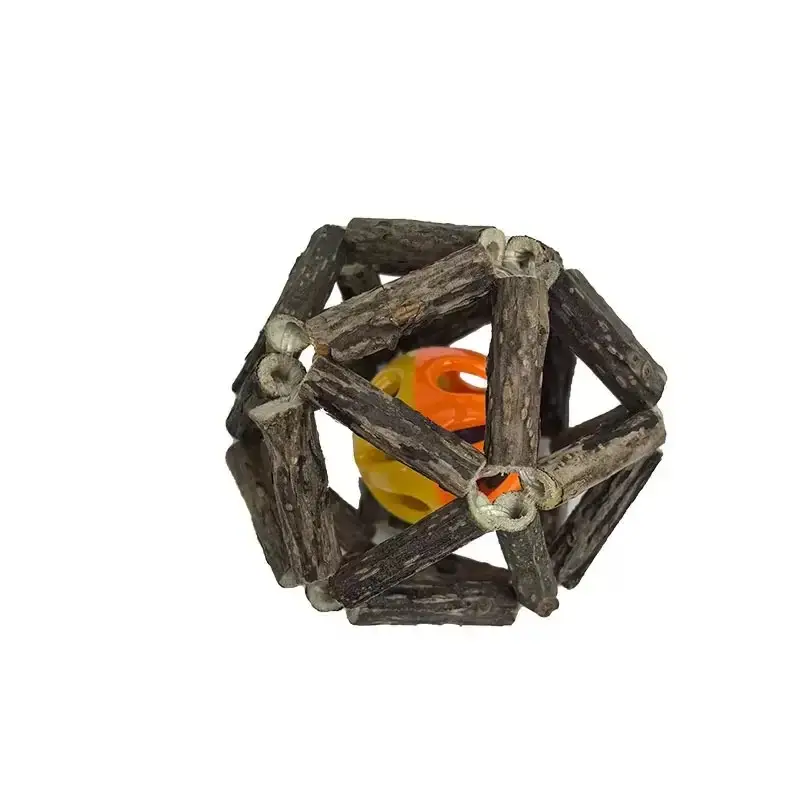
Open-frame ball reference with a feather detail.
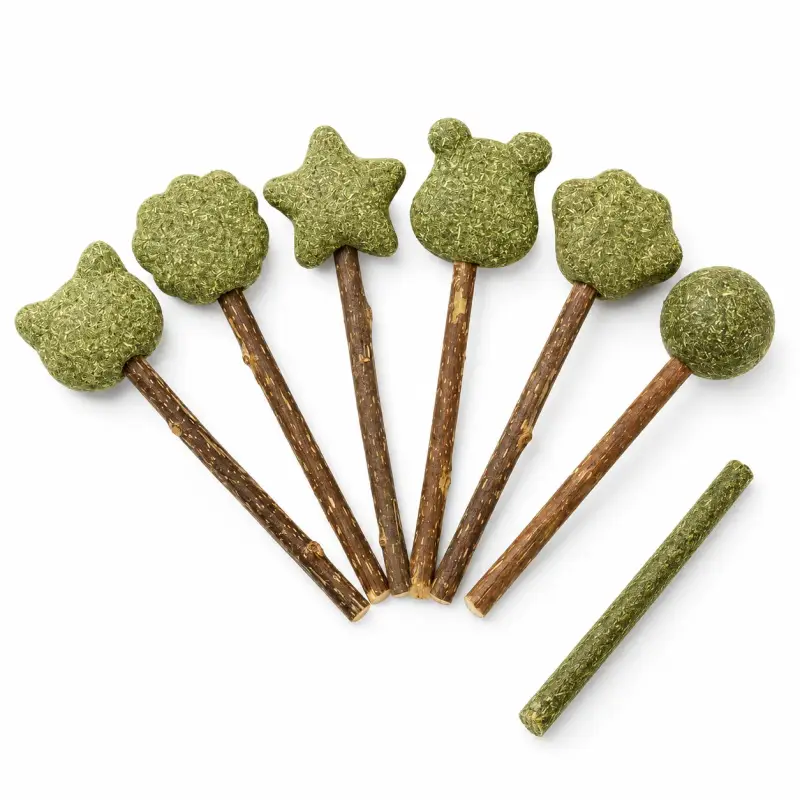
Plant-textured stick-style cat toy references.
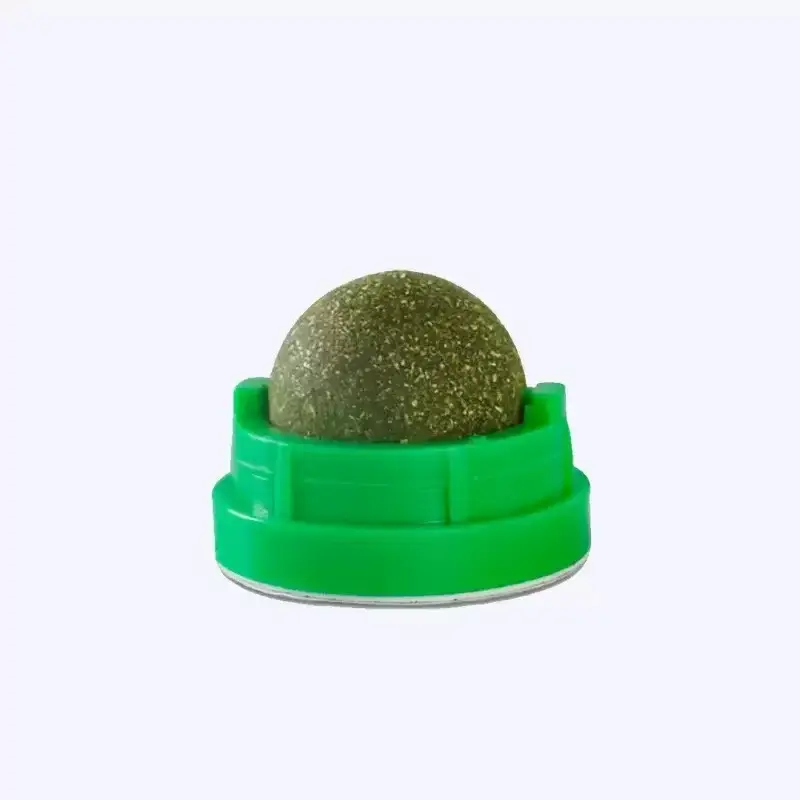
Rounded insert presented in a circular holder.
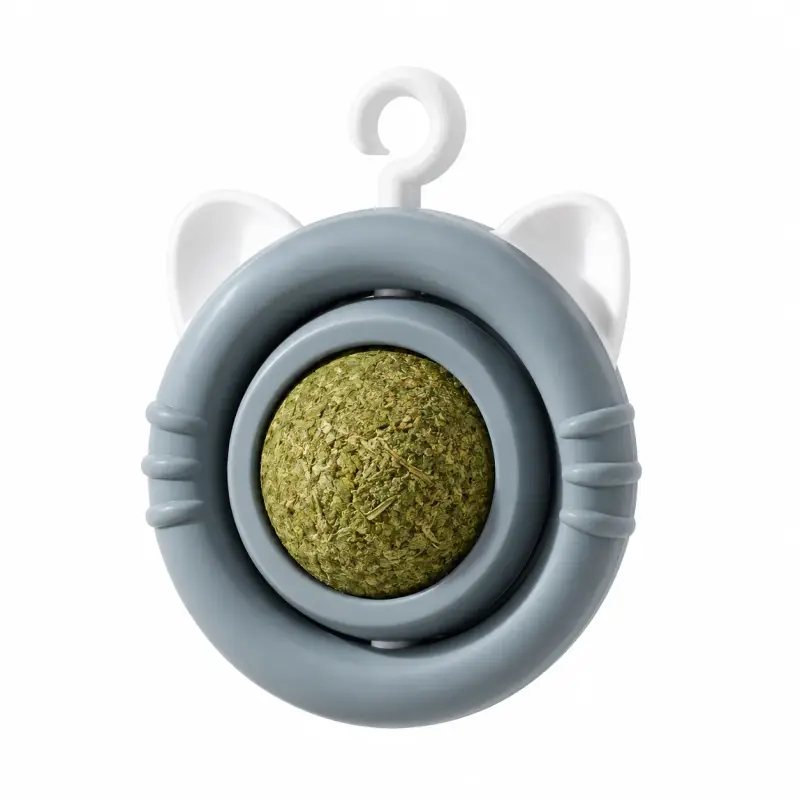
Cat-shaped holder reference with a round textured insert.
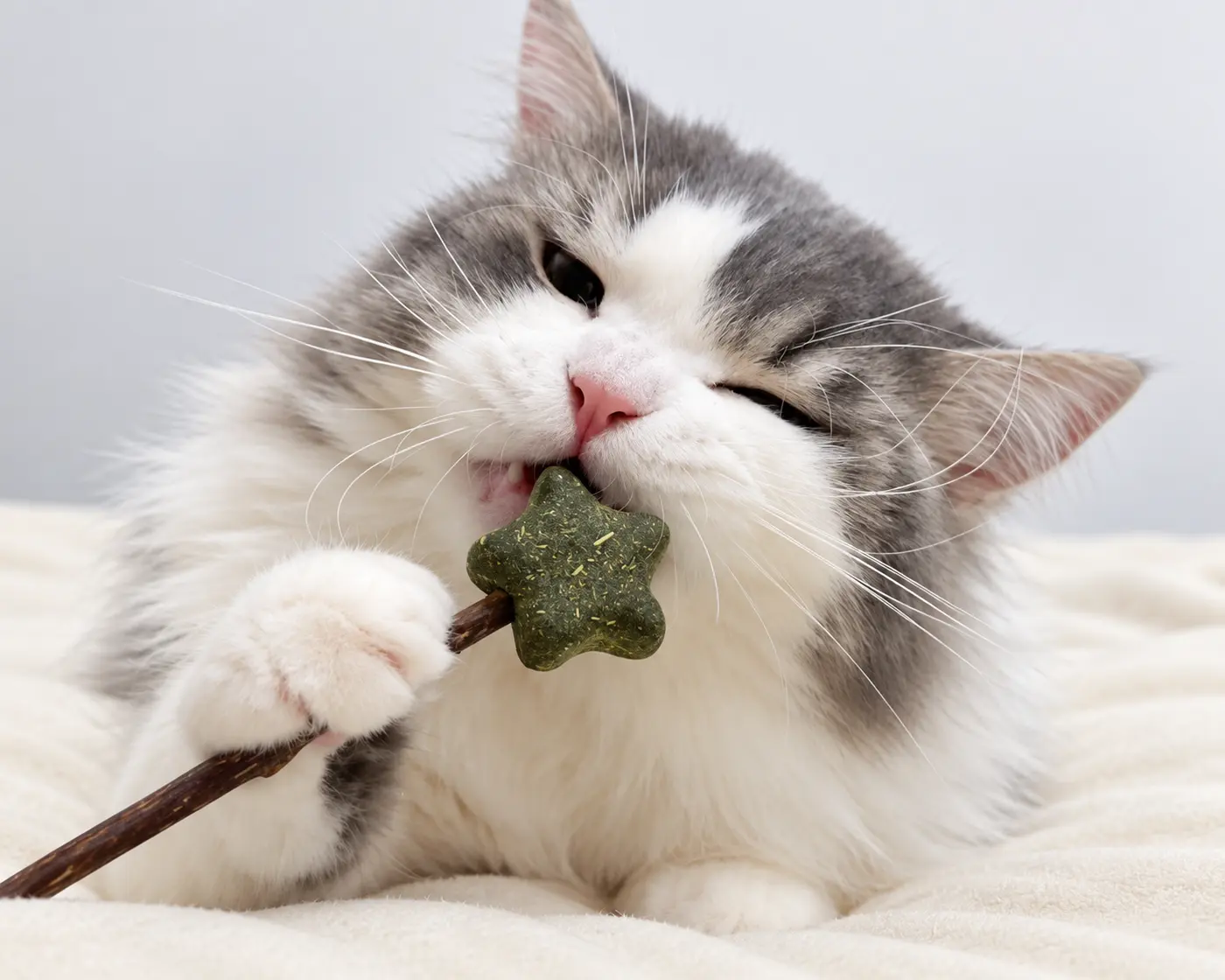
Start with the chosen Ref. ID and distinguish the toy body from any botanical insert, holder, feather or stick. Confirm the actual plant ingredient, outer dimensions, insert or refill access, attachment strength and packaging for the specific design; do not assume every pictured toy has the same catnip formulation.
Soft bodies offer a surface to hold, bat or kick. Choose the body size around the intended play style, then decide whether the plant filling is sealed inside or can be refreshed. Those choices affect seams, care and the retail instructions.
R31-01 and R31-05 are loose ball formats, while R31-02 and R31-11 show ball-and-holder combinations. R31-07 and R31-12 add shaped holders with round inserts. Compare the rolling movement, holder clearance, access or refill method, retained parts and actual ingredient for each sample; a rounded appearance does not establish the play mechanism or plant content.
A refillable design can support a separate refill line, provided the insert and closure are clearly identified. Approve the toy and refill together, and state whether the first insert and any spare are included.
| Specification | What to confirm |
|---|---|
| Toy format & dimensions | Finished size, shape, body construction and any attached feathers, holders or decorative components. |
| Plant ingredient & filling | Identify catnip, silvervine or another agreed ingredient by name, with its form, quantity and location in the toy. Keep plant filling separate from ordinary stuffing in the specification and label. |
| Construction & attachments | Requested material or finish, seams, filling arrangement, openings, closures and how separate components are attached. |
| Retail pack & storage | Choose how the plant filling is protected before use, how an opened refill is stored, and which ingredient, use and care details appear on the pack. Confirm any shelf-life claim for the actual ingredient and packaging. |
Start with the reference you like. The right customization route depends on the design, changes and quantity.
For catnip toys, share the toy shape, outer fabric, stuffing construction, catnip format and intended packaging. A reference helps define the sample; fill content and claims must be confirmed for the chosen version.
Review the finished dimensions, construction, catnip placement or insert, attached components, branding and packaging against the approved brief. Keep the approved sample and artwork details aligned before bulk production.
Ask for the minimum quantity and price per version, sample or development charges, packaging and shipping scope. Confirm these before placing the order.
Explore customization ↗MOQ is confirmed by project because the selected design, materials, customization and packaging can change the production basis. Send an estimated quantity for each version so the minimum and quotation can be reviewed.
Yes. Send a photo, product link, sample or sketch with the changes you want. The selected design can then be reviewed for size, construction, materials, branding and packaging.
No. Catnip and silvervine are different plants. Confirm the plant ingredient, its form and placement in the selected toy before approving its name or packaging. A plant-filled reference photo does not establish the ingredient, purity or suitability for an edible-product claim.
Identify the plant ingredient, the toy and any refill included, and whether the filling can be replaced. A refill pack should name the compatible toy or insert size. Add the agreed storage and supervision guidance; do not describe an unknown plant blend as pure catnip or promise the same response from every cat.
If your reference uses a holder, opening or replaceable insert, identify that in the brief. The access, closure, insert and pack contents can then be confirmed during development.
A sample route can be discussed before bulk production. Review the finished dimensions, construction, catnip arrangement, attached details, branding and packaging against the approved brief.
That depends on the construction. With a removable filling pouch, care instructions should explain whether the filling must come out before washing. A sealed toy needs its own cleaning method. Review the closure, replacement insert and washing instructions together; do not assume that every ball, plush toy or holder is refillable.
No. Responses vary, and young kittens may show little or no response. Do not promise the same play or calming result for every cat. For a mixed retail range, pair scent-led toys with other play types and keep ingredient and use guidance specific to the selected toy.