When developing a dog harness range, XS, S, M, and L are only names used to identify different sizes.
What really needs to be defined is which body measurements matter for this harness, what range each size should cover, and what adjustment range the finished product actually provides.
A clear approach is to confirm the harness structure and wearing position first, then build the size ranges, and finally check the Size Chart against complete samples.
This way, the sizing information reflects the actual product.
On this page
01 — Measurement methods 02 — Size Chart measurements 03 — Weight and breed 04 — Finished adjustment range Useful next steps 05 — Overlapping sizes 06 — Sample approval 07 — Consumer vs internal sizing 08 — Competitor Size Charts FAQ Prepare your projectNeed Help Narrowing Your Dog Harness Options?
Send your reference image, target size range, and customization direction to start the discussion.
Send InquiryView Dog HarnessesDifferent dog harnesses do not always use the same measurements
Different harness structures sit against a dog’s body in different ways.
Some products mainly use Chest Girth; some also need Neck Measurement; and designs with larger chest or back panels may also require related lengths to be checked.
Before confirming the sizes for a new harness range, several basic points should be clear:
| What to confirm | Main point |
|---|---|
| Harness Structure | Which harness structure is being used |
| Measurement Points | Which body measurements are used for sizing |
| Adjustment Points | Which areas can be adjusted |
| Fixed Parts | Which parts remain relatively fixed in size |
| Size Range | Which body-size range the product is intended to cover |
XS–XL is not a fixed standard.
Two harnesses both labeled Medium can still correspond to very different body measurements.
Which body measurements belong in a Size Chart?
Chest Girth
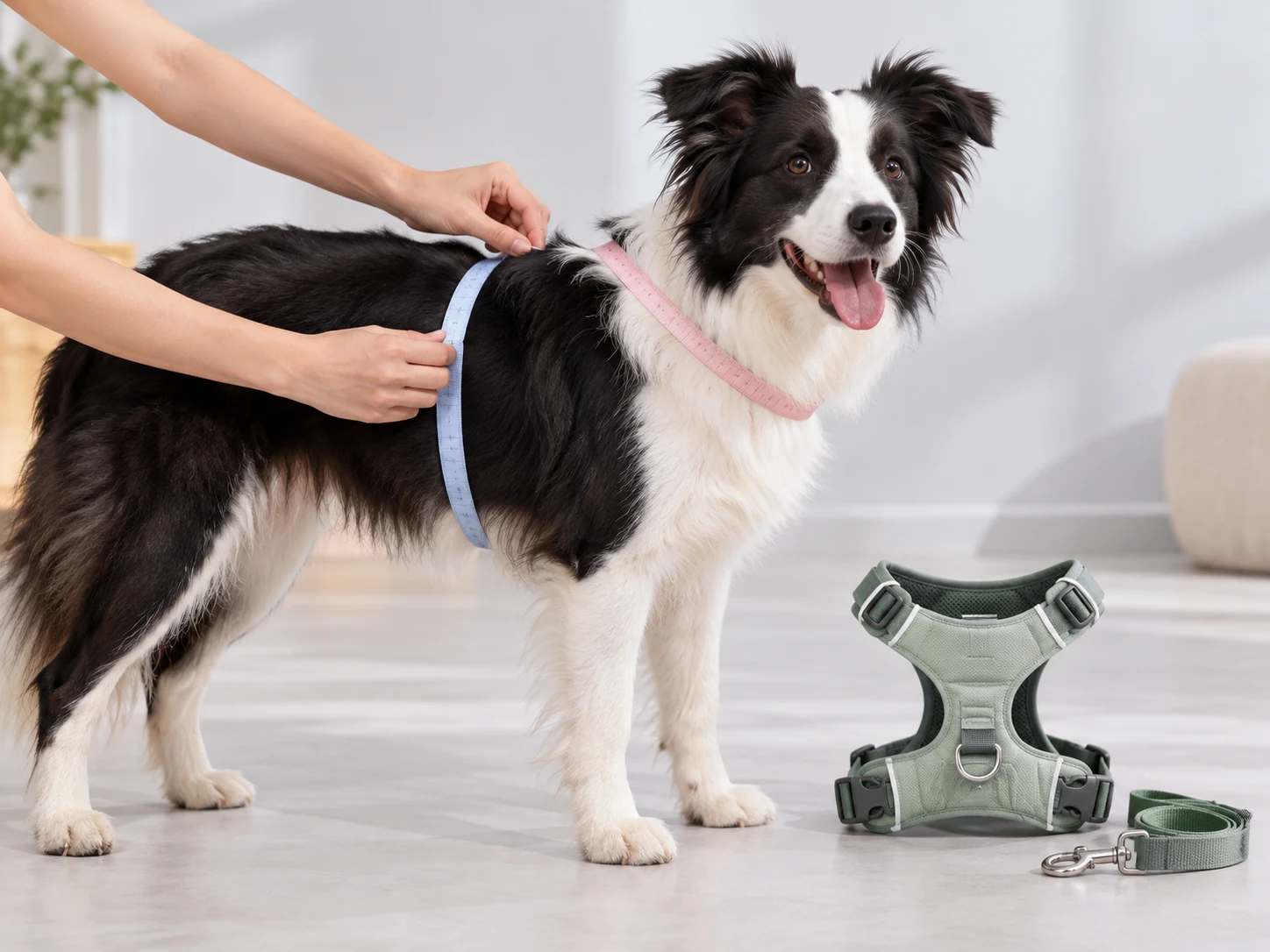
Chest Girth is a common sizing measurement for many dog harnesses.
The measurement is usually taken around the wider part of the rib cage, but the final position should match how the specific product is worn.
If Chest Girth is the main sizing reference, the final Measurement Guide should show the measurement position clearly so customers can measure in the same way.
Neck Measurement
Some harnesses also need a Neck or Lower Neck Measurement.
The exact position depends on the neck opening and front-chest structure, so the neck range shown in the final Size Chart should match the measurement position used for that product.
Back or Panel Length
These measurements are not necessary for every harness.
If the back panel, chest panel, or overall coverage length directly affects how the harness sits, including the relevant length in the sizing review can be useful.
A good Size Chart does not need as many measurements as possible. It should keep the measurements that actually affect size selection.
How should weight and breed be used?
Brands do not all use weight in the same way.
Some harnesses are sized mainly by body measurements and use Weight as supporting information; other products use a Weight Range as a main retail sizing reference.
When a brand builds its own Size Guide, the more important point is to make clear:
Which measurement should the customer use as the main reference?
If chest girth, neck girth, weight, or breed examples are shown together, they should not give conflicting sizing guidance.
Breed Example is better used to help customers understand an approximate body type rather than replace the actual size range for the product.
Body measurements and finished adjustment range are not the same thing
These are two pieces of sizing information that can easily be mixed together when developing an adjustable dog harness.
Body Measurement answers:
“What body size is this harness size intended to fit?”
Finished Adjustment Range answers:
“How small or large can this complete harness actually be adjusted?”
The two are related, but they should not automatically be treated as the same set of numbers.
Once the webbing has been folded, fitted with Sliders and Buckles, and assembled with the chest panel or other parts, the usable adjustment range of the complete product needs to be checked again.
During development, it is therefore more useful than recording the length of one loose strap to:
Measure the actual minimum and maximum usable range of the complete sample.
Dog Harnesses
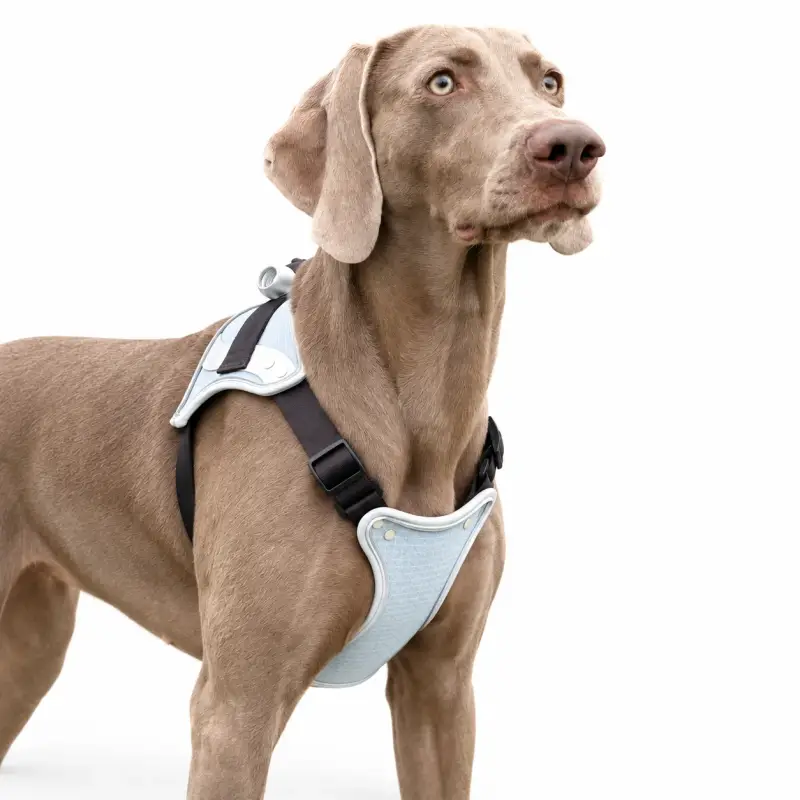
Compare different Dog Harness structures, adjustment points, and product directions before choosing the right base style for the project.
View Dog Harnesses →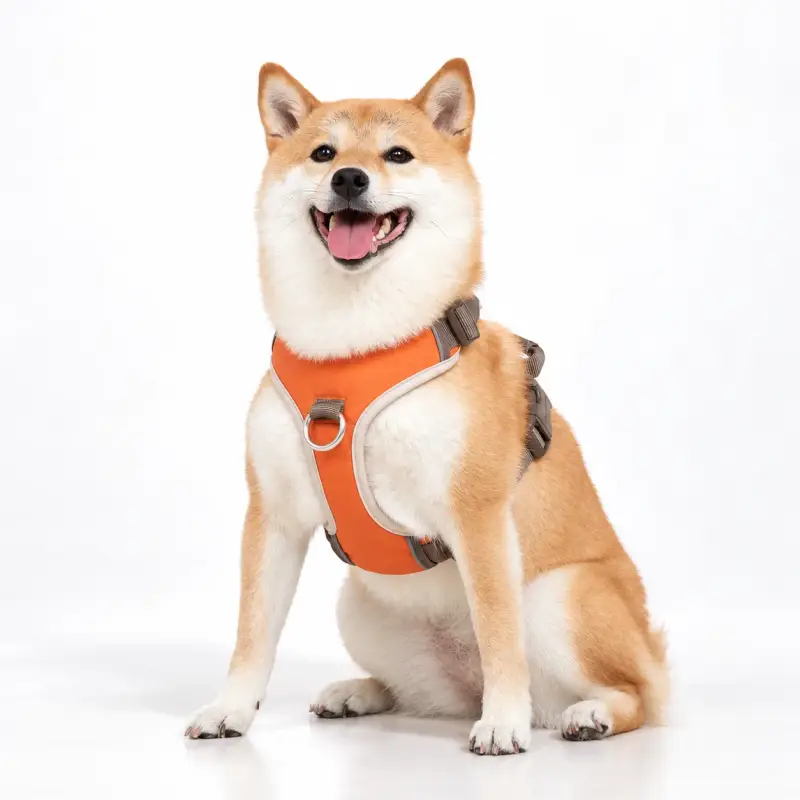
No-Pull Dog Harnesses
If the project uses a different front-chest structure or attachment position, the measurements and wearing position should be confirmed for that product.
View No-Pull Harnesses →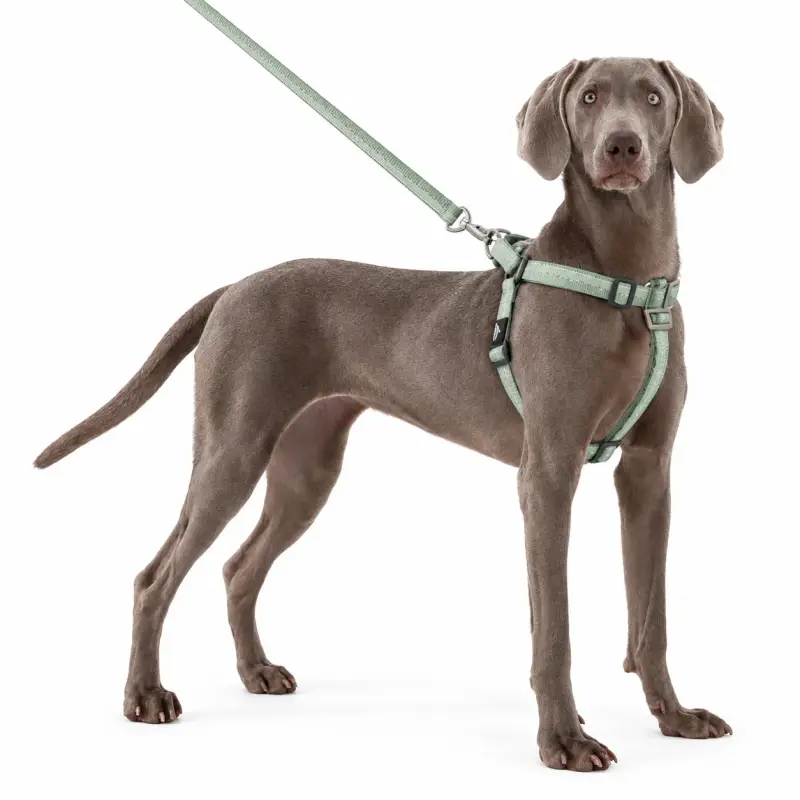
Customization
Once the product structure and sizing are confirmed, continue with brand colors, Logo, labels, and retail packaging.
View Customization →Adjacent sizes can overlap
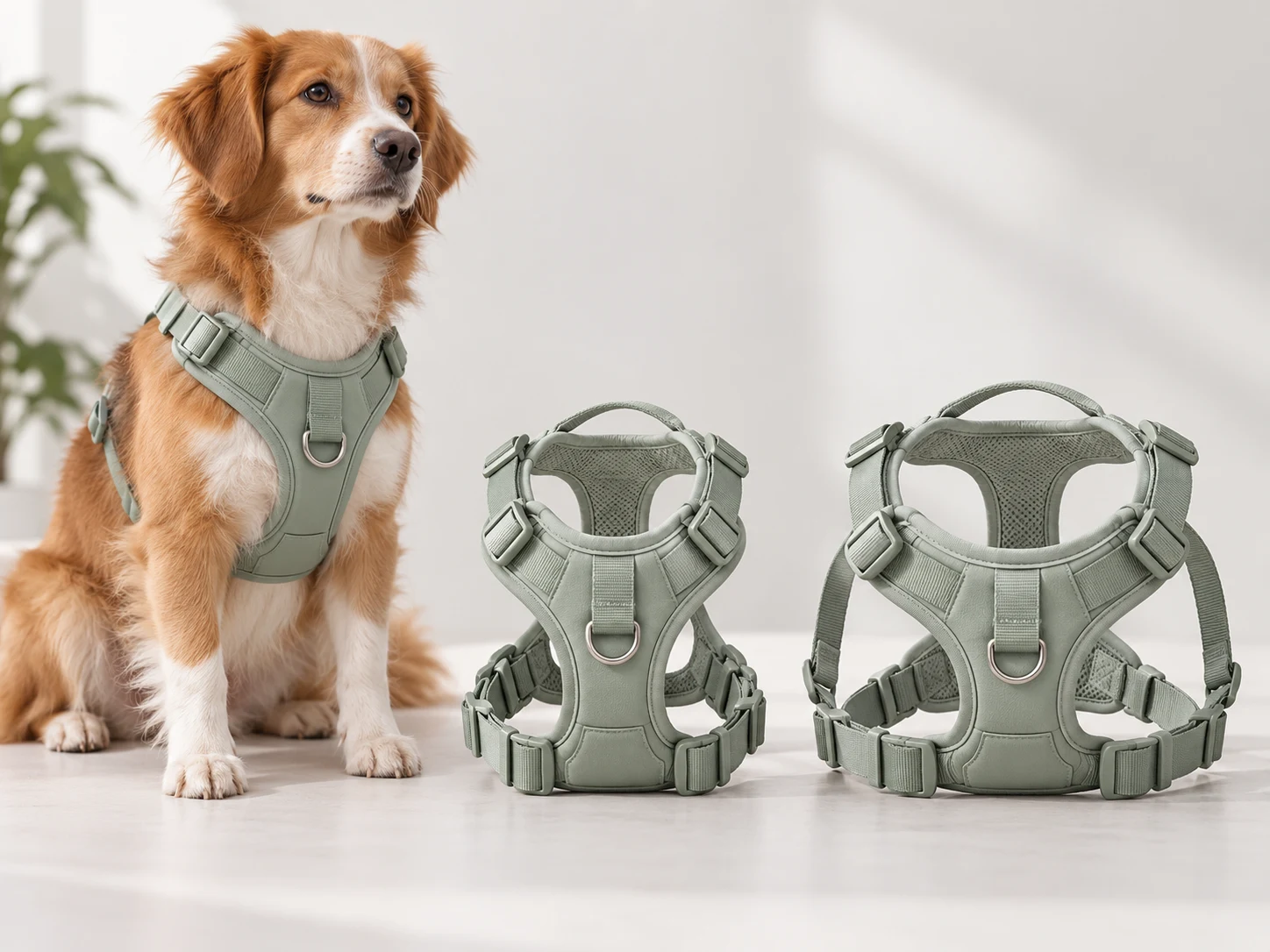
A certain amount of overlap between two adjacent adjustable harness sizes is not necessarily a problem.
For example, one Chest Measurement may fall within both the S and M ranges.
The question to confirm is: For this product, how should the customer choose?
Different harnesses handle this differently, so there is no need to create one rule that says customers should “always size up” or “always size down.”
If adjacent sizes overlap clearly, the final Size Guide can provide simple Between Sizes Guidance that matches the fit of the actual samples.
The final Size Chart should be confirmed on complete samples
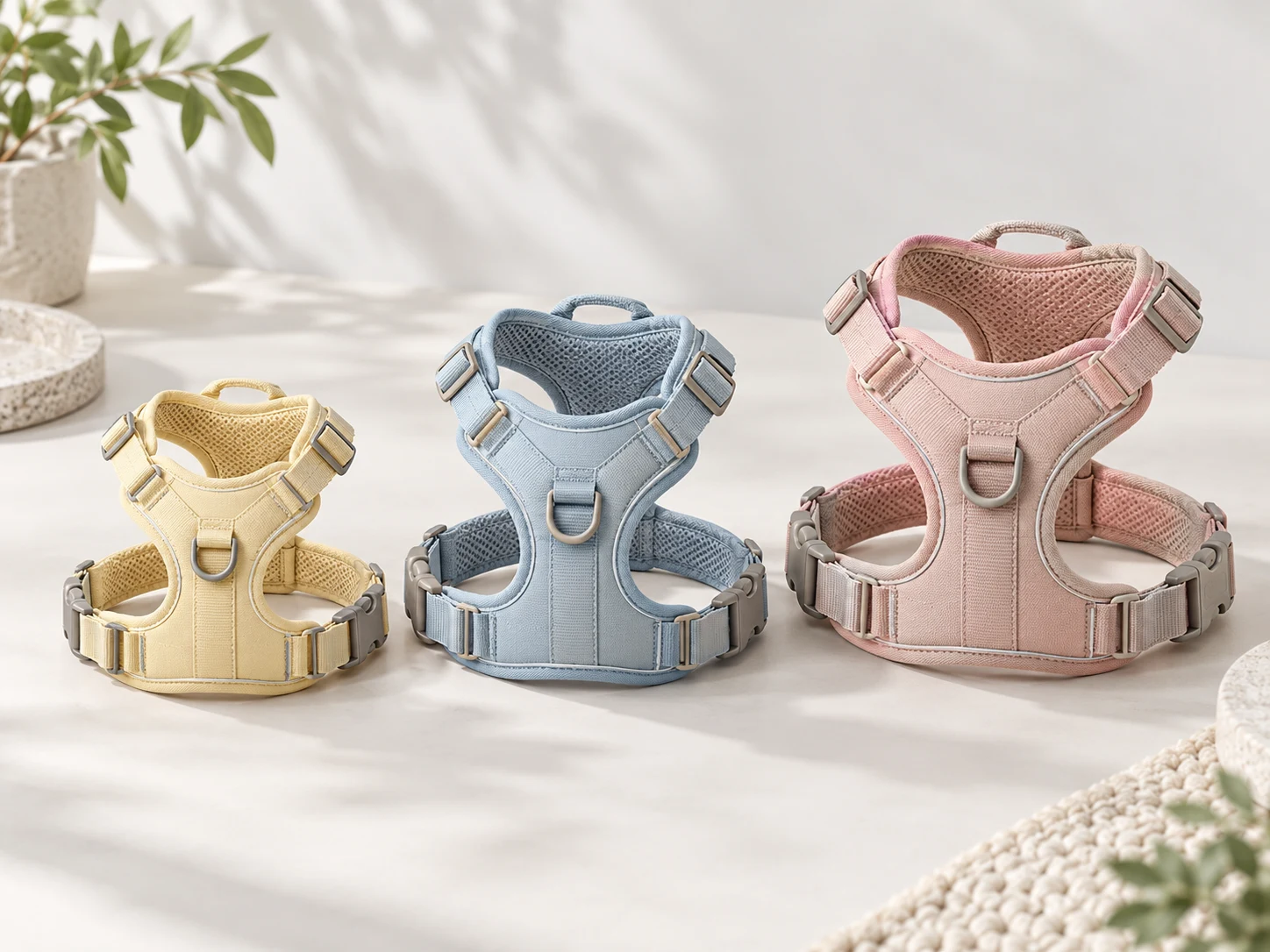
A harness can look finished without the sizing information being fully confirmed.
During the sample stage, several points can be checked:
Are the measurement methods consistent?
Are Chest, Neck, and other measurements always taken from the same positions?
Does the finished adjustment range match the record?
Adjust the complete product to the smaller and larger normal usable positions and check the actual range again.
Do the sizes connect logically?
In addition to the middle size, check whether the smaller and larger sizes still maintain reasonable adjustment ranges and product proportions.
Does the harness sit in the intended position?
The front chest, shoulders, area behind the front legs, and back should sit as intended for that product.
If any sizing is changed during sampling, the final Size Chart used on the product page, packaging, or customer sizing guide should be updated as well.
The consumer Size Chart and internal sizing records can be separate
The final Size Chart shown to consumers should stay as simple as possible.
It usually only needs:
- Size;
- the main body measurement range;
- other measurements when the product needs them;
- a clear measurement illustration;
- Between Sizes Guidance when needed.
Internally, the brand can keep a more complete record, such as:
- each measurement position;
- the actual adjustment range of the complete product;
- the main fixed dimensions;
- the corresponding approved sample;
- the final approved version.
This gives consumers a Size Chart that is easy to use, while procurement, repeat orders, and production approval still have a complete reference.
Other brands’ Size Charts are useful references, but the numbers should not be copied directly
Reviewing mature brands’ Size Guides can be useful.
They can show what information customers are used to seeing, how measurement illustrations can be made clearer, and how adjacent sizes are usually presented.
But two harnesses that look similar can still have different:
- neck openings;
- front-chest structures;
- fixed parts;
- adjustment positions;
- chest or back panel sizes;
- usable adjustment ranges.
For that reason, another brand’s Size Chart is better treated as a market reference.
The final sizing data used for your own product should match your own product structure and approved samples.
Dog harness sizing questions
What is the most important measurement for a dog harness?
There is no single measurement that applies to every harness. Many everyday harnesses use Chest Girth as a main sizing reference, but the measurements required should be defined by the product structure and its Size Chart.
Do all dog harnesses need neck and chest measurements?
No. Some products use the main chest measurement only, while others also need neck or other measurements. The final guide should keep the information that actually affects size selection for that product.
Can dog weight be used for harness sizing?
Yes. Some products use Weight Range as a main or supporting reference. The important point is to make clear which measurement the customer should prioritize for that product.
Can two harness sizes overlap?
Yes. Adjacent sizes of an adjustable harness can overlap. If they do, the final Size Guide should provide sizing guidance that matches the specific product.
When should the final Size Chart be confirmed?
Confirming the final Size Chart after the product structure, complete samples, and actual adjustment ranges are approved makes it easier to keep the sizing information on the product page and packaging consistent with the finished product.
Prepare your Dog Harness project
If you already have your own Size Chart, reference sample, or target size range, you can provide these together with the expected quantity and brand customization direction to PETMERO.
If the sizing system has not been finalized yet, you can start with the product structure and the size range you want to cover, then confirm the final Size Guide step by step through actual samples.